
Pheidole rugulosa
- Sci. Name
- Pheidole rugulosa
- Tribe
- Attini
- Subfamily
- Myrmicinae
- Author
- Gregg, 1959
- Distribution
- Found in 2 countries
Introduction
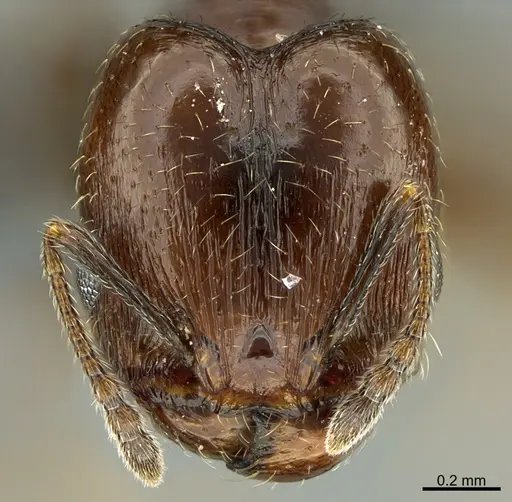
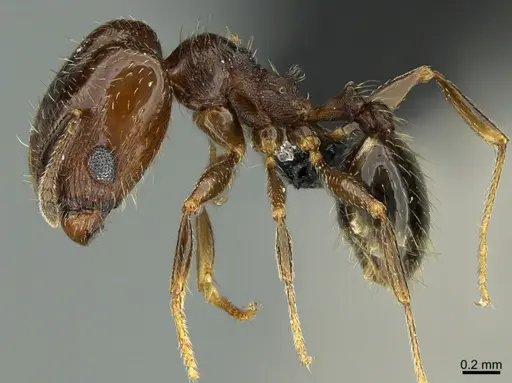
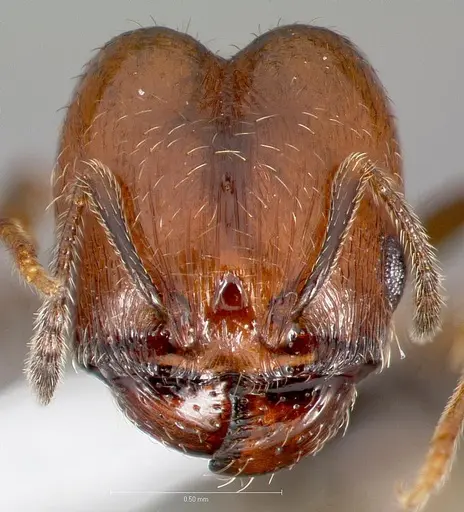
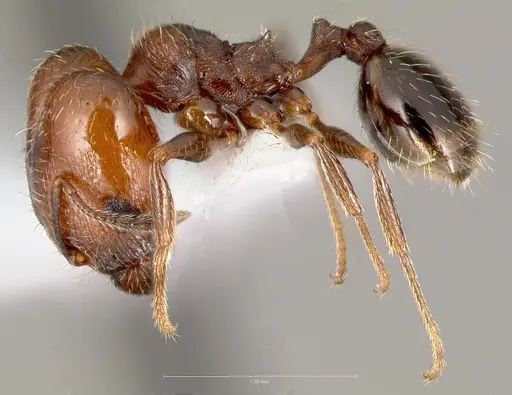
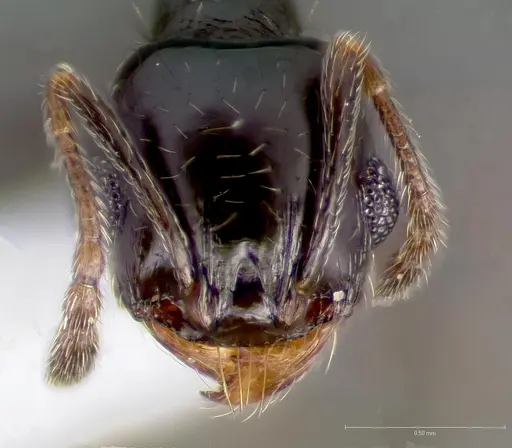
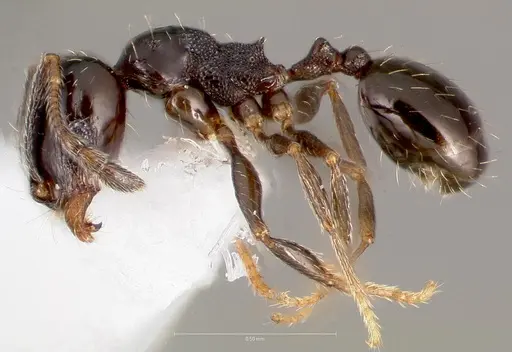
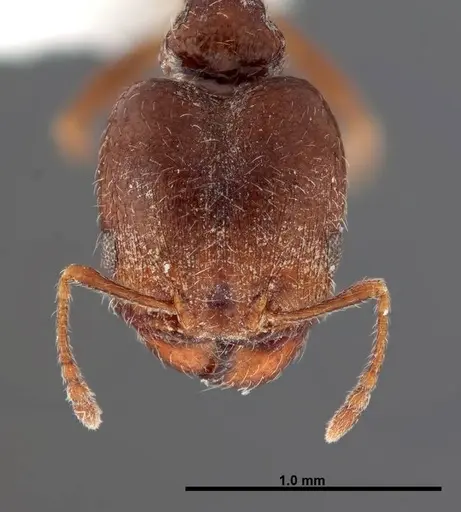
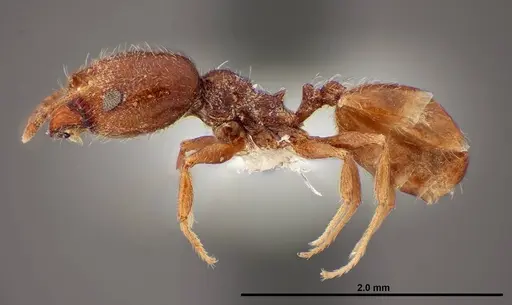
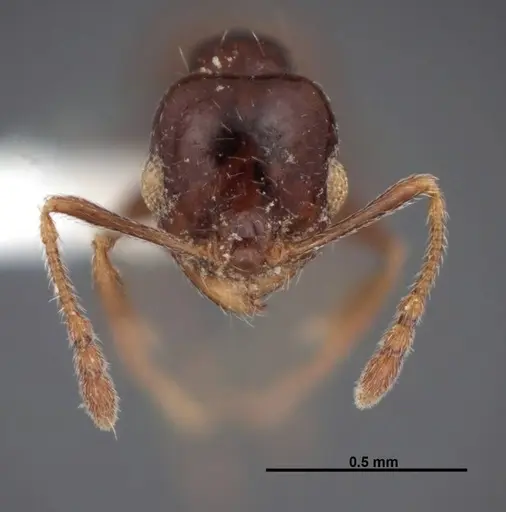
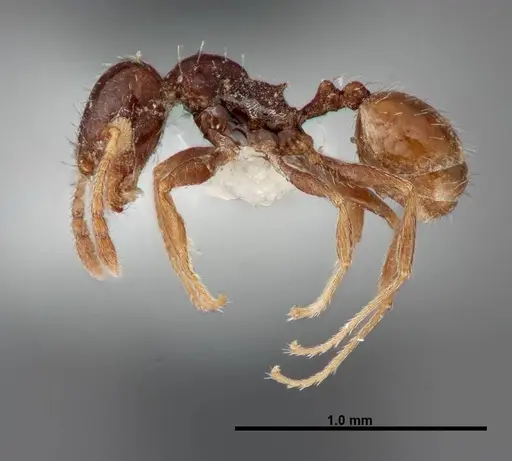
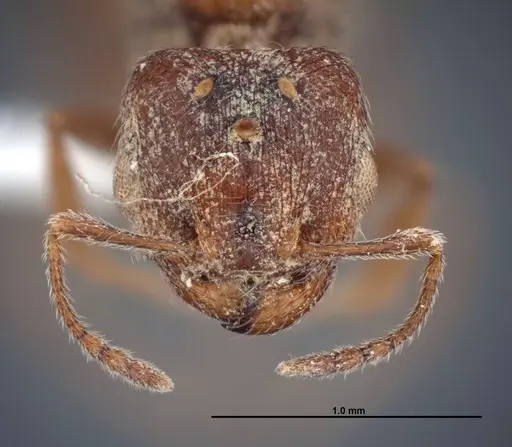
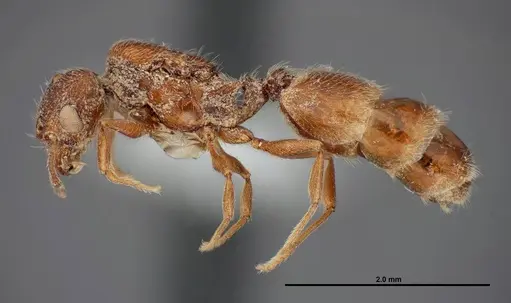
Pheidole rugulosa is a small seed-harvester ant native to the deserts of the American Southwest. Majors (soldiers) reach about 3.6mm total length with reddish-brown color, while minors are smaller at 2.4mm. The species name refers to the wrinkled appearance on the back of the head. It belongs to the pilifera group and is distinguished by well-developed humeral angles and large shiny areas on the posterior head. Colonies are polygynous (multiple queens) - unusual for Pheidole - and can contain up to several hundred workers. They nest in open desert soil with crater-shaped entrances .
Quick Summary
- Difficulty: Expert
- Origin & Habitat: Native to the Nearctic region, found in Texas, New Mexico, Arizona, and northern Mexico. Inhabits xeric desert habitats at 1300-1700m elevation, including grassland desert, rabbitbrush-mesquite desert, and riverbank scrub [1][2][3].
- Colony Type: Polygynous (multi-queen) colonies, at least sometimes, which is unusual for Pheidole. Polydomous, they nest in multiple connected locations [1][2].
- Size & Growth:
- Antkeeping:
- Temperature: Keep warm, roughly 22-26°C, as they are active from May to October in the wild [3].
- Humidity: Keep nest substrate dry to slightly moist, as they nest in exposed desert soil [3].
- Diapause: Unknown, no specific data, but as a temperate species, winter diapause may be required.
- Nesting: Prefer dry nests like Y-tong or plaster with exposed soil areas, mimicking their natural desert nesting [1][3].
- Behavior: Generally peaceful toward keepers. Seed harvesters that use trunk trails for foraging [4]. Escape risk is moderate due to small size, standard barriers work. WARNING: This species is non-native in New Zealand and considered invasive [5]. It is NOT recommended to keep this species in countries where it is not native.
- Common Issues: polydomous colonies may establish secondary nests in the outworld if given the chance [2], desert species are sensitive to overwatering, too much humidity can kill them, majors can get stuck in water barriers, use appropriate escape prevention, seed-harvesting behavior may ignore liquid sugar water initially, offer seeds and protein alongside, colonies may be slow to establish compared to tropical species, patience is needed during founding
Housing and Nest Setup
Use a test tube setup for founding colonies with a water reservoir and cotton plug. For larger colonies, a Y-tong or plaster nest works well. These ants are small, so ensure chambers are appropriately sized. They naturally nest in exposed soil, so provide dry substrate areas. Because they are polydomous, they may spread across multiple nest sites [1][2].
Feeding and Diet
As seed harvesters, offer grass seeds, millet, and other small seeds. Provide protein like fruit flies or pinhead crickets 2-3 times per week. Sugar sources are accepted but not primary, offer occasional honey water. Use trunk trails to place food along established paths for recruitment [3][4].
Temperature and Seasonal Care
Keep at 22-26°C, with a gentle gradient if possible. They are active from May to October in the wild. Winter diapause is unknown but may be needed for temperate species. Reduce feeding during colder months but maintain moisture [3].
Colony Structure and Behavior
Colonies are polygynous and polydomous, with multiple queens and nest sites. Workers include minors for foraging and majors for defense. They use trunk trails for efficient foraging [1][2][4].
Escape Prevention
Use fluon barriers on formicarium rims. Test tubes should have tight cotton plugs. Water barriers should be shallow to avoid majors getting stuck. Check connections regularly due to polydomous behavior.
Growth and Development
Colonies grow moderately. A queen may lay eggs alone, and first workers emerge in 6-8 weeks under optimal conditions. Growth depends on temperature and feeding. Polygynous colonies may grow faster due to multiple egg-layers [1].
Frequently Asked Questions
How long does it take for Pheidole rugulosa to have first workers?
Expect 6-8 weeks from egg to first worker under optimal conditions, based on typical Pheidole development patterns [1].
Can I keep multiple Pheidole rugulosa queens together?
Yes, this species is polygynous, meaning colonies can have multiple queens coexisting, which is unusual for Pheidole [1].
What do Pheidole rugulosa ants eat?
They are seed harvesters and omnivores. Offer seeds as a staple and protein like insects. Sugar water is accepted but not primary [3][4].
Do Pheidole rugulosa need hibernation?
No specific data exists, but as a temperate desert species, winter diapause may be beneficial. If attempted, reduce temperature to 10-15°C for 2-3 months.
Are Pheidole rugulosa good for beginners?
No, this species is considered Expert due to its invasive potential in non-native areas. It is NOT recommended for beginners [5].
How big do Pheidole rugulosa colonies get?
Colonies reach up to several hundred workers [1].
What temperature is best for Pheidole rugulosa?
Keep them warm, around 22-26°C, based on their desert habitat and active season [3].
Why are my Pheidole rugulosa dying?
Common causes include overwatering (they prefer dry conditions), too cold temperatures, or poor escape prevention. Ensure nest is dry and temperatures are adequate.
When should I move Pheidole rugulosa to a formicarium?
Move when the test tube is crowded, typically with 20-30+ workers and low water reservoir. Use a Y-tong or plaster nest with tight chambers.
Report an Issue
The current care sheet is based fully on literature. See inconsistencies, or something that's incorrect? Please , it will be resolved after review from an admin. Contributing to the blogs tab also helps providing information, to make us be able to further improve the caresheets. Thank you for your support!
References

This caresheet is licensed under CC BY-SA 4.0 .
Community Blogs
CASENT0004455
View on AntWeb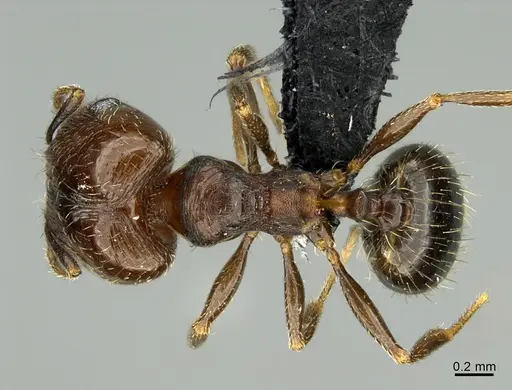
CASENT0005769
View on AntWeb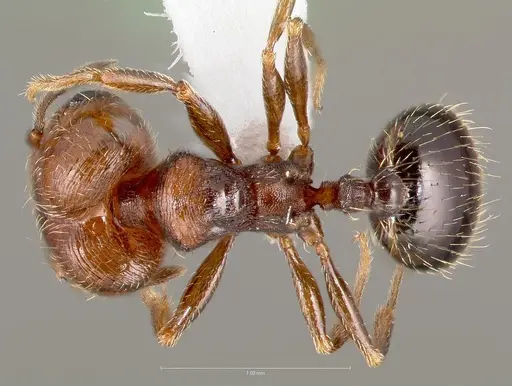
CASENT0005770
View on AntWeb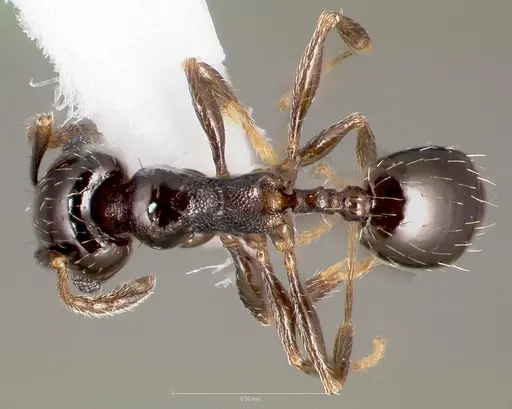
FMNHINS0000062691
View on AntWeb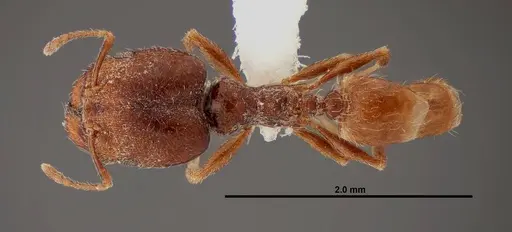
FMNHINS0000062764
View on AntWeb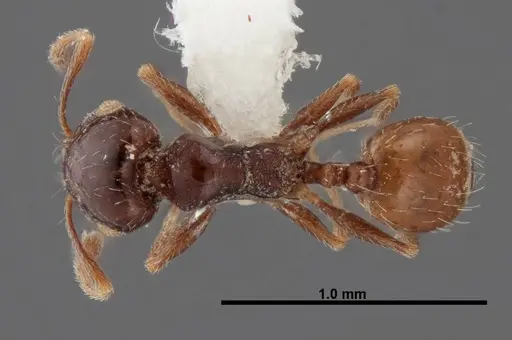
FMNHINS0000062776
View on AntWeb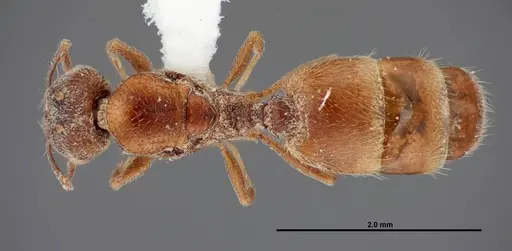
Literature
Loading distribution map...Loading products...