
Pheidole rugiceps
- Sci. Name
- Pheidole rugiceps
- Tribe
- Attini
- Subfamily
- Myrmicinae
- Author
- Wilson, 2003
- Distribution
- Found in 6 countries
Introduction
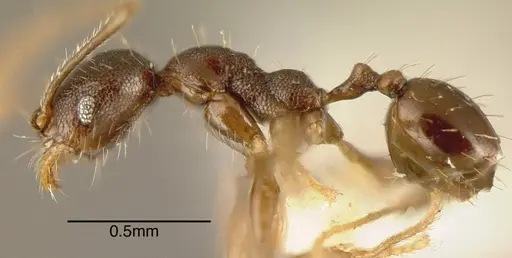
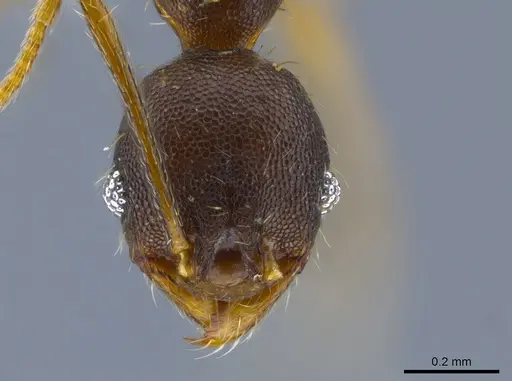
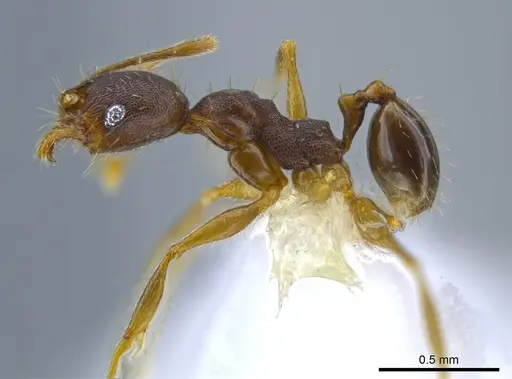
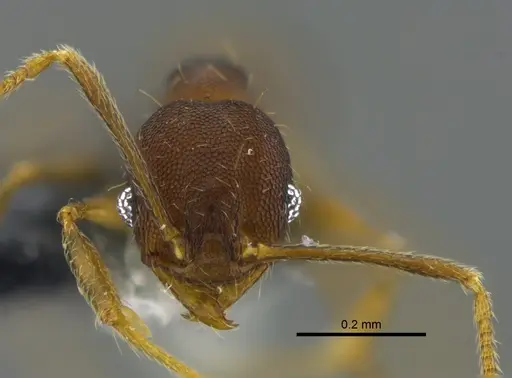
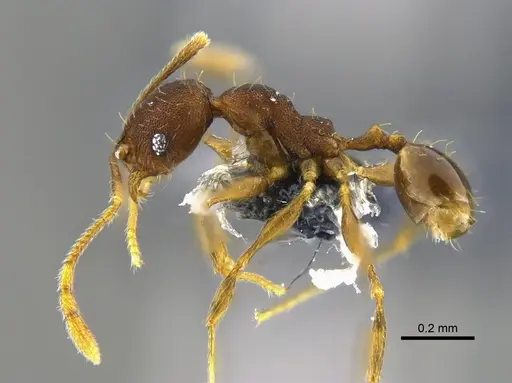
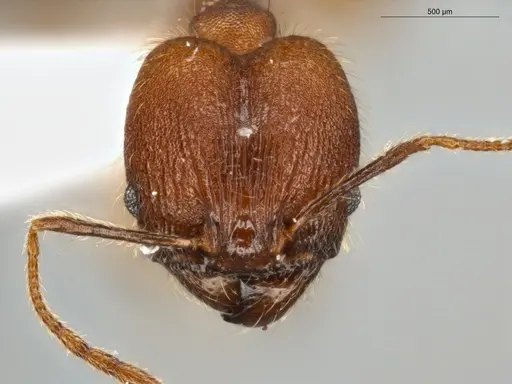
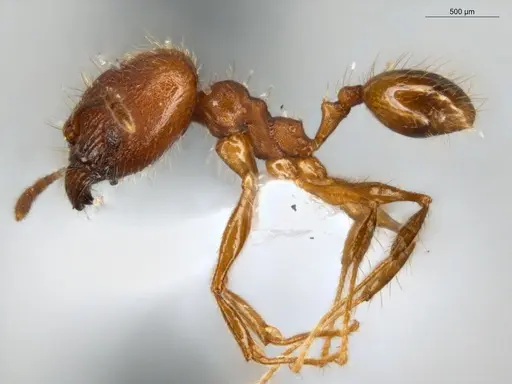
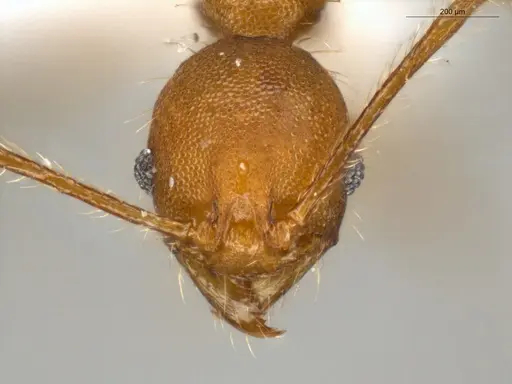
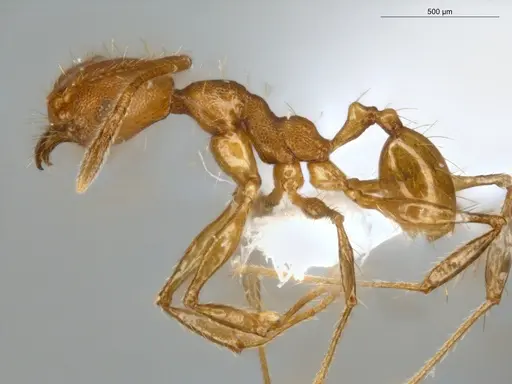
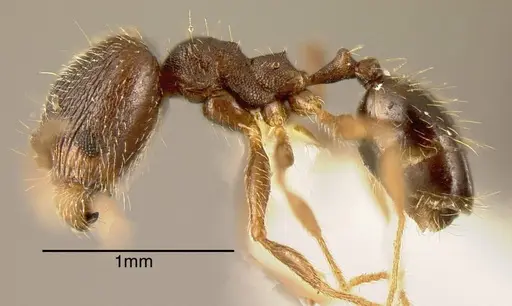
Pheidole rugiceps is a dimorphic ant species native to the Neotropical region, ranging from Mexico through Central America to Peru and Brazil . It features major and minor workers, with majors having a dark brown body and a yellow band on the head, and minors being entirely dark brown. Size data unavailable for body measurements. The species nests in rotting wood on the forest floor in mature wet forests . It shows significant geographic variation in color, with populations in some areas appearing orange rather than dark brown .
Quick Summary
- Difficulty: Medium
- Origin & Habitat: Wet tropical forests of Central and South America, nesting in rotting wood on the forest floor [2][1].
- Colony Type: Based on typical Pheidole genus patterns, likely monogyne (single queen colony).
- Size & Growth:
- Queen: Size data unavailable, inferred from Pheidole genus patterns to be approximately 7-9 mm.
- Worker: Size data unavailable, inferred from Pheidole genus patterns: minor workers ~2-3 mm, major workers ~4-5 mm.
- Colony: Up to several thousand workers, estimated from genus patterns.
- Growth: Moderate.
- Development: 6-8 weeks at tropical temperatures. (Development time inferred from related Pheidole species, no direct measurements available.)
- Antkeeping:
- Behavior: Temperament is generally docile, majors can deliver a mild sting if threatened. Minor workers are small (around 2-3 mm), so escape prevention is important with fine mesh barriers.
- Common Issues: cold temperatures can stress or kill colonies, dry conditions cause colony decline, small minor workers can escape through standard mesh, use fine mesh barriers, slow founding phase requires patience, geographic color variation is normal and does not indicate different species [2]
Housing and Nest Setup
Pheidole rugiceps prefers nests that mimic their natural habitat of rotting wood in wet forests. Use Y-tong, plaster, or soil nests with narrow chambers. Keep the substrate consistently moist but not waterlogged [2]. For the outworld, use a container with fine mesh to prevent escapes, as minor workers are small.
Feeding and Diet
Like most Pheidole species, they are granivorous and will store seeds. Offer grass seeds, millet, or commercial ant diets. Provide protein from small insects like fruit flies or pinhead crickets. Feed protein 2-3 times per week and keep seeds available.
Temperature and Humidity
Maintain temperatures between 24-28°C year-round. Humidity is critical, keep nest substrate moist [2]. A water tube can help maintain moisture [2].
Colony Development and Growth
Queens likely seal themselves in during founding. First workers emerge in 6-8 weeks at optimal temperatures. Colony grows to several thousand workers over time.
Behavior and Temperament
Minors handle foraging and brood care, majors defend and process food. They are not aggressive but majors can sting if threatened. Geographic color variation is normal [2].
Frequently Asked Questions
How long does it take for Pheidole rugiceps to have first workers?
Expect first workers in 6-8 weeks at 24-28°C, inferred from related Pheidole species [2].
What do Pheidole rugiceps ants eat?
They are primarily granivorous, offer grass seeds, millet, or commercial seed mixes. They also need protein from small insects like fruit flies or pinhead crickets.
Do Pheidole rugiceps ants need hibernation?
No, as a tropical species from wet forests, they do not require hibernation. Keep them warm year-round at 24-28°C [2].
How big do Pheidole rugiceps colonies get?
Based on typical Pheidole patterns, colonies likely reach up to several thousand workers over time.
Can I keep multiple Pheidole rugiceps queens together?
Not recommended, this species is likely monogyne (single queen). Combining unrelated foundress queens often leads to fighting.
What temperature is best for Pheidole rugiceps?
Keep them at 24-28°C. These tropical wet-forest ants need warm, stable conditions [2].
What humidity do Pheidole rugiceps need?
High humidity is essential, keep nest substrate consistently moist but not waterlogged. They come from wet tropical forests and dry out quickly in arid conditions [2].
Are Pheidole rugiceps good for beginners?
They are intermediate difficulty, the main challenges are maintaining high humidity and warm temperatures year-round. If you can provide stable tropical conditions, they are rewarding to keep.
When do Pheidole rugiceps have nuptial flights?
Winged queens have been documented in March in Peru, suggesting nuptial flights occur during the early wet season in tropical regions [2].
Report an Issue
The current care sheet is based fully on literature. See inconsistencies, or something that's incorrect? Please , it will be resolved after review from an admin. Contributing to the blogs tab also helps providing information, to make us be able to further improve the caresheets. Thank you for your support!
References

This caresheet is licensed under CC BY-SA 4.0 .
Community Blogs
CASENT0635520
View on AntWeb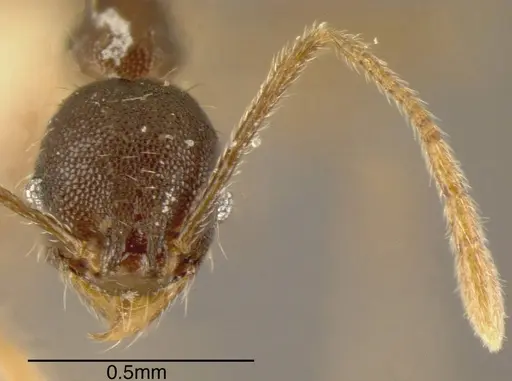
CASENT0646315
View on AntWeb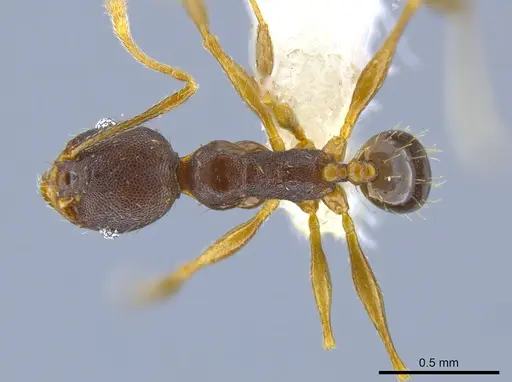
CBUMAGENT42028
View on AntWeb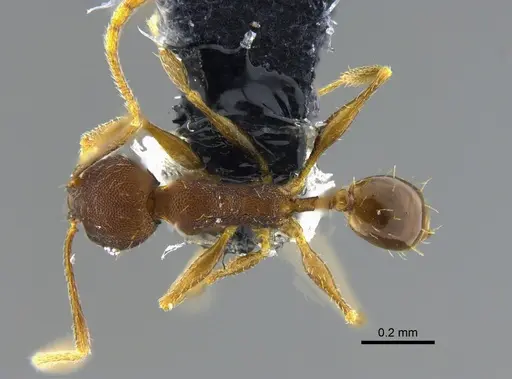
ECOFOG-IT14-0099-78-S
View on AntWeb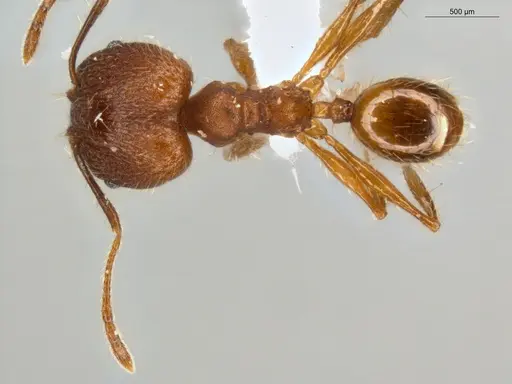
ECOFOG-IT14-0099-78
View on AntWeb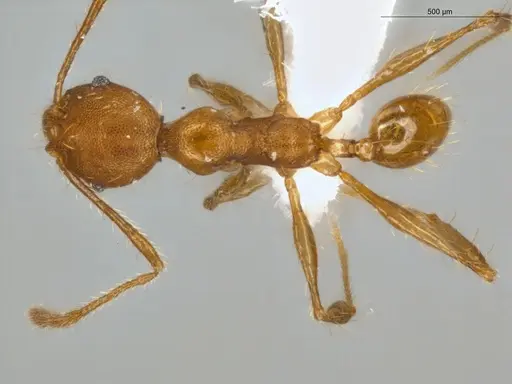
INBIOCRI002279971
View on AntWeb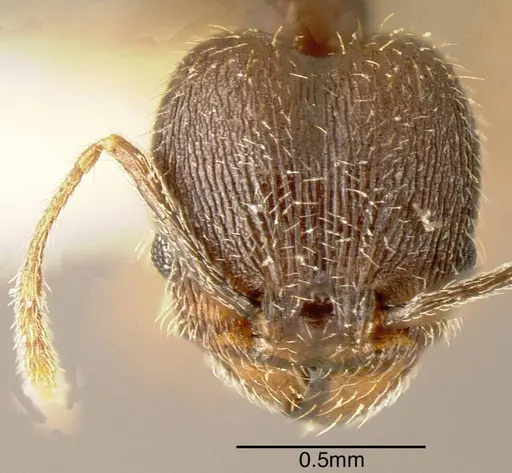
Literature
Loading distribution map...Loading products...