
Pheidole rugaticeps
- Sci. Name
- Pheidole rugaticeps
- Tribe
- Attini
- Subfamily
- Myrmicinae
- Author
- Emery, 1877
- Distribution
- Found in 4 countries
Introduction
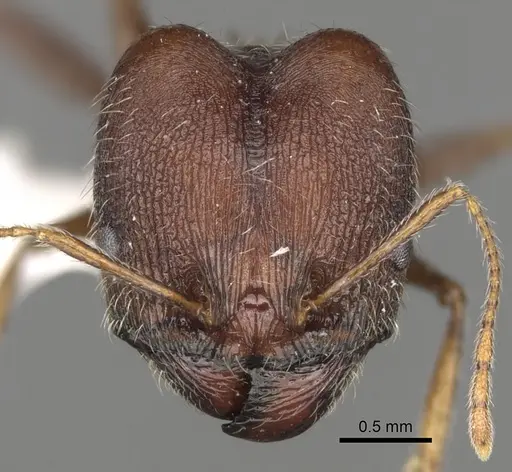
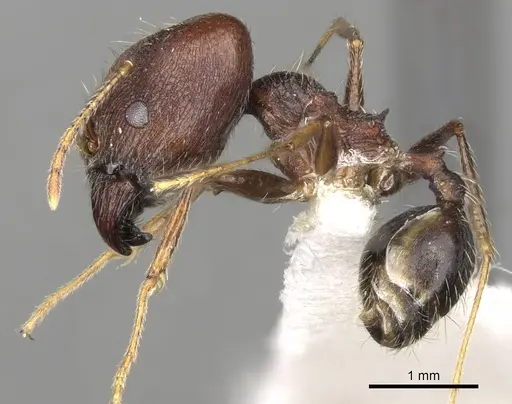
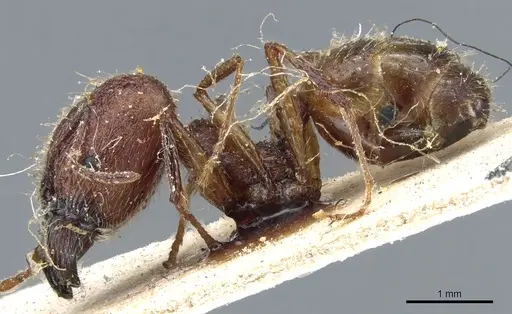
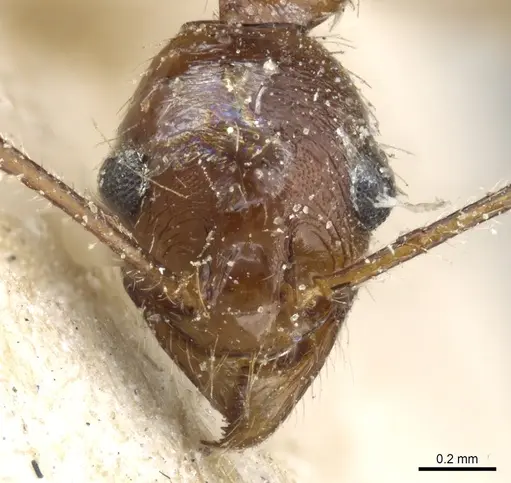
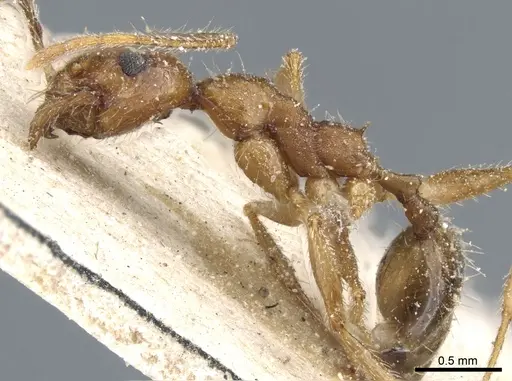
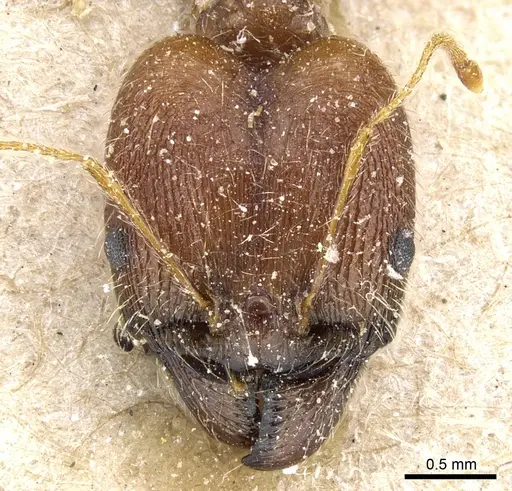
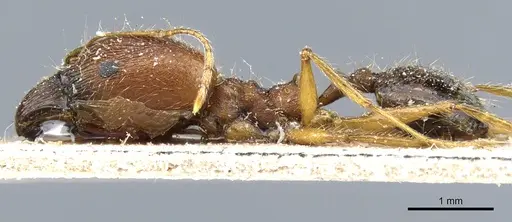
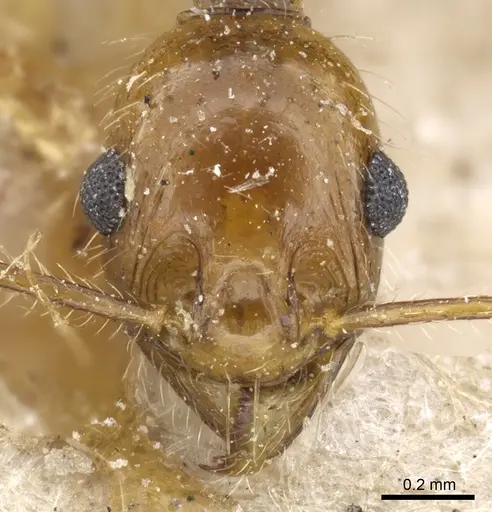
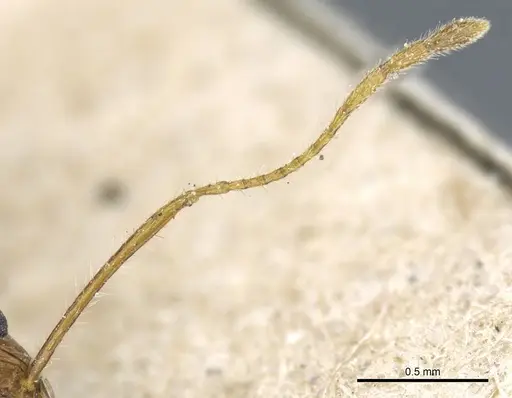
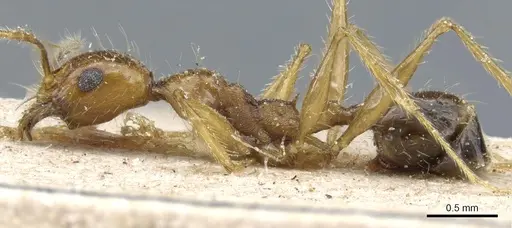
Pheidole rugaticeps is a small ant species with dimorphic workers - large major workers and smaller minor workers. Body size data is unavailable from current research. This species is widely distributed across tropical Africa and the Arabian Peninsula, from Senegal to Ethiopia and Oman . P. rugaticeps is known for its efficient scavenging behavior. It is the most abundant ant in some areas, operating in organized groups to collect prey like cockroaches and recruiting nestmates to large food sources .
Quick Summary
- Difficulty: Easy
- Origin & Habitat: Tropical Africa and Arabian Peninsula, found in diverse habitats from savanna to urban areas [1][2][3][5].
- Colony Type: Unconfirmed, no specific information on queen number or social structure.
- Size & Growth:
- Queen: size data unavailable
- Worker: size data unavailable
- Colony: Estimated up to several thousand workers based on high abundance in wild studies [4].
- Growth: Moderate, inferred from typical Pheidole patterns.
- Development: 6-8 weeks, estimated based on typical Pheidole development at warm temperatures. (Development time is estimated, warm temperatures accelerate development.)
- Antkeeping:
- Temperature: Keep warm, roughly 24-28°C, as inferred from tropical distribution [4].
- Humidity: Keep nest substrate consistently moist but not waterlogged, as inferred from habitat preferences.
- Diapause: No, tropical species do not require hibernation, inferred from distribution.
- Nesting: In nature, they nest in soil and under stones [4]. For captivity, use soil-based nests or Y-tong nests.
- Behavior: P. rugaticeps is an active and efficient scavenger. Colonies forage in organized groups and recruit nestmates to food sources [4]. Minor workers are tiny, so escape prevention is crucial.
- Common Issues: temperatures below 20°C can stress the colony, keep them warm, minor workers can escape through small gaps, use fine mesh barriers, overfeeding can cause mold, remove uneaten food promptly, wild-caught colonies may carry parasites, quarantine if possible
Housing and Nest Setup
Pheidole rugaticeps adapts well to various captive setups. Standard test tube setups work for founding colonies, but upgrade to a formicarium as the colony grows. Y-tong nests or soil-based chambers are ideal. These ants prefer nesting in darker areas, so cover the nest or use opaque sides. Provide a moisture source, such as a water tube or hydration chamber. The outworld should be spacious for foraging. Because minor workers are tiny, use fine mesh on ventilation holes and apply fluon or barrier tape to prevent escapes [4].
Feeding and Diet
P. rugaticeps is a confirmed scavenger that accepts a wide variety of foods. They collect dead and live cockroaches, other ants, and various insects [4]. For captive colonies, offer protein sources like mealworms or crickets 2-3 times per week, and provide constant access to sugar water or honey water. Remove uneaten prey within 24-48 hours to prevent mold. Major workers assist with transporting large prey items [4].
Temperature and Seasonal Care
As a tropical species, P. rugaticeps requires warm conditions. Keep the nest area at 24-28°C for optimal brood development. Temperatures below 20°C will slow growth and may cause brood death. Use a heating cable on one side of the nest to create a gradient, allowing ants to self-regulate [4]. Room temperature is acceptable if stable. These ants do not require hibernation and remain active year-round when kept warm.
Behavior and Foraging
This species shows organized foraging behavior. Colonies operate in coordinated groups and recruit nestmates to food sources [4]. When encountering large prey, workers work together to subdue it. Major workers assist with cutting and transporting large items. They forage both day and night and explore indoor and outdoor areas of the setup.
Colony Development
Pheidole colonies grow through the typical big-headed ant pattern. A newly mated queen raises the first brood alone. Major workers appear as the colony grows larger. Based on typical Pheidole patterns, expect 6-8 weeks from egg to first worker at optimal temperatures. Colony growth is moderate, with major workers appearing when the colony reaches several hundred workers.
Frequently Asked Questions
How long does it take for Pheidole rugaticeps to produce first workers?
Expect first workers in about 6-8 weeks at optimal temperatures of 24-28°C. This is estimated based on typical Pheidole genus development patterns [4].
Can I keep Pheidole rugaticeps in a test tube setup?
Yes, test tubes work well for founding colonies. Keep the water reservoir filled and maintain temperatures above 24°C. Move to a larger formicarium once the colony reaches several hundred workers.
What do Pheidole rugaticeps eat?
They are confirmed scavengers that accept protein and sugar. Feed small insects like mealworms 2-3 times per week, and provide constant access to sugar water [4].
Are Pheidole rugaticeps good for beginners?
Yes, this species is considered easy to keep. They are adaptable and active foragers. The main requirements are warm temperatures and attention to escape prevention due to tiny minor workers.
Do Pheidole rugaticeps need hibernation?
No, as a tropical species they do not require hibernation. Keep them warm year-round at 24-28°C.
How big do Pheidole rugaticeps colonies get?
Based on high abundance in wild studies, colonies likely reach several thousand workers at maturity [4].
Why are my Pheidole rugaticeps dying?
Common causes include temperatures below 20°C, poor escape prevention, overfeeding causing mold, or parasites from wild-caught colonies. Ensure warm temperatures and proper barriers.
When should I move my colony to a formicarium?
Move from test tube to formicarium when the colony reaches several hundred workers or when crowded, typically around 6-12 months after founding.
Report an Issue
The current care sheet is based fully on literature. See inconsistencies, or something that's incorrect? Please , it will be resolved after review from an admin. Contributing to the blogs tab also helps providing information, to make us be able to further improve the caresheets. Thank you for your support!
References

This caresheet is licensed under CC BY-SA 4.0 .
Community Blogs
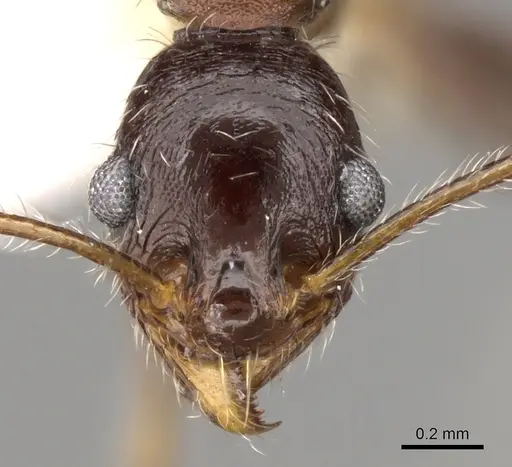
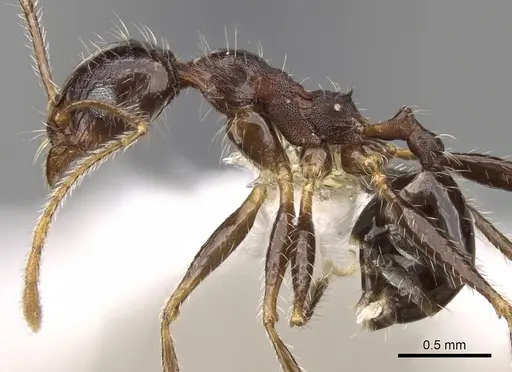
CASENT0281618
View on AntWeb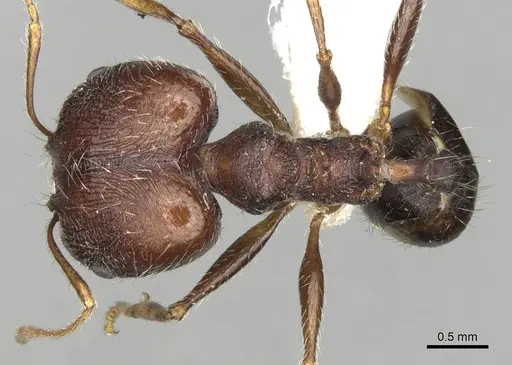
CASENT0281619
View on AntWeb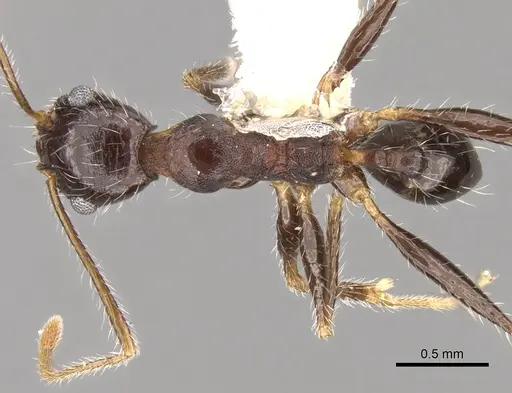
CASENT0904214
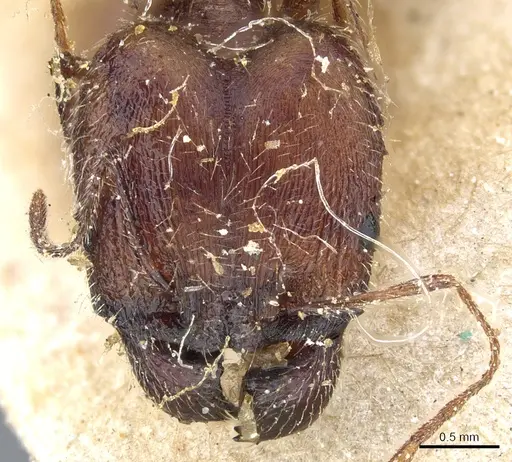
View on AntWeb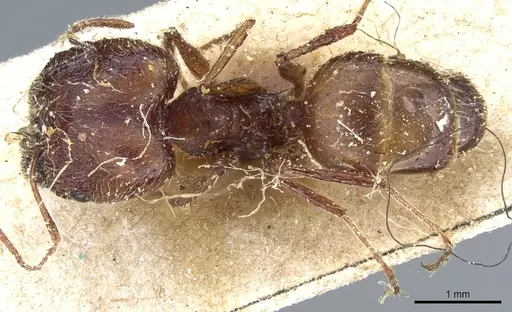
CASENT0904215
View on AntWeb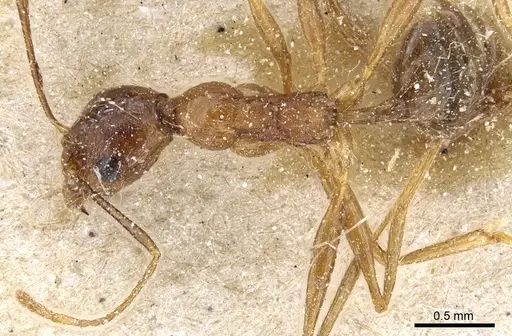
CASENT0904216
View on AntWeb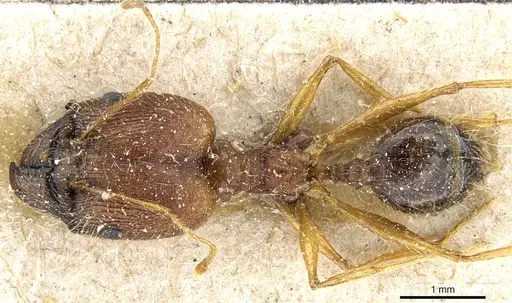
CASENT0904217
View on AntWeb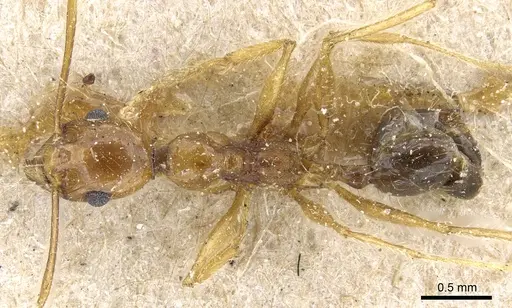
Literature
Loading distribution map...Loading products...