
Pheidole rochai
- Sci. Name
- Pheidole rochai
- Tribe
- Attini
- Subfamily
- Myrmicinae
- Author
- Forel, 1912
- Distribution
- Found in 5 countries
Introduction
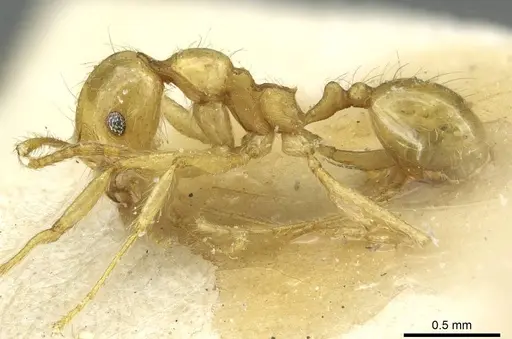
Pheidole rochai is a small yellow ant from the diligens group, native to Brazil and French Guiana. Workers have two castes: majors and minors, but body size data is unavailable . The body is mostly smooth and shiny with sculpturing on the head and abundant erect hairs. This species belongs to the tribe Attini, which includes seed-harvesting ants. Little is known about their biology, but they are recorded in seasonally dry tropical forest in northeastern Brazil .
Quick Summary
- Difficulty: Hard
- Origin & Habitat: Neotropical region, Brazil (Ceará, Bahia) and French Guiana, found in seasonally dry tropical forest [2].
- Colony Type: Unconfirmed, colony structure has not been documented in scientific literature
- Size & Growth:
- Queen: size data unavailable
- Worker: size data unavailable
- Colony: Unknown, no colony size data available
- Growth: Unknown, no development data available
- Development: Estimated 6-10 weeks based on typical Pheidole genus patterns [1] (This is a genus-level estimate, as no species-specific data exists.)
- Antkeeping:
- Temperature: Based on tropical distribution, likely 24-28°C [1]
- Humidity: Provide a humidity gradient based on seasonally dry forest habitat, keep nest substrate moist but not waterlogged [2][1]
- Diapause: Unknown, no data on overwintering requirements
- Nesting: Based on genus patterns, likely prefer enclosed nests with moist substrate [1]
- Behavior: Based on Pheidole genus patterns, majors may defend with stings, minors handle foraging and brood care. Escape risk is moderate due to small worker size, use standard barrier precautions [1].
- Common Issues: no biological data exists, care recommendations are based on genus-level patterns rather than species-specific research [1], colony may fail if conditions don't match unknown natural requirements, slow growth typical of Pheidole can frustrate beginners [1], wild-caught colonies may have parasites or diseases not yet documented for this species
Species Identification and Appearance
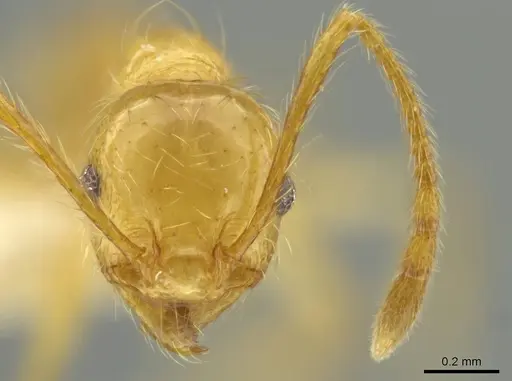
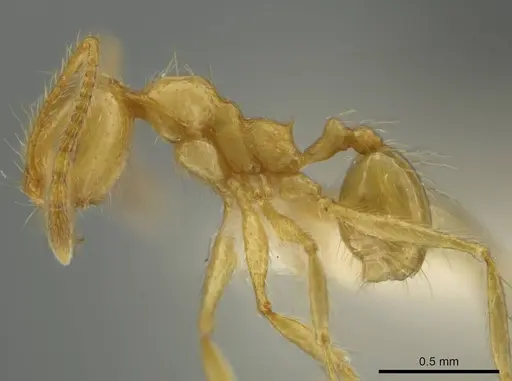
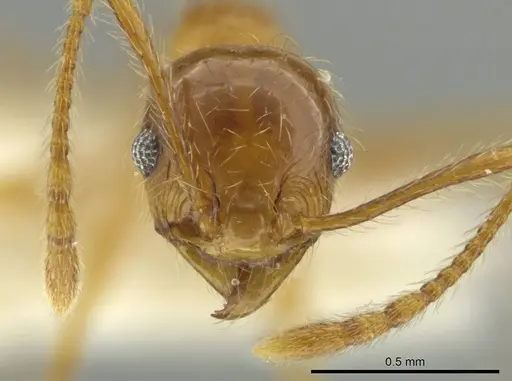
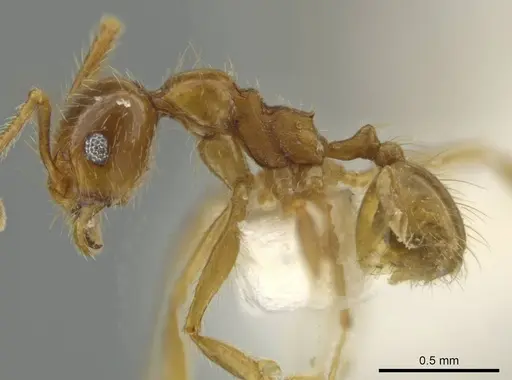
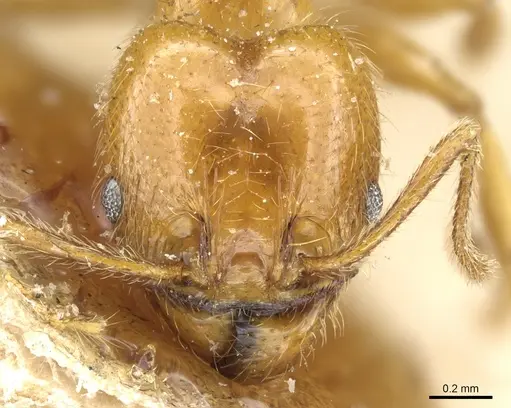
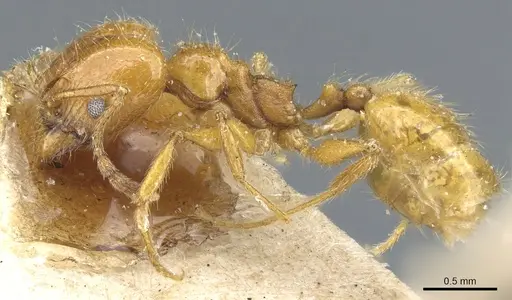
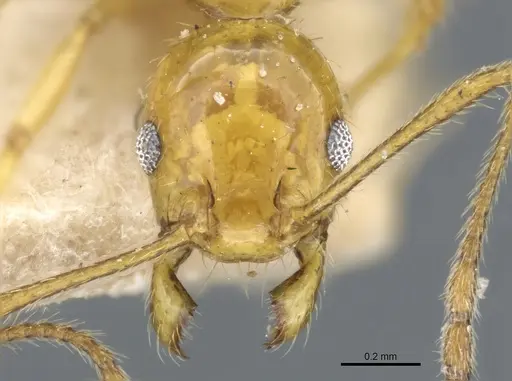
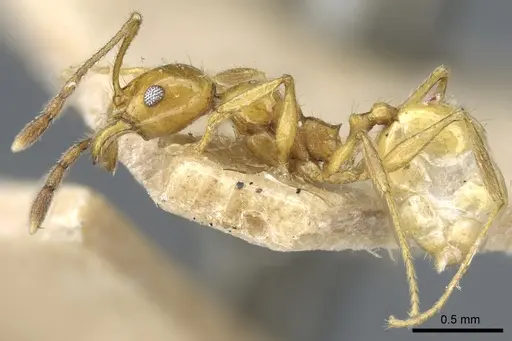
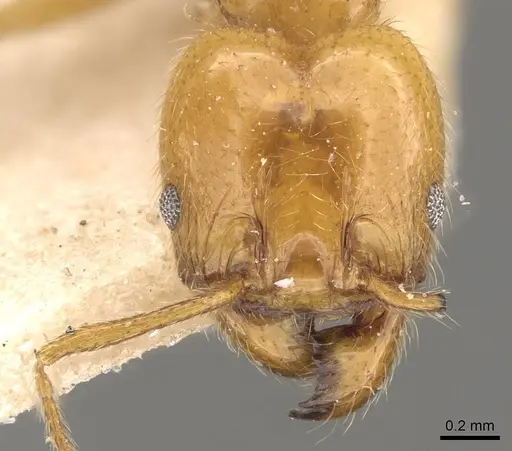
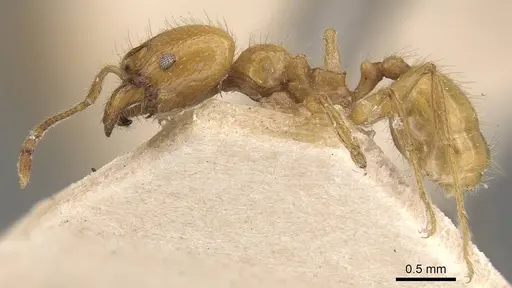
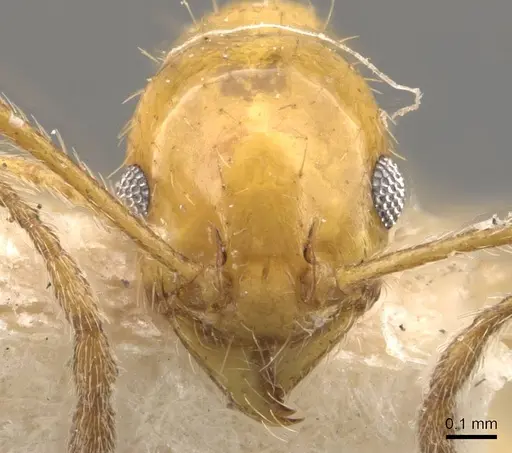
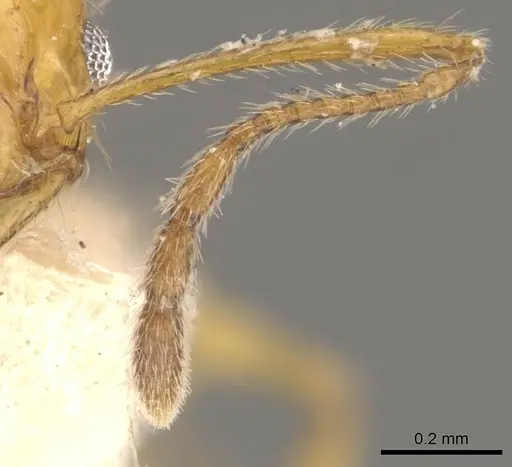
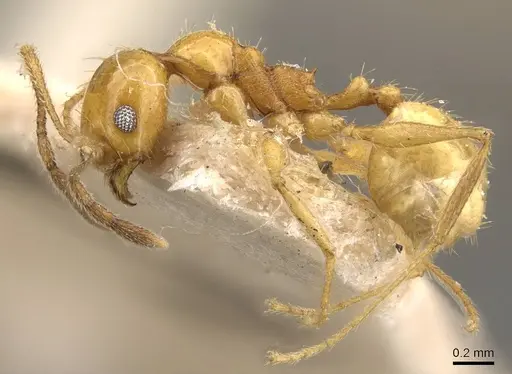
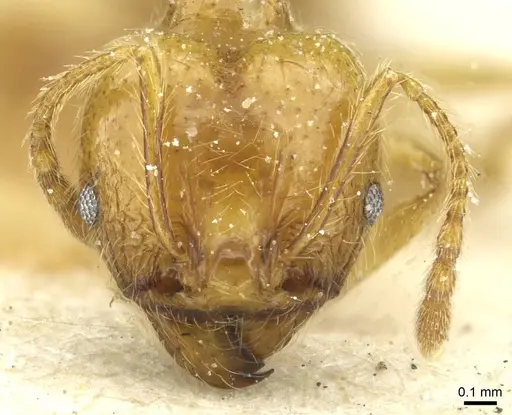
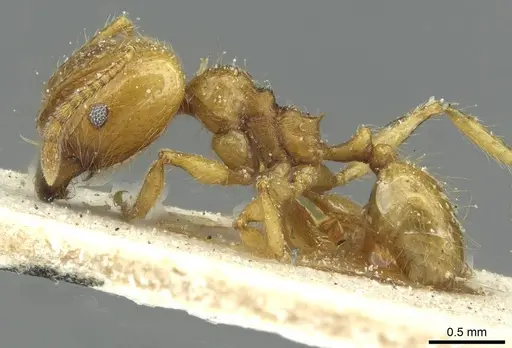
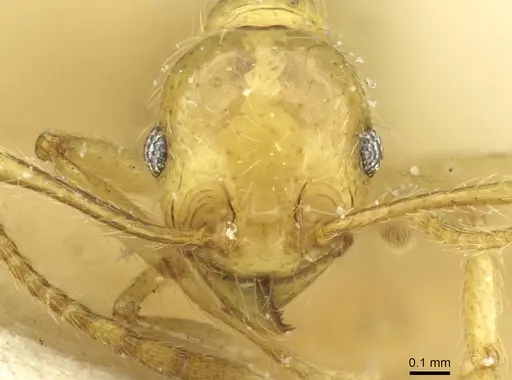
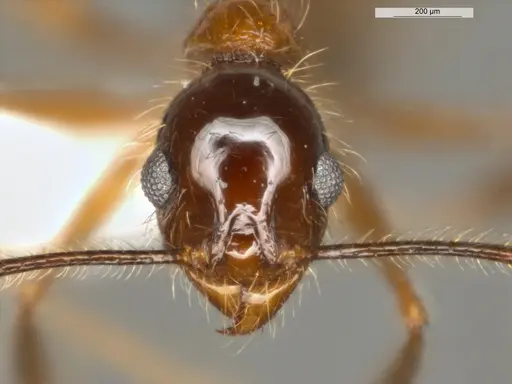
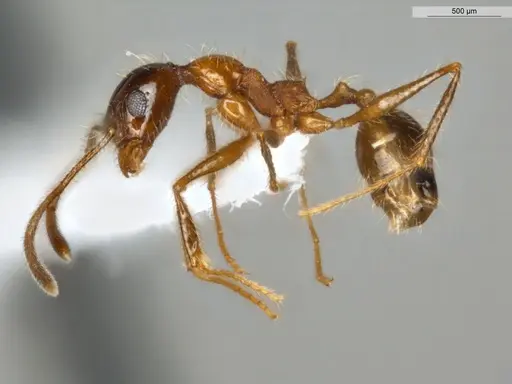
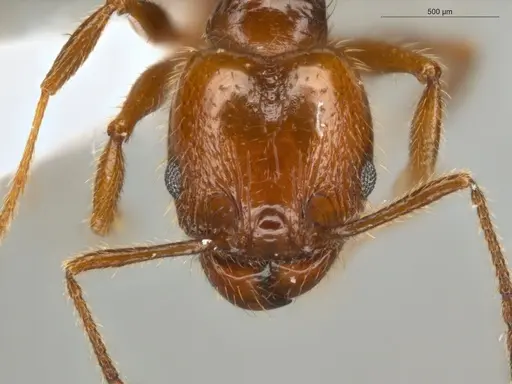
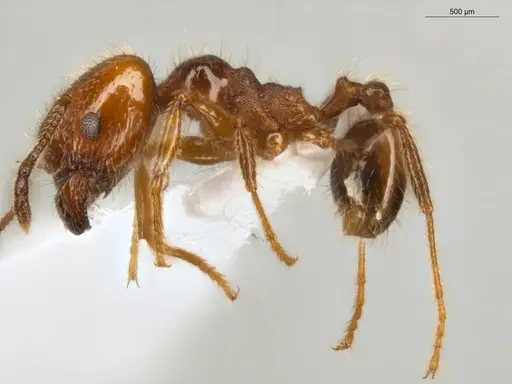
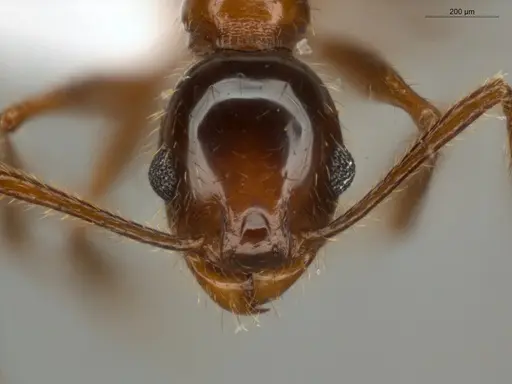
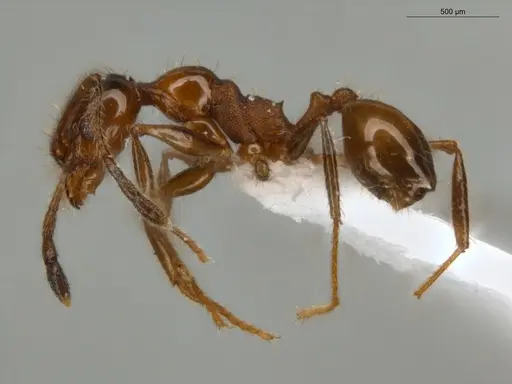
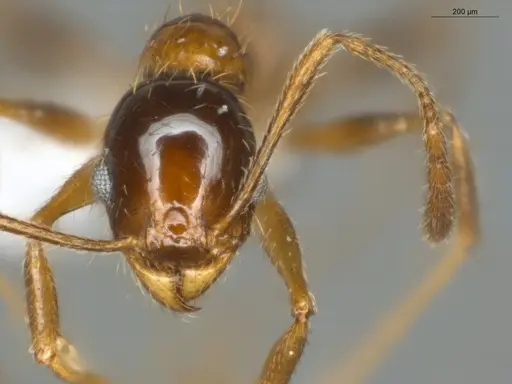
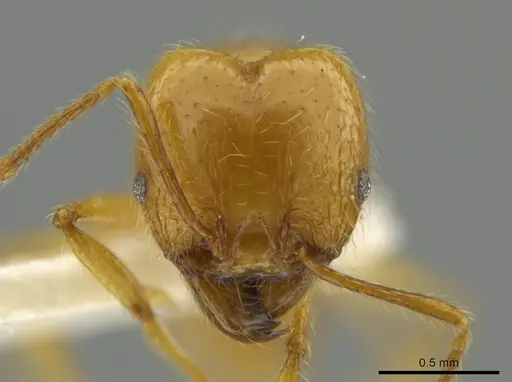
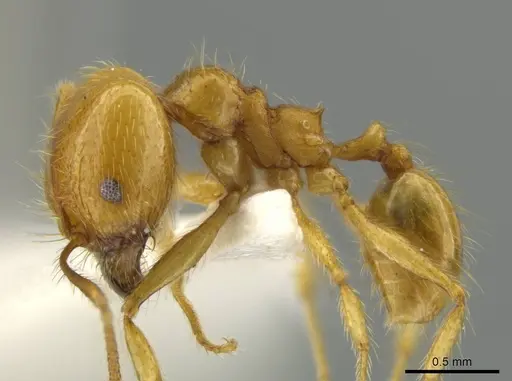
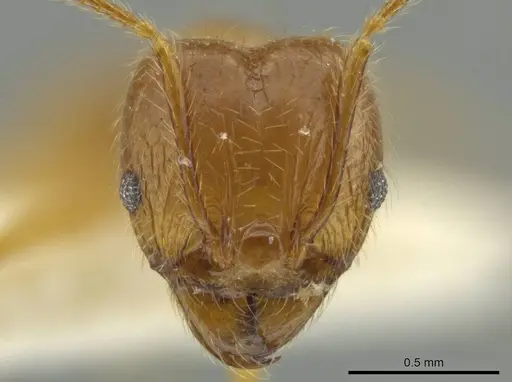
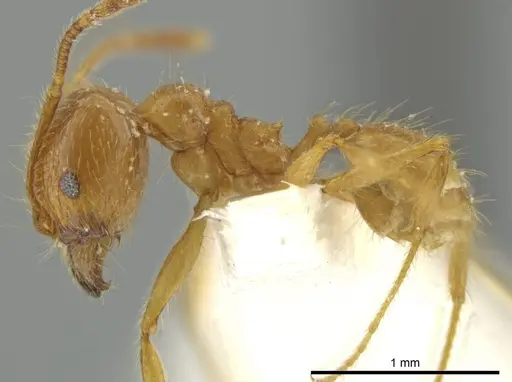
Pheidole rochai is a small yellow ant with majors having a moderately prominent mesonotal convexity and short propodeal spines. The body is mostly smooth and shiny, with sculpturing on the head limited to eye level and anterior, composed of longitudinal carinulae. Both castes are concolorous yellow [1].
Distribution and Habitat
This species is known from Ceará and Bahia in Brazil, and French Guiana. It is recorded in seasonally dry tropical forest, specifically in Boa Vista do Tupim, Bahia [2]. Unconfirmed reports from Paraguay exist but are not verified [1].
Nest Preferences and Housing
Based on genus patterns, these ants likely prefer enclosed nests with moist substrate. Start with a test tube setup for founding colonies. Once established, use Y-tong or plaster nests with humidity control [1].
Feeding and Diet
As members of the Attini tribe, they likely eat seeds, small insects, and honeydew. Offer a mix of seeds, insects, and sugar water, but remove uneaten food promptly [1].
Temperature and Seasonal Care
Keep temperatures around 24-28°C based on tropical distribution. Avoid prolonged temperatures below 20°C. Provide a temperature gradient using a heating cable [1].
Colony Development and Growth
No specific development timeline exists. Based on typical Pheidole patterns, first workers may emerge in 6-10 weeks under optimal conditions. Growth is slow, with colonies stabilizing after several months [1].
Frequently Asked Questions
How long does it take for Pheidole rochai to produce first workers?
Unconfirmed for this species. Based on typical Pheidole genus patterns, estimated 6-10 weeks at optimal temperature [1].
What do Pheidole rochai ants eat?
Likely seeds, small insects, and honeydew, based on Attini tribe habits [1].
Can I keep multiple queens together?
Not recommended, as colony structure is unconfirmed and Pheidole species often show aggression when queens are combined [1].
What temperature should I keep Pheidole rochai at?
Aim for 24-28°C based on tropical distribution, with a slight gradient [1].
How big do Pheidole rochai colonies get?
Colony size is unknown, but most Pheidole colonies reach several hundred workers over time [1].
Do they need hibernation or diapause?
Unknown, no data exists, but tropical distribution suggests no strong diapause [1].
Are Pheidole rochai good for beginners?
Difficulty is hard due to lack of species-specific data, experience with Pheidole genus may help [1].
When should I move them to a formicarium?
Keep in test tubes until 30-50 workers, then transfer to a Y-tong or plaster nest with moist substrate [1].
Why is there so little information about this species?
Pheidole rochai is poorly documented, with no focused biological studies, care is based on genus-level patterns [1].
Report an Issue
The current care sheet is based fully on literature. See inconsistencies, or something that's incorrect? Please , it will be resolved after review from an admin. Contributing to the blogs tab also helps providing information, to make us be able to further improve the caresheets. Thank you for your support!
References

This caresheet is licensed under CC BY-SA 4.0 .
Community Blogs
CASENT0645828
View on AntWeb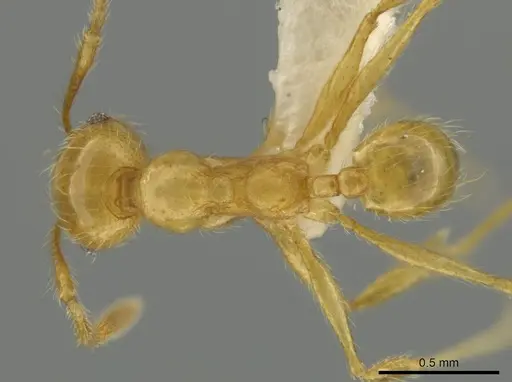
CASENT0645891
View on AntWeb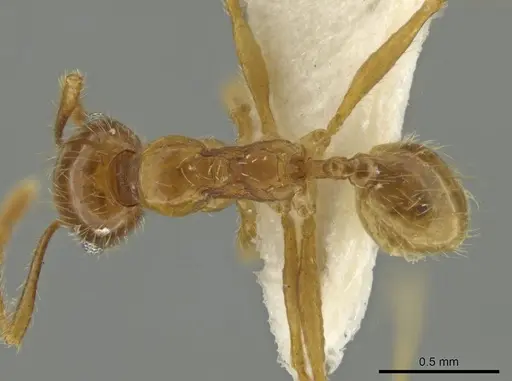
CASENT0904392
View on AntWeb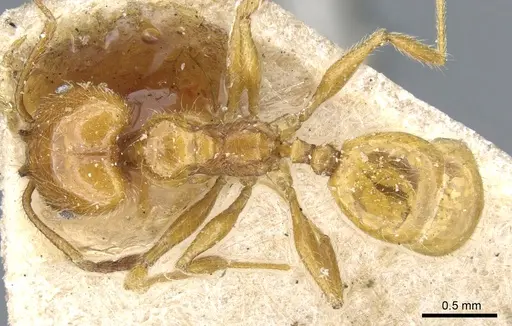
CASENT0904393
View on AntWeb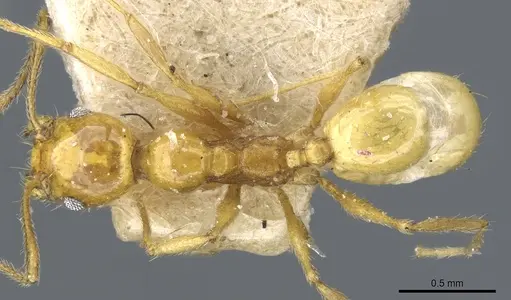
CASENT0908224
View on AntWeb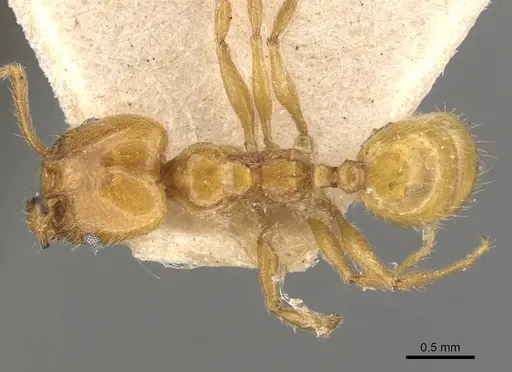
CASENT0908225
View on AntWeb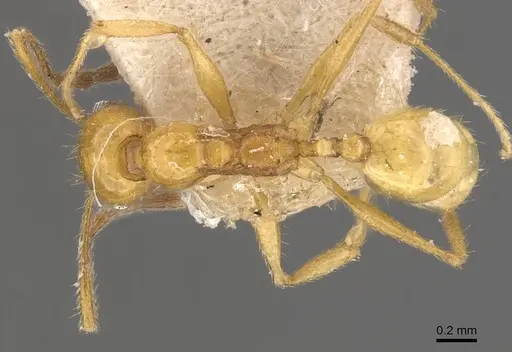
CASENT0913344
View on AntWeb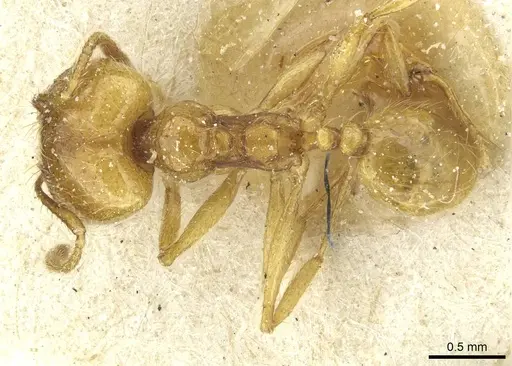
CASENT0913345
View on AntWeb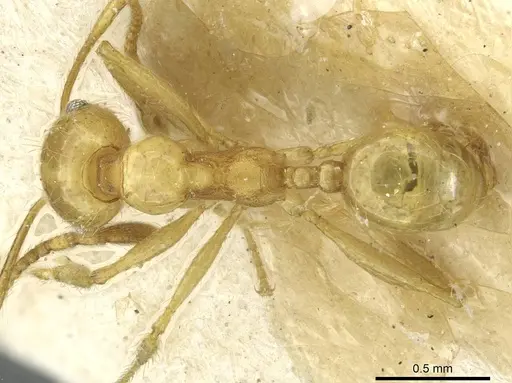
ECOFOG-MI15-0402-08
View on AntWeb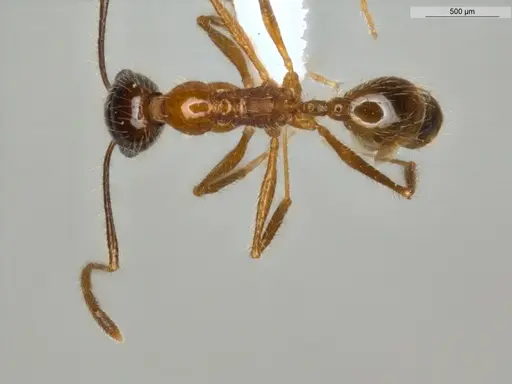
ECOFOG-PAT19-0015-02-S
View on AntWeb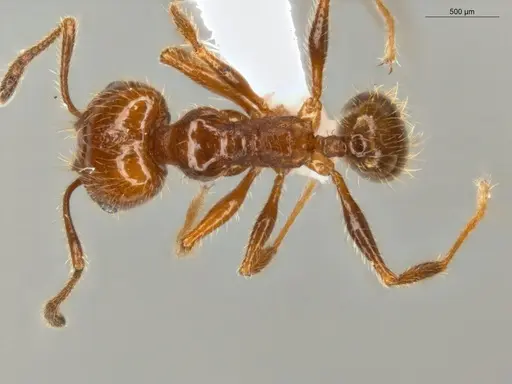
ECOFOG-PAT19-0015-02
View on AntWeb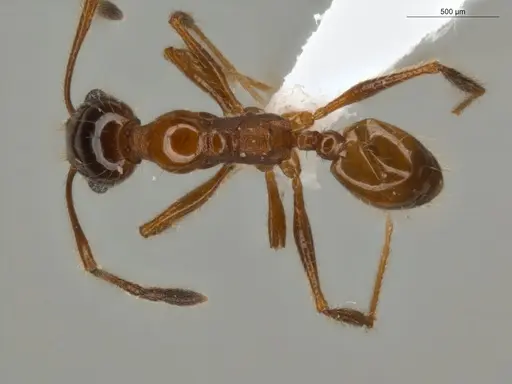
ECOFOG-SG17-0048-07
View on AntWeb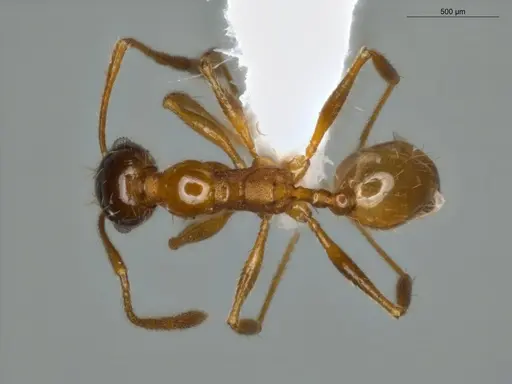
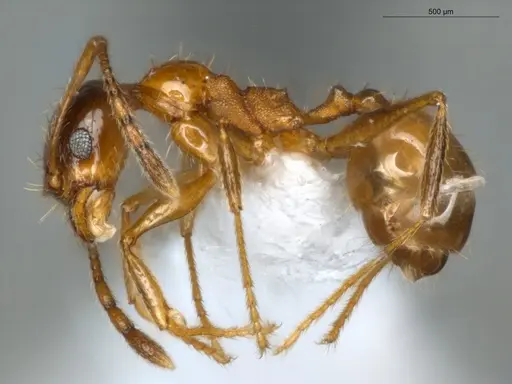
JTLC000015209
View on AntWeb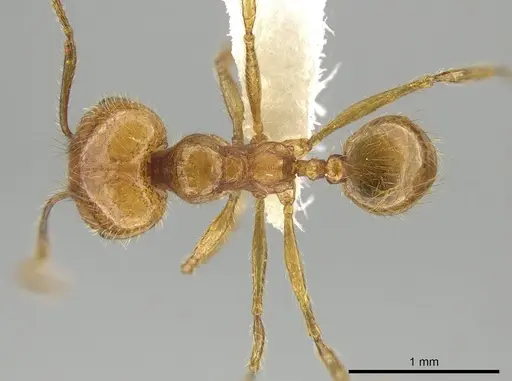
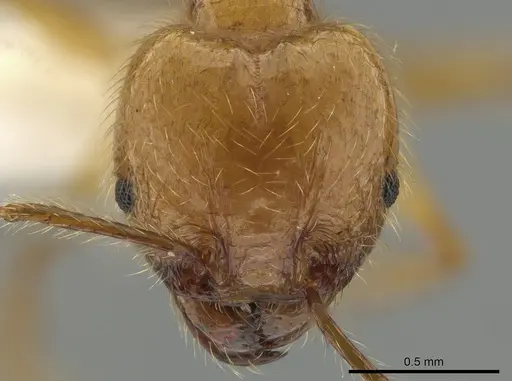
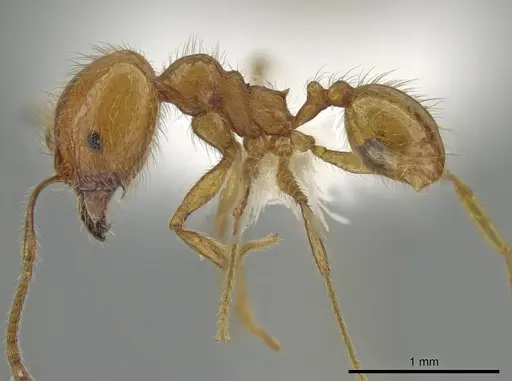
JTLC000016453
View on AntWeb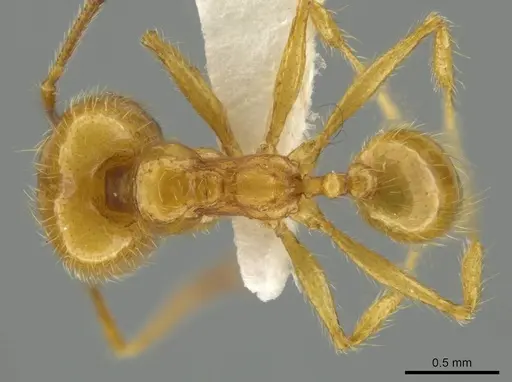
JTLC000016570
View on AntWeb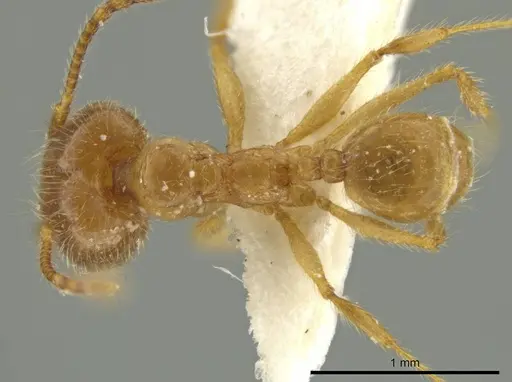
Literature
Loading distribution map...Loading products...