
Pheidole riveti
- Sci. Name
- Pheidole riveti
- Tribe
- Attini
- Subfamily
- Myrmicinae
- Author
- Santschi, 1911
- Distribution
- Found in 1 countries
Introduction
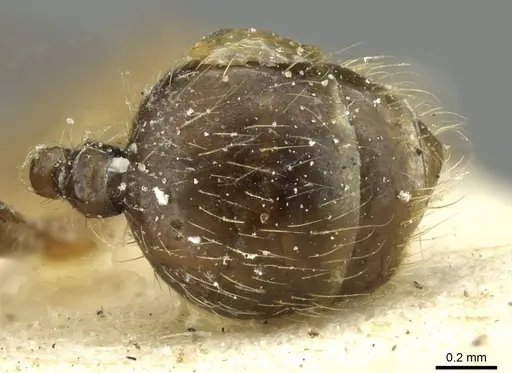
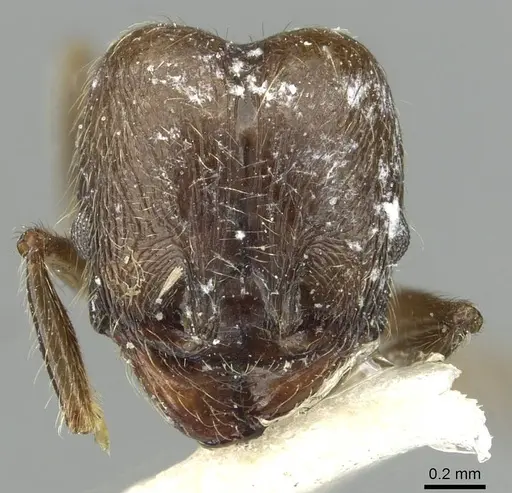
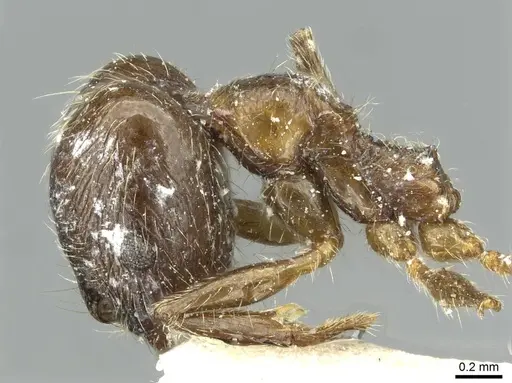
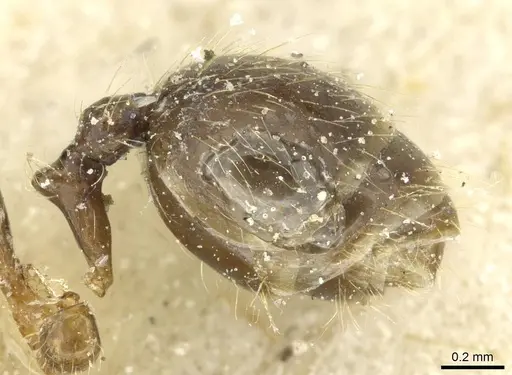
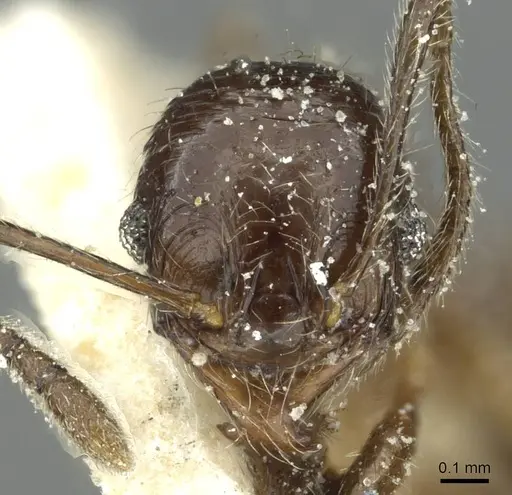
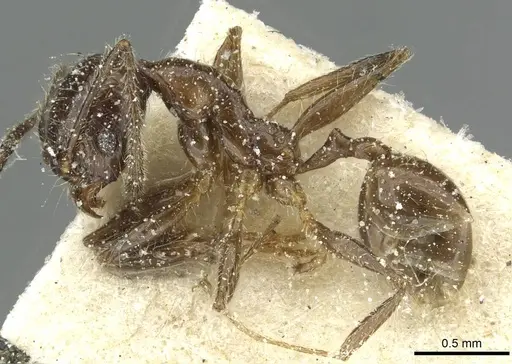
Pheidole riveti is a small Neotropical ant species native to the high-altitude regions of Colombia and Ecuador. Major workers are light brown, while minor workers are medium brown with distinctive 'tiger-striped' markings on the head. The species has been collected at elevations between 2600-3000m in the Andes, indicating it prefers cooler mountain conditions . It was originally described from Ecuador and later found in Colombia's Cundinamarca region near Bogotá .
Quick Summary
- Difficulty: Medium
- Origin & Habitat: High-altitude Neotropical region of Colombia and Ecuador (2600-3000m elevation) [1][2]
- Colony Type: Colony structure is unconfirmed, no specific data on queen number or social structure for Pheidole riveti
- Size & Growth:
- Queen: Size data unavailable
- Worker: Size data unavailable
- Colony: Unknown
- Growth: Moderate, inferred from Pheidole genus patterns
- Development: Estimated 6-10 weeks based on typical Pheidole development (Development time is estimated from typical Pheidole species)
- Antkeeping:
- Temperature: Keep cool at 18-22°C, based on high-altitude habitat [1]
- Humidity: Keep nest substrate lightly moist but allow some drying between waterings, inferred from moderate humidity needs
- Diapause: Likely yes, reduce temperature to 12-15°C for 2-3 months during winter [1]
- Nesting: Test tube setups for founding colonies, Y-tong or plaster nests with small chambers for established colonies, based on genus patterns
- Behavior: Generally peaceful foragers, based on Pheidole genus patterns. Minor workers are small, so use fine mesh for escape prevention.
- Common Issues: high-altitude origin may cause sensitivity to warm temperatures, small worker size requires adequate escape prevention, limited species-specific information requires careful observation
Nest Preferences
In their natural high-altitude habitat, Pheidole riveti likely nests in soil or under stones in the cool, damp Andean environment. For captive care, test tube setups work well for founding colonies, the queen seals herself in a water-filled test tube with a cotton plug, creating a stable micro-environment. For established colonies, Y-tong or plaster nests with small chambers suit their tiny workers. Maintain light moisture in the nest material without flooding [3].
Feeding and Diet
Pheidole species are generalists that harvest seeds and hunt small insects in the wild. For captive colonies, offer a varied diet: protein sources like small fruit flies or mealworm pieces 2-3 times weekly, and carbohydrate sources like sugar water or honey occasionally. Remove uneaten protein within 24-48 hours to prevent mold [3].
Temperature and Seasonal Care
Being from 2600-3000m elevation in the Andes, they are adapted to cool, stable conditions. Keep the nest at 18-22°C year-round, avoid warm rooms. During winter, reduce temperatures to 12-15°C for a 2-3 month diapause period [1].
Colony Founding
Founding behavior is unconfirmed for this species. Do not disturb a founding queen or offer food during the early stages. Once workers emerge, begin offering tiny food items [3].
Behavior and Temperament
Pheidole riveti is generally peaceful and non-aggressive toward keepers. Minor workers are quite small, so use fine mesh on any outworld connections to prevent escapes. Colonies maintain moderate activity levels [3].
Frequently Asked Questions
How long does it take for Pheidole riveti to get first workers?
Expect 6-10 weeks from egg to first worker at optimal temperature, based on typical Pheidole development [3].
What temperature do Pheidole riveti ants need?
Keep them cool at 18-22°C, based on their high-altitude origin [1].
What do Pheidole riveti ants eat?
They are generalists, offer protein like small insects and carbohydrates like sugar water [3].
How big do Pheidole riveti colonies get?
The maximum colony size is unknown for this species.
Do Pheidole riveti need hibernation?
Likely yes, as a high-elevation species, they may require a cool period during winter [1].
Can I keep multiple Pheidole riveti queens together?
Not recommended, as specific data does not exist and Pheidole species are typically single-queen colonies.
What size nest do Pheidole riveti need?
For founding, use test tube setups, for established colonies, use Y-tong or plaster nests with small chambers [3].
Is Pheidole riveti good for beginners?
Medium difficulty, the main challenge is maintaining cool temperatures year-round [1].
Where is Pheidole riveti found?
This species is native to high-altitude regions of Colombia and Ecuador in the Andes Mountains, collected at elevations between 2600-3000m [1][2].
Report an Issue
The current care sheet is based fully on literature. See inconsistencies, or something that's incorrect? Please , it will be resolved after review from an admin. Contributing to the blogs tab also helps providing information, to make us be able to further improve the caresheets. Thank you for your support!
References

This caresheet is licensed under CC BY-SA 4.0 .
Community Blogs
CASENT0913420
View on AntWeb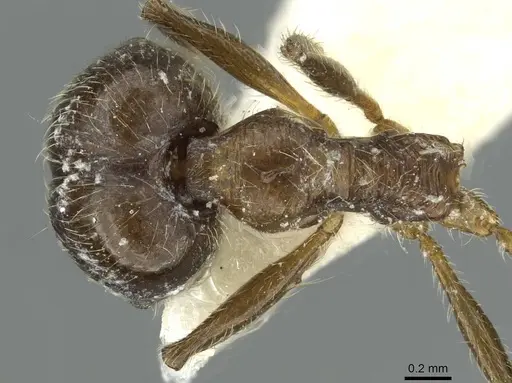
CASENT0913421
View on AntWeb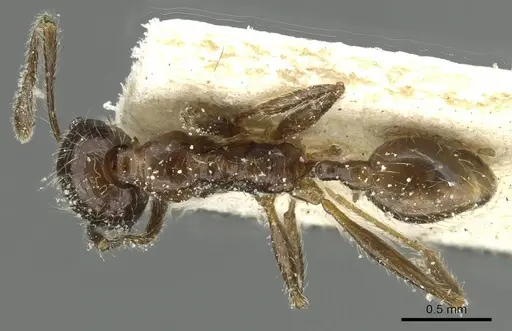
Literature
Loading distribution map...Loading products...