Pheidole rhea shows a June to August flight window. Peak activity occurs in July, with nuptial flights distributed across 3 months.
Pheidole rhea
- Sci. Name
- Pheidole rhea
- Tribe
- Attini
- Subfamily
- Myrmicinae
- Author
- Wheeler, 1908
- Distribution
- Found in 2 countries
- Nuptial Flight
- From June to August
- Peak flight Time
- 07:00
AI Identifiable
try →
Introduction
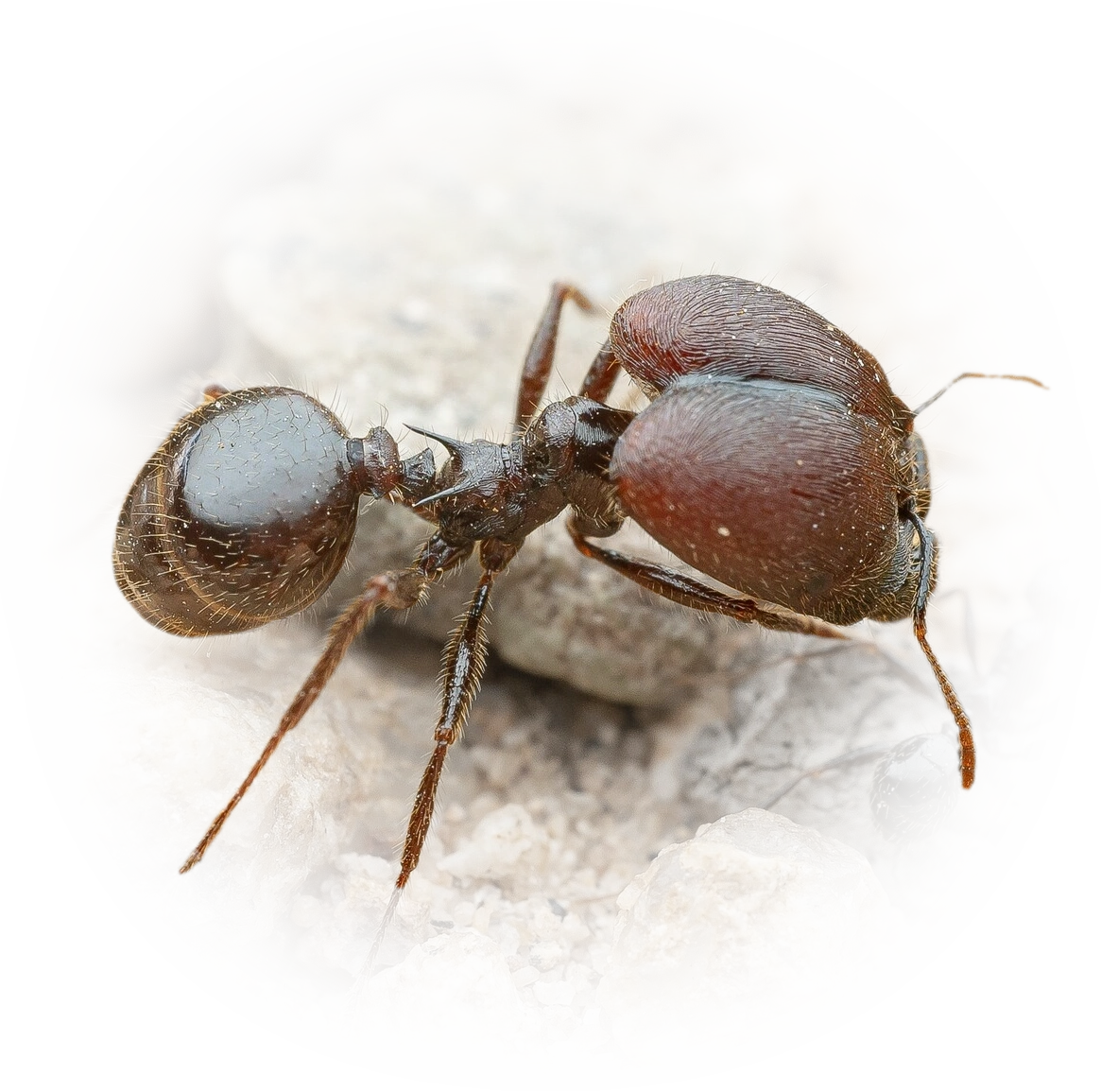
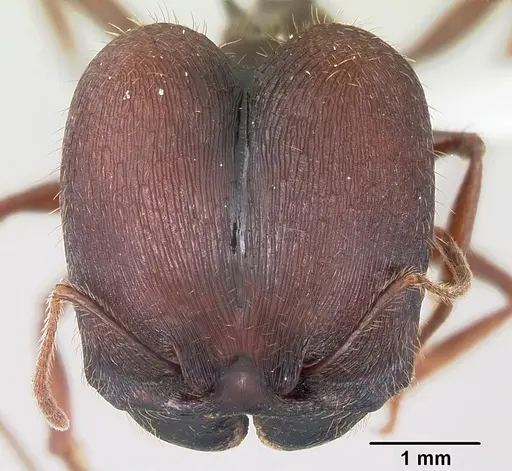
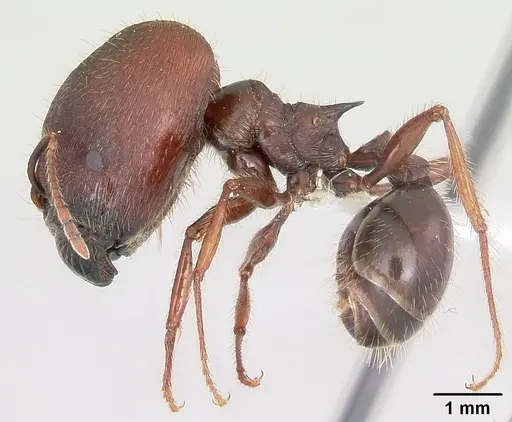
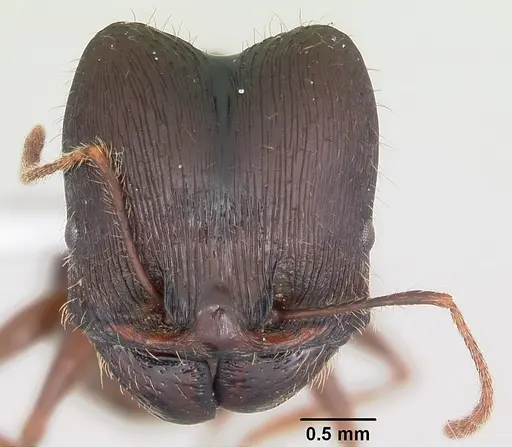
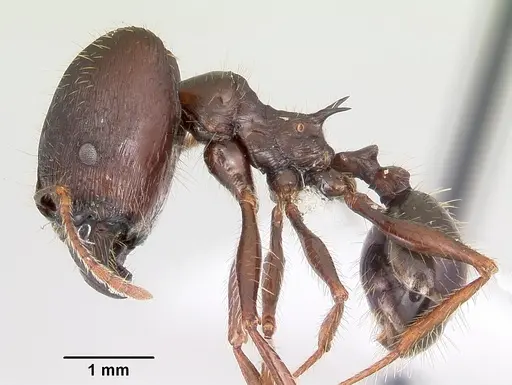
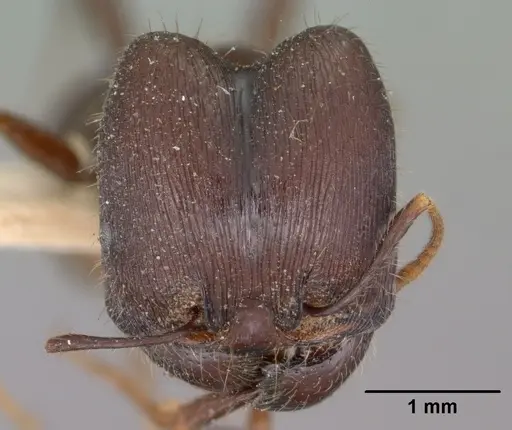
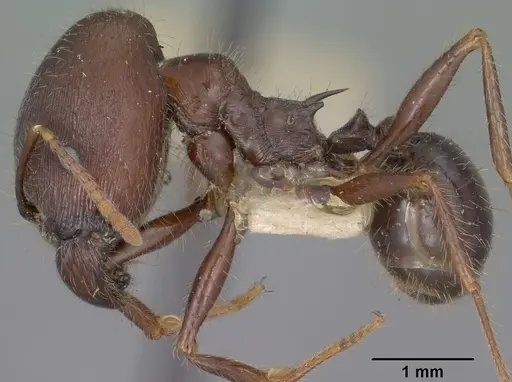
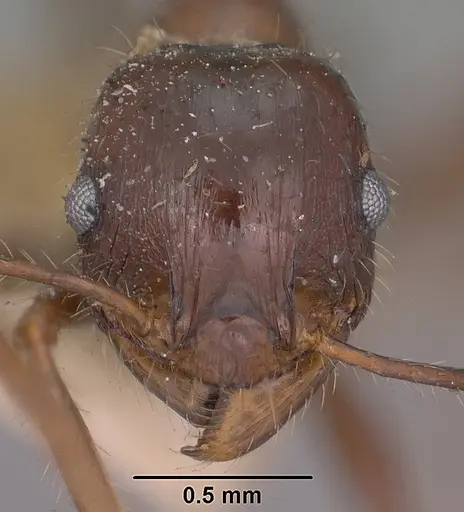
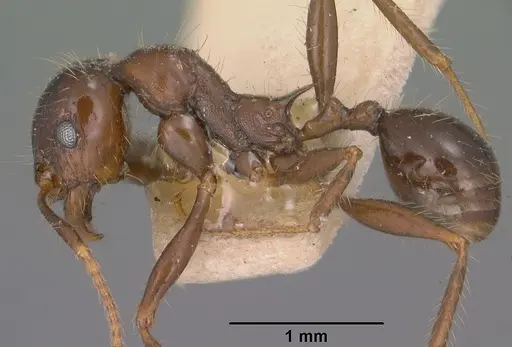
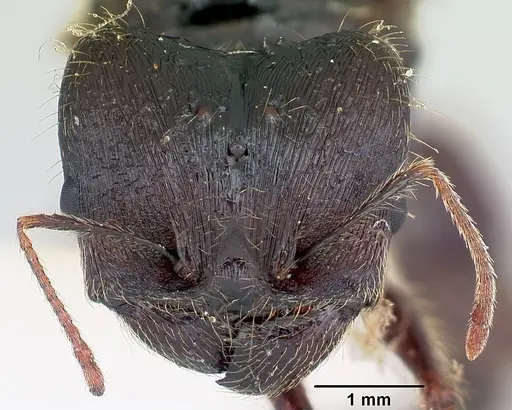
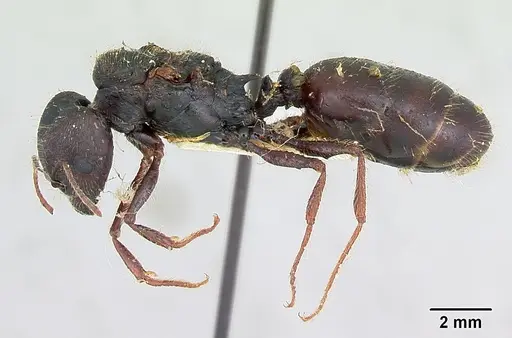
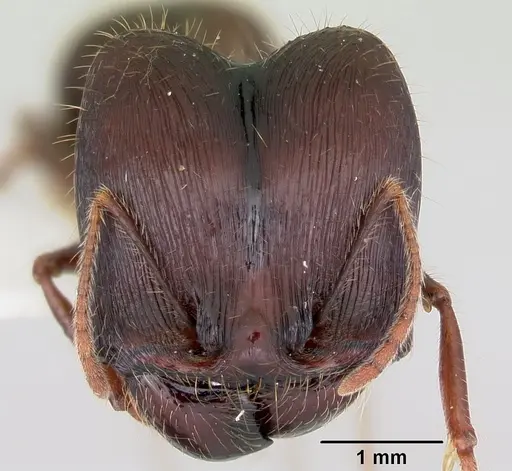
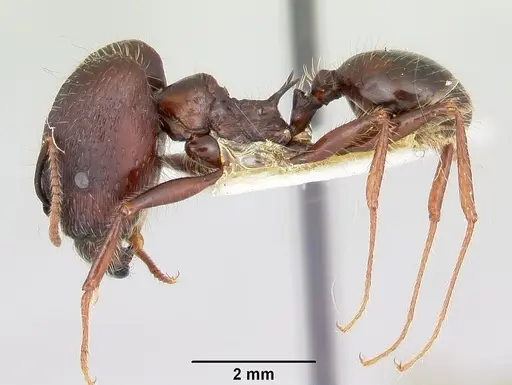
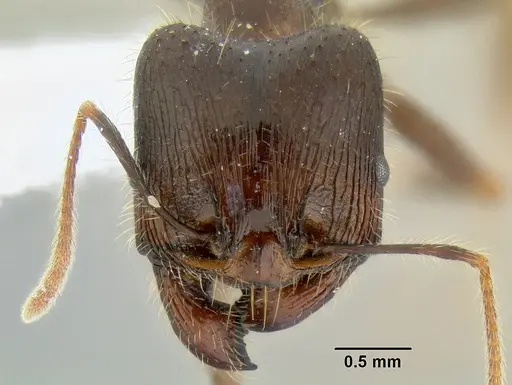
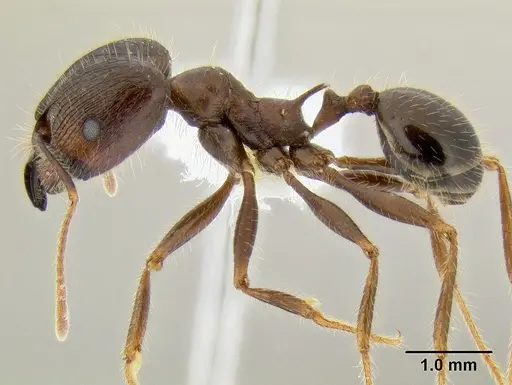
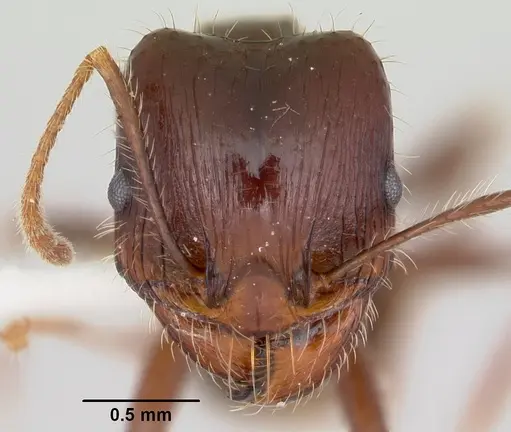
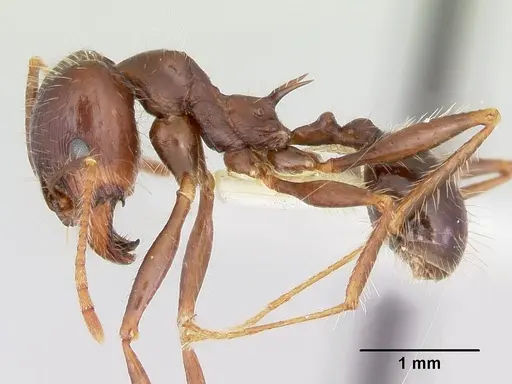
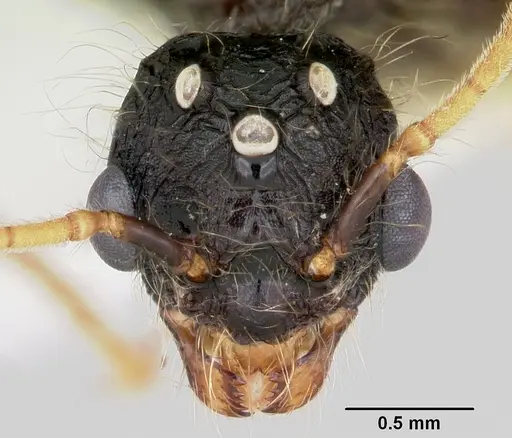
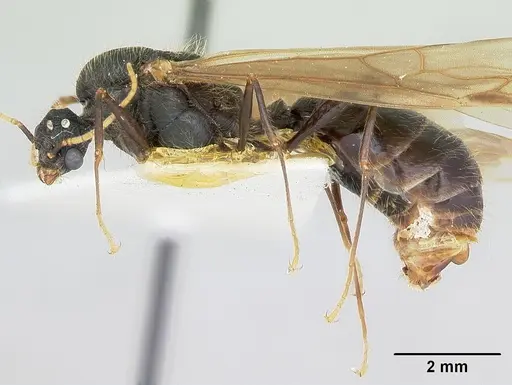
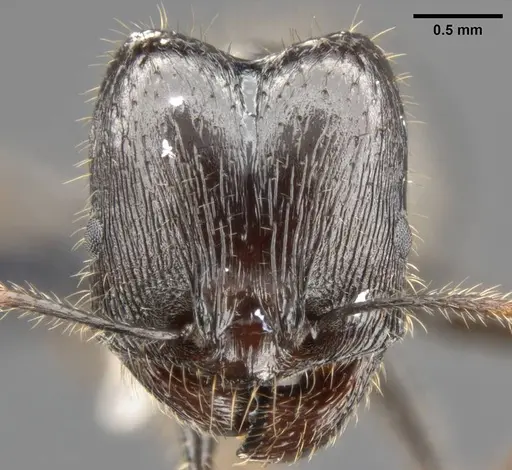
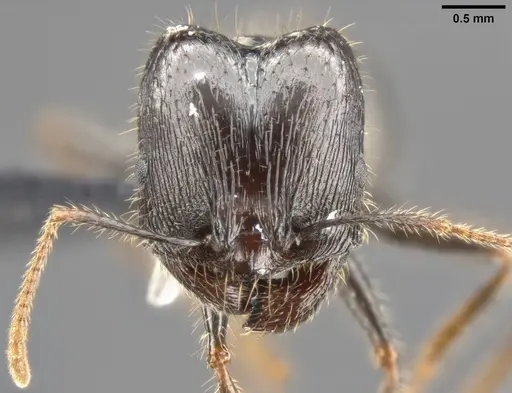
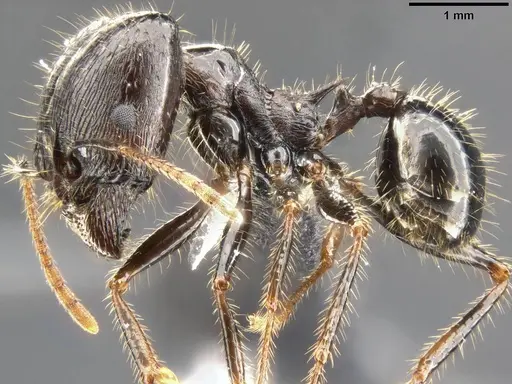
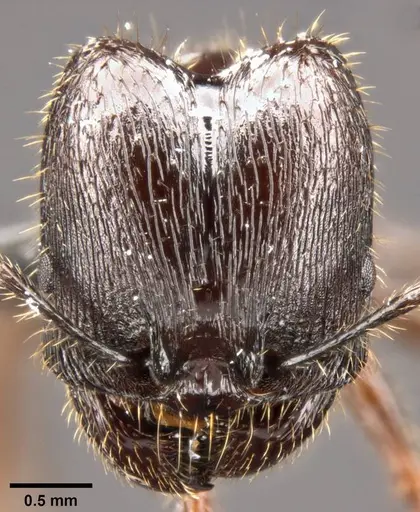
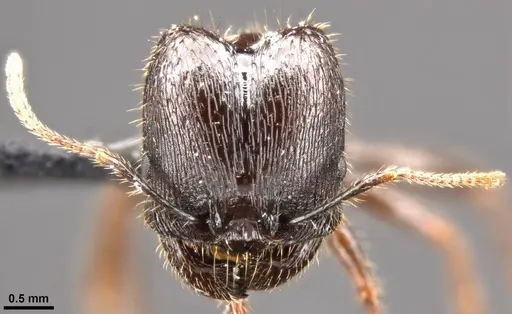
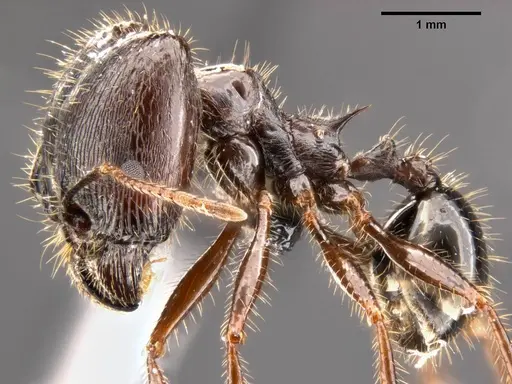
Pheidole rhea is a large, trimorphic ant species with three distinct worker castes: minors, soldiers, and supersoldiers. It is native to the American Southwest (Arizona, New Mexico) and Mexico, found at elevations between 1100 and 2100 meters in mountainous foothills and plateaus . Queens and workers vary in size, with minors being tiny and majors having enlarged heads for specialized tasks . What makes P. rhea special is its extreme polymorphism, where soldiers and supersoldiers handle processing large seeds and defending the nest, while minors do most foraging . Colonies can grow enormous, with well-developed trunk-trail systems for foraging .
Quick Summary
- Difficulty: Medium
- Origin & Habitat: Southern Arizona, New Mexico, and Mexico. Found on plateaus and foothills at 1100-2100m elevation in upland open and grassy slopes with rocky terrain [1][2][4].
- Colony Type: Monogyne (single queen) colonies with three worker castes: minor workers, soldiers, and supersoldiers. Queens are polyandrous, mating with 2-6 males [3].
- Size & Growth:
- Queen: Size data unavailable, inferred from Pheidole genus patterns
- Worker: Size data unavailable, castes vary from tiny minors to large supersoldiers [3]
- Colony: Up to 33,000 workers in mature colonies [3]
- Growth: Moderate to fast, colonies grow continuously without reaching stasis [3]
- Development: Estimated 6-8 weeks at optimal temperature based on related species, with nanitic soldiers appearing within first few months at 30°C [3] (Development is temperature-dependent. Lab colonies at 30°C showed rapid growth [3])
- Antkeeping:
- Temperature: Keep around 24-28°C. Lab colonies thrive at 30°C, but slightly cooler room temperature is suitable [3].
- Humidity: Moderate humidity is suitable, matching their upland habitat. Provide a water tube and keep nest substrate moist but not waterlogged [1].
- Diapause: Yes, based on temperate origin. Reduce temperature to 15-18°C for 2-3 months during winter and reduce feeding.
- Nesting: Soil nests or Y-tong nests work well. Provide a spacious outworld with multiple chambers for tunnel systems [1][3].
- Behavior: Aggressive defenders, all worker castes actively protect the nest. They are seed harvesters with trunk-trail foraging systems. Escape risk is moderate due to tiny minors, use fluon on connections [1][3].
- Common Issues: colonies take time to establish, patience required, tiny minors can escape, use fluon and fine mesh, overheating above 32°C is dangerous, large colonies need significant space, soldiers may get stuck in narrow passages
Nuptial Flight Activity Analysis 100 observations
Flight Activity by Hour 100 observations
Pheidole rhea nuptial flight activity peaks around 07:00 during the morning. Activity is spread across a 24-hour window (00:00–23:00). A secondary activity peak occurs around 09:00. Times may be influenced by human observation patterns.
Housing and Nest Setup
Pheidole rhea needs space to accommodate their large colony size and three worker castes. Soil nests or Y-tong nests with multiple chambers work well, or you could use a naturalistic setup with a formicarium connected to a large outworld. The key is providing enough vertical space for their extensive tunnel systems, these ants naturally create complex underground nests [1][3].
For founding colonies, a standard test tube setup works fine. Once you have 20-30 workers, transition to a proper nest. The minors are tiny, so any connections between tubes or to the outworld need to be sealed with fluon to prevent escapes. The majors with their massive heads can actually get stuck in narrow passages, keep tunnels at least 3-4mm wide [1].
The outworld should be spacious since they maintain trunk-trail systems. A 20x20cm or larger foraging area is appropriate for a growing colony. Provide a deep substrate layer if using a naturalistic setup, as they like to dig [3].
Feeding and Diet
Pheidole rhea is a seed harvester, they collect and cache large quantities of seeds in their nests [1][5]. Offer a variety of seeds (millet, sunflower, grass seeds) as a constant food source. They'll store these in chambers just like wild colonies do.
Protein is also important, especially for raising brood. They are active predators in the wild, so offer small insects like fruit flies, small crickets, and mealworms. The research shows that soldiers are specifically recruited for processing larger prey items, the larger the food item, the bigger the soldiers that respond [3].
Sugar water or honey can be offered occasionally, but this species is primarily granivorous. Feed seeds constantly and protein 2-3 times per week. Remove uneaten seeds periodically to prevent mold.
Temperature and Seasonal Care
These ants come from elevations of 1100-2100m in the American Southwest, so they're adapted to temperate conditions with seasonal variation. Lab colonies have been successfully kept at 30°C [3], but a more moderate 24-28°C is ideal for long-term keeping.
During winter, you should reduce temperatures to simulate their natural cycle. A period of cooler temperatures (15-18°C) for 2-3 months during winter months helps maintain natural colony rhythms. Reduce feeding during this period, the colony will be less active.
Avoid temperatures above 32°C as this can stress and kill colonies. If your room is warm in summer, ensure good ventilation and consider moving the colony to a cooler location. A heating cable on one side of the nest can create a gradient if your room runs cool, but always provide unheated areas for the ants to regulate their temperature.
Understanding the Three Worker Castes
Pheidole rhea has a trimorphic worker system, they have three distinct worker castes rather than the typical two [3]. The minors are tiny and handle most foraging and routine tasks. The soldiers have massively enlarged heads and are specialized for seed processing and colony defense. The supersoldiers are the largest caste.
Research shows that soldiers and supersoldiers don't have significantly different brain anatomy or behavior, they perform similar tasks but with different efficiency [6]. The larger soldiers are recruited for harder tasks: processing large seeds and handling live prey. When a large food item is discovered, the colony adjusts which soldier sizes respond based on how much processing is needed [3].
This polymorphism is driven by genetics, different patrilines (fathers) tend to produce workers of different sizes, and the queen's multiple mates (polyandry) directly increases the colony's degree of polymorphism [3].
Colony Growth and Development
Growing a Pheidole rhea colony requires patience, especially to see the impressive major workers. The first generation (nanitics) will be small soldiers and minors within 2-3 months under good conditions. However, the full polymorphism develops over time, soldier size continues to increase throughout the colony's life and doesn't reach a fixed stasis [3].
A mature colony can reach 33,000 workers, with the caste ratio remaining roughly stable: about 98.5% minors,1.2% soldiers, and 0.3% supersoldiers [3]. The soldiers are expensive to produce in terms of biomass, they represent only 11% of total worker biomass despite making up about 1.5% of the population.
Because they allocate so many resources to producing minor workers first, colonies appear to prioritize rapid population growth over soldier production. This makes biological sense, more minors means more foragers and workers to gather resources for the colony to grow larger overall.
Behavior and Defense
Pheidole rhea is an aggressive species, all three worker castes actively defend the nest [1]. When threatened, you'll see a coordinated defense response with majors and supersoldiers joining the minors in attacking the intruder. Their sting is minor but can be irritating, and some keepers report mild discomfort.
Foraging is primarily done by minors, with larger castes rarely leaving the nest except for defense or major food processing [1]. They use well-developed trunk-trail systems, visible paths where ants repeatedly travel between the nest and food sources. This is one of the most advanced foraging systems in ants.
A quirky behavior: the majors have such heavy heads that they can become physically stuck in narrow passages, ending up with their heads pressed down and legs kicking in the air [1]. This is normal and they usually free themselves, but it's a reminder to provide appropriately sized passages.
Frequently Asked Questions
How long does it take for Pheidole rhea to develop first major workers?
First major (soldier) workers typically appear within 2-3 months under optimal conditions (around 28-30°C). However, the full size range of majors and supersoldiers develops over 6-12 months as the colony grows [3].
What do Pheidole rhea ants eat?
They are primarily seed harvesters, offer various seeds like millet, sunflower, and grass seeds. They also need protein from insects like fruit flies, small crickets, or mealworms. Seeds should be available constantly, protein 2-3 times weekly [1][5].
How big do Pheidole rhea colonies get?
Mature colonies can reach up to 33,000 workers. They are one of the largest Pheidole species in North America [3].
What temperature is best for Pheidole rhea?
Keep them at 24-28°C. Lab colonies have been successfully kept at 30°C, but slightly cooler room temperature is suitable. Avoid temperatures above 32°C [3].
Are Pheidole rhea good for beginners?
They are intermediate in difficulty. The main challenges are their long development time (patience required), need for space as colonies grow, and escape prevention due to tiny minors. Experienced antkeepers will have more success with this species.
Do Pheidole rhea need hibernation?
Given their temperate/mountain origin (1100-2100m elevation), a winter rest period is recommended. Reduce temperature to 15-18°C for 2-3 months during winter and reduce feeding.
Why are my Pheidole rhea soldiers so small?
Soldier size increases over the lifetime of the colony, younger colonies produce smaller soldiers. As the colony grows and ages, larger supersoldiers will appear. This is normal development [3].
Can I keep multiple Pheidole rhea queens together?
No. This species is monogyne, single queen colonies. Lab-reared colonies confirm they establish with one queen, and multiple queens would fight [3].
When should I move Pheidole rhea to a formicarium?
Move them once you have 20-30 workers. They need space for their growing colony and the extensive tunnel systems they create. A cramped colony may abandon the nest.
Why do some Pheidole rhea workers have huge heads?
The trimorphic caste system is normal, soldiers and supersoldiers have enlarged heads for seed processing and colony defense. The larger the food item, the larger the soldiers recruited to handle it [3].
Are Pheidole rhea escape artists?
Yes, especially the tiny minors. Use fluon on all connections and ensure tube adapters fit tightly. The majors' large heads can also get stuck in narrow passages, keep tunnels appropriately sized.
When is the nuptial flight of Pheidole rhea?
The nuptial flight of Pheidole rhea typically occurs From June to August.
What time of day does Pheidole rhea fly?
The nuptial flight of Pheidole rhea peaks around 07:00 during the morning, with most activity between 00:00 and 23:00. Times may be influenced by human observation patterns.
Report an Issue
The current care sheet is based fully on literature. See inconsistencies, or something that's incorrect? Please , it will be resolved after review from an admin. Contributing to the blogs tab also helps providing information, to make us be able to further improve the caresheets. Thank you for your support!
References

This caresheet is licensed under CC BY-SA 4.0 .
Community Blogs
CASENT0000227
View on AntWeb
CASENT0000232
View on AntWeb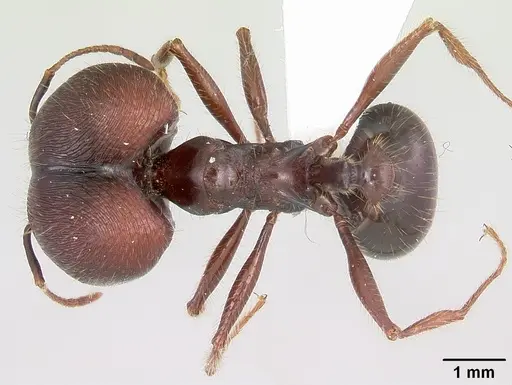
CASENT0000238
View on AntWeb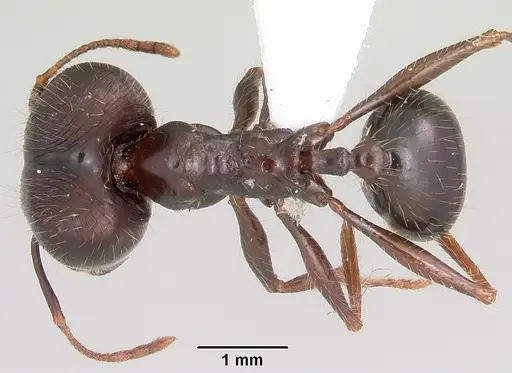
CASENT0102892
View on AntWeb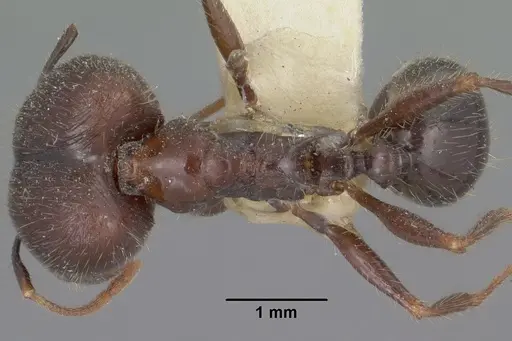
CASENT0102893
View on AntWeb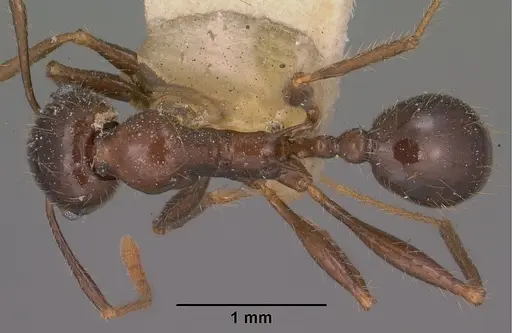
CASENT0103488
View on AntWeb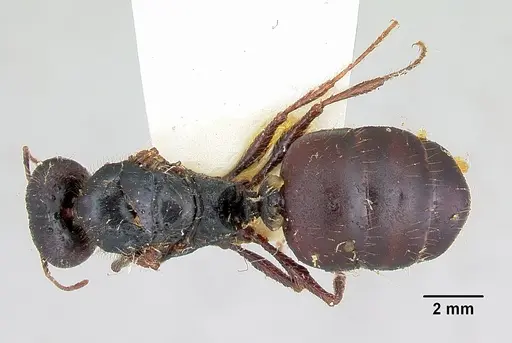
CASENT0103489
View on AntWeb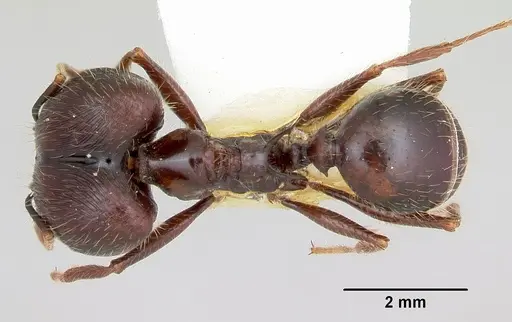
CASENT0106262
View on AntWeb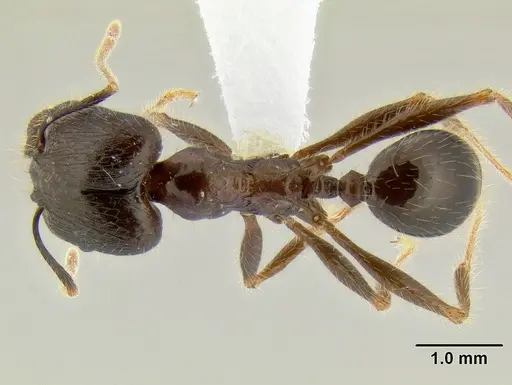
CASENT0172583
View on AntWeb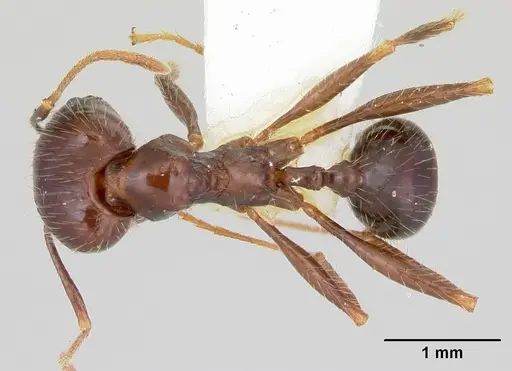
CASENT0172584
View on AntWeb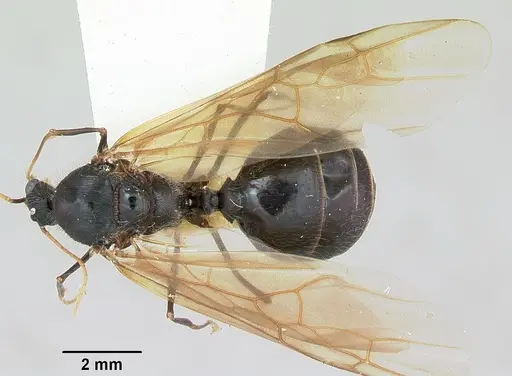
CASENT0282929
View on AntWeb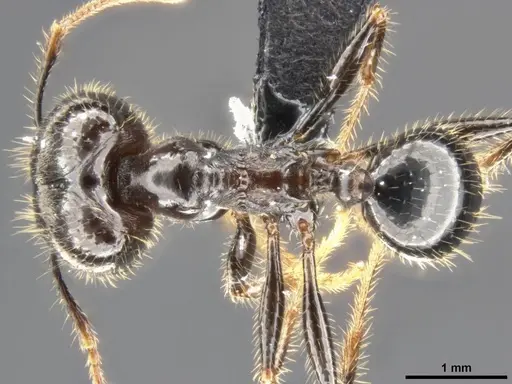
CASENT0282931
View on AntWeb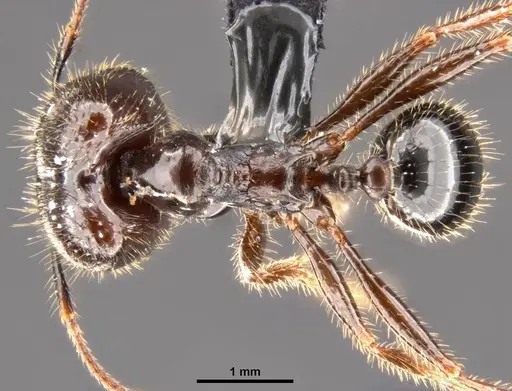
Literature
Loading distribution map...Loading products...