
Pheidole retronitens
- Sci. Name
- Pheidole retronitens
- Tribe
- Attini
- Subfamily
- Myrmicinae
- Author
- Santschi, 1930
- Distribution
- Found in 1 countries
Introduction
Pheidole retronitens is a small ant species native to the Democratic Republic of Congo, specifically the KS Province . Like all Pheidole species, they have two worker castes: minor workers and larger major workers (soldiers). The species was described by Santschi in 1930 and is poorly studied. Based on its Central African origin, it is likely a tropical species that prefers warm, humid conditions and nests in soil or under stones in forested areas.
Quick Summary
- Difficulty: Medium
- Origin & Habitat: Democratic Republic of Congo, KS Province [1]. Natural habitat is tropical forest environments with warm temperatures and high humidity.
- Colony Type: Based on typical Pheidole patterns, likely monogyne (single queen colonies).
- Size & Growth:
- Queen: ~5-7 mm, inferred from Pheidole genus [2]
- Worker: ~2-3 mm for minors, ~3-5 mm for majors, inferred from Pheidole genus [2]
- Colony: Up to several thousand workers, estimated from typical Pheidole colonies [2]
- Growth: Moderate
- Development: Estimated 6-8 weeks at tropical temperatures [2] (Development time is inferred from genus-level data since specific timing for this species has not been documented.)
- Antkeeping:
- Temperature: Keep at 24-28°C. This is a tropical species that needs consistent warmth. A heating cable can create a gradient [2].
- Humidity: Maintain high humidity. Keep nest substrate consistently moist but not waterlogged [2].
- Diapause: No, as a tropical species from Central Africa, they do not require hibernation. Inferred from geographic range.
- Nesting: Use nests that hold moisture well, such as plaster or naturalistic setups with moist substrate [2].
- Behavior: Pheidole retronitens is likely peaceful and non-aggressive, typical of the genus. They are omnivorous, foraging for seeds, small insects, and honeydew. As members of Myrmicinae, they possess a sting, but it is less medically significant and they are not known to be aggressive towards keepers. Their small size means escape prevention should be taken seriously, use fine mesh barriers and tight-fitting lids.
- Common Issues: tropical species are sensitive to temperature drops, keep them warm year-round, small size means escapes are likely without fine mesh barriers, overfeeding can lead to mold problems in the nest, colonies may grow slowly initially, patience is needed during the founding phase, high humidity requirements can lead to mold if ventilation is inadequate
Housing and Nest Setup
Pheidole retronitens does well in nests that maintain both humidity and darkness. Plaster nests (like Y-tong) work well because they hold moisture and provide dark chambers [2]. Naturalistic setups with moist substrate in escape-proof containers are also suitable. The nest should have small chambers for security. Place it away from direct sunlight and drafts.
Feeding and Diet
Pheidole ants are omnivorous. Offer protein sources such as small insects (e.g., fruit flies, crickets) and sugar sources like honey or diluted maple syrup [2]. Feed every 2-3 days, removing uneaten food to prevent mold. A constant supply of sugar water is recommended.
Temperature and Seasonal Care
As a tropical species, Pheidole retronitens needs warm conditions year-round. Maintain temperatures between 24-28°C [2]. A heating cable can create a gradient for self-regulation. Avoid temperatures below 22°C for extended periods. No diapause is required.
Colony Development and Growth
Pheidole colonies grow with a claustral queen starting the colony alone. Major workers typically appear once the colony reaches a certain size, estimated from genus patterns [2]. Development from egg to worker is estimated at 6-8 weeks at optimal temperatures. Growth is moderate, with colonies potentially reaching several thousand workers.
Behavior and Observation
Pheidole retronitens is peaceful and focused on work. Minor workers handle most tasks, while majors may process seeds or defend, based on genus patterns [2]. They are not aggressive towards keepers. Escape risk is high due to small size, ensure barriers are secure.
Frequently Asked Questions
How long does it take for Pheidole retronitens to produce first workers?
Based on typical Pheidole development, expect first workers in about 6-8 weeks after egg laying, assuming temperatures around 25-28°C [2]. This is an estimate since specific timing for this species is not documented.
What do Pheidole retronitens ants eat?
They are omnivorous. Offer small insects for protein and sugar sources like honey or maple syrup [2]. Feed every 2-3 days and remove uneaten food promptly.
What temperature do they need?
Keep them at 24-28°C. This is a tropical species that needs consistent warmth [2].
Are Pheidole retronitens good for beginners?
They are rated as medium difficulty. They require warm, humid conditions which can be challenging to maintain consistently [2].
When will major workers appear in my colony?
Major workers typically appear once the colony reaches a certain size, estimated from genus patterns [2]. The exact timing varies based on colony health.
Do they need hibernation or diapause?
No. As a tropical species from Central Africa, they do not require a winter rest period.
How big do Pheidole retronitens colonies get?
Colonies can reach up to several thousand workers, estimated from typical Pheidole species [2].
Can I keep multiple queens together?
Pheidole species are typically monogyne (single queen). Combining unrelated queens is not recommended as they may fight.
What type of nest is best for Pheidole retronitens?
Plaster nests or naturalistic setups with moist substrate work well. The key is maintaining high humidity while providing dark chambers [2].
Report an Issue
The current care sheet is based fully on literature. See inconsistencies, or something that's incorrect? Please , it will be resolved after review from an admin. Contributing to the blogs tab also helps providing information, to make us be able to further improve the caresheets. Thank you for your support!
References

This caresheet is licensed under CC BY-SA 4.0 .
Community Blogs
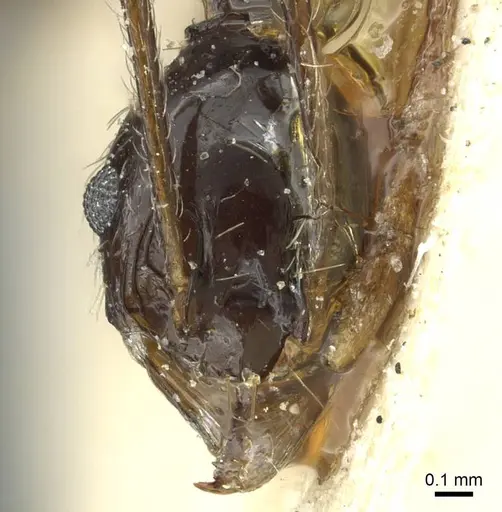
CASENT0913416
View on AntWeb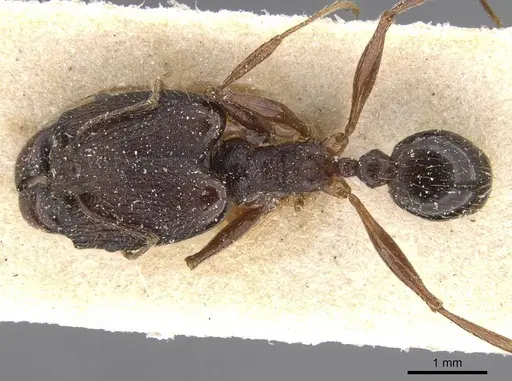
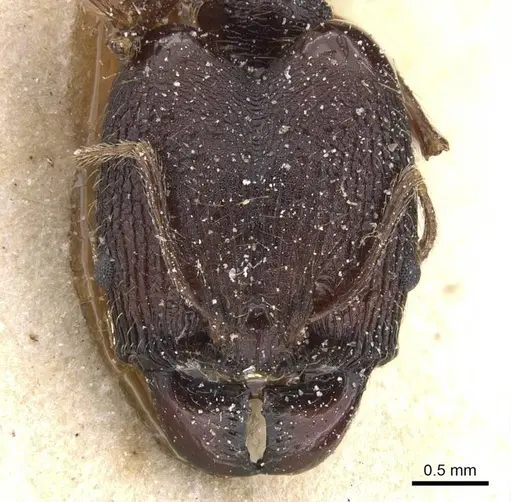
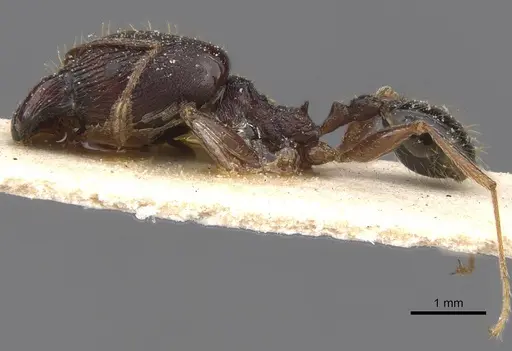
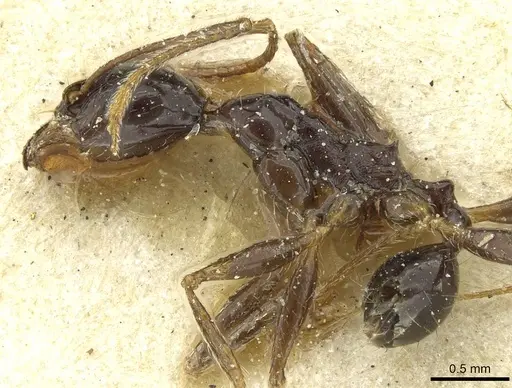
CASENT0913417
View on AntWeb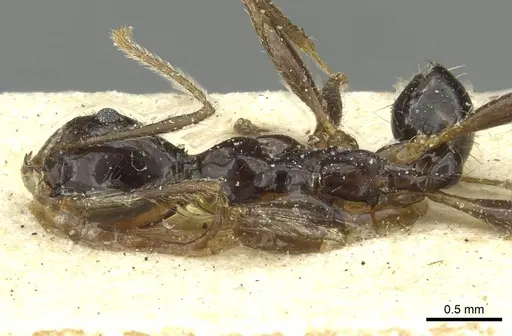
Literature
Loading distribution map...Loading products...