
Pheidole ranohirensis
- Sci. Name
- Pheidole ranohirensis
- Tribe
- Attini
- Subfamily
- Myrmicinae
- Author
- Salata & Fisher, 2020
- Distribution
- Found in 1 countries
Introduction
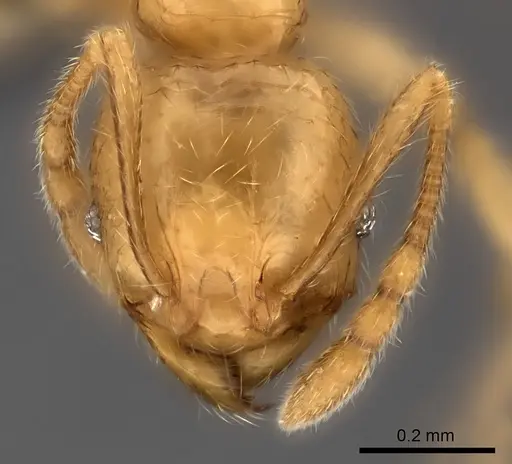
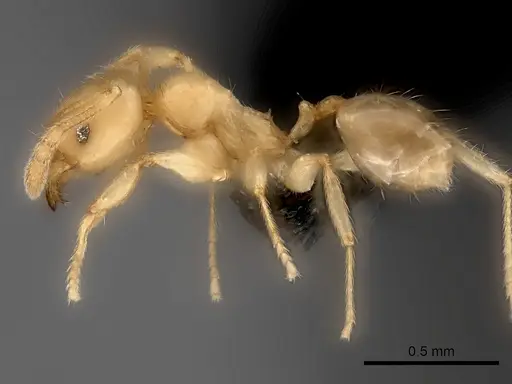
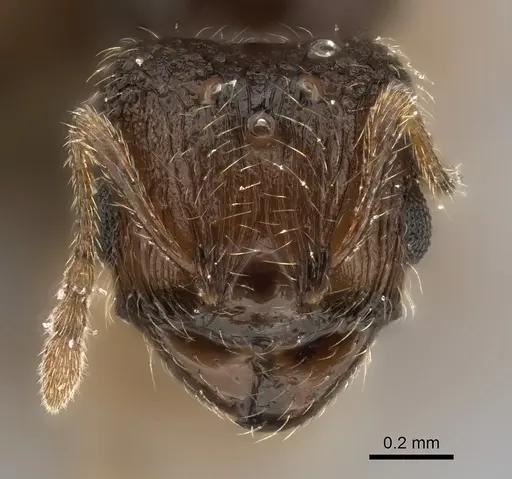
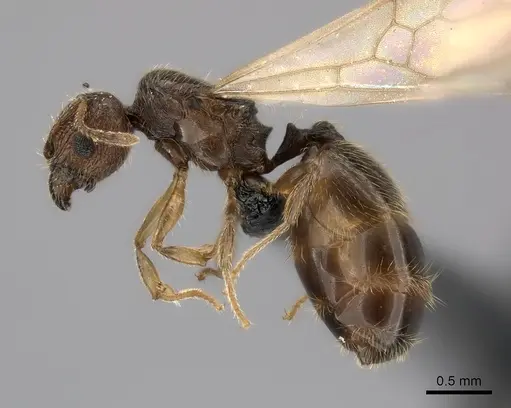
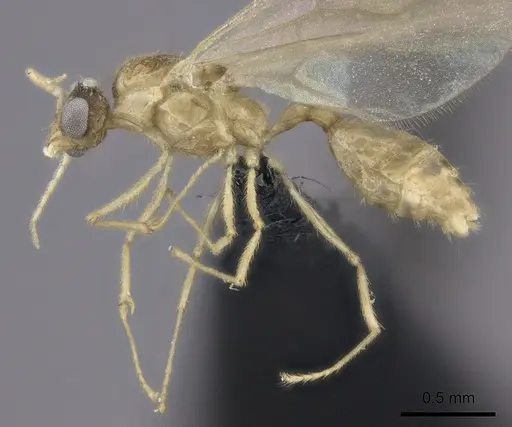
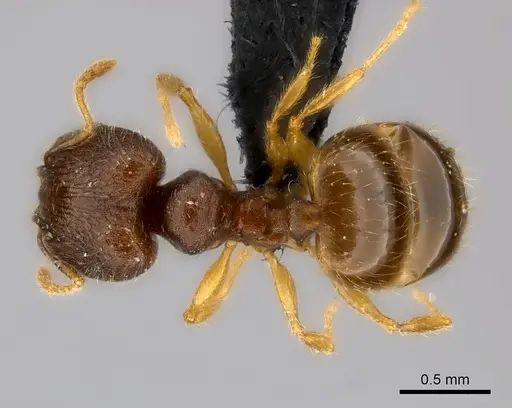
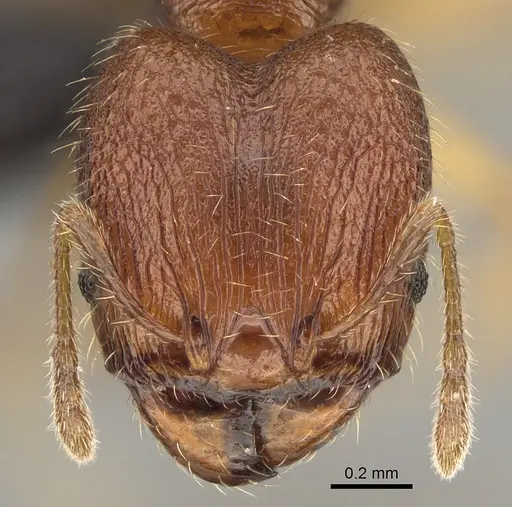
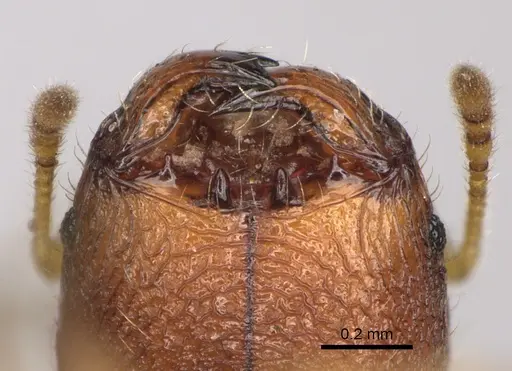
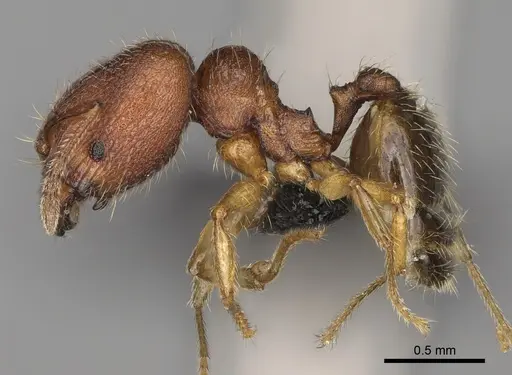
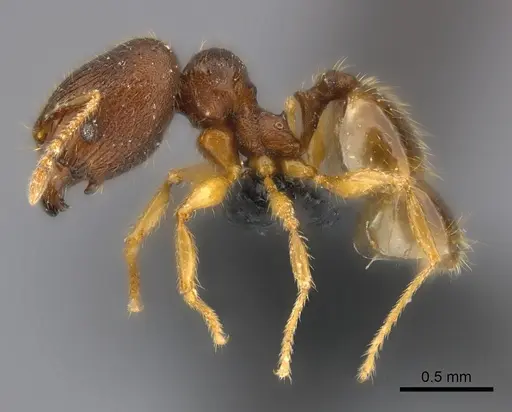
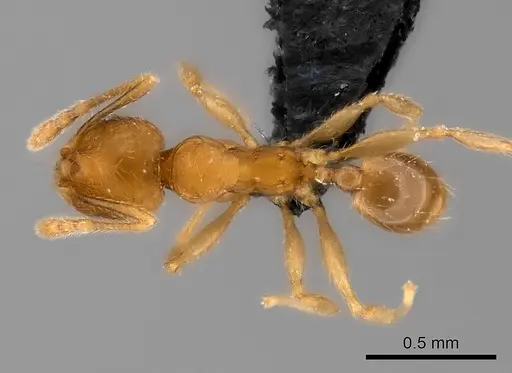
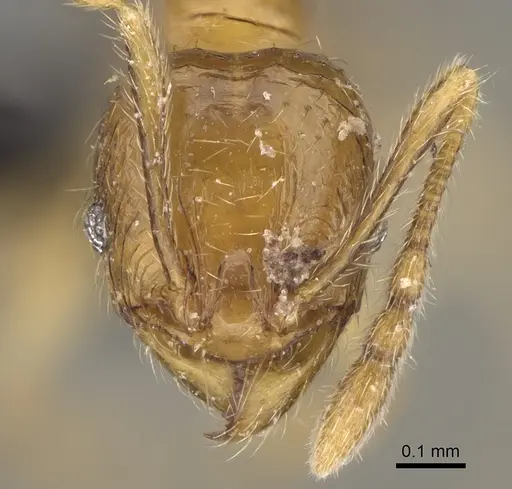
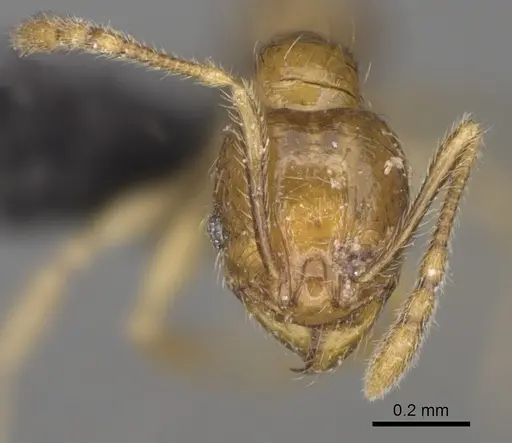
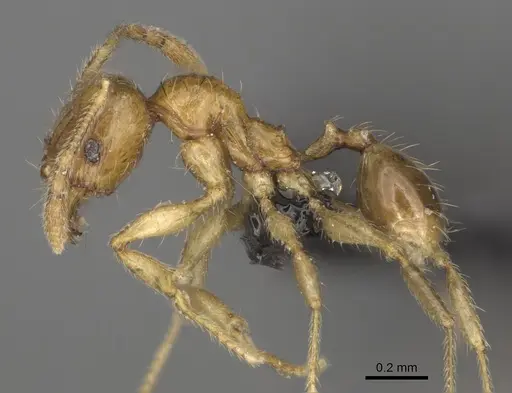
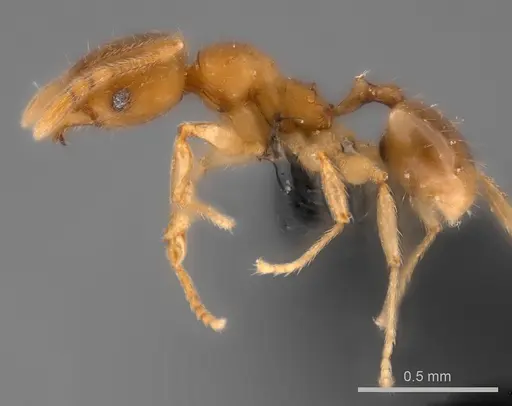
Pheidole ranohirensis is a small dimorphic ant species from Madagascar, described in 2020. It belongs to the Pheidole lutea group and has two worker castes: majors with enlarged heads for defense and seed processing, and smaller minors that handle foraging and brood care. The species is found in gallery forests, tropical dry forests, and rainforests at elevations of 30-600 meters . Colonies nest in rotten logs and dead twigs above ground, which is unusual for Pheidole and suggests a preference for elevated, humid microhabitats .
Quick Summary
- Difficulty: Medium
- Origin & Habitat: Madagascar, specifically Fianarantsoa region, Parc National d'Isalo. Found in gallery forest, tropical dry forest, and rainforest at 30-600 meters elevation [1]. Nests in rotten logs and dead twigs above ground [1].
- Colony Type: Colony structure is unconfirmed. Based on Pheidole patterns, likely single-queen colonies, but no specific data exists for this species.
- Size & Growth:
- Queen: Size data unavailable, no measurements in literature.
- Worker: Minors are small, majors have enlarged heads. Specific body sizes not documented.
- Colony: Unknown, inferred from Pheidole genus patterns, likely up to several hundred workers.
- Growth: Moderate, inferred from related species.
- Development: 6-10 weeks estimated based on typical Pheidole development at warm temperatures [1]. (Development time not directly studied, estimates based on genus patterns.)
- Antkeeping:
- Temperature: Keep warm, roughly 24-28°C, based on low-elevation Madagascar climate [1]. Provide a temperature gradient.
- Humidity: Keep nest substrate consistently moist but not waterlogged, as natural habitat is humid [1].
- Diapause: Unknown, no data on hibernation needs. Tropical species may not require diapause.
- Nesting: Use humidity-retaining nests like Y-tong or plaster. Naturalistic setups with cork bark or rotting wood work well [1].
- Behavior: Generally calm and not aggressive. Minors are tiny, so escape risk is moderate, use barriers like Fluon. Defense mechanism includes a sting, as typical for Myrmicinae.
- Common Issues: high humidity is critical, dry conditions will kill colonies quickly., escape prevention matters because minors are tiny and can slip through small gaps., slow founding phase, queens take time to raise first workers, beginners may need patience., wild-caught colonies may have parasites that cause colony collapse in captivity.
Housing and Nest Setup
Pheidole ranohirensis does well in humidity-retaining nests like Y-tong or plaster formicariums. Since they naturally nest in rotting wood and dead twigs above ground, you can also create a naturalistic setup with cork bark, small pieces of rotting wood, or leaf litter [1]. The key is maintaining high humidity, these ants come from humid gallery forests and will struggle in dry conditions.
For the outworld, provide a shallow foraging area with easy access to food and water. Because minors are very small, ensure your escape barriers are effective, a rim of Fluon around the outworld edge prevents escapes.
Feeding and Diet
Like most Pheidole, this species is omnivorous and will accept a variety of foods. Offer protein sources like small insects and seeds. Pheidole majors are specialized for seed processing, so they particularly enjoy cracked seeds. Also provide sugar sources like honey water or sugar water, especially when the colony is growing rapidly.
Feed every 2-3 days for established colonies, removing any uneaten food after 24 hours to prevent mold. During the founding stage, the queen does not eat, she relies on stored fat reserves. Once workers arrive, begin offering small amounts of protein and sugar.
Temperature and Seasonal Care
Maintain temperatures between 24-28°C for optimal colony growth. This species comes from low-elevation Madagascar where year-round temperatures are warm [1]. A heating cable placed on one side of the nest creates a temperature gradient that allows ants to regulate their own exposure to warmth.
Regarding winter care, Madagascar species typically do not need true hibernation. You can reduce temperatures slightly to around 20°C during winter months and reduce feeding frequency, but do not allow the nest to get cold. Consistent warmth year-round is best for these tropical ants.
Colony Development and Founding
Founding behavior is unconfirmed for this species. Pheidole queens typically seal themselves in a small chamber and raise their first brood alone without foraging, but specific data for P. ranohirensis is not available.
The first workers will be smaller than normal minors (nanitics) and the colony grows gradually from there. Be patient during founding, disturbing the queen or checking too frequently can cause her to abandon or eat the brood. Wait at least 4-6 weeks before your first peek.
Frequently Asked Questions
How long does it take for Pheidole ranohirensis to raise first workers?
Expect 6-10 weeks from egg to first worker at warm temperatures (around 26°C). This is typical for Pheidole species, though specific development data for P. ranohirensis is not available [1].
What do Pheidole ranohirensis ants eat?
They are omnivorous. Offer small insects, seeds, and sugar sources like honey water. Majors are specialized for seed processing, so they particularly enjoy cracked seeds.
What temperature do Pheidole ranohirensis need?
Keep them warm at 24-28°C. A heating cable on one side of the nest creates a suitable gradient. They come from low-elevation Madagascar which is warm year-round [1].
How big do Pheidole ranohirensis colonies get?
Colony size is not documented, but related Pheidole species typically reach up to several hundred workers. Growth is moderate.
Can I keep multiple Pheidole ranohirensis queens together?
Not recommended. Pheidole are typically single-queen colonies. Combining unrelated queens has not been studied for this species and typically leads to fighting.
What humidity do Pheidole ranohirensis need?
Keep the nest substrate consistently moist but not waterlogged, as their natural habitat is humid [1].
Do Pheidole ranohirensis need hibernation?
Unknown, no data on hibernation needs. Tropical species may not require diapause, but you can reduce temperatures slightly in winter if desired.
Are Pheidole ranohirensis good for beginners?
They are medium difficulty. The main challenges are maintaining high humidity and being patient through the slow founding phase. They are not aggressive and don't require special diets.
When should I move Pheidole ranohirensis to a formicarium?
Wait until the colony has a stable number of workers, typically 50 or more. Before that, a simple test tube setup works fine. Once the colony is established and growing, you can move them to a proper nest if needed.
Report an Issue
The current care sheet is based fully on literature. See inconsistencies, or something that's incorrect? Please , it will be resolved after review from an admin. Contributing to the blogs tab also helps providing information, to make us be able to further improve the caresheets. Thank you for your support!
References

This caresheet is licensed under CC BY-SA 4.0 .
Community Blogs
CASENT0490756
View on AntWeb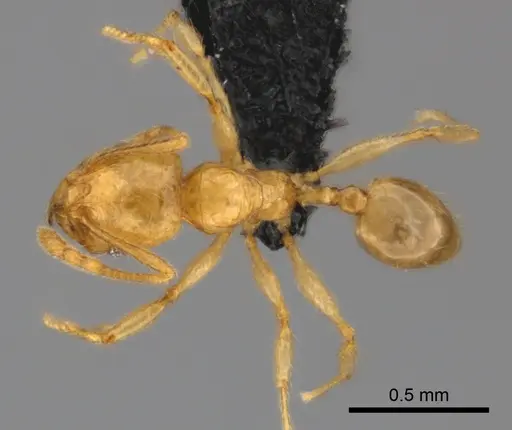
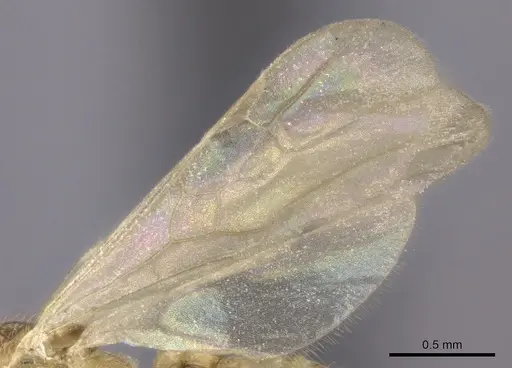
CASENT0490757
View on AntWeb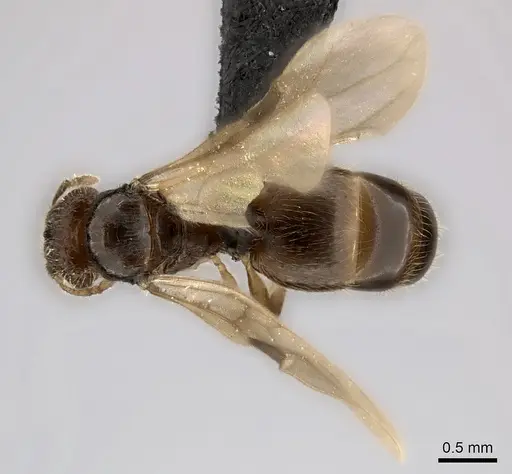
CASENT0490850
View on AntWeb
CASENT0490851
View on AntWeb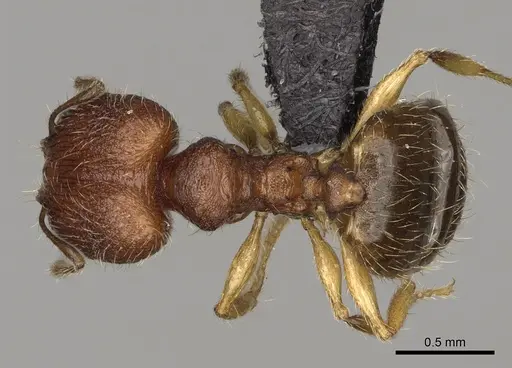
CASENT0490856
View on AntWeb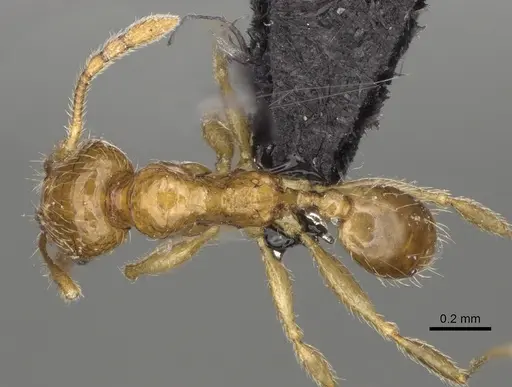
Literature
Loading distribution map...Loading products...