
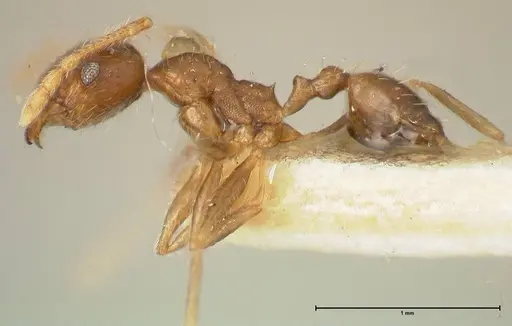
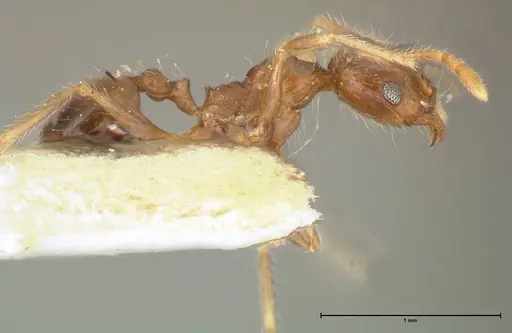
Pheidole punctulata
- Sci. Name
- Pheidole punctulata
- Tribe
- Attini
- Subfamily
- Myrmicinae
- Author
- Mayr, 1866
- Distribution
- Found in 11 countries
Introduction
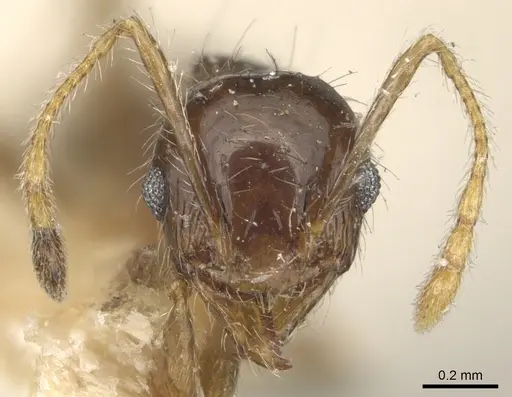
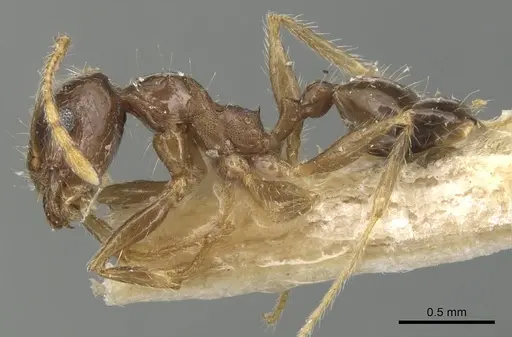
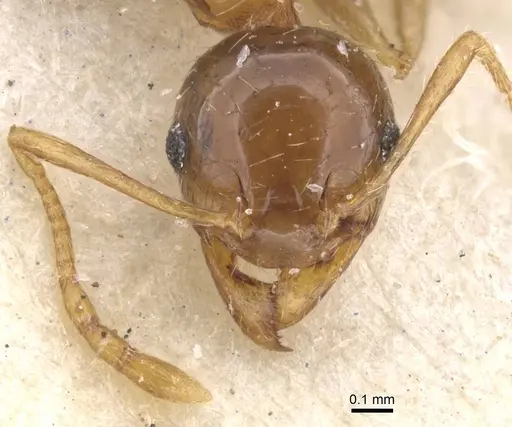
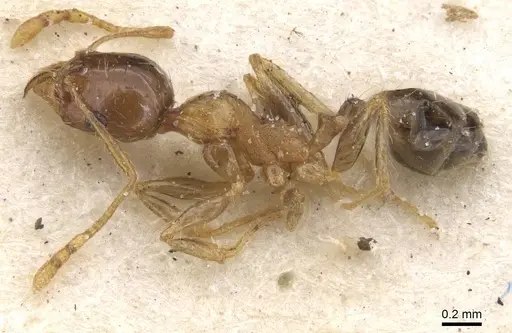
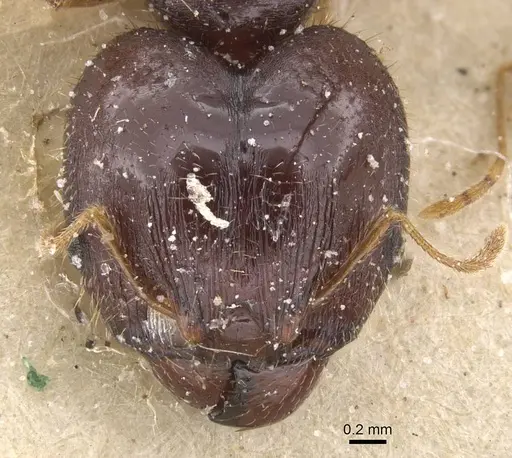
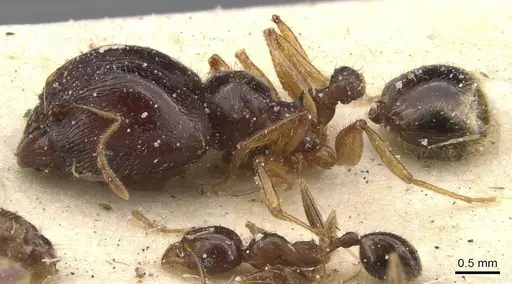
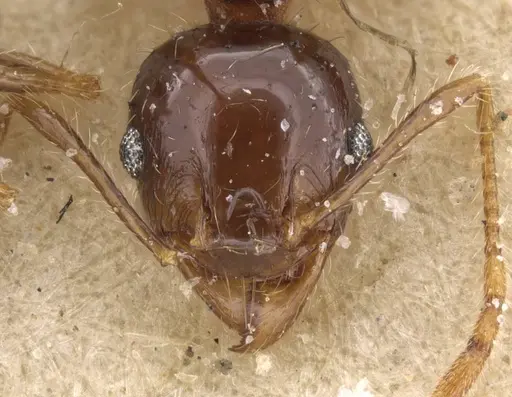
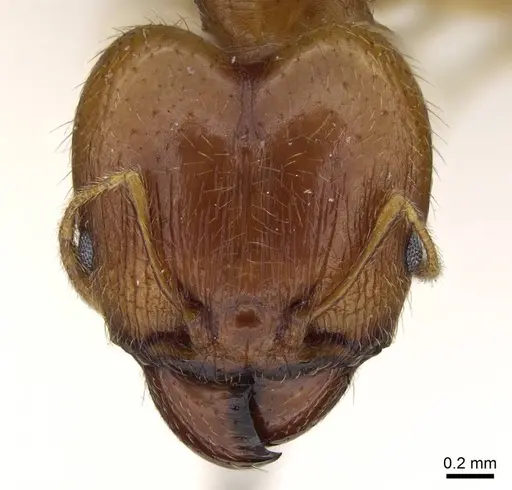
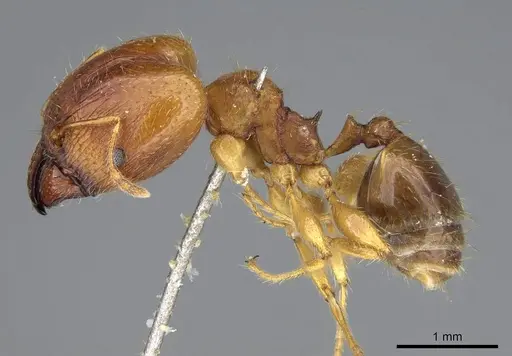
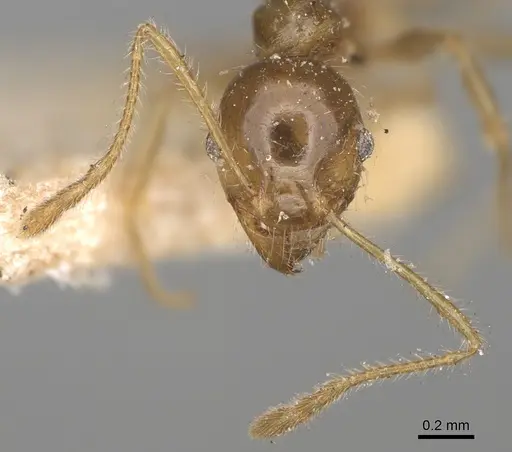
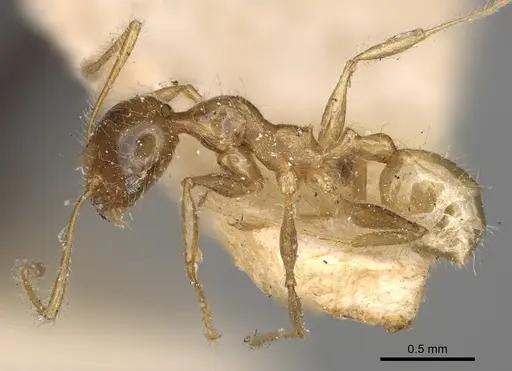
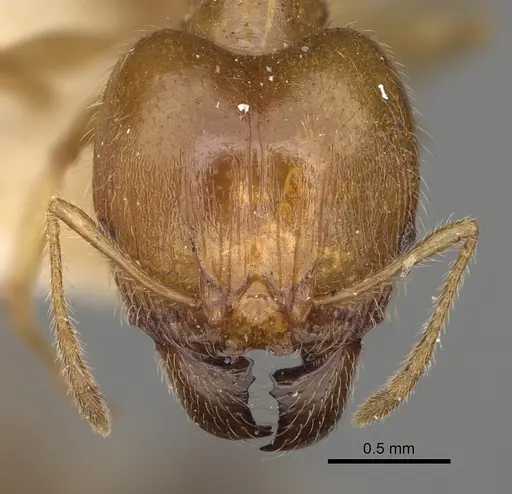
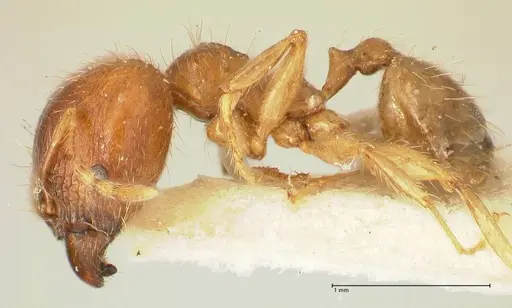
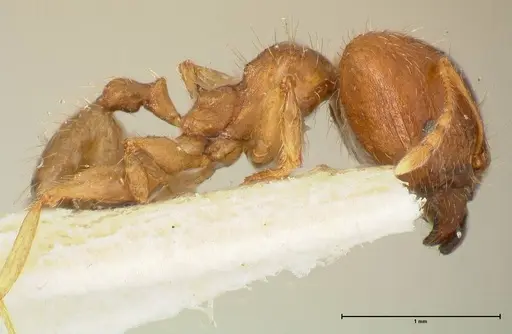
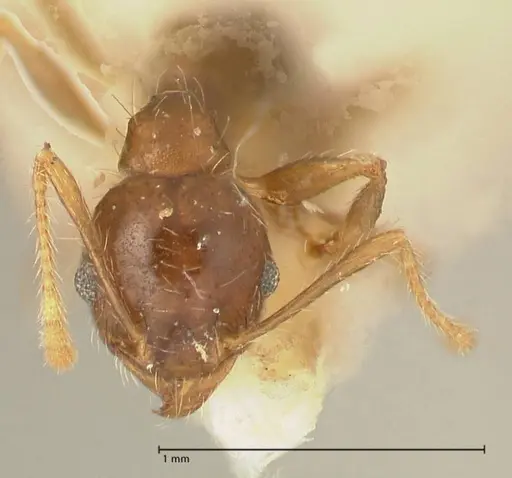
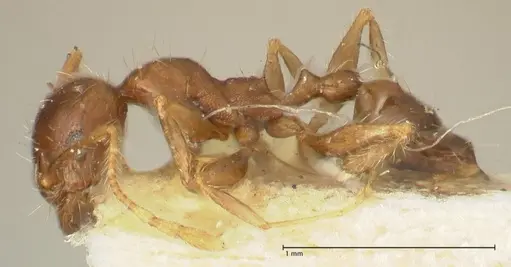
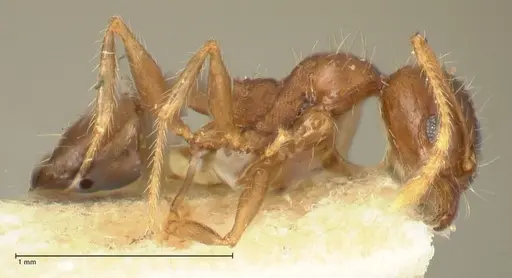
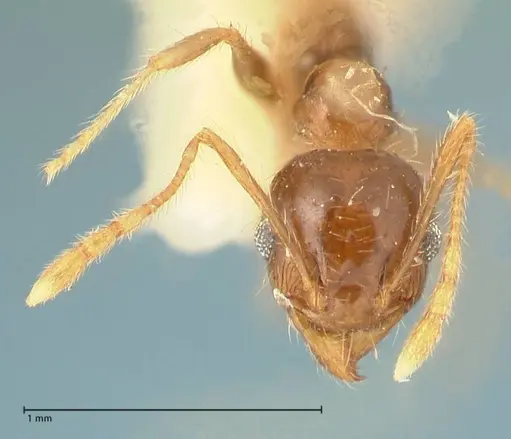
Pheidole punctulata is a species native to sub-Saharan Africa and Madagascar, found in countries including Kenya, South Africa, Mozambique, Democratic Republic of Congo, Gambia, and islands like Madagascar, Mayotte, and Seychelles . It inhabits open woodlands, human settlements, tropical dry forest, and areas along roads, often nesting in dead trees, under rocks, or beneath tree bark . Like other Pheidole species, it has major and minor worker castes [inferred from genus]. This species can be distinguished from the invasive Pheidole megacephala by minor worker post-petiole characteristics .
Quick Summary
- Difficulty: Easy
- Origin & Habitat: Sub-Saharan Africa and Madagascar, including Kenya, South Africa, Mozambique, Democratic Republic of Congo, Gambia, and islands like Madagascar, Mayotte, and Seychelles [1][2][3]. Inhabits open woodlands, human settlements, tropical dry forest, and areas along roads at elevations from 10m to 1800m [3].
- Colony Type: Unconfirmed, no specific data on queen number in research context.
- Size & Growth:
- Queen: Size data unavailable, no total length measurements in research context.
- Worker: Size data unavailable, no total length measurements in research context.
- Colony: Colony size data unavailable, no specific estimates in research context.
- Growth: Unknown, no data on growth rate.
- Development: Unknown, no data on egg-to-worker timeline. (Development time unconfirmed for this species.)
- Antkeeping:
- Temperature: Based on tropical distribution, keep warm, roughly 24-28°C, but exact needs unconfirmed.
- Humidity: Provide a humidity gradient with mostly dry nest chambers and one small moist area, matching their habitat preferences [3].
- Diapause: No diapause required, tropical species.
- Nesting: Prefer naturalistic setups with dead wood or cork bark, as they nest in such microhabitats [3]. Y-tong or plaster nests work well with moderate humidity.
- Behavior: Generally peaceful, but will defend nest with major workers blocking entrances. Defense mechanism is stinging, as per subfamily Myrmicinae. Workers are active foragers that establish trails to food sources. Escape risk is moderate due to small size, use standard barriers.
- Common Issues: maintain warm temperatures to prevent colony slowdown, tropical species need warmth, avoid overly damp nests to match dry habitat preferences [3], provide escape prevention for small workers, use fine barriers, remove uneaten food promptly to prevent mold
Housing and Nest Setup
Pheidole punctulata adapts well to various captive setups. For founding colonies, a simple test tube setup with a water reservoir works. Once the colony grows, move them to a formicarium. Y-tong or plaster nests are suitable, but provide naturalistic elements like dead wood or cork bark, as they nest in such microhabitats [3]. Avoid overly damp nests, keep chambers mostly dry with a small moist area.
Feeding and Diet
This species is omnivorous with a preference for protein. Offer small live insects like fruit flies or pinhead crickets 2-3 times per week. Provide sugar sources like honey water or diluted honey, as they collect honeydew in the wild [5]. Remove uneaten prey after 24 hours to prevent mold.
Temperature and Seasonal Care
As a tropical species, keep temperatures warm, roughly 24-28°C, but exact needs are unconfirmed. A temperature gradient allows workers to self-regulate. No diapause is required, but reducing temperatures slightly in winter may simulate natural cycles.
Colony Development
Colony growth data is unavailable from research. Pheidole species typically produce major and minor workers, but timelines are unconfirmed for this species. Monitor colony health and adjust care based on observations.
Behavior and Defense
This species is relatively peaceful. Major workers defend the nest by blocking entrances with their large heads. The primary defense is stinging, as typical for subfamily Myrmicinae. Workers forage actively and establish trails to food sources.
Frequently Asked Questions
Is Pheidole punctulata a good beginner ant?
Yes, this species is beginner-friendly. They are relatively hardy and not aggressive, but exact care needs are unconfirmed.
How long does it take for the first workers to appear?
Unknown, no data on development timeline for this species.
Can I keep multiple queens together?
Colony type is unconfirmed, but Pheidole species are typically single-queen. Combining queens is not recommended without evidence.
What do I feed Pheidole punctulata?
Offer small live insects and sugar sources like honey water, as they collect honeydew in the wild [5].
Do they need hibernation?
No, being a tropical species, they do not require diapause.
When should I move them to a formicarium?
Move the colony when it grows, but specific timing is unconfirmed. Use nests that match their natural microhabitats [3].
How big do colonies get?
Colony size data is unavailable from research.
Are they invasive like Pheidole megacephala?
Unlike Pheidole megacephala, P. punctulata has not been documented as invasive outside its native range [4].
What temperature is ideal for Pheidole punctulata?
Keep them warm, roughly 24-28°C, but exact needs are unconfirmed.
Report an Issue
The current care sheet is based fully on literature. See inconsistencies, or something that's incorrect? Please , it will be resolved after review from an admin. Contributing to the blogs tab also helps providing information, to make us be able to further improve the caresheets. Thank you for your support!
References

This caresheet is licensed under CC BY-SA 4.0 .
Community Blogs
CASENT0173310
View on AntWeb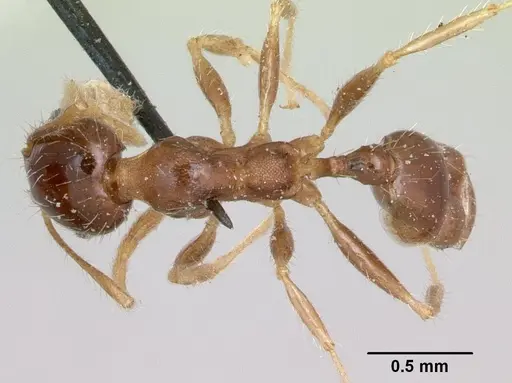
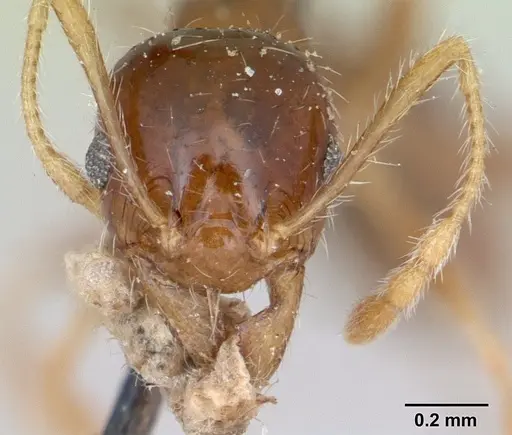
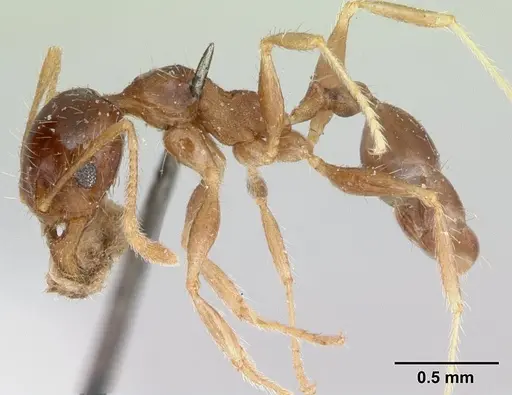
CASENT0173311
View on AntWeb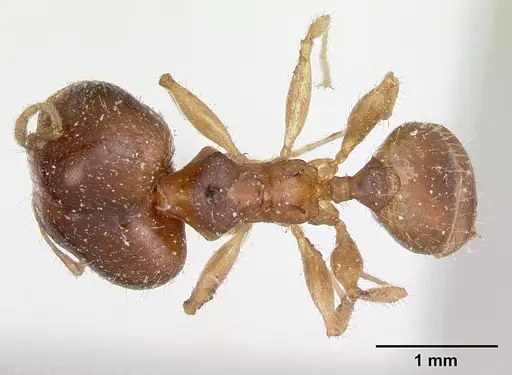
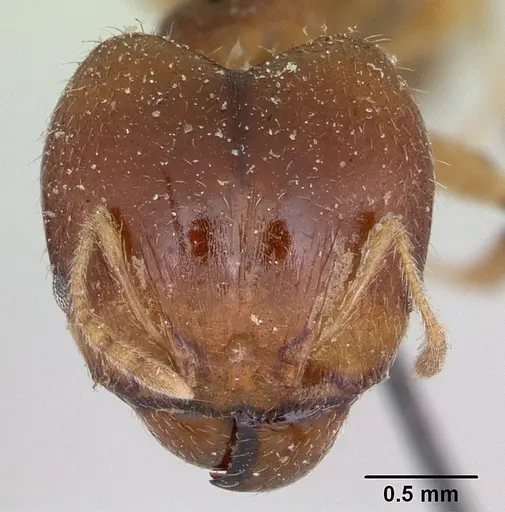
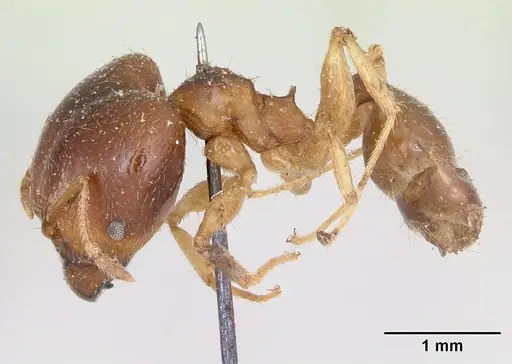
CASENT0246113
View on AntWeb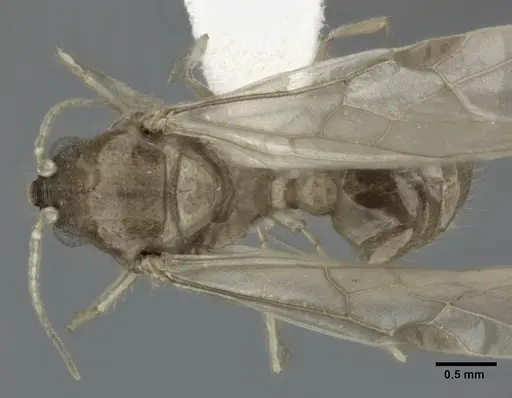
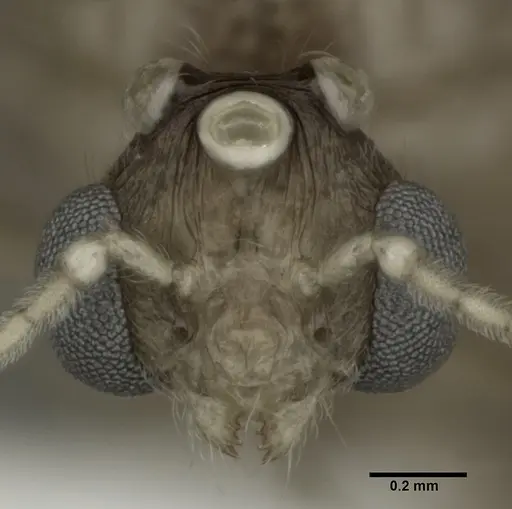
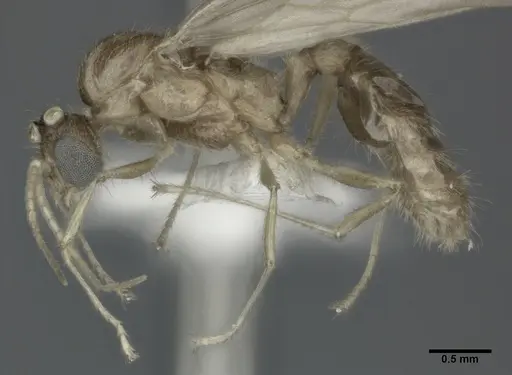
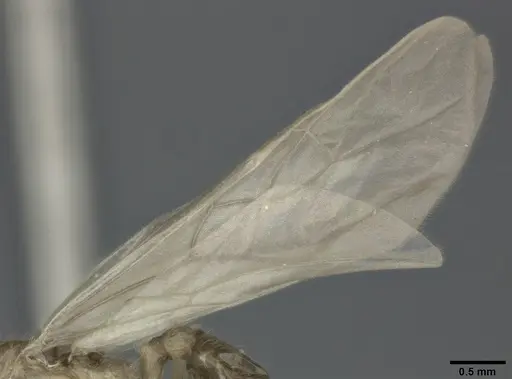
CASENT0246114
View on AntWeb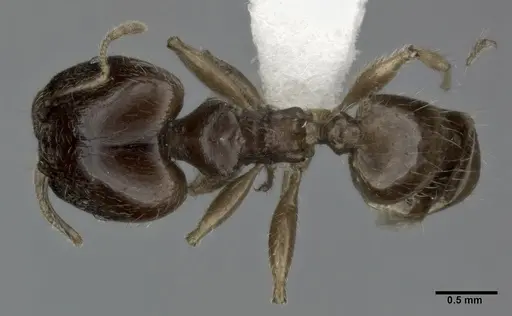
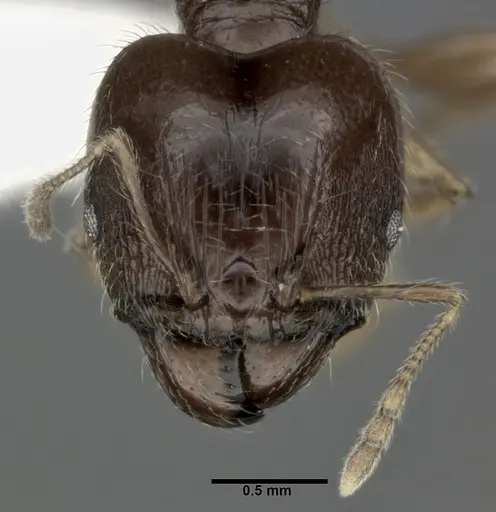
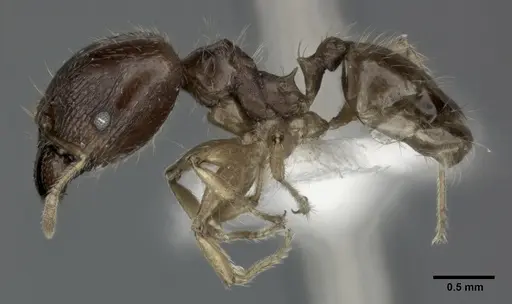
CASENT0246115
View on AntWeb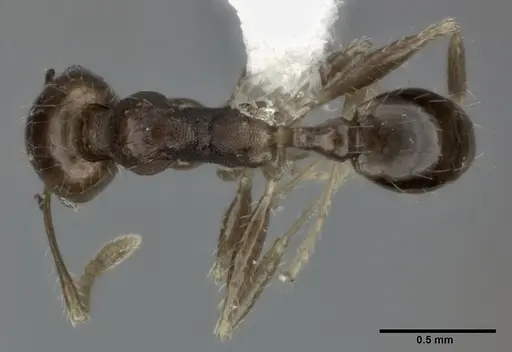
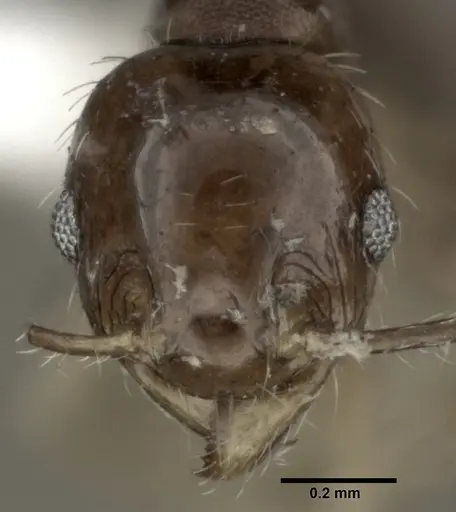
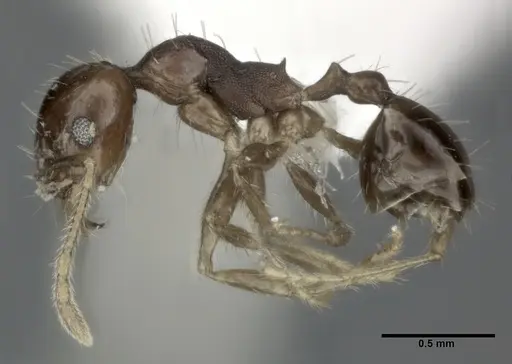
CASENT0282680
View on AntWeb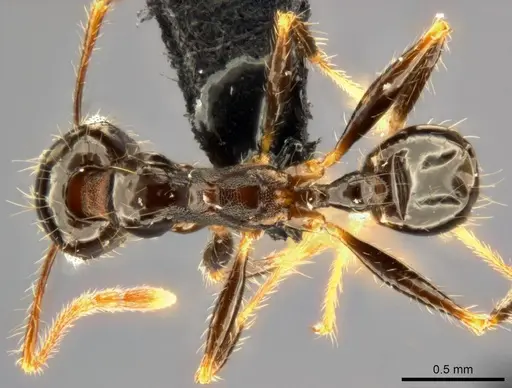
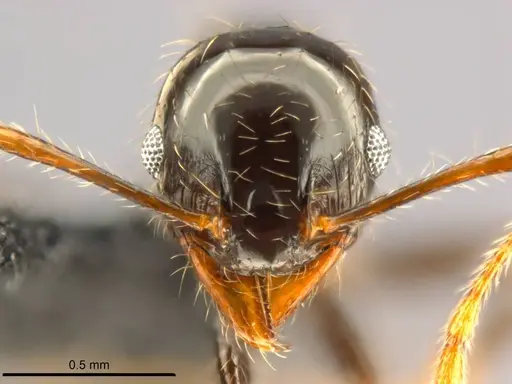
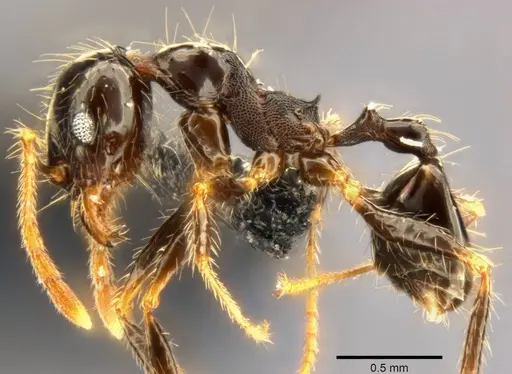
CASENT0283067
View on AntWeb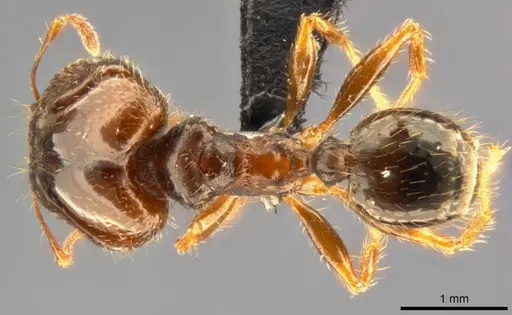
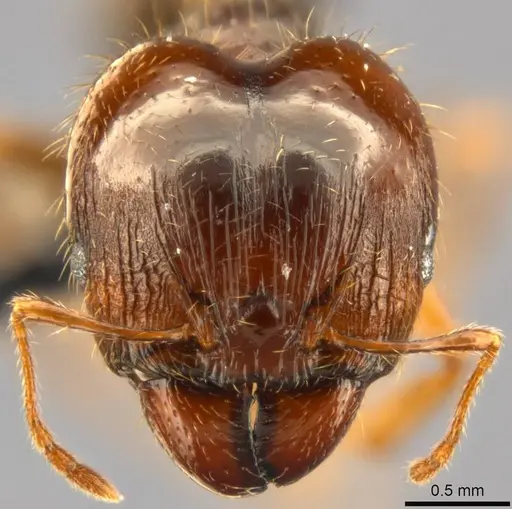
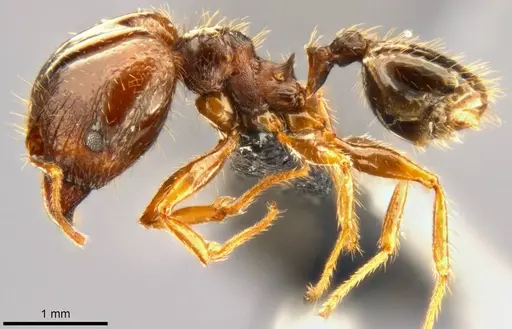
CASENT0901315
View on AntWeb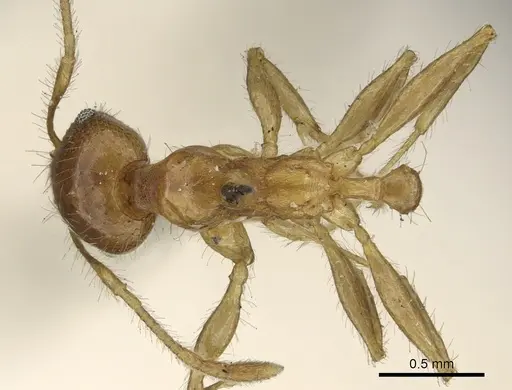
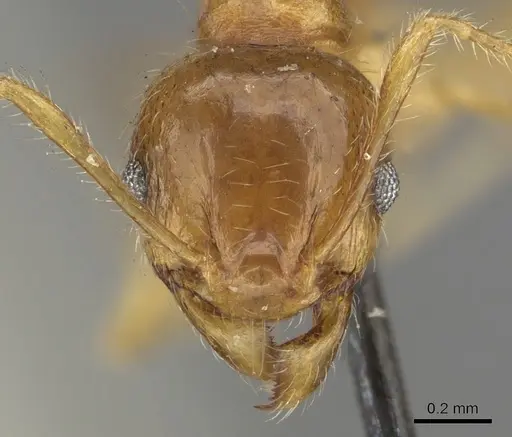
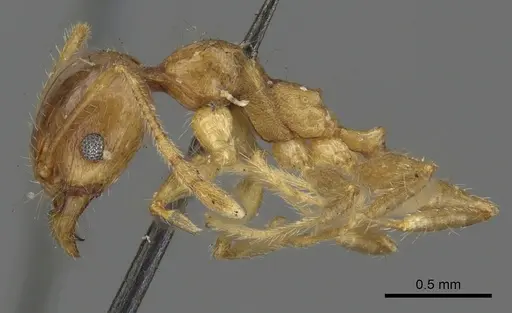
CASENT0901316
View on AntWeb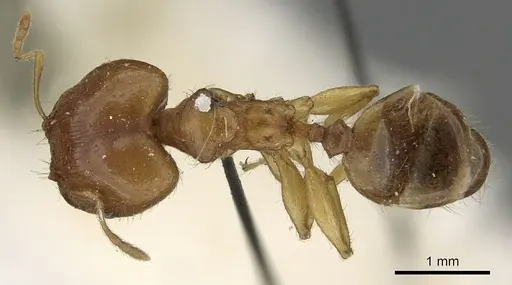
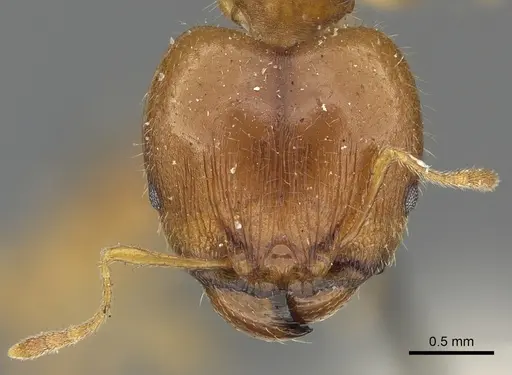
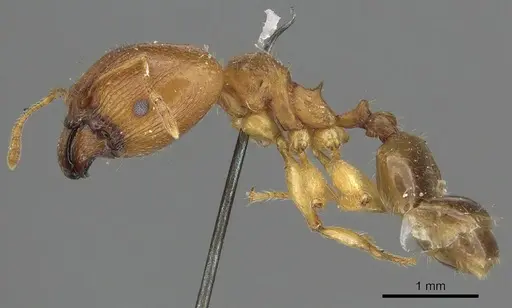
CASENT0904196
View on AntWeb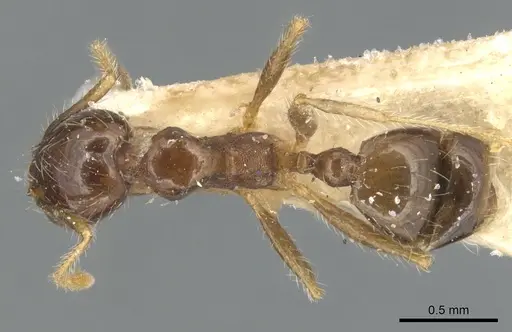
CASENT0906515
View on AntWeb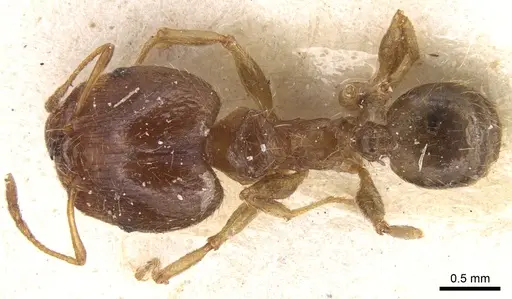
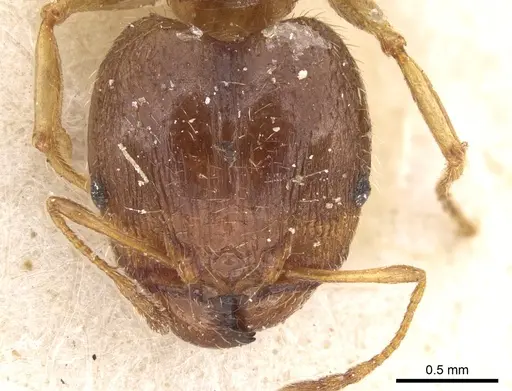
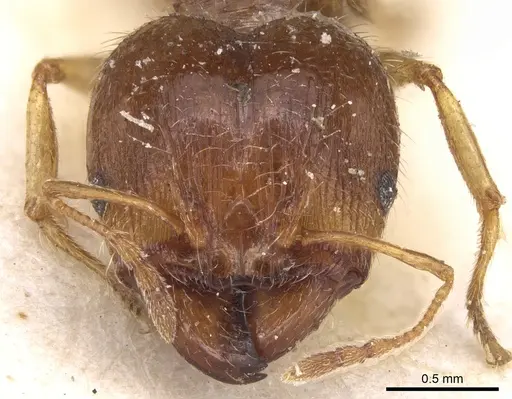
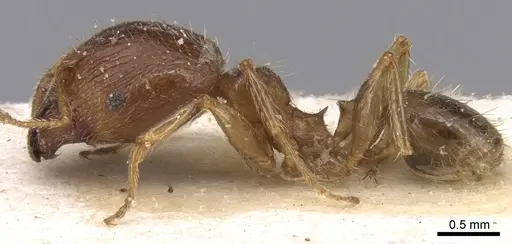
CASENT0906520
View on AntWeb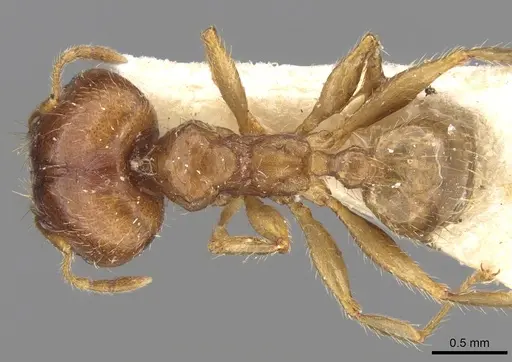
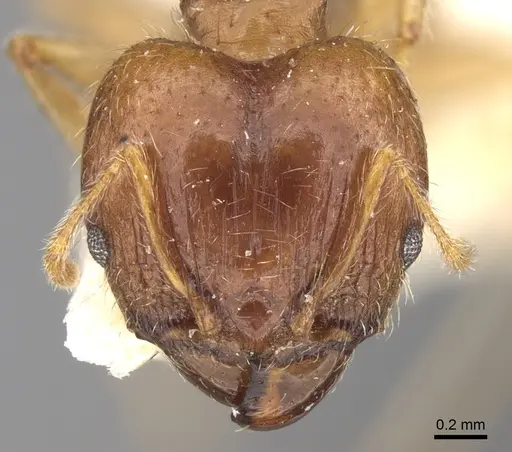
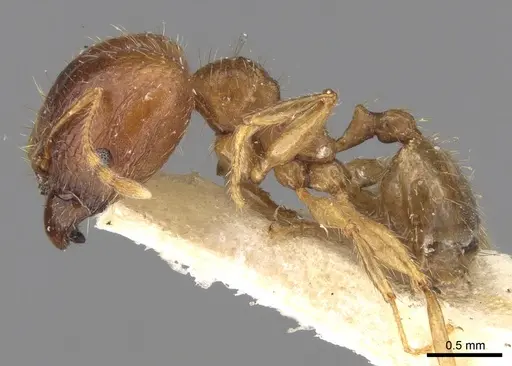
CASENT0906521
View on AntWeb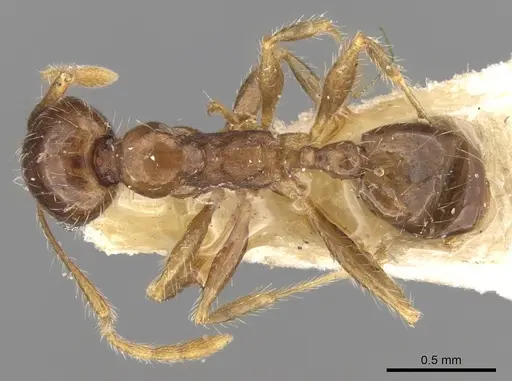
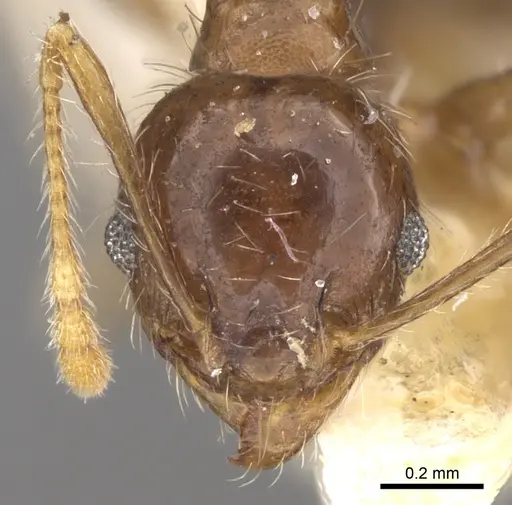
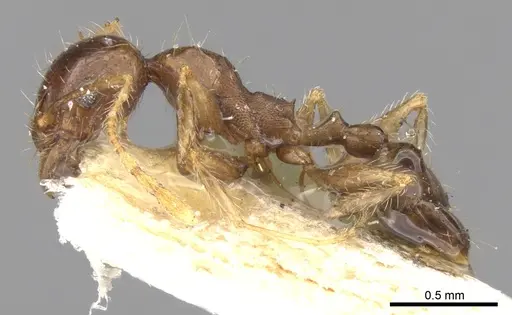
CASENT0906534
View on AntWeb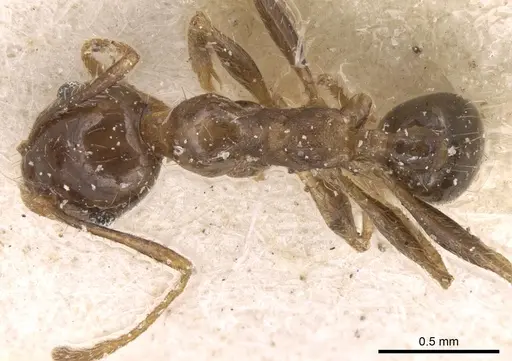
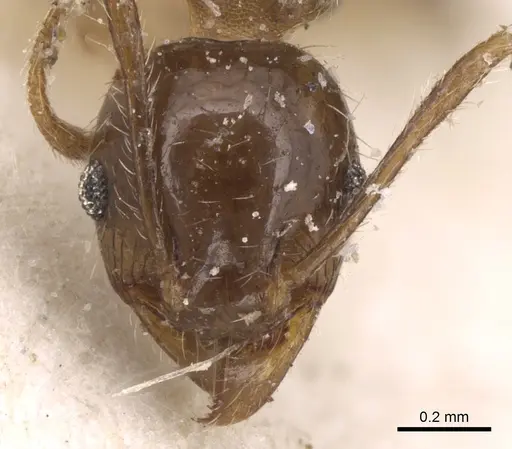
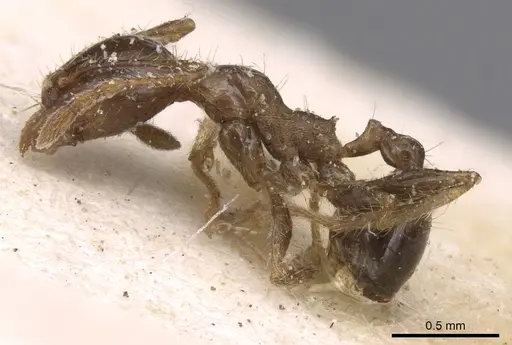
CASENT0906536
View on AntWeb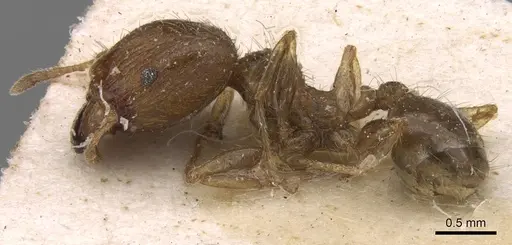
CASENT0913406
View on AntWeb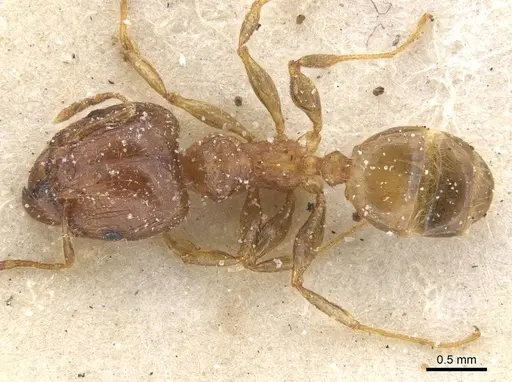
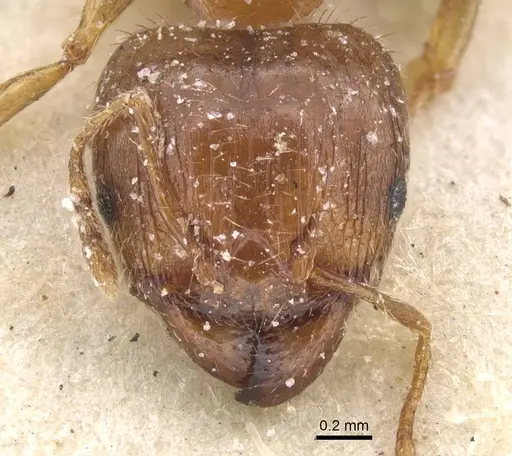
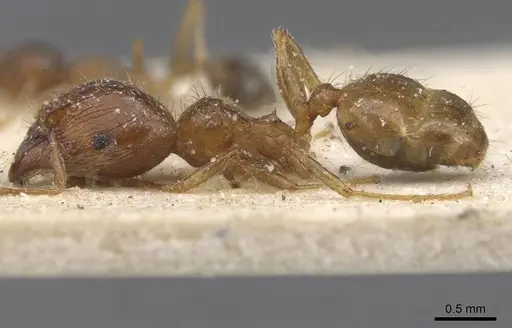
CASENT0913407
View on AntWeb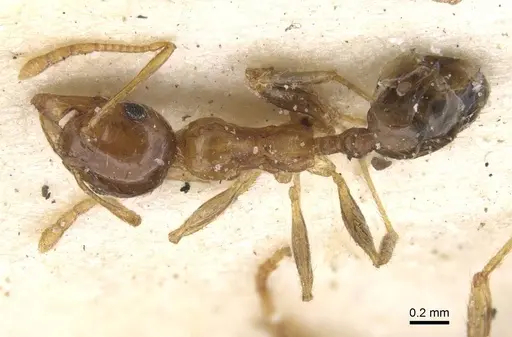
CASENT0913408
View on AntWeb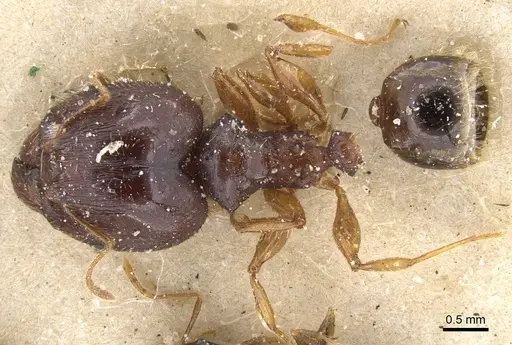
CASENT0913409
View on AntWeb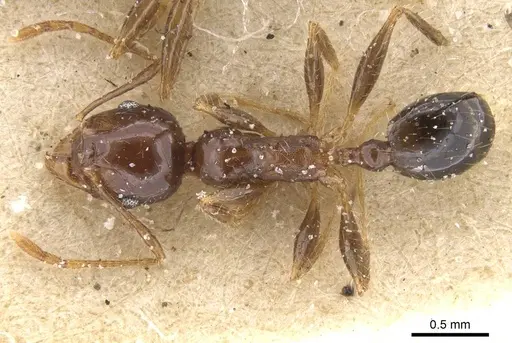
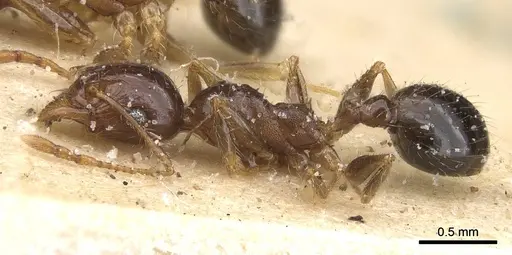
CASENT0922176
View on AntWeb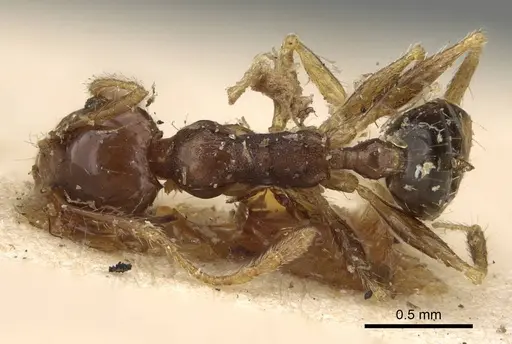
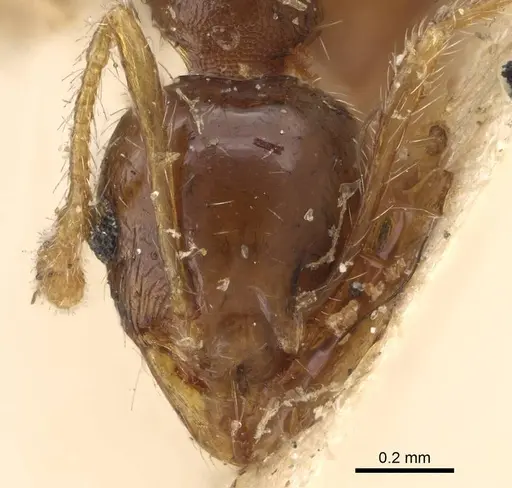
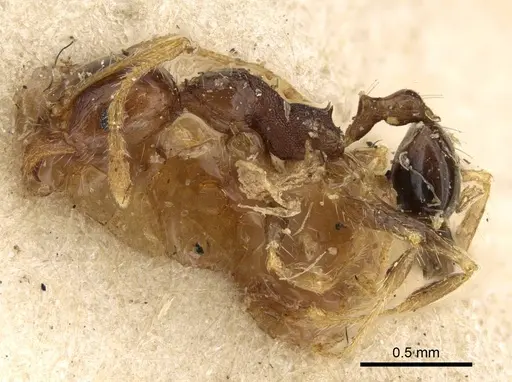
CASENT0922199
View on AntWeb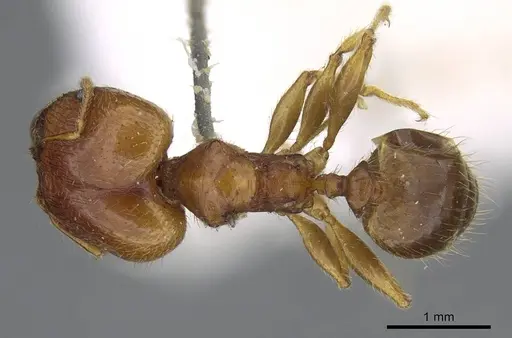
CASENT0922200
View on AntWeb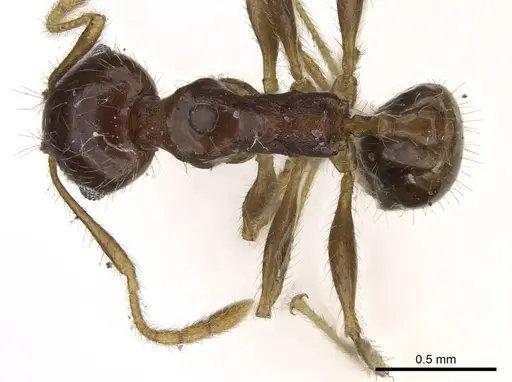
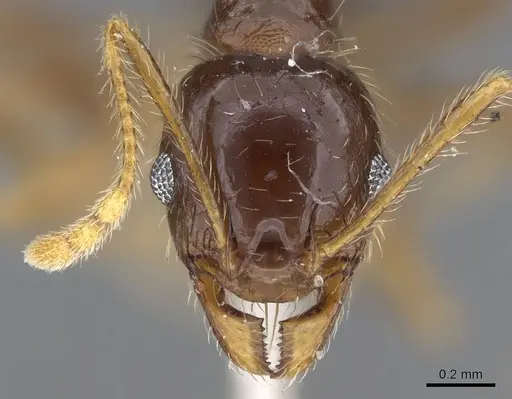
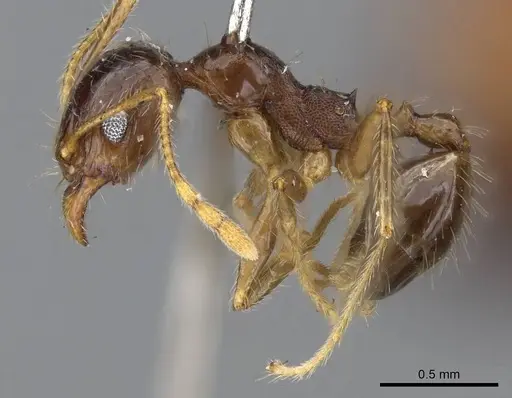
CASENT0923212
View on AntWeb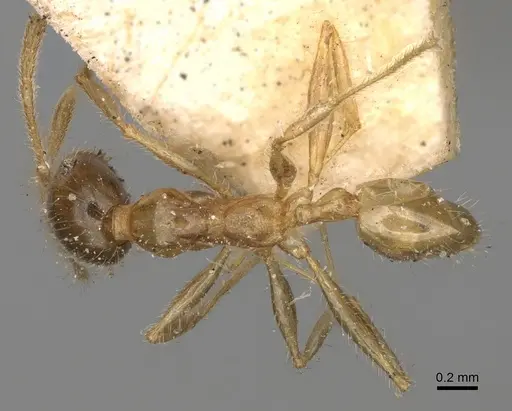
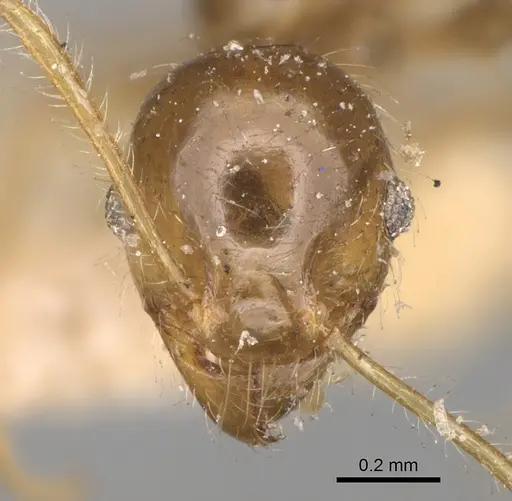
CASENT0923213
View on AntWeb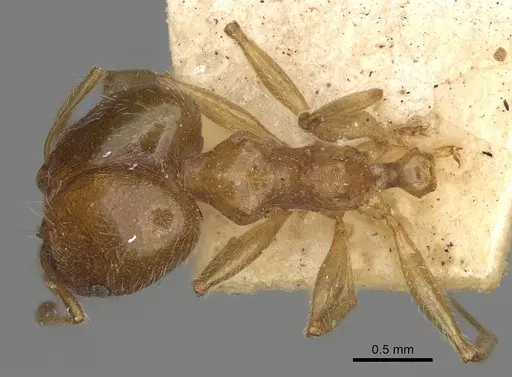
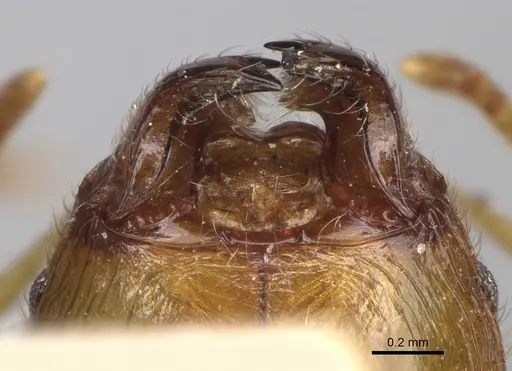
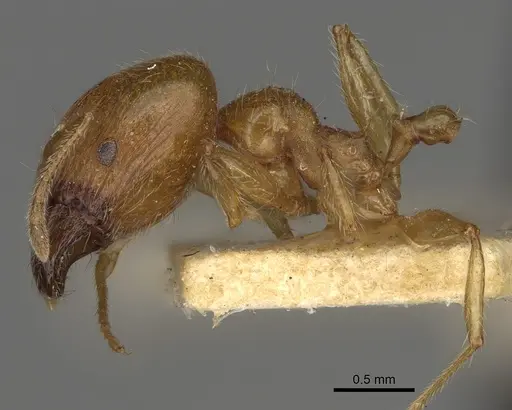
FOCOL1350
View on AntWeb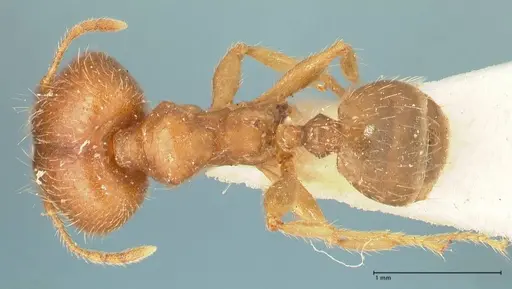
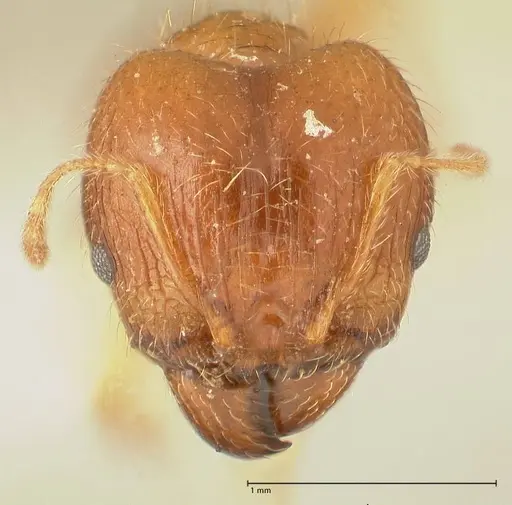
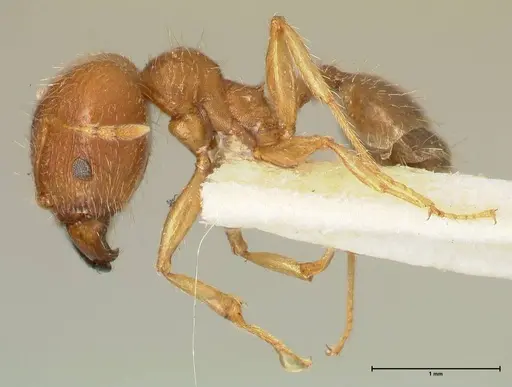
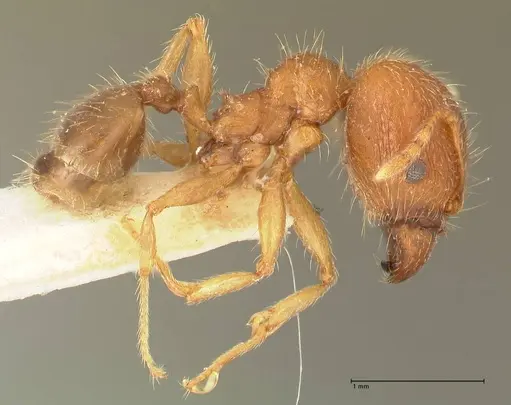
FOCOL1351
View on AntWeb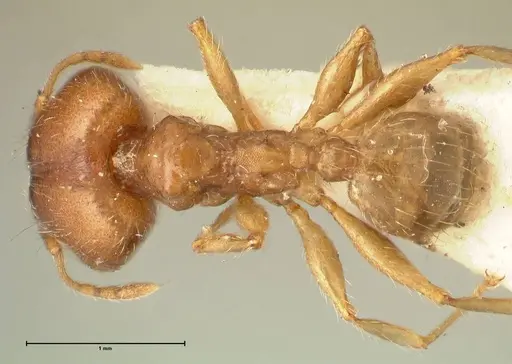
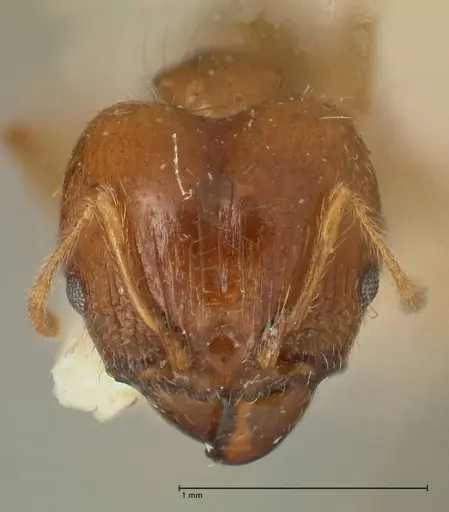
FOCOL1352
View on AntWeb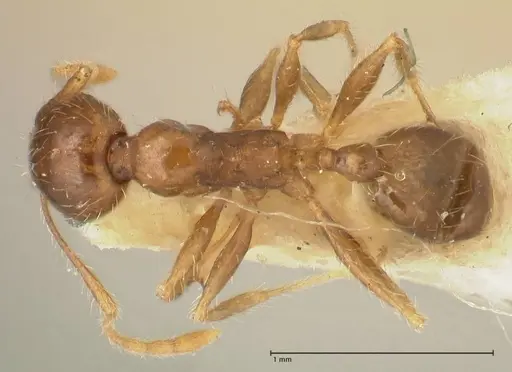
FOCOL1353
View on AntWeb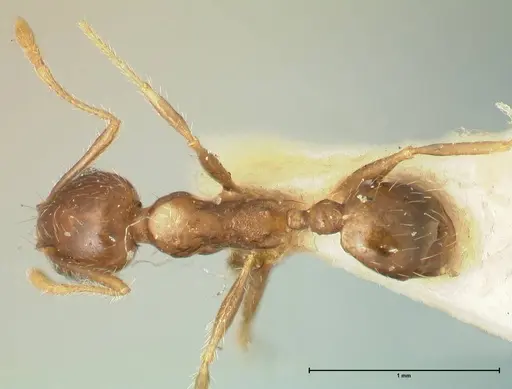
Literature
Loading distribution map...Loading products...