
Pheidole punctatissima
- Sci. Name
- Pheidole punctatissima
- Tribe
- Attini
- Subfamily
- Myrmicinae
- Author
- Mayr, 1870
- Distribution
- Found in 7 countries
Introduction
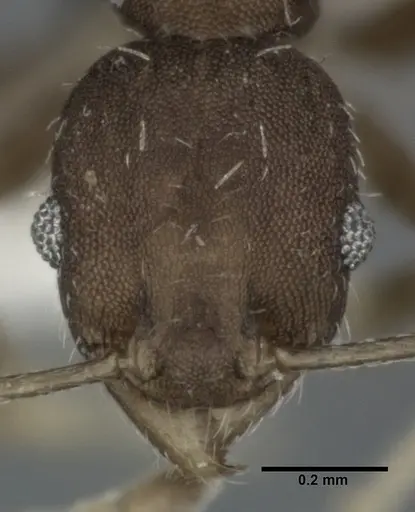
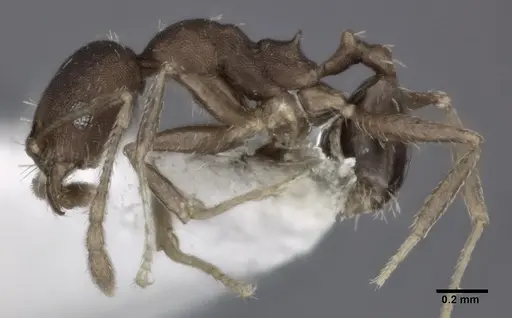
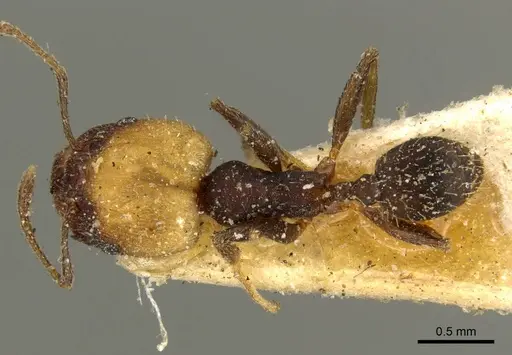
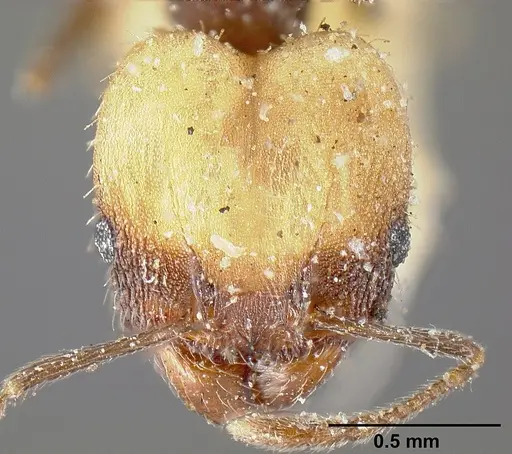
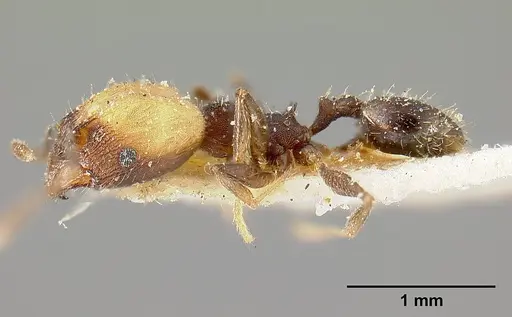
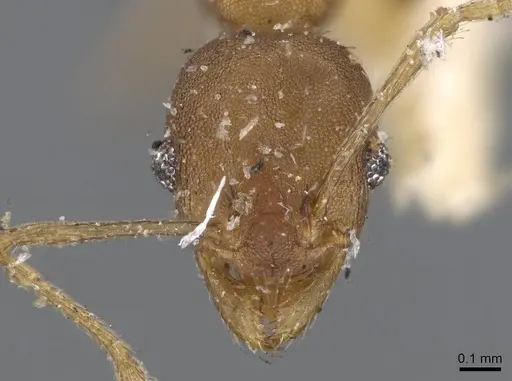
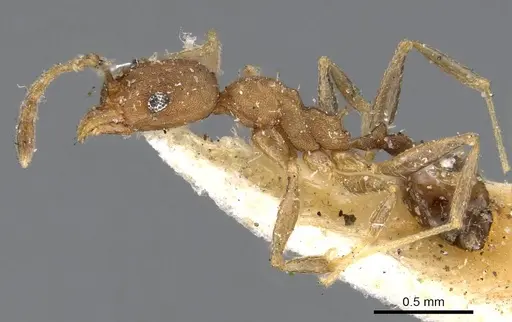
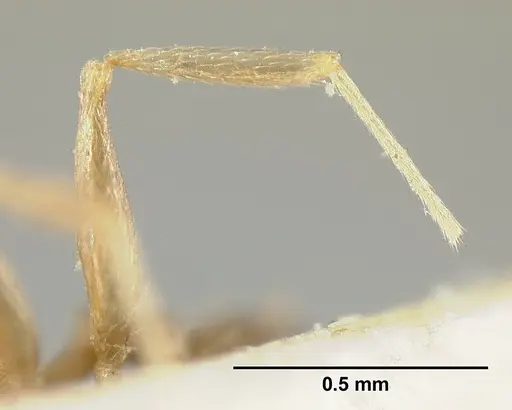
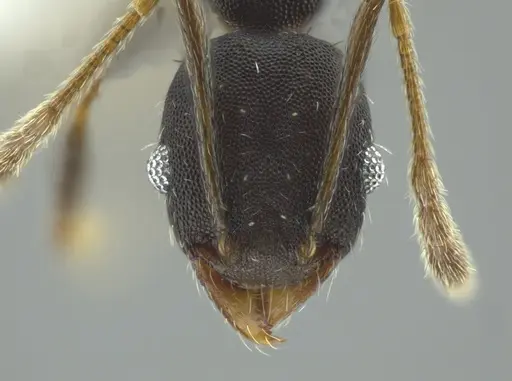
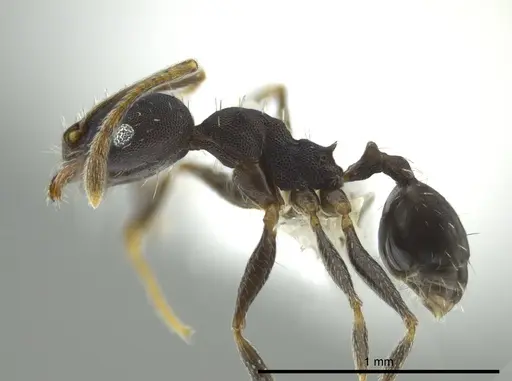
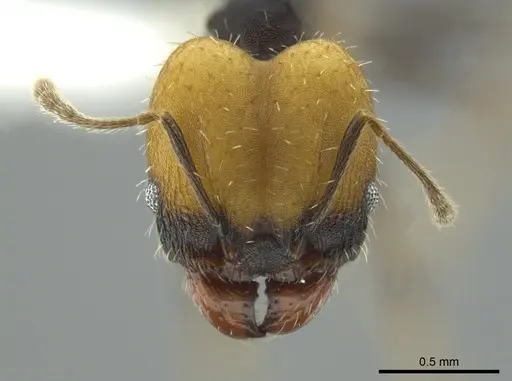
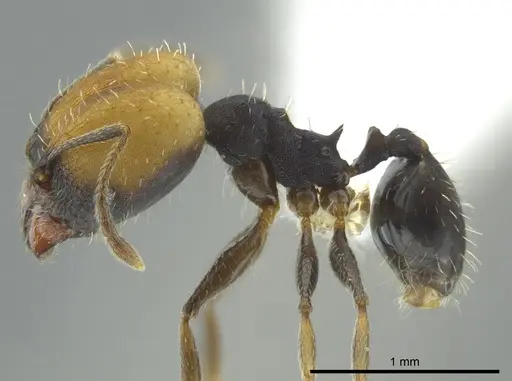
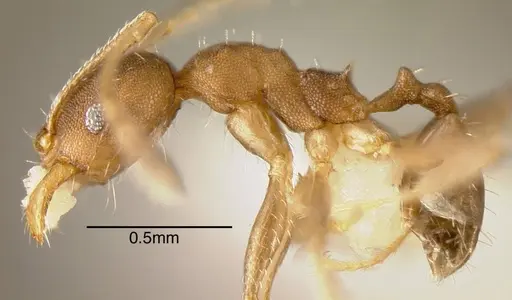
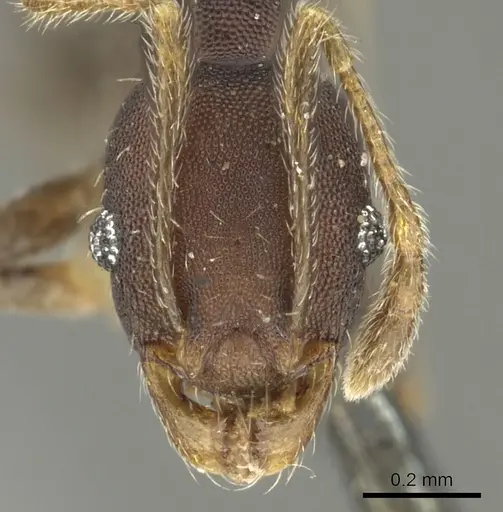
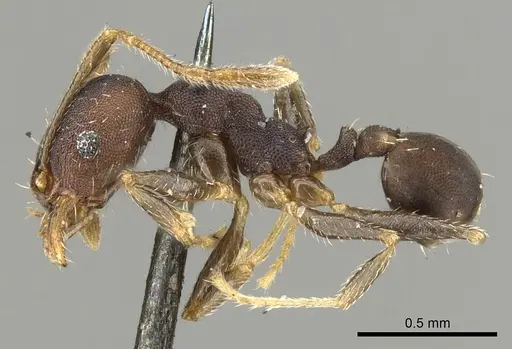
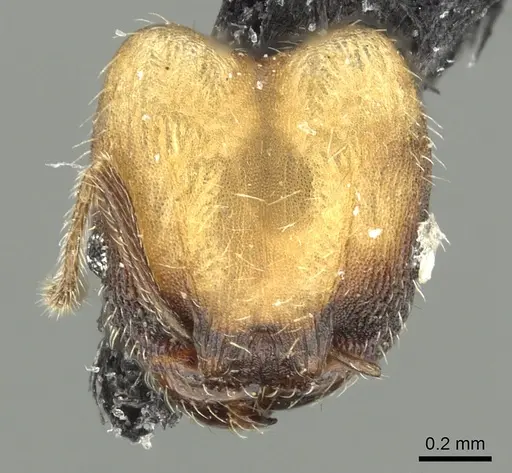
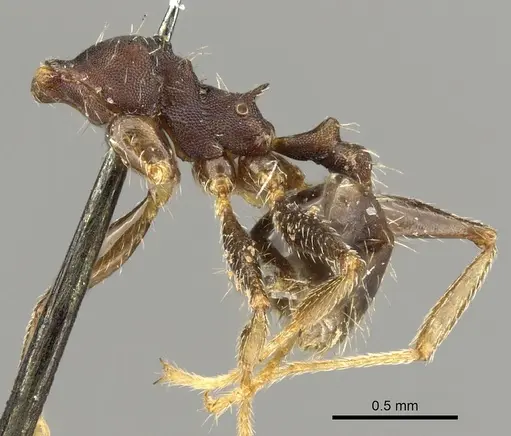
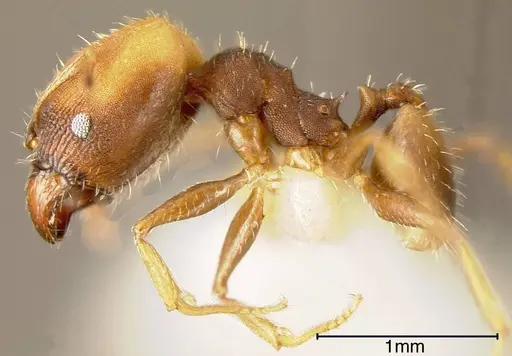
Pheidole punctatissima is a small dimorphic ant species native to the Neotropics, ranging from southern Mexico through Central America to Colombia. Minor workers are uniformly dark red-brown to nearly black, while major workers have a bicolored head with the anterior portion dark red-brown and the posterior two-thirds yellowish-white . Minor workers measure approximately 1.8 mm in total length, and major workers about 2.7 mm . This species favors open, disturbed habitats and is often considered a pest in houses. Unlike many ground-nesting ants, it prefers nesting in dead wood on the ground or in dead branches in the low arboreal zone, making it slightly more arboreal than its close relative Pheidole bilimeki . Pheidole punctatissima is known for thriving in human-altered environments, often becoming a nuisance in residential areas due to its attraction to sweet foods .
Quick Summary
- Difficulty: Expert
- Origin & Habitat: Native to the Neotropical region from southern Mexico to Colombia, also found in Cuba and the Caribbean. Introduced to Denmark and the UK. Inhabits tropical forests, disturbed areas, and urban environments [1][4][5][6][7].
- Colony Type: Unconfirmed, colony structure has not been directly studied for this species.
- Size & Growth:
- Queen: Size data unavailable, no total length measurements for queens in research context. Inferred from Pheidole genus to be approximately 7 mm.
- Worker: Minor workers: ~1.8 mm total length, Major workers: ~2.7 mm total length [3].
- Colony: Colony size data unavailable from research context.
- Growth: Moderate, estimated based on typical Pheidole development.
- Development: 6-10 weeks estimated at warm temperatures. (Development time is not directly studied for this species. Estimates based on related Pheidole species.)
- Antkeeping:
- Temperature: Keep temperatures between 24-28°C, as they are tropical species.
- Humidity: Keep nest substrate consistently moist but not waterlogged, as they nest in damp wood [1].
- Diapause: No, tropical species, no hibernation needed.
- Nesting: Prefers nesting in dead wood on ground or low branches, avoid stones [1].
- Behavior: Generalist omnivores that forage in all strata, ground level to low vegetation. They attend aphids for honeydew and are known to be pest ants in houses, attracted to sweet foods. Workers are active foragers and will recruit nestmates to food sources. They are not particularly aggressive but will defend their nest. Escape prevention should be good due to their small size [8][9].
- Common Issues: tropical temperature requirements mean colonies can struggle in cool rooms without heating., small colony size during founding means high mortality risk if conditions aren't optimal., attracted to sweet foods which can lead to overfeeding and mold issues in the nest., pest ant status means they may escape in search of household food sources., arboreal nesting preferences mean they need wood or wood-like nesting material.
Nest Preferences and Housing
Pheidole punctatissima naturally nests in dead wood on the ground or in dead branches in the low arboreal zone. Unlike its close relative Pheidole bilimeki, it is rarely found nesting beneath stones. This preference for wood means they do well in captivity with nests that provide wood or wood-like material. Y-tong nests work well, as do naturalistic setups with small pieces of rotting wood. The nest should have chambers scaled to their small size. Keep the nest humid but not wet, as they naturally inhabit damp wood in tropical forests. An outworld for foraging should be provided with access to food [1][4].
Feeding and Diet
This species is a generalist omnivore, they eat a variety of foods including sweets, proteins, and insects. In nature, they attend aphids for honeydew and have been observed feeding on Toxoptera aurantii on Citrus trees. In captivity, offer protein sources like small insects and sweet foods like sugar water or honey. They will readily recruit nestmates to good food sources. Feed protein 2-3 times per week and keep a constant sugar source available. Remove uneaten sweet foods within 24-48 hours to prevent mold [9][8].
Temperature and Humidity Requirements
As a tropical species from the Neotropics, Pheidole punctatissima requires warm temperatures. Aim for 24-28°C in the nest area. A small heating cable placed on one side of the nest can create a gentle gradient and maintain warmth. They do not require hibernation, keep temperatures stable year-round. For humidity, maintain moderate to high levels. The nest substrate should feel damp to the touch but not be waterlogged. These ants naturally live in damp forest environments, so occasional misting of the outworld can help, but avoid direct water on the nest unless needed. A water tube should always be available for drinking [1].
Behavior and Colony Dynamics
Pheidole punctatissima is a dimorphic species, colonies produce both minor workers (the smaller, more numerous foragers) and major workers (larger soldiers with distinctive bicolored heads). Majors have a dark red-brown anterior portion of the head and a contrasting yellow posterior portion. Minors are uniformly dark red-brown to nearly black. This species can be a pest ant in houses, attracted to sweet foods and garbage. Workers forage actively and will recruit nestmates using chemical trails. They are not particularly aggressive toward keepers but will defend the nest if threatened. Colonies grow moderately, expect several months before seeing significant numbers [1][2].
Growth and Development
The development timeline for P. punctatissima has not been directly studied, but based on typical Pheidole development patterns, expect 6-10 weeks from egg to first worker at optimal temperatures. Queens are likely claustral, they seal themselves in a chamber and survive on stored fat reserves until the first workers emerge. The first workers will be smaller than normal workers. Growth rate is moderate, colonies typically reach several hundred workers within the first year under good conditions. Major workers appear once the colony reaches a certain size threshold. Winged reproductives have been found in nests in Mexico during April and July, suggesting nuptial flights occur during the warm season [1][7].
Frequently Asked Questions
Can I keep Pheidole punctatissima in a test tube?
Yes, test tubes work well for founding colonies. Use a small test tube with a cotton-wrapped water reservoir. Make sure the tube is humid but not flooded. Once the colony grows beyond 20-30 workers, consider moving them to a more spacious nest like a Y-tong or naturalistic setup with wood material.
What temperature do Pheidole punctatissima ants need?
Keep them warm at 24-28°C. As a tropical species, they need consistent warmth and do not tolerate cool temperatures well. A small heating cable on one side of the nest can help maintain optimal temperature.
How long does it take for Pheidole punctatissima to get their first workers?
Expect 6-10 weeks from egg to first worker at optimal temperatures (24-28°C). This is an estimate based on typical Pheidole development, as the specific timeline for this species has not been documented.
What do Pheidole punctatissima ants eat?
They are generalist omnivores. Offer protein (small insects like fruit flies or mealworms) 2-3 times per week and keep a constant sugar source (sugar water, honey, or diluted jam). They will also attend aphids if present in the setup [9][8].
Are Pheidole punctatissima good for beginners?
They are rated as expert difficulty due to their invasive status and specific care requirements. They require warm, humid conditions typical of tropical ants, which can be challenging in some climates. Not recommended for beginners.
Do Pheidole punctatissima ants need hibernation?
No, they do not need hibernation. As a tropical species, keep them at warm temperatures year-round (24-28°C). Do not cool them down or allow temperatures to drop significantly.
Can I keep multiple Pheidole punctatissima queens together?
Not recommended. Combining unrelated foundress queens of this species has not been documented and would likely result in fighting. Pheidole colonies are typically single-queen in structure, but this is unconfirmed for this species.
Why are my Pheidole punctatissima dying?
Common causes include: temperatures too cool (below 24°C), too dry conditions, mold from overfeeding sweets, or stress from too much handling. Ensure warm, humid conditions and feed appropriate amounts. Small founding colonies are particularly vulnerable.
When should I move Pheidole punctatissima to a formicarium?
Move them when the test tube becomes crowded or when the water reservoir runs low. They prefer wood-based nesting material, so choose a Y-tong or naturalistic setup with wood pieces.
Report an Issue
The current care sheet is based fully on literature. See inconsistencies, or something that's incorrect? Please , it will be resolved after review from an admin. Contributing to the blogs tab also helps providing information, to make us be able to further improve the caresheets. Thank you for your support!
References

This caresheet is licensed under CC BY-SA 4.0 .
Community Blogs
CASENT0246102
View on AntWeb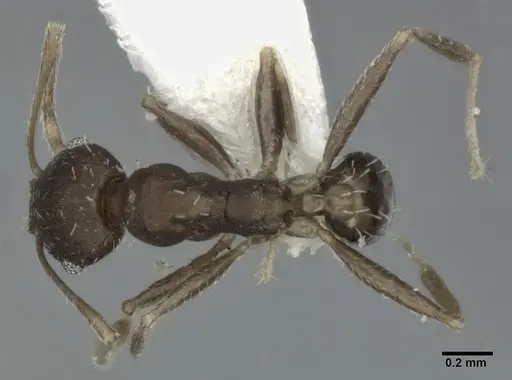
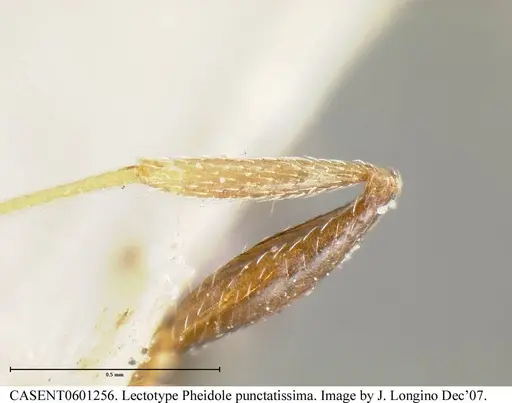
CASENT0601256
View on AntWeb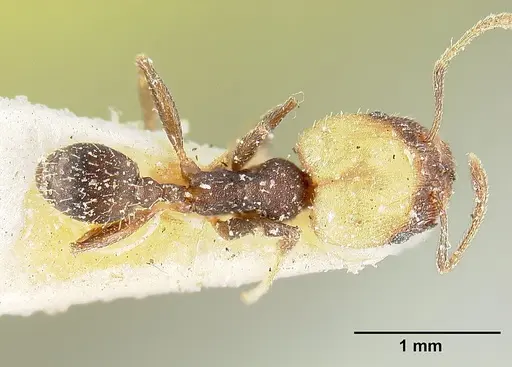
CASENT0601257
View on AntWeb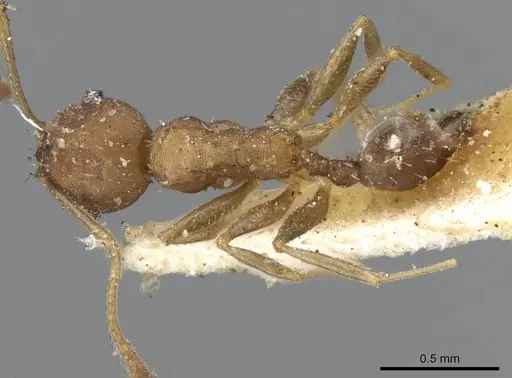
CASENT0619442
View on AntWeb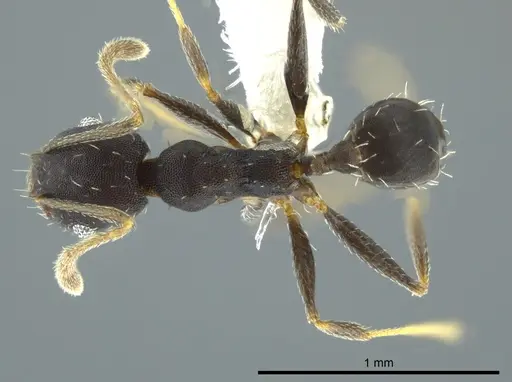
CASENT0619681
View on AntWeb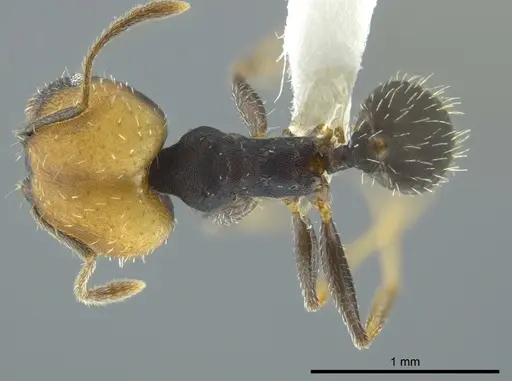
CASENT0635514
View on AntWeb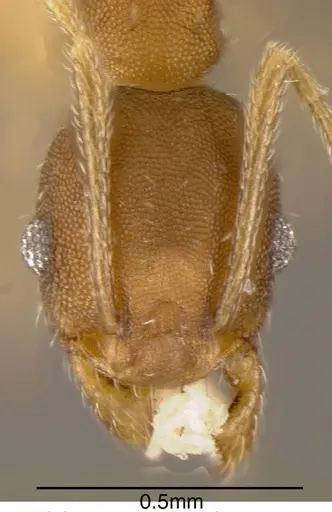
CASENT0901593
View on AntWeb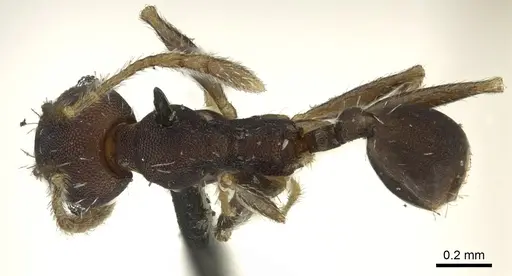
CASENT0901594
View on AntWeb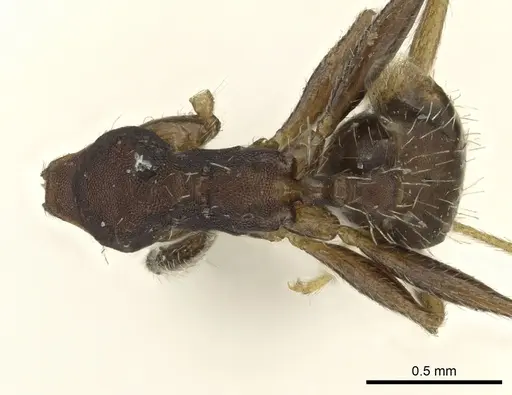
INBIOCRI002279874
View on AntWeb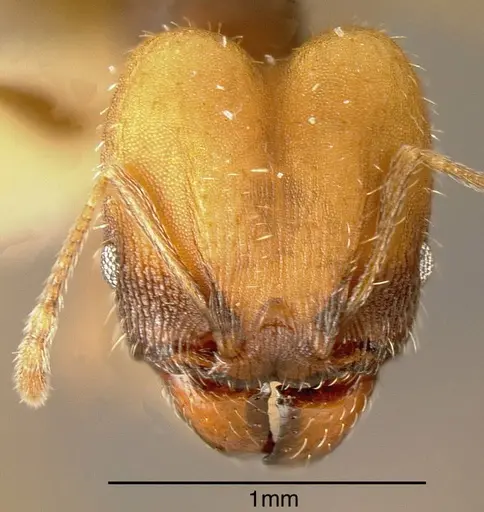
Literature
Loading distribution map...Loading products...