
Pheidole pulchella
- Sci. Name
- Pheidole pulchella
- Tribe
- Attini
- Subfamily
- Myrmicinae
- Author
- Santschi, 1910
- Distribution
- Found in 4 countries
Introduction
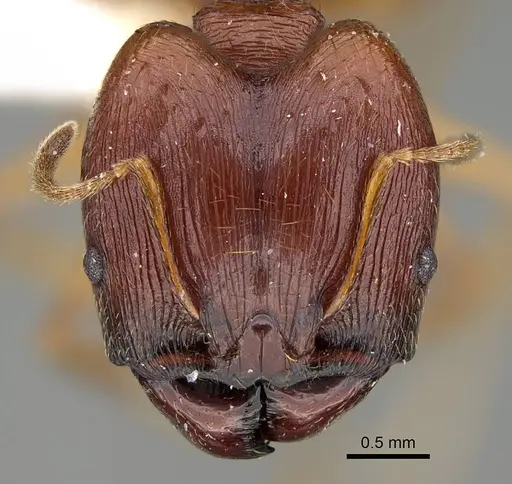
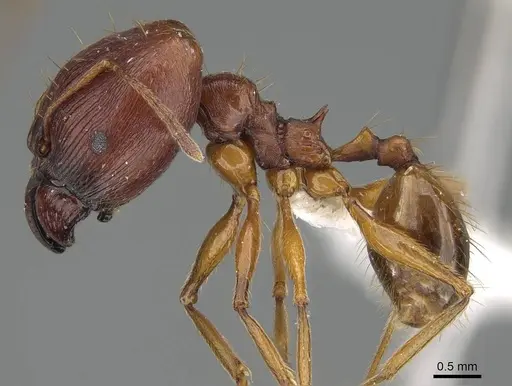
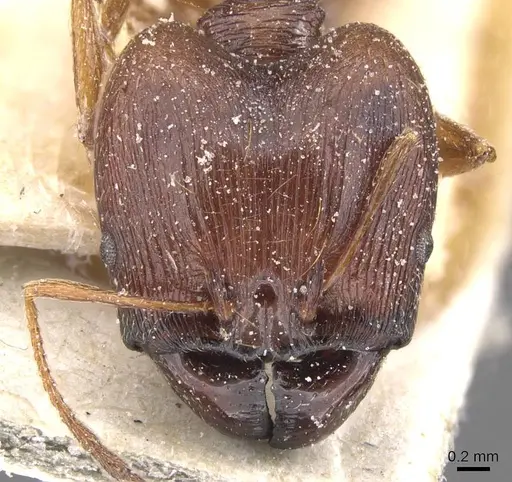
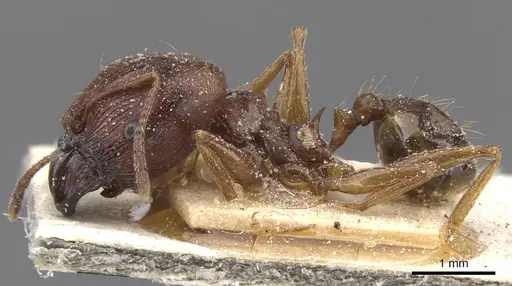
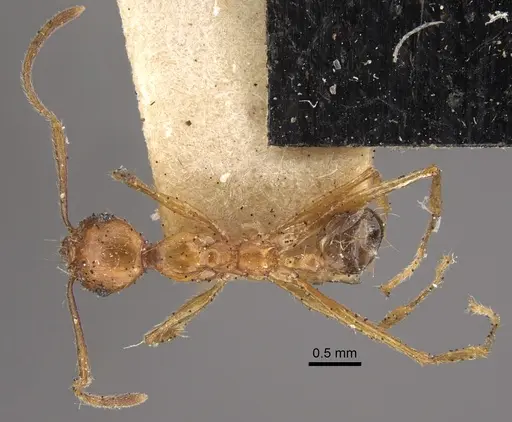
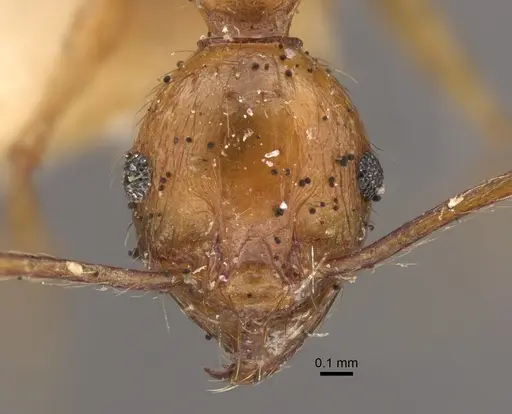
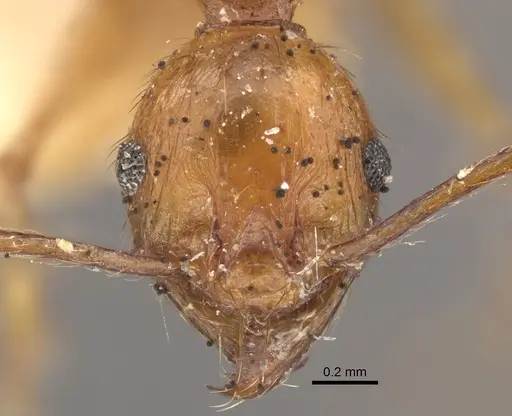
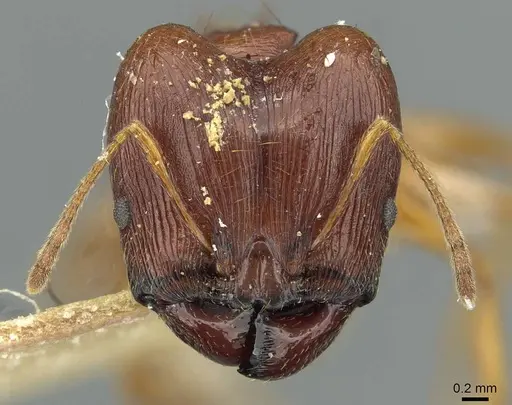
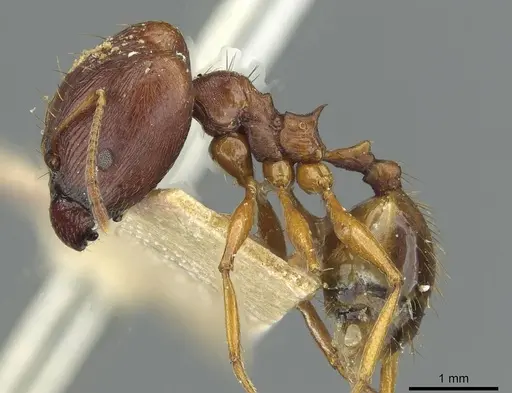
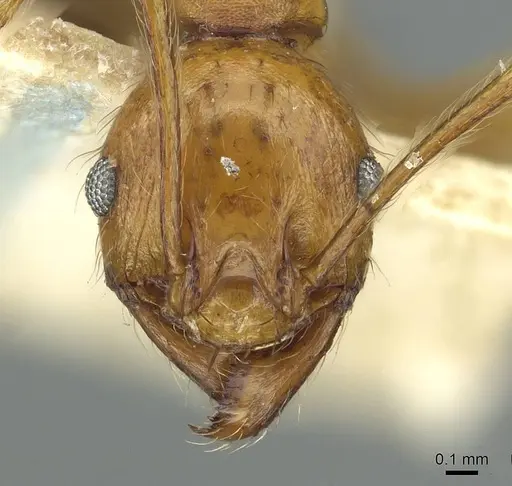
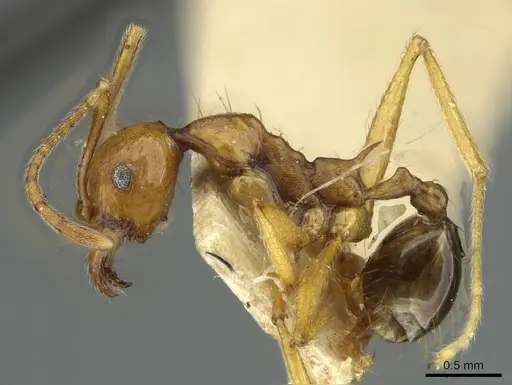
Pheidole pulchella is a small ant species native to Central Africa, found in rainforests of Congo, Democratic Republic of Congo, Gabon, Cameroon, and Kenya . Minor workers are orange with rounded heads, while majors are larger and darker orange with lighter appendages . They inhabit leaf-litter in lowland to mid-elevation areas between 800-1150 meters . This species has a distinct two-caste system with minor and major workers, and research shows they prey on termites in the wild .
Quick Summary
- Difficulty: Medium
- Origin & Habitat: Native to Central Africa, including Congo, D.R. Congo, Gabon, Cameroon, and Kenya. Found in rainforest habitats, collected from sifted leaf-litter at elevations between 800-1150 meters [1][2].
- Colony Type: Colony structure is unconfirmed, no specific data on queen number or social structure in the research context.
- Size & Growth:
- Queen: Size data unavailable, no total length measurements provided in context.
- Worker: Size data unavailable, head width measurements are not full body length, no total length data provided.
- Colony: Unknown, no colony size data in research context.
- Growth: Moderate, inferred from tropical species patterns.
- Development: Unknown, no specific data in research context. (Development time is unconfirmed, tropical species typically have faster development, but no species-specific data available.)
- Antkeeping:
- Temperature: Keep warm, around 24-28°C, inferred from tropical rainforest origin [1].
- Humidity: Keep substrate consistently moist but not waterlogged, inferred from rainforest habitat [2].
- Diapause: No, tropical species do not require diapause, inferred from geographic range.
- Nesting: Y-tong (AAC) or plaster nests work well, inferred from genus patterns, naturalistic setups with moist substrate are also suitable.
- Behavior: Pheidole pulchella is a ground-dwelling species with minor workers handling foraging and brood care, while majors specialize in seed processing and defense. Based on genus patterns, they are generally docile but majors will defend the colony if threatened. Minor workers are small, so escape prevention is important.
- Common Issues: tropical species requires consistent warmth, cold temperatures can slow brood development, small workers need fine mesh barriers to prevent escapes, high humidity requirements mean mold can develop if ventilation is poor, no diapause needed, but consistent conditions are crucial for colony health
Nest Preferences
In the wild, Pheidole pulchella nests in soil and leaf-litter within rainforest environments [2]. For captive care, use Y-tong (AAC) or plaster nests to maintain humidity. Ensure chambers are appropriately sized for small workers, but specific dimensions are unconfirmed. A naturalistic setup with moist substrate allows colonies to create their own tunnels. Keep the nest in a shaded area to maintain stable conditions [2].
Feeding and Diet
Pheidole pulchella is a generalist forager with omnivorous tendencies. Research shows they prey on termites, with DNA from termite prey detected in wild individuals [4]. For captive colonies, offer varied diet: protein sources like small insects, seeds, and sugar sources like honey water. Feed protein 2-3 times per week and provide constant access to sugar water. Remove uneaten prey to prevent mold.
Temperature and Care
As a tropical species, Pheidole pulchella requires warm temperatures around 24-28°C for optimal brood development [1]. Use a heating cable on one side of the nest to create a gradient, allowing workers to self-regulate. Avoid temperature fluctuations and drafts. No diapause is required for this tropical species.
Behavior and Colony Structure
Pheidole pulchella has a two-caste system with minor and major workers. Minor workers handle daily tasks, while majors specialize in seed processing and defense [2]. Workers communicate through chemical trails and tactile signals. Colonies are moderately active, and majors will defend if the nest is disturbed.
Growth and Development
Colony development is unconfirmed in research context. Based on genus patterns, queens may seal themselves in a chamber to raise first workers, but specific founding behavior is unknown. Growth rate is moderate, but no data on timeline or colony size exists.
Frequently Asked Questions
How long does it take for Pheidole pulchella to produce first workers?
No specific data is available in the research context. Development time is unconfirmed, but tropical species typically have faster development.
Can I keep multiple Pheidole pulchella queens together?
Colony type is unconfirmed, so it is unknown if multiple queens can coexist. Based on genus patterns, most Pheidole species are monogyne, but no species-specific data exists.
What do Pheidole pulchella eat?
They are omnivorous generalists. Offer small insects, seeds, and sugar sources. Research shows they prey on termites in the wild [4].
Are Pheidole pulchella good for beginners?
Difficulty is medium. They require warm, humid conditions, which can be challenging, but their generalist diet makes them manageable for intermediate keepers.
Do Pheidole pulchella need hibernation?
No, as a tropical species, they do not require diapause. Maintain consistent temperatures year-round.
When should I move Pheidole pulchella to a formicarium?
Keep them in a test tube setup until the colony is crowded. Transfer to a Y-tong or plaster nest when needed, using gentle methods.
How big do Pheidole pulchella colonies get?
Colony size is unknown, no data in research context.
Why are my Pheidole pulchella dying?
Common causes include low temperatures, poor humidity, mold, or escapes. Check conditions first and ensure proper care.
Report an Issue
The current care sheet is based fully on literature. See inconsistencies, or something that's incorrect? Please , it will be resolved after review from an admin. Contributing to the blogs tab also helps providing information, to make us be able to further improve the caresheets. Thank you for your support!
References

This caresheet is licensed under CC BY-SA 4.0 .
Community Blogs
CASENT0218336
View on AntWeb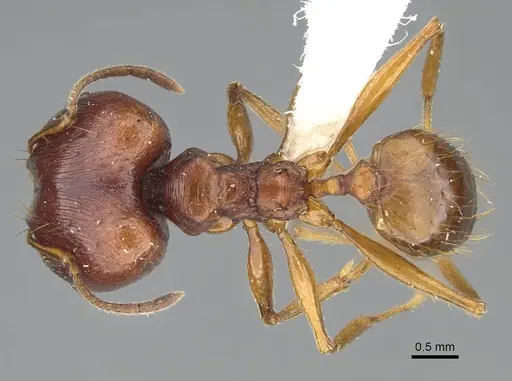
CASENT0913402
View on AntWeb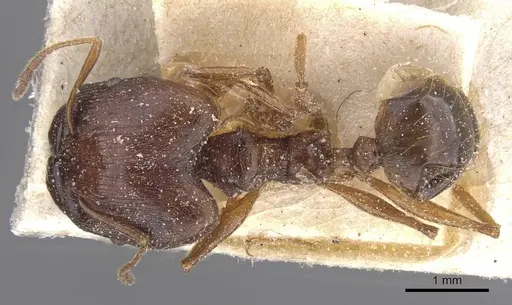
CASENT0913403
View on AntWeb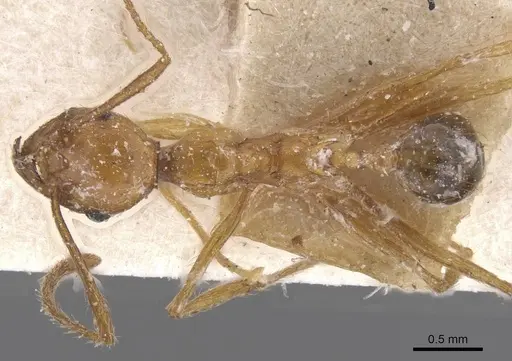
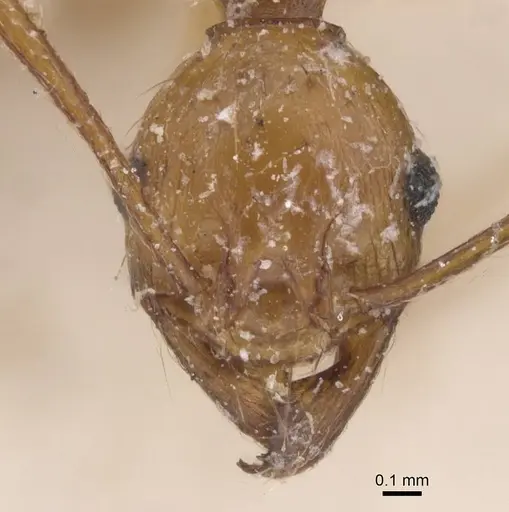
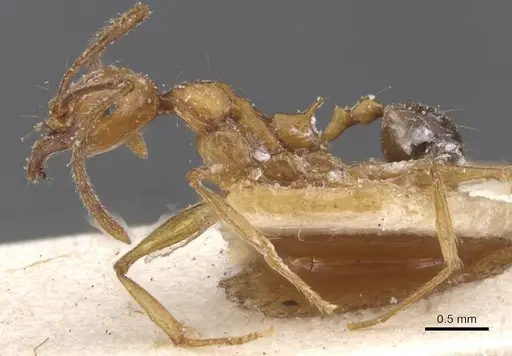
CASENT0913404
View on AntWeb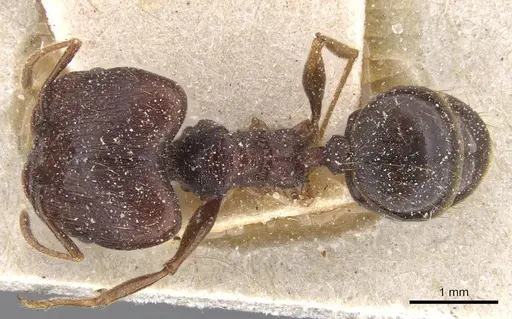
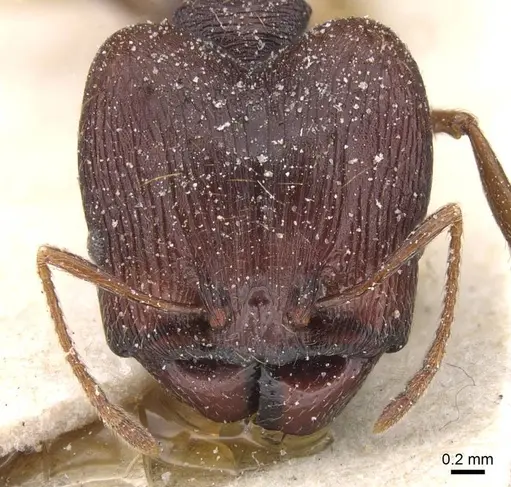
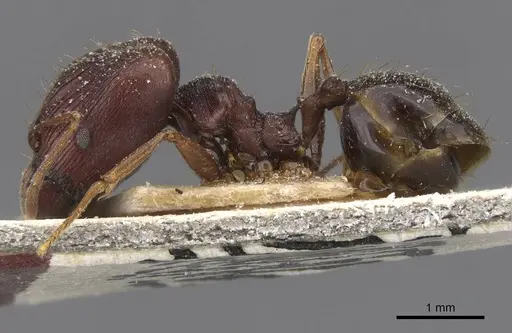
CASENT0917782
View on AntWeb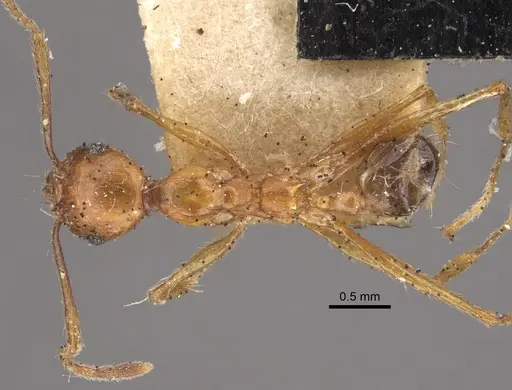
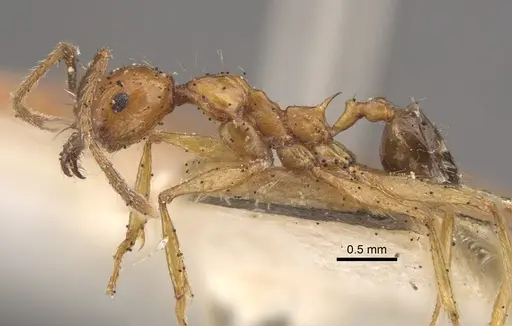
FOCOL1345
View on AntWeb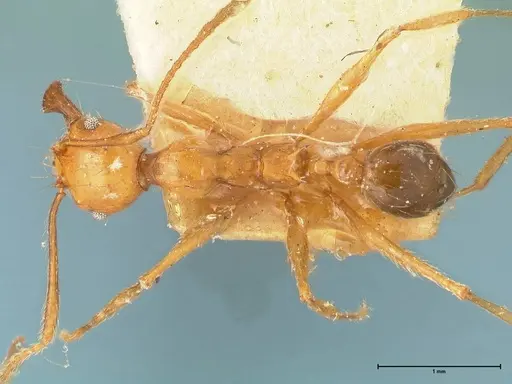
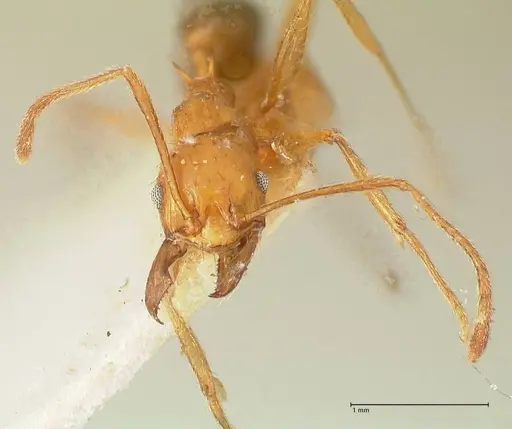
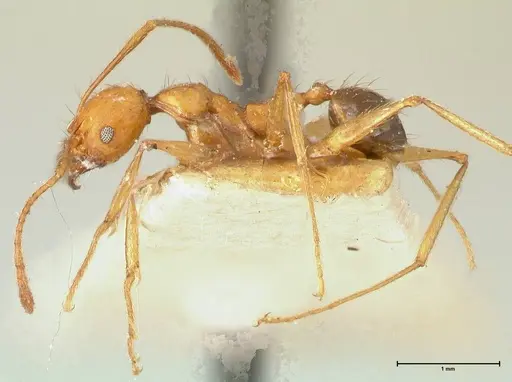
RMCAENT000017754
View on AntWeb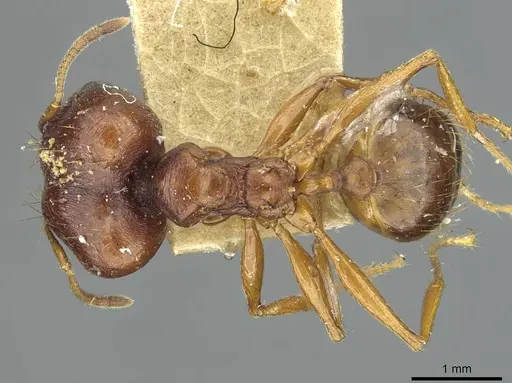
RMCAENT000017755
View on AntWeb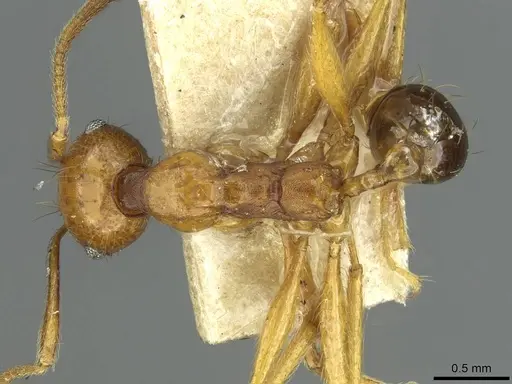
Literature
Loading distribution map...Loading products...