
Pheidole praeusta
- Sci. Name
- Pheidole praeusta
- Tribe
- Attini
- Subfamily
- Myrmicinae
- Author
- Roger, 1863
- Distribution
- Found in 1 countries
Introduction
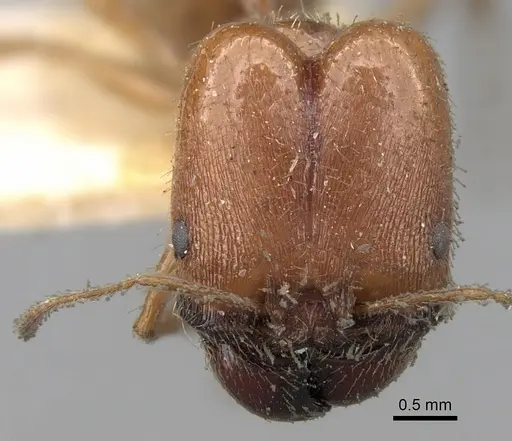
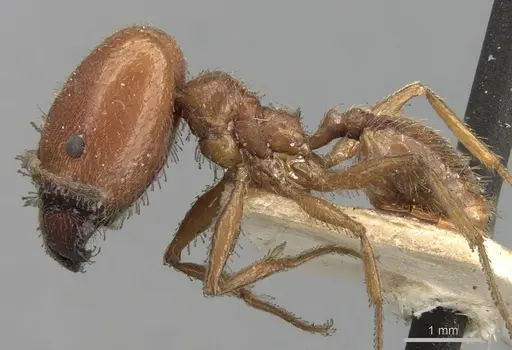
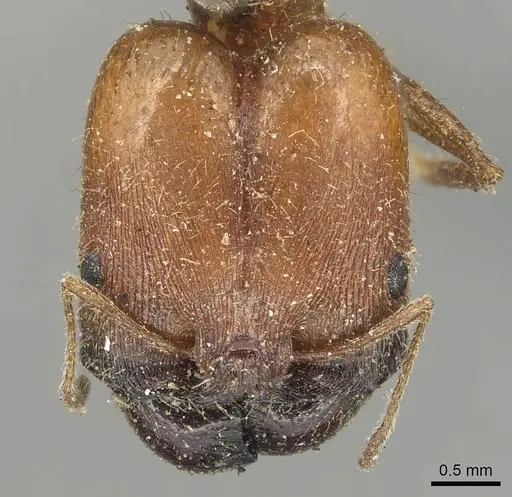
Pheidole praeusta is a Neotropical ant with a trimorphic worker caste system, meaning it produces three distinct worker types: minor workers, soldiers, and super soldiers . This species is native to Colombia, Ecuador, and Brazil, inhabiting tropical dry forests and agricultural areas like orange crops . Workers vary in size, with minors being small and soldiers and super soldiers being larger, inferred from Pheidole genus patterns. What makes this species notable is its unique nest architecture, with entrances that resemble a flower calyx .
Quick Summary
- Difficulty: Medium
- Origin & Habitat: Colombia (Magdalena, Barranquilla, Aracataca, Santa Marta), with records in Ecuador and Brazil. Inhabits tropical dry forest and agricultural areas [1][2].
- Colony Type: Based on typical Pheidole patterns, likely monogyne (single queen colonies). Colonies contain three worker castes: minor workers, soldiers, and super soldiers [1].
- Size & Growth:
- Queen: Approximately 8-10 mm inferred from Pheidole genus
- Worker: Minor workers approximately 2-3 mm, soldiers 4-5 mm, super soldiers 5-6 mm inferred from Pheidole genus
- Colony: Up to several hundred workers estimated
- Growth: Moderate
- Development: 8-12 weeks estimated based on typical Pheidole development (Development timeline is estimated, minor workers appear first, with soldiers and super soldiers developing as colony matures)
- Antkeeping:
- Temperature: Keep warm, roughly 24-28°C, as this is a tropical species inferred from habitat
- Humidity: Keep nest substrate consistently moist but not waterlogged inferred from tropical habitat
- Diapause: No, as a tropical species they do not require hibernation inferred from geographic range
- Nesting: Y-tong or plaster nests work well. Provide soil or substrate for natural nest-building behavior inferred from genus patterns
- Behavior: Minor workers are active foragers, soldiers defend the colony vigorously. Not highly aggressive toward keepers, but escape risk exists due to small worker size inferred from genus patterns
- Common Issues: slow colony growth due to trimorphic caste system, soldiers and super soldiers take longer to develop, small minor workers can escape through standard barrier setups, use fine mesh and tight-fitting lids, tropical humidity requirements can lead to mold if ventilation is poor, colonies may fail if kept too cool, maintain warm temperatures year-round, wild-caught colonies may carry parasites that affect captive success
Housing and Nest Setup
Use Y-tong or plaster nests that maintain humidity. For founding colonies, a test tube setup works well, fill with water stopped by cotton and place the queen in the humid chamber. As the colony grows, move to a larger nest with chambers big enough for super soldiers. Provide soil or substrate to allow natural nest-building behavior, as this species builds distinctive entrances with raised walls [3].
Feeding and Diet
Offer seeds like millet, chia, or cracked sunflower as a staple food. Supplement with small insects like fruit flies or pinhead crickets twice weekly. Sugar water or honey can be offered occasionally. Feed every 2-3 days and remove uneaten prey to prevent mold inferred from Pheidole genus patterns.
Temperature and Seasonal Care
Maintain temperatures around 24-28°C for optimal brood development. Use a heating cable on one side of the nest to create a gradient. Avoid temperatures below 20°C for extended periods. No hibernation is needed as a tropical species inferred from geographic range.
The Trimorphic Caste System
This species produces three worker castes: minor workers handle foraging and nursing, soldiers defend and process seeds, and super soldiers serve as additional defenders [1]. This trimorphic system is rare in South America and develops as the colony matures.
Unique Nest Architecture
In the wild, nests have convoluted slit entrances surrounded by raised earthen walls, resembling a flower calyx [3]. While captive colonies may not build this, providing soil allows natural behavior.
Behavior and Colony Dynamics
Minor workers forage actively, while soldiers and super soldiers defend the nest. The colony establishes foraging trails once established. Escape prevention is important due to small worker size inferred from genus patterns.
Frequently Asked Questions
How long does it take for Pheidole praeusta to produce first workers?
Expect first workers in 6-8 weeks after queen lays eggs, assuming warm temperatures. This is typical for Pheidole species [1].
What do Pheidole praeusta ants eat?
They are omnivores with a seed preference. Offer various seeds and small insects like fruit flies or pinhead crickets.
Can I keep multiple Pheidole praeusta queens together?
Not recommended, as this species is likely monogyne. Combining queens may result in fighting.
What temperature is best for Pheidole praeusta?
Keep them warm at 24-28°C for proper brood development.
How big do Pheidole praeusta colonies get?
Colonies can reach up to several hundred workers estimated from related species.
Are Pheidole praeusta good for beginners?
This species is rated medium difficulty due to temperature and humidity requirements.
Do Pheidole praeusta need hibernation?
No, as a tropical species from Colombia, they do not require hibernation.
When should I move my colony to a formicarium?
Move from test tube to larger nest when the colony reaches 50-100 workers.
Why are my super soldiers dying?
Super soldier mortality can occur due to stress, low temperatures, or inadequate humidity. Ensure proper conditions.
Report an Issue
The current care sheet is based fully on literature. See inconsistencies, or something that's incorrect? Please , it will be resolved after review from an admin. Contributing to the blogs tab also helps providing information, to make us be able to further improve the caresheets. Thank you for your support!
References

This caresheet is licensed under CC BY-SA 4.0 .
Community Blogs
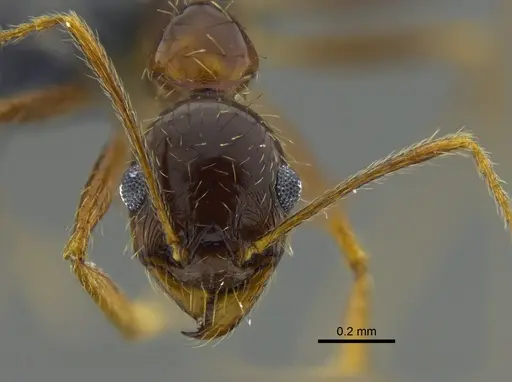
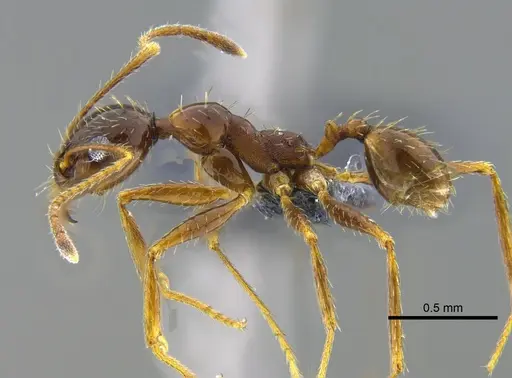
CASENT0281752
View on AntWeb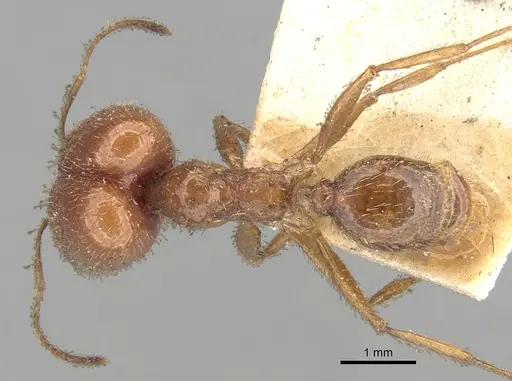
CASENT0281753
View on AntWeb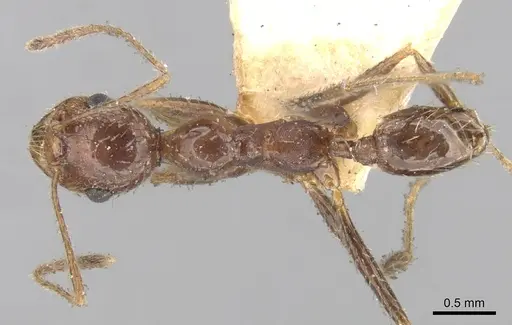
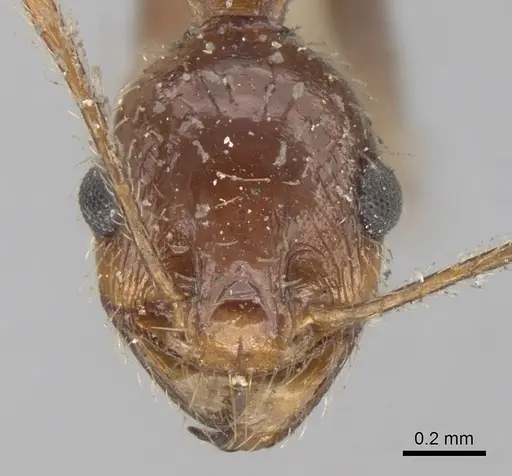
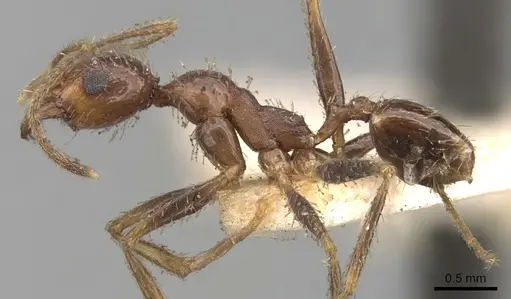
CASENT0908158
View on AntWeb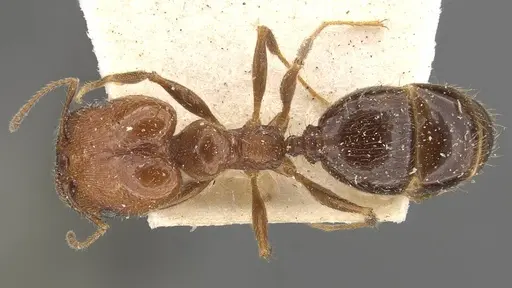
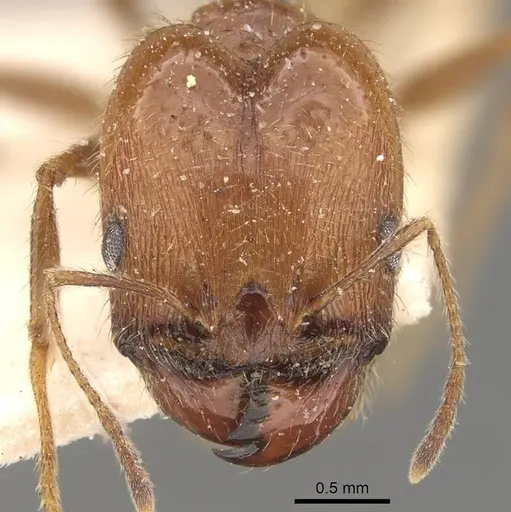
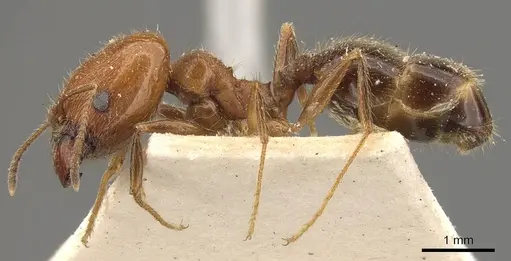
CASENT0908159
View on AntWeb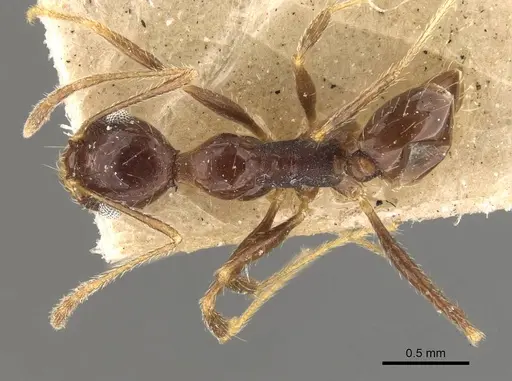
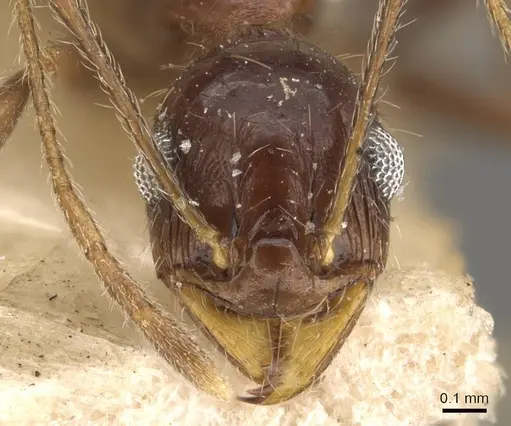
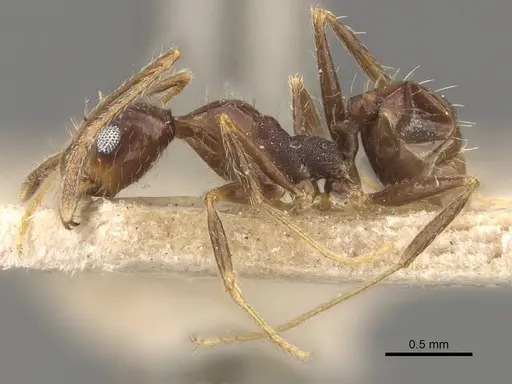
CASENT0915435
View on AntWeb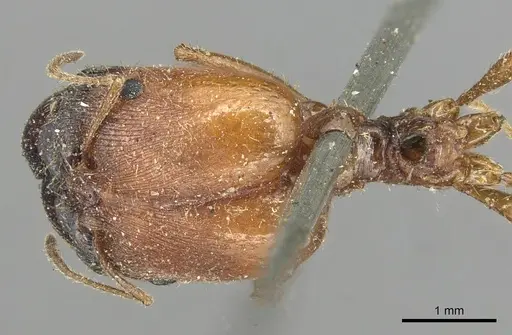
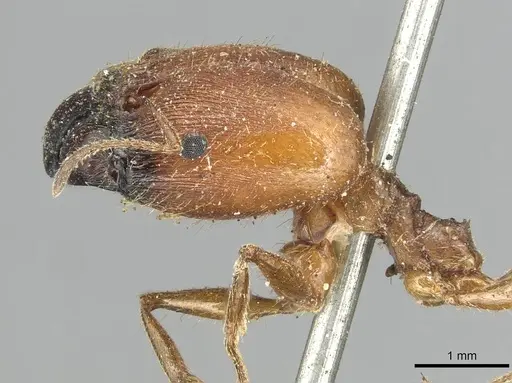
CBUMAGENT42035
View on AntWeb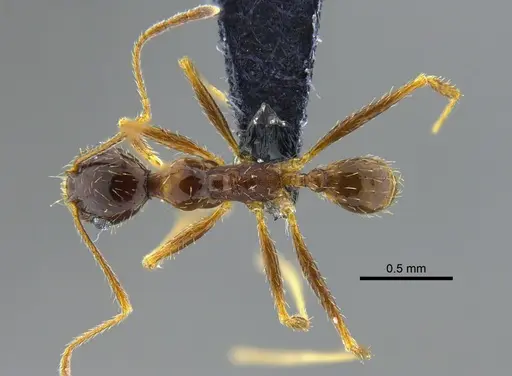
Literature
Loading distribution map...Loading products...