
Pheidole potosiana
- Sci. Name
- Pheidole potosiana
- Tribe
- Attini
- Subfamily
- Myrmicinae
- Author
- Wilson, 2003
- Distribution
- Found in 2 countries
Introduction
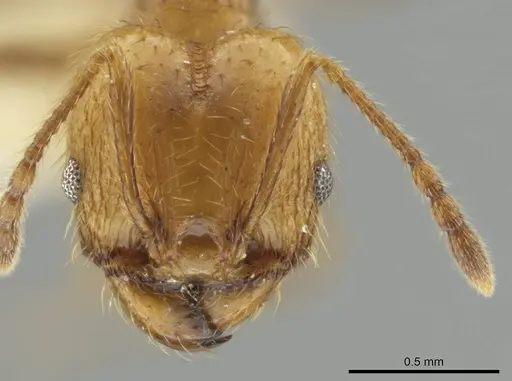
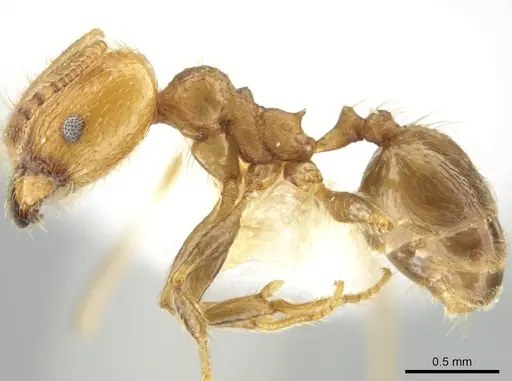
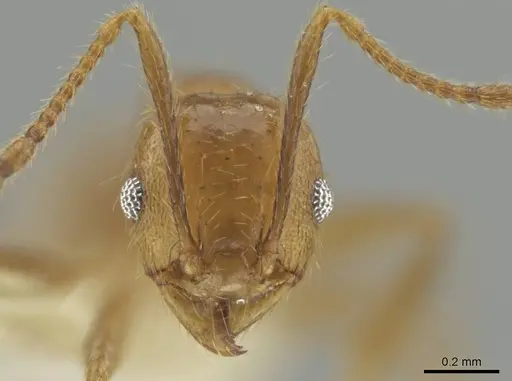
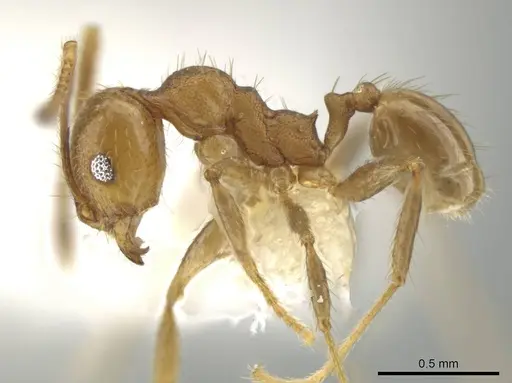
Pheidole potosiana is a small ant from the fallax group, native to wet and dry forests in southern Mexico to Costa Rica . Major workers have a plush layer of short hairs on the gaster, while minors have smooth faces . Full body size is unknown, but inferred from the Pheidole genus to be small [inferred from Pheidole genus]. This species is primarily ground-foraging, commonly collected from bait on the forest floor .
Quick Summary
- Difficulty: Medium
- Origin & Habitat: Southern Mexico to Costa Rica, in wet to dry forest habitats. Forages on the forest floor [1][2].
- Colony Type: Unconfirmed, no specific data on queen number. Based on Pheidole patterns, likely monogyne (single queen colonies).
- Size & Growth:
- Queen: Size data unavailable, inferred from Pheidole genus to be around 5-6 mm total length
- Worker: Size data unavailable, inferred from Pheidole genus to be small, up to 4 mm total length
- Colony: Up to a few thousand workers, estimated from genus patterns
- Growth: Moderate, typical for tropical Pheidole
- Development: 6-10 weeks, estimated from related Pheidole species (Development time is temperature-dependent.)
- Antkeeping:
- Temperature: Keep warm, around 24-28°C, inferred from tropical habitat
- Humidity: Keep substrate moist but not waterlogged, inferred from forest floor habitat [3]
- Diapause: No, tropical species, no hibernation needed
- Nesting: Y-tong or plaster nests work well, inferred from genus preferences
- Behavior: Active foragers, not aggressive toward keepers. Escape risk is moderate due to small size.
- Common Issues: cold temperatures can stress or kill colonies, tropical species requires warmth., slow initial growth during founding, patience needed., overfeeding can lead to mold in enclosed nests., wild-caught colonies may carry parasites., small size requires careful escape prevention.
Housing and Nest Setup
Pheidole potosiana does well in Y-tong or plaster nests. Since they are forest-floor ants, provide some substrate depth. Keep part of the nest moist to match their natural habitat [3]. Use standard escape prevention (e.g., Fluon on rims) due to their small size.
Feeding and Diet
They are omnivorous scavengers. Offer protein sources like small insects (e.g., fruit flies) and sugar water or honey water. Feed protein 2-3 times per week and keep sugar available at all times.
Temperature and Seasonal Care
As a tropical species, keep temperatures around 24-28°C year-round. Avoid prolonged exposure below 20°C. No diapause is needed, maintain warm conditions continuously.
Colony Development and Growth
Colonies grow through a caste system with majors and minors. Initial growth is slow during founding, then moderate once workers emerge. Full development to thousands of workers may take 1-2 years under optimal conditions.
Behavior and Observation
These ants are active foragers, primarily at night or crepuscular hours [1][2]. Majors help process food, while minors handle foraging and brood care. They are not skittish and can be observed during foraging.
Frequently Asked Questions
How long does it take for Pheidole potosiana to produce first workers?
Expect first workers in 6-10 weeks at 24-28°C, estimated from related Pheidole species.
What do Pheidole potosiana ants eat?
They are omnivorous. Offer small insects for protein and sugar water.
Do Pheidole potosiana ants need hibernation?
No, as a tropical species, they do not require hibernation.
How big do Pheidole potosiana colonies get?
Colonies can reach up to a few thousand workers, estimated from genus patterns.
Are Pheidole potosiana ants good for beginners?
They are moderate difficulty due to tropical requirements and slow growth.
Can I keep multiple Pheidole potosiana queens together?
This species is likely monogyne, so combining queens is not recommended.
What makes Pheidole potosiana different from other Pheidole?
They have a distinctive plush layer of short hairs on the gaster [3].
When should I move Pheidole potosiana to a formicarium?
Keep them in a founding setup until the colony has 30-50 workers, then move to a larger nest.
Why are my Pheidole potosiana dying?
Common causes include cold temperatures, improper humidity, mold from overfeeding, or stress.
Report an Issue
The current care sheet is based fully on literature. See inconsistencies, or something that's incorrect? Please , it will be resolved after review from an admin. Contributing to the blogs tab also helps providing information, to make us be able to further improve the caresheets. Thank you for your support!
References

This caresheet is licensed under CC BY-SA 4.0 .
Community Blogs
CASENT0609503
View on AntWeb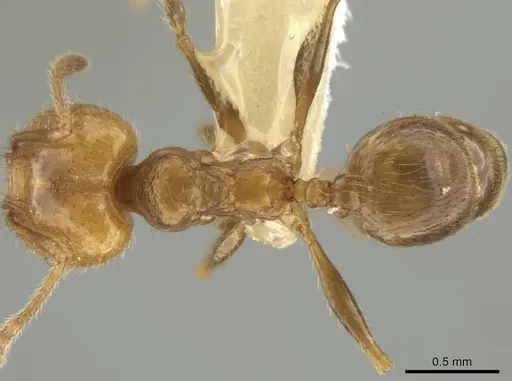
CASENT0609506
View on AntWeb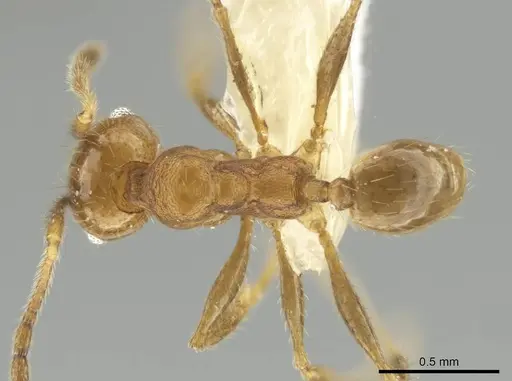
Literature
Loading distribution map...Loading products...