
Pheidole podargea
- Sci. Name
- Pheidole podargea
- Tribe
- Attini
- Subfamily
- Myrmicinae
- Author
- Salata & Fisher, 2020
- Distribution
- Found in 1 countries
Introduction
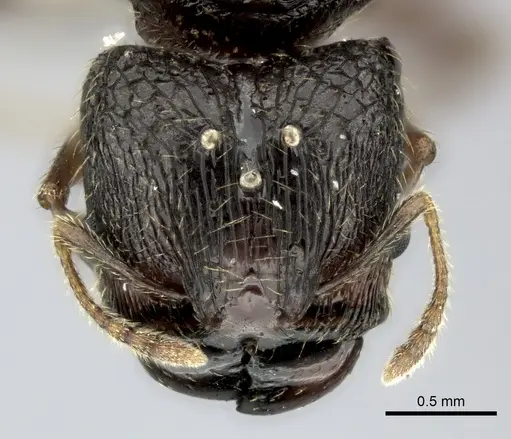
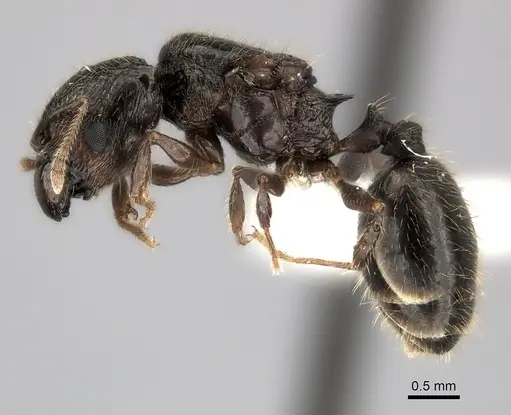
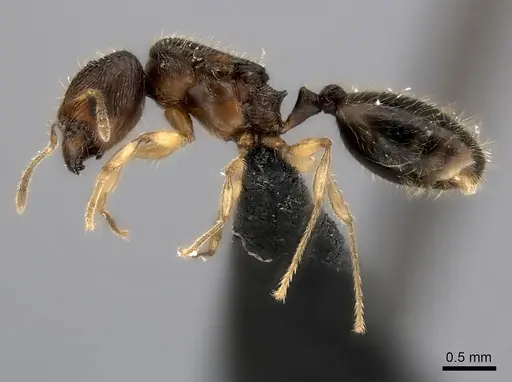
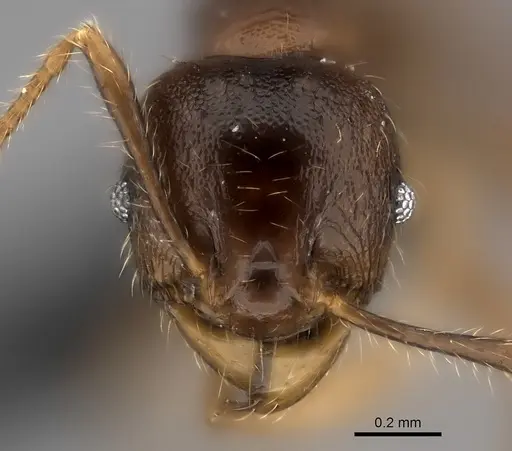
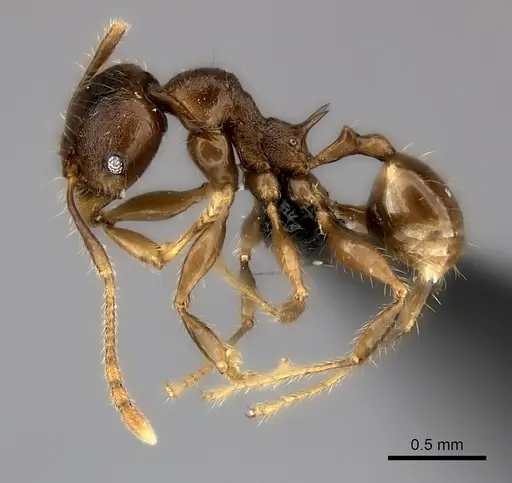
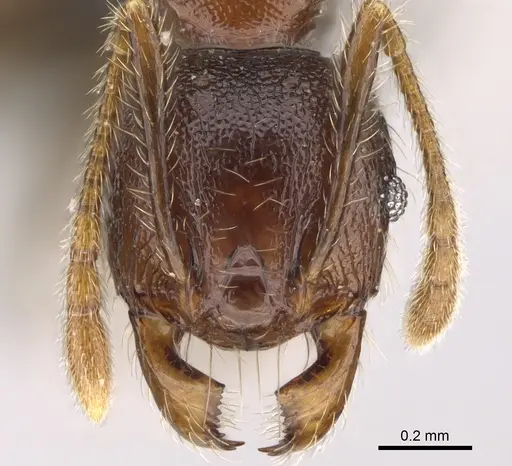
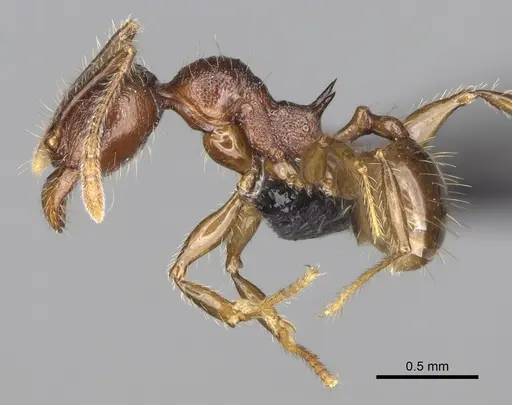
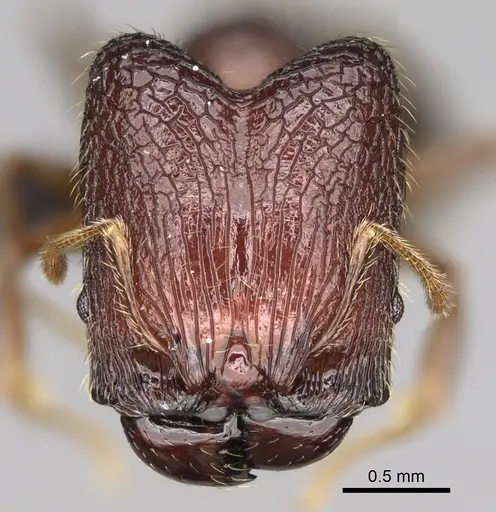
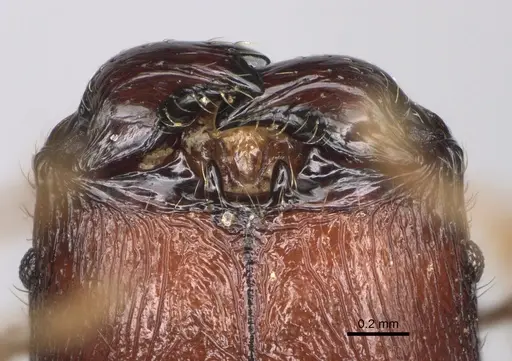
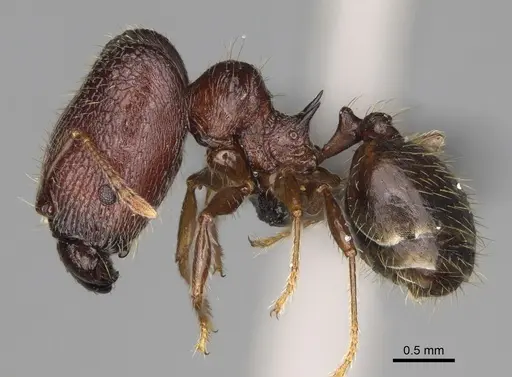
Pheidole podargea is a small ant species native to Madagascar, described in 2020. It belongs to the Pheidole ensifera species group and is characterized by long propodeal spines, which inspired its name from Podarge, a harpy in Greek mythology . The species nests in rotten logs in rainforest and tropical dry forest at elevations between 210-800 meters . It is similar to Pheidole aelloea and Pheidole ocypodea but can be distinguished by its hypostomal teeth structure and lack of smooth sculpture on the genae and propodeum .
Quick Summary
- Difficulty: Medium
- Origin & Habitat: Madagascar (Antsiranana region), rainforest and tropical dry forest, elevation 210-800m [1][2]
- Colony Type: Unconfirmed, based on Pheidole genus patterns, likely monogyne or polygyne, but not directly documented for this species
- Size & Growth:
- Queen: Size data unavailable for body length, inferred from Pheidole genus as approximately 8-10 mm
- Worker: Size data unavailable for body length, inferred from Pheidole genus as approximately 2-4 mm for majors and 1-2 mm for minors
- Colony: Unknown, no specific data on maximum colony size
- Growth: Moderate, inferred from genus patterns
- Development: Unconfirmed, estimated 6-10 weeks based on typical Pheidole development at tropical temperatures (Development time inferred from related species, exact timeline unconfirmed for this species)
- Antkeeping:
- Temperature: Keep warm, roughly 24-28°C, inferred from tropical habitat [1]
- Humidity: Keep nest substrate consistently moist but not waterlogged, inferred from rainforest origin [1]
- Diapause: No, tropical species do not require hibernation, maintain warm temperatures year-round
- Nesting: Prefer humid, wood-based nests like rotten logs, in captivity, use Y-tong, plaster, or naturalistic setups with rotten wood material [1]
- Behavior: Workers are active foragers that search for seeds and protein. Major workers help process larger food items, while minors handle most foraging and brood care. They are not particularly aggressive but will defend the nest. Minor workers are small, so escape prevention is important, ensure connections between nest and outworld are secure. Defense mechanism includes a sting, typical of Myrmicinae ants, but not medically significant to humans
- Common Issues: high humidity requirements can lead to mold if ventilation is poor, tropical species may struggle if temperatures drop below 22°C, small workers may escape through loose cotton or gaps in setup, colonies may be slow to establish during founding phase, limited documented care information, much is inferred from genus patterns
Nest Preferences and Housing
In the wild, Pheidole podargea nests exclusively in rotten logs within rainforest and tropical dry forest environments [1]. This indicates a preference for humid, wood-based nesting materials that retain moisture. For captive care, Y-tong nests or plaster nests work well because they allow humidity control. Naturalistic setups with rotten wood pieces can also be used but require more maintenance to prevent mold. Ensure chambers are appropriately sized for small workers. Keep the nest area consistently humid but provide some drier areas in the outworld for self-regulation [1].
Feeding and Diet
Pheidole ants are primarily granivorous, collecting and eating seeds. In captivity, offer small seeds like millet or sesame, plus protein from insects such as fruit flies or pinhead crickets twice per week. Sugar water or honey can be offered occasionally. Remove uneaten protein within 24-48 hours to prevent mold. During founding, queens rely on stored fat reserves, once workers emerge, ensure food is available in the outworld [1].
Temperature and Seasonal Care
As a tropical species from Madagascar, Pheidole podargea requires warm temperatures year-round. Aim for 24-28°C in the nest area to support brood development. Use a heating cable or mat to create a temperature gradient. Room temperature may suffice if consistently warm, but monitor colony activity. Unlike temperate species, this ant does not require hibernation. Avoid temperatures below 22°C for extended periods.
Behavior and Colony Dynamics
Pheidole podargea has major and minor workers. Major workers have enlarged heads and help process food, while minors handle foraging and brood care. Colonies likely grow to several hundred workers over time, but maximum size is unconfirmed. Workers are active foragers and not highly aggressive but will defend the nest. The long propodeal spines are a notable feature and may serve a defensive function. Escape risk is moderate due to small worker size, ensure secure connections between nest and outworld [1].
Growth and Development
The development timeline for P. podargea is unconfirmed, but typical Pheidole species complete egg-to-worker development in 6-10 weeks at tropical temperatures. The claustral founding behavior is not documented for this species, so it is unconfirmed. After first workers emerge, colony growth is moderate. Major workers typically appear later in colony development. Patience is key during the founding phase.
Frequently Asked Questions
How long does it take for Pheidole podargea to raise their first workers?
The exact timeline is unconfirmed, but based on typical Pheidole genus patterns, expect 6-10 weeks from egg to first worker at optimal tropical temperatures (24-28°C).
What do Pheidole podargea ants eat?
They are primarily granivorous, eating small seeds like millet or sesame, plus protein from insects like fruit flies or pinhead crickets. Offer protein twice weekly and remove uneaten food to prevent mold [1].
Do Pheidole podargea ants need hibernation?
No. Being a tropical species from Madagascar, they do not require hibernation. Keep them warm year-round at 24-28°C.
What size colony does Pheidole podargea reach?
The maximum colony size is not documented for this species. Typical Pheidole colonies can grow to several hundred workers, but no specific data is available.
Are Pheidole podargea ants good for beginners?
This species is rated Medium difficulty. While not the easiest, they are manageable for keepers with some experience. Main challenges include maintaining high humidity and warm temperatures year-round.
What nest type is best for Pheidole podargea?
Y-tong or plaster nests work well. They naturally nest in rotten logs, so prefer humid, wood-based materials. Ensure the nest maintains moisture while providing drier areas in the outworld [1].
Can I keep multiple queens together?
Pheidole podargea colony structure is not documented. Many Pheidole species are facultatively polygynous, but combining unrelated queens is not recommended without specific documentation.
Why are my Pheidole podargea dying?
Common causes include temperatures below 22°C, low humidity causing desiccation, mold from excessive moisture, or starvation if protein is not offered regularly. Check your setup before troubleshooting.
How fast do Pheidole podargea colonies grow?
Growth is moderate. Expect first workers after 6-10 weeks, then gradual expansion over months. Patience is essential as colonies take time to establish.
Report an Issue
The current care sheet is based fully on literature. See inconsistencies, or something that's incorrect? Please , it will be resolved after review from an admin. Contributing to the blogs tab also helps providing information, to make us be able to further improve the caresheets. Thank you for your support!
References

This caresheet is licensed under CC BY-SA 4.0 .
Community Blogs
CASENT0406673
View on AntWeb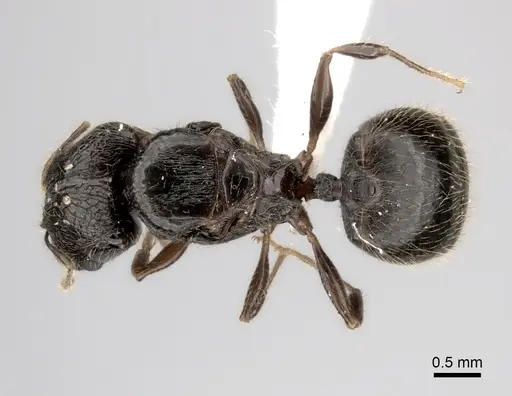
CASENT0427699
View on AntWeb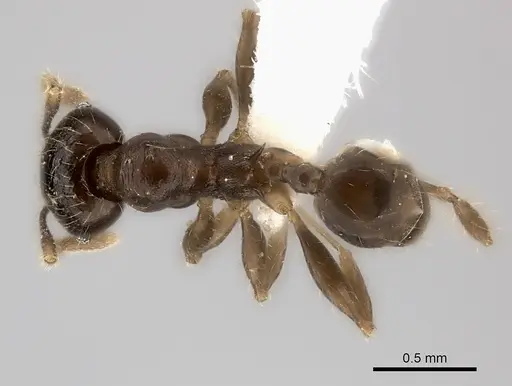
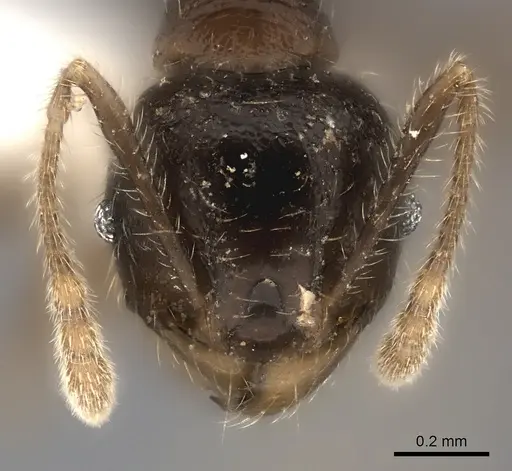
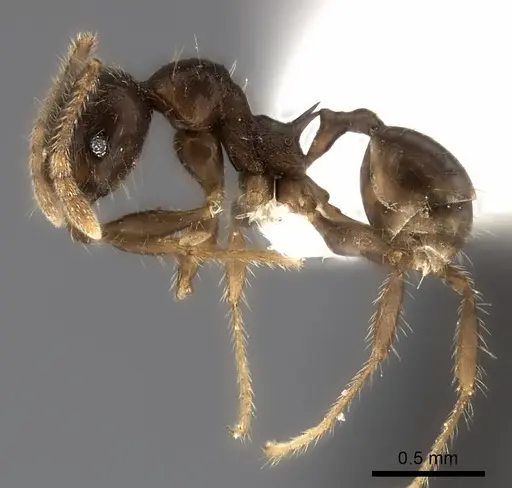
CASENT0440765
View on AntWeb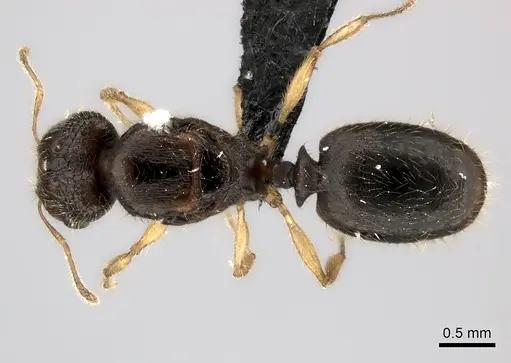
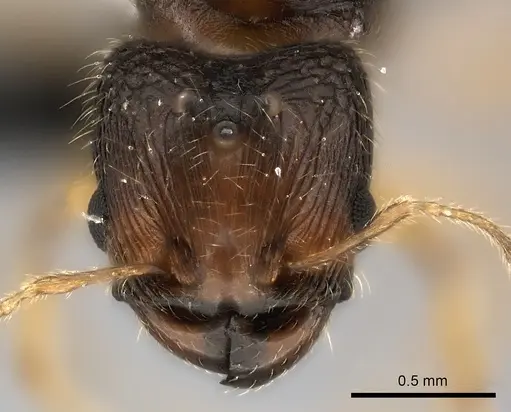
CASENT0440769
View on AntWeb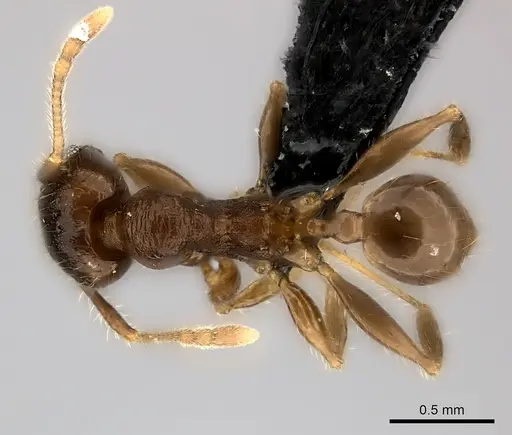
CASENT0487567
View on AntWeb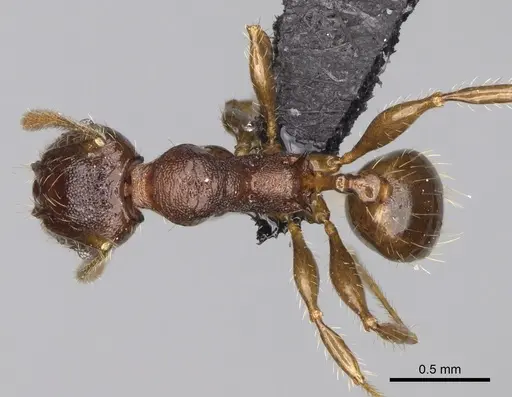
CASENT0487570
View on AntWeb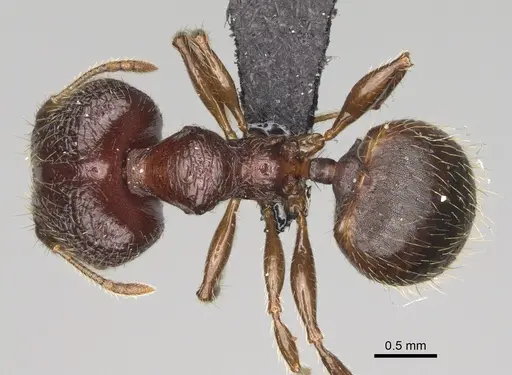
Literature
Loading distribution map...Loading products...