
Pheidole plebecula
- Sci. Name
- Pheidole plebecula
- Tribe
- Attini
- Subfamily
- Myrmicinae
- Author
- Forel, 1899
- Distribution
- Found in 6 countries
Introduction
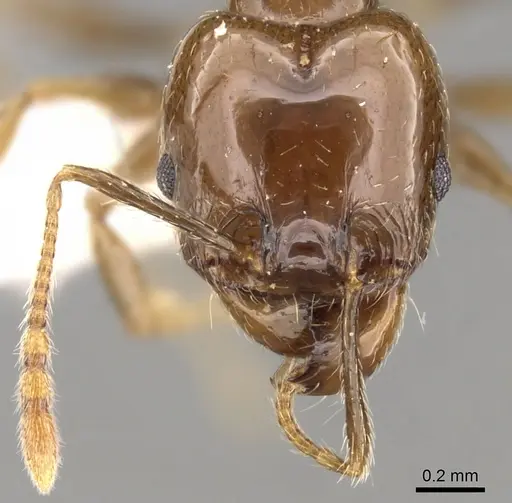
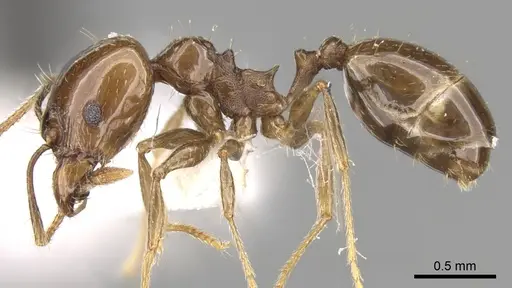
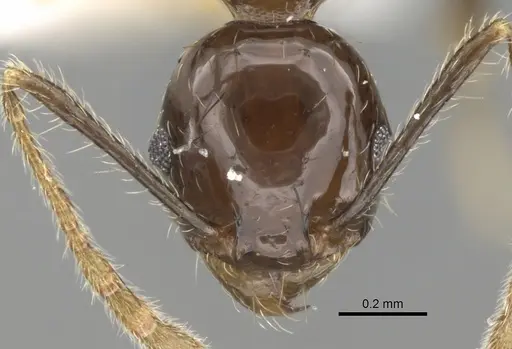
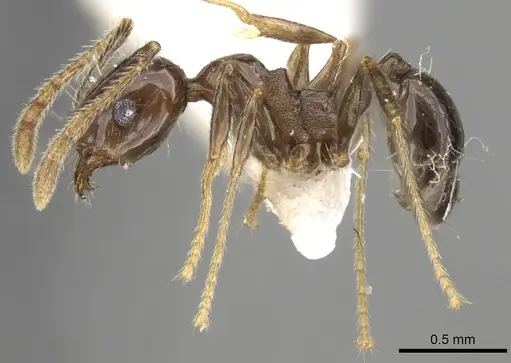
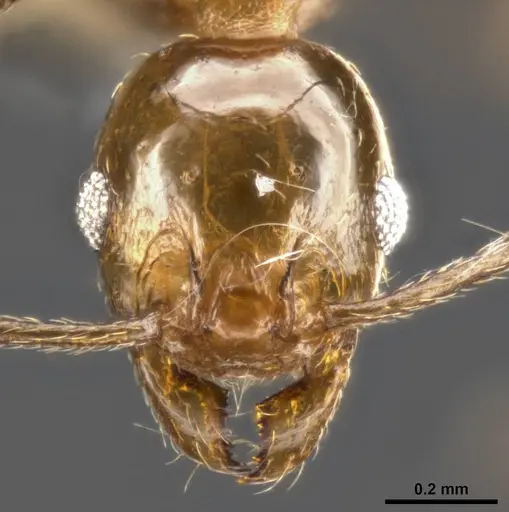
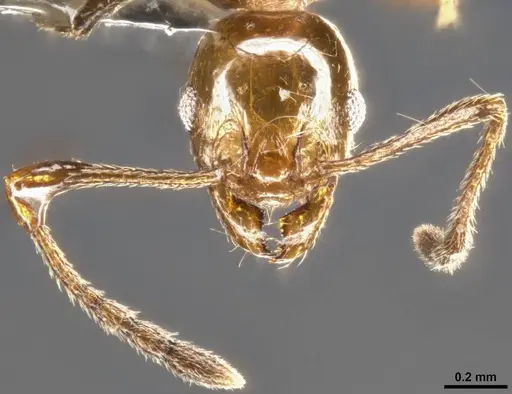
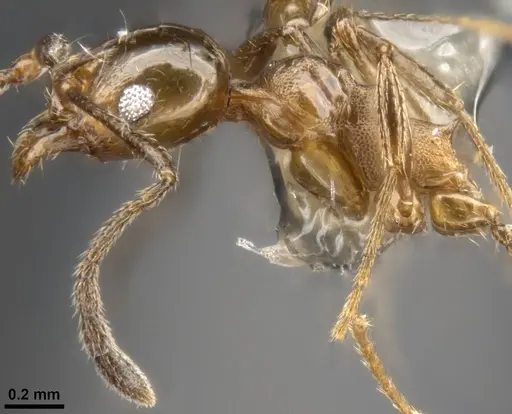
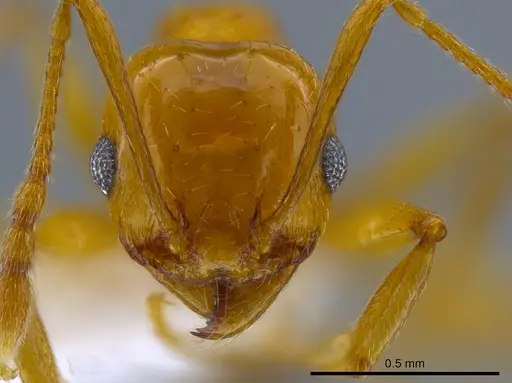
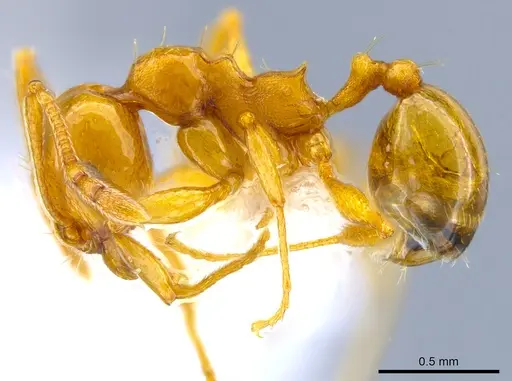
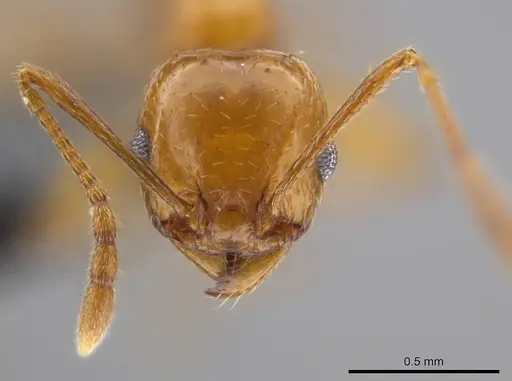
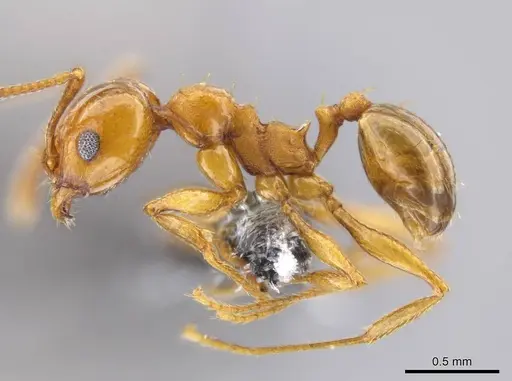
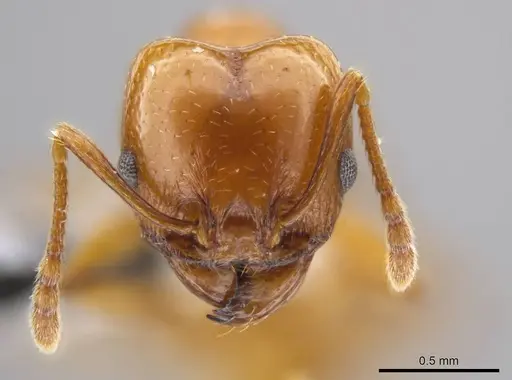
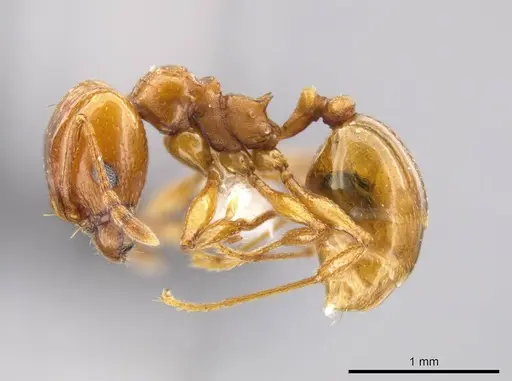
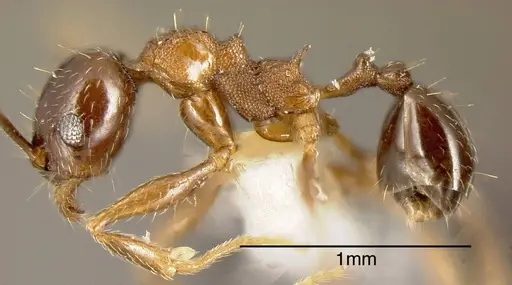
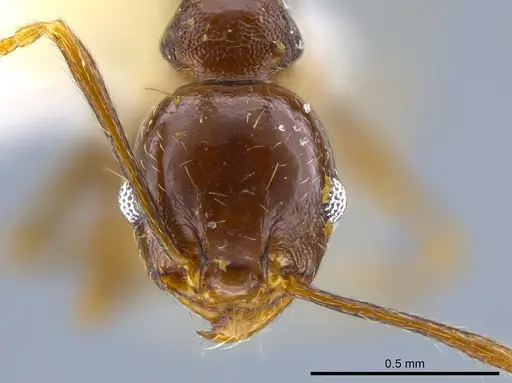
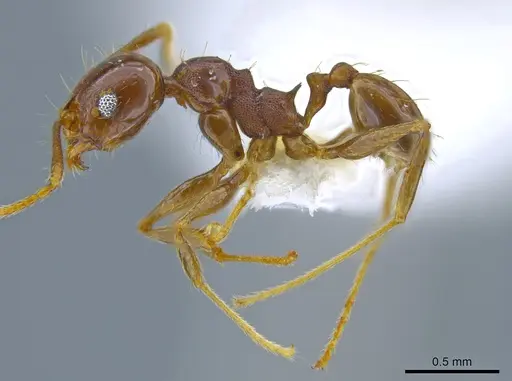
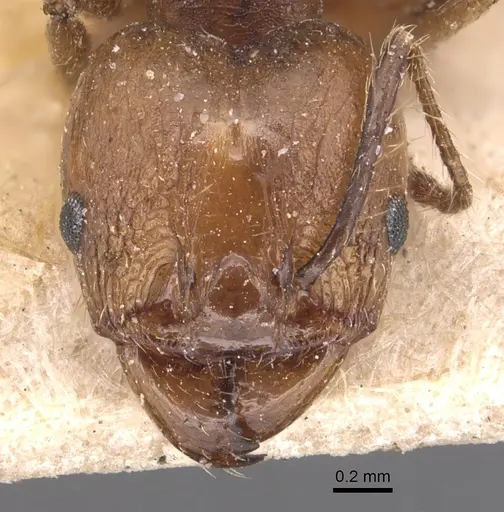
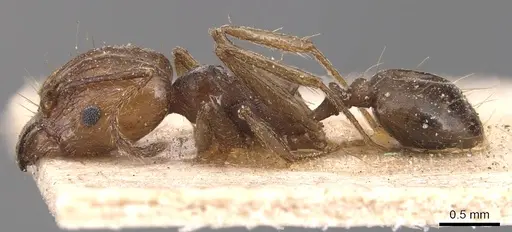
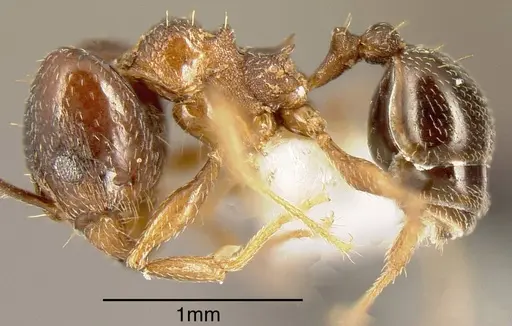
Pheidole plebecula is a small ant species native to wet forests of Central America, ranging from southern Mexico through Costa Rica to Panama, with populations in Honduras, Nicaragua, and French Guiana . Workers are 3.7-3.8 mm in length , with majors having a bicolored appearance: light brown head, mesosoma, and legs, contrasting with a dark brown gaster . Minors are darker overall with blackish brown head and gaster . The species is commonly found on the ground and low vegetation, and nests in soil with simple galleries leading to chambers about 10cm deep . A notable behavior is their social foraging: workers readily recruit to baits, and majors often work alongside minors at food sources . This makes them active and engaging to observe.
Quick Summary
- Difficulty: Medium
- Origin & Habitat: Wet forest habitats in Central America, from southern Mexico through Costa Rica to Panama, with populations in Honduras, Nicaragua, and French Guiana. Found on ground and low vegetation [1][2][4].
- Colony Type: Monogyne, colonies contain a single queen, as confirmed by excavated nests [4][1].
- Size & Growth:
- Queen: Size data unavailable, no direct measurements in research. Inferred from Pheidole genus patterns to be approximately 7-9 mm.
- Worker: 3.7-3.8 mm [3]
- Colony: Colony size is not directly documented in research.
- Growth: Moderate, inferred from genus patterns.
- Development: 6-10 weeks, estimated based on typical Pheidole development at warm temperatures. (Development time is temperature-dependent.)
- Antkeeping:
- Temperature: Keep warm, roughly 24-28°C, based on tropical wet forest origin. Provide a gradient for self-regulation.
- Humidity: Keep nest substrate consistently moist but not waterlogged, as they come from wet forests [4].
- Diapause: No, tropical species do not require hibernation [4].
- Nesting: In wild, nests in soil with simple gallery to chamber about 10cm deep [4]. In captivity, use soil nests, Y-tong, or plaster nests with moisture gradient.
- Behavior: Workers are active and social, readily recruiting to food sources [4]. They are not highly aggressive but will defend nest. Escape risk is high due to small size, use fine mesh barriers.
- Common Issues: mold can develop if humidity is too high and ventilation poor, balance moisture with airflow., escape risk due to small worker size, ensure tight barriers., colonies may be slow to establish, patience needed during founding., wild-caught colonies may carry parasites, quarantine new colonies., overheating risk, keep away from direct sunlight.
Housing and Nest Setup
Pheidole plebecula nests in soil with a simple gallery leading to a chamber about 10cm deep in the wild [4]. In captivity, use soil-based nests, Y-tong, or plaster nests to maintain humidity. Provide a moisture gradient and ensure the nest chamber is humid. For the outworld, a simple foraging area with water and feeding station works well. Escape prevention is critical due to small size, use fine mesh and fluon on all openings [4].
Feeding and Diet
Workers readily recruit to baits in the wild, showing they are opportunistic foragers [4]. In captivity, offer sugar water or honey constantly, and protein sources like small insects 2-3 times per week. Remove uneaten protein after 24-48 hours to prevent mold.
Temperature and Seasonal Care
As a tropical wet forest species, keep temperatures warm and stable, roughly 24-28°C, with a gradient for self-regulation. Do not let temperatures drop below 20°C for extended periods. No diapause is required.
Behavior and Colony Dynamics
Workers are social and active, recruiting nestmates to food sources using pheromone trails [4]. Majors and minors coordinate at baits, with majors processing food and minors transporting it. Colonies grow from a single queen, and majors become more prominent as the colony expands.
Growth and Development
Colonies start with a single queen, and first workers appear within 6-10 weeks at warm temperatures. Growth is moderate, with colonies potentially reaching several hundred workers over time. Development is temperature-dependent.
Common Problems and Solutions
Mold can occur if humidity is too high, balance moisture with airflow. Escape risk is high due to small size, inspect barriers regularly. Wild-caught colonies may have parasites, quarantine new colonies. Overheating is a risk, avoid direct sunlight.
Frequently Asked Questions
Can I keep Pheidole plebecula in a test tube?
Yes, start them in a test tube setup for the founding phase. Use a standard test tube with water reservoir plugged with cotton. Transition to a formicarium once the colony reaches 30-50 workers.
When should I move Pheidole plebecula to a formicarium?
Move them when the colony reaches roughly 30-50 workers or when the test tube becomes cramped. Ensure the formicarium has adequate moisture.
How long until first workers appear?
Expect first workers within 6-10 weeks after queen lays eggs, assuming warm temperatures.
How fast do Pheidole plebecula colonies grow?
Growth is moderate. At optimal temperatures, colonies can reach 100 workers within the first year.
Can I keep multiple queens together?
No, this species is monogyne, colonies have a single queen [4]. Combining queens is not recommended.
How big do Pheidole plebecula colonies get?
Colony size is not directly documented, but based on genus patterns, they may reach several hundred workers.
Are Pheidole plebecula good for beginners?
They are rated medium difficulty due to humidity and temperature needs, but can be rewarding with proper care.
What do Pheidole plebecula eat?
They are opportunistic feeders. Offer sugar water constantly and protein like small insects 2-3 times per week [4].
What temperature do they need?
Keep them warm, roughly 24-28°C, with a gradient for self-regulation.
Do they need hibernation?
No, as a tropical species, they do not require hibernation [4].
Why are my Pheidole plebecula dying?
Common causes include temperatures too low, humidity issues, escape, parasites, or insufficient feeding. Check your setup first.
Report an Issue
The current care sheet is based fully on literature. See inconsistencies, or something that's incorrect? Please , it will be resolved after review from an admin. Contributing to the blogs tab also helps providing information, to make us be able to further improve the caresheets. Thank you for your support!
References

This caresheet is licensed under CC BY-SA 4.0 .
Community Blogs
CASENT0281743
View on AntWeb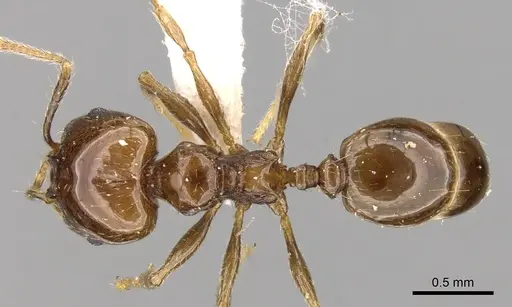
CASENT0281744
View on AntWeb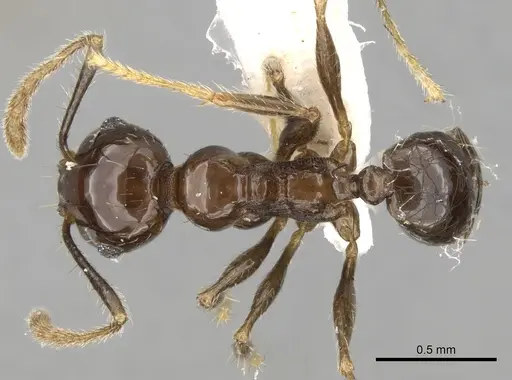
CASENT0283526
View on AntWeb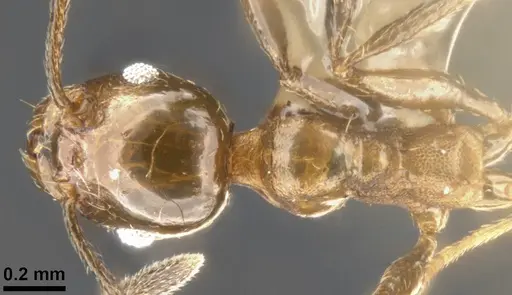
CASENT0612743
View on AntWeb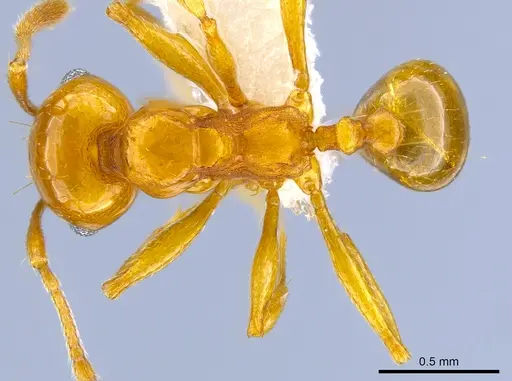
CASENT0612752
View on AntWeb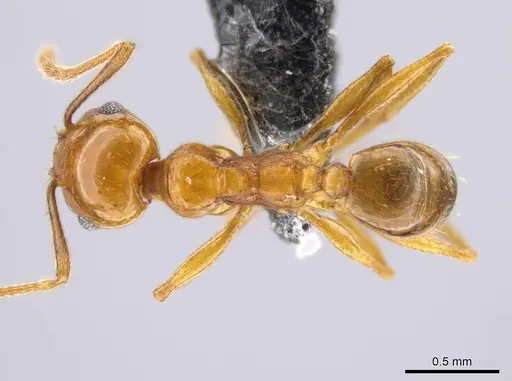
CASENT0612753
View on AntWeb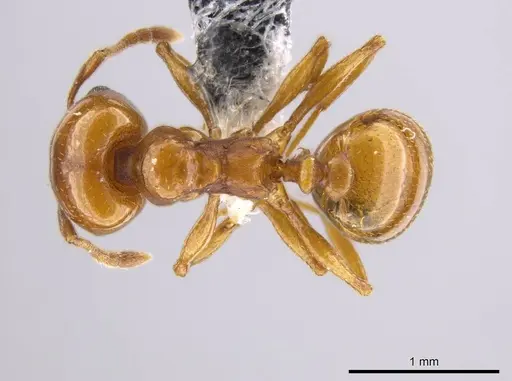
CASENT0635536
View on AntWeb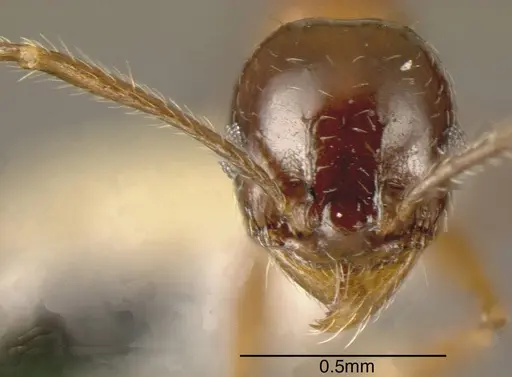
CASENT0636057
View on AntWeb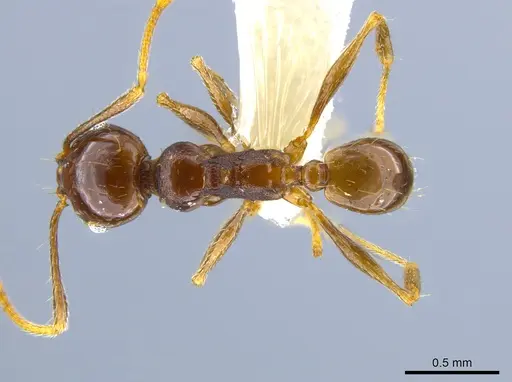
CASENT0904359
View on AntWeb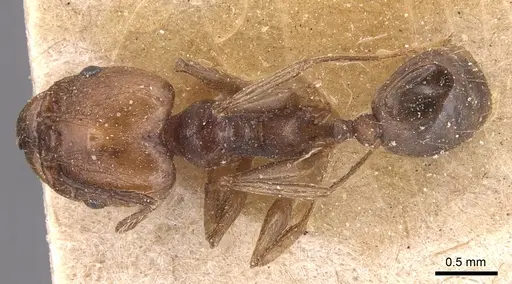
INBIOCRI002279634
View on AntWeb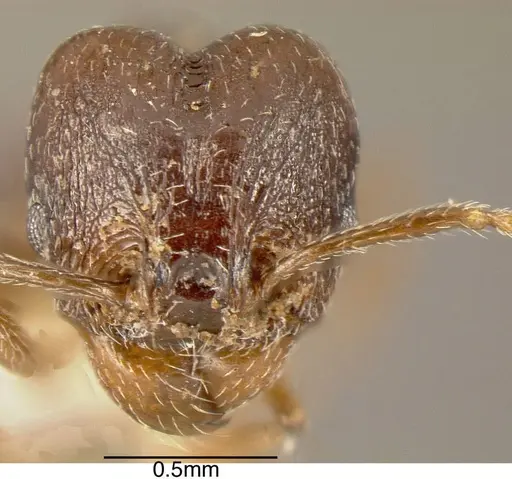
Literature
Loading distribution map...Loading products...