
Pheidole plagiaria
- Sci. Name
- Pheidole plagiaria
- Tribe
- Attini
- Subfamily
- Myrmicinae
- Author
- Smith, 1860
- Distribution
- Found in 7 countries
Introduction
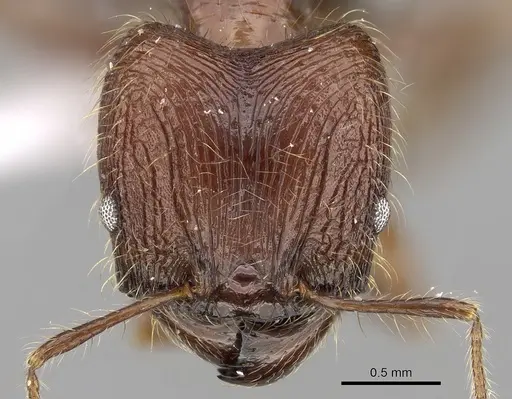
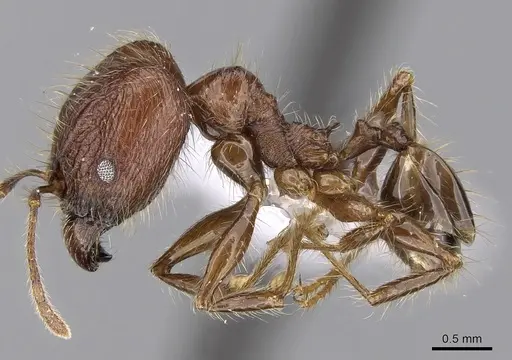
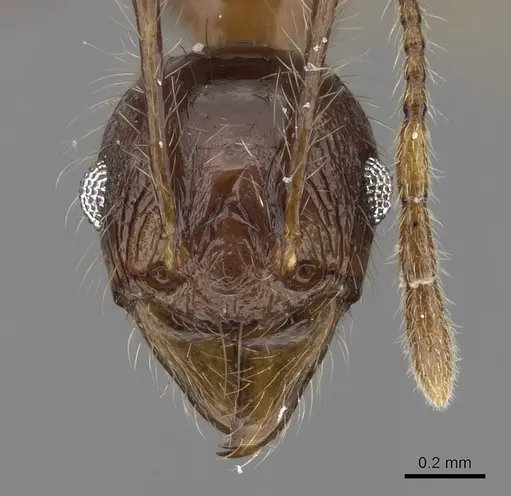
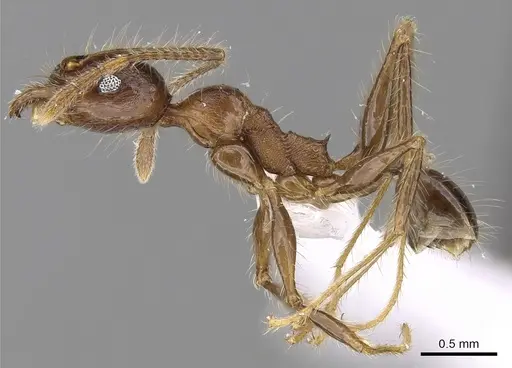
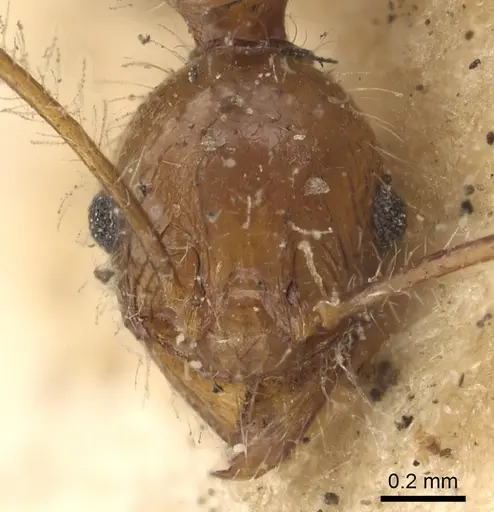
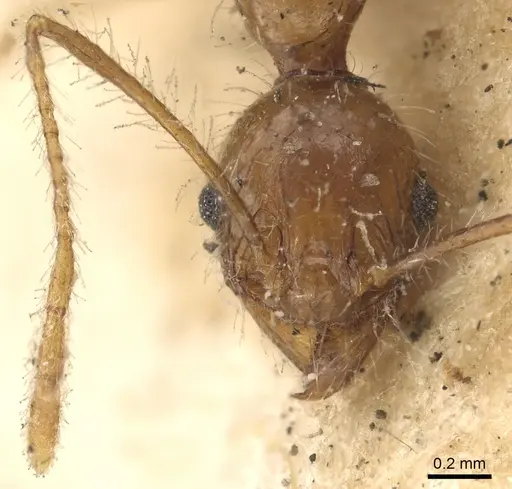
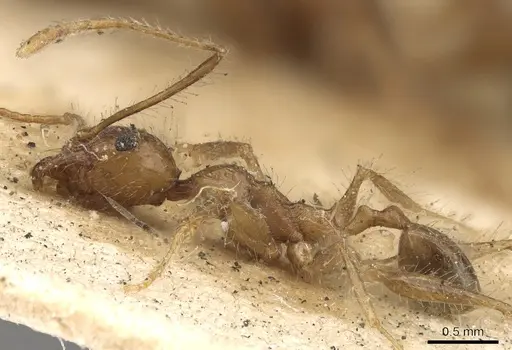
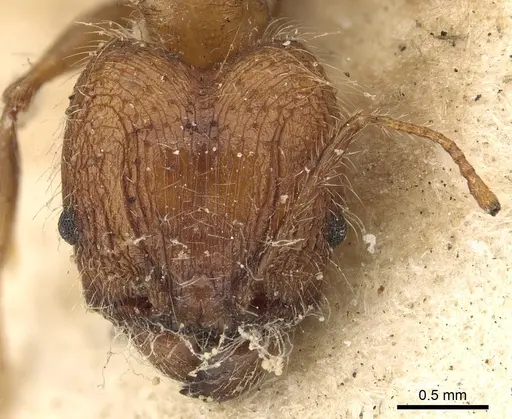
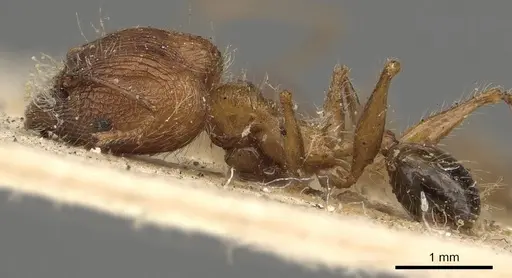
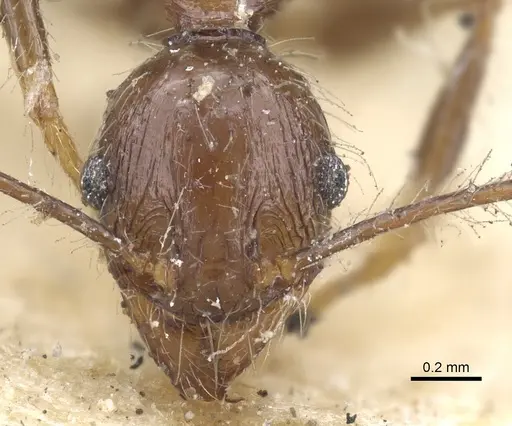
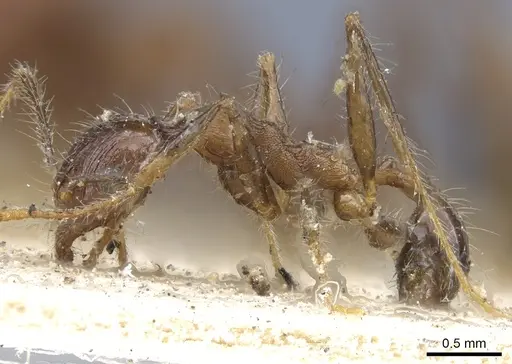
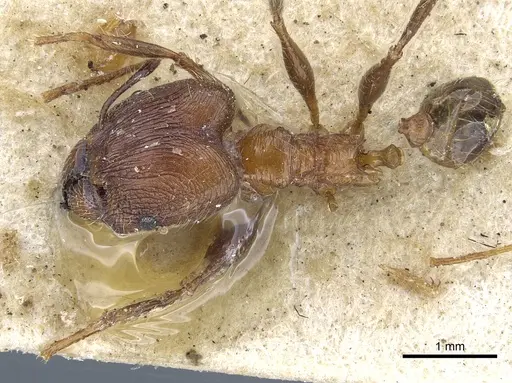
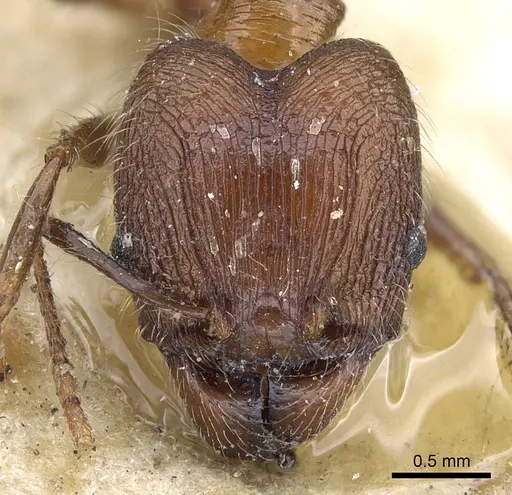
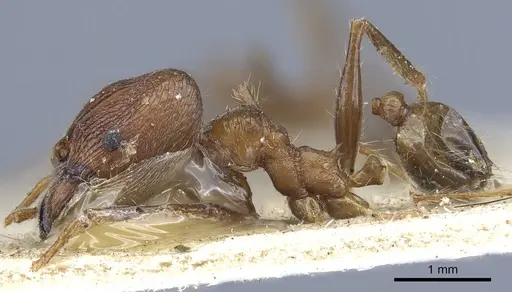
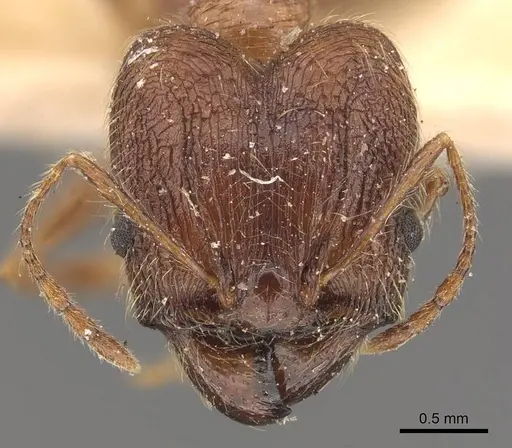
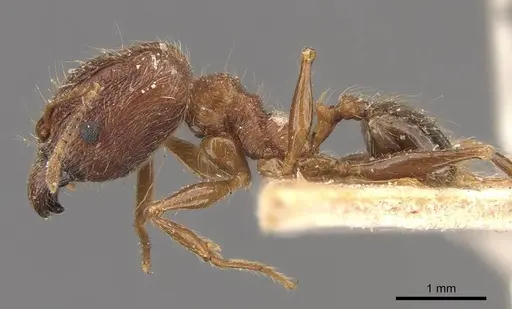
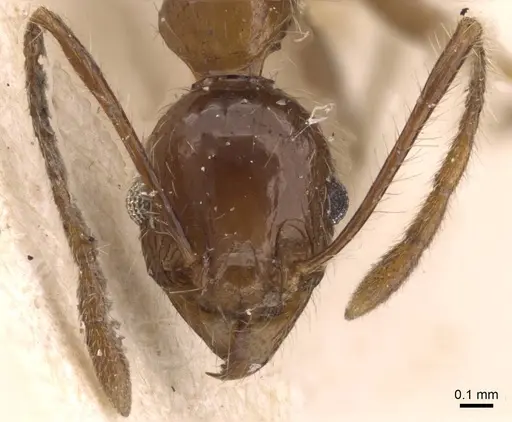
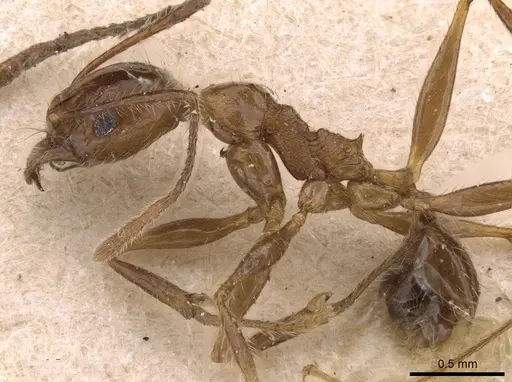
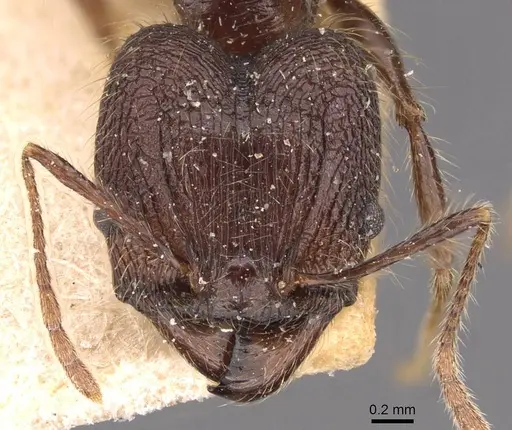
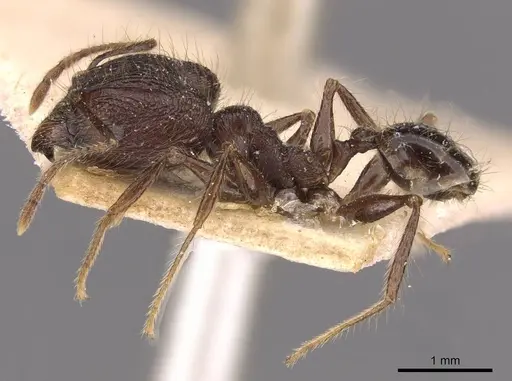
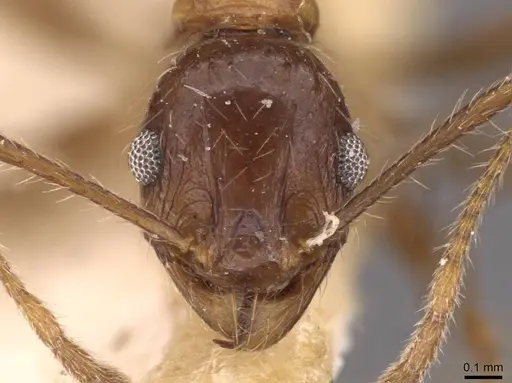
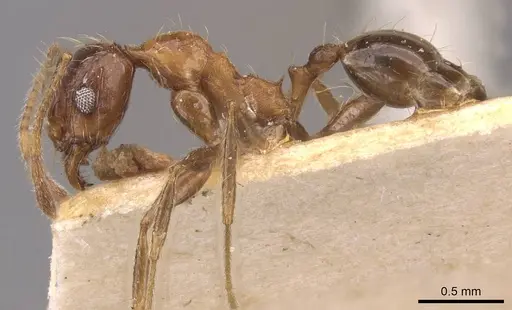
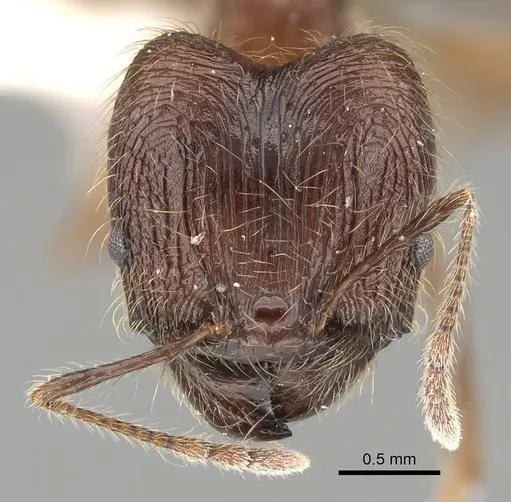
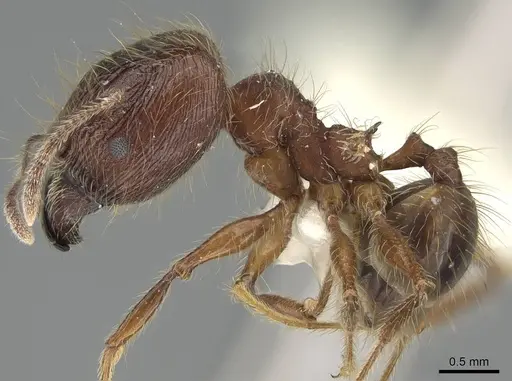
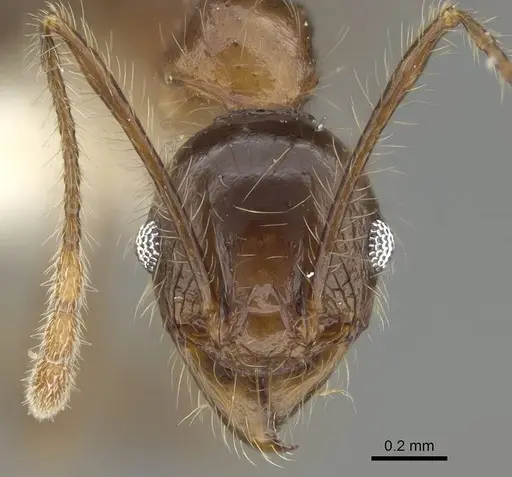
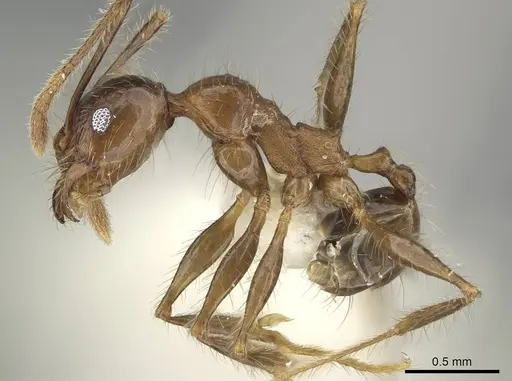
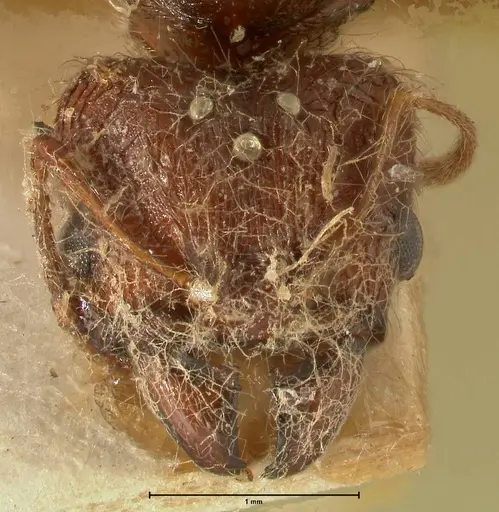
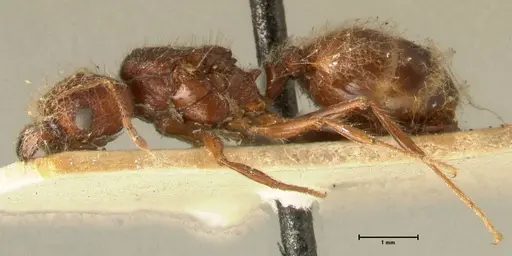
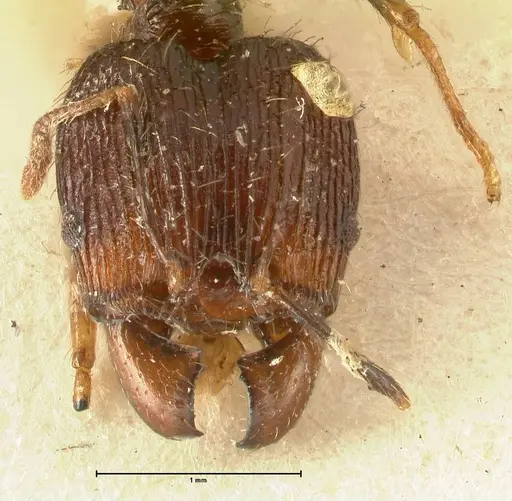
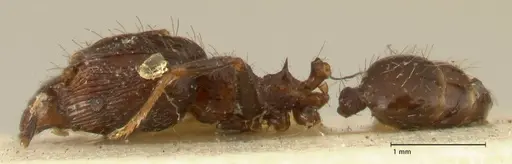
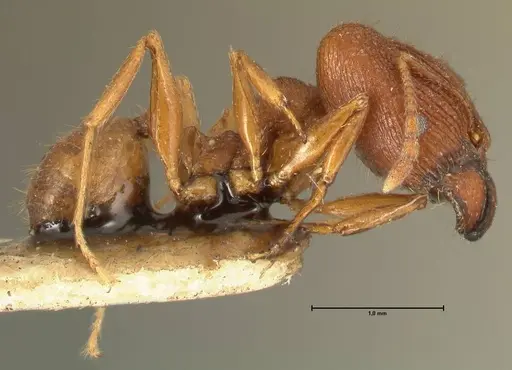
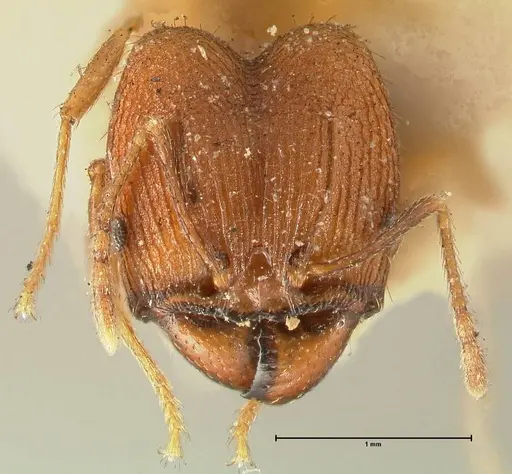
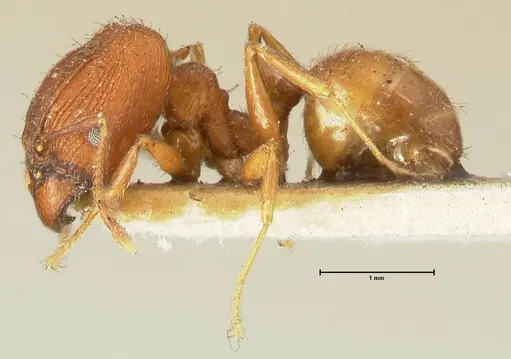
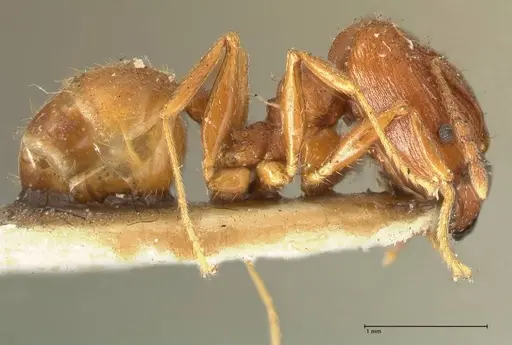
Pheidole plagiaria is a small to medium-sized ant native to Southeast Asia, widely distributed across the Indo-Chinese, Indo-Malayan, and Austro-Malayan regions . Major workers measure about 4.2 mm in total length, with a large head that is deeply notched behind and covered with longitudinal ridges; minor workers are much smaller, about 2.1 mm, with a smooth, shiny body . The species shows a low mound on the back of the thorax, and minor workers have a zigzag ridge on the front of the face . It is adaptable: Indo-Malayan populations nest in rotting logs and wood fragments inside well-developed forests, while Indo-Chinese populations often live in forest edges and open lands, nesting in soil .
Quick Summary
- Difficulty: Easy
- Origin & Habitat: Native to Southeast Asia, found in Borneo, Brunei, Indonesia, Laos, Malaysia, Myanmar, Philippines, Singapore, Thailand, Vietnam, and southern China [1][3]. Indo-Malayan populations inhabit well-developed rainforests and nest in rotting logs and wood fragments, while Indo-Chinese populations occur in forest edges and open lands, nesting in soil [1].
- Colony Type: Unconfirmed, no published data on queen number. Typical Pheidole species are often monogyne, but this has not been confirmed for P. plagiaria.
- Size & Growth:
- Queen: Unknown, no measurements available in literature.
- Worker: Major: about 4.2 mm, Minor: about 2.1 mm (converted from Smith's '2 lines' and '1 line' measurement) [2].
- Colony: Unknown, no colony size data available, typical Pheidole colonies can reach several hundred workers.
- Growth: Moderate (inferred from tropical origin and year-round activity)
- Development: Unknown, no specific data, likely 4-8 weeks at tropical temperatures based on related Pheidole species. (Development is continuous in warm conditions.)
- Antkeeping:
- Temperature: Keep at 24-28°C. This tropical species needs stable warmth, activity slows below 22°C.
- Humidity: Keep the nest substrate slightly moist but not waterlogged. Provide a water source in the outworld. Rainforest populations require higher humidity.
- Diapause: No, as a tropical species, no hibernation needed. Activity continues year-round if kept warm.
- Nesting: Test tube works for founding. For established colonies use a Y-tong (AAC), plaster, or soil nest. Add pieces of rotting wood or cork bark to mimic natural nesting in decaying wood.
- Behavior: Active foragers that hunt termites and other small arthropods [2]. They forage both day and night with no strong time preference [4]. Not aggressive to humans, but majors can pinch. Minor workers are very small, so escape prevention must be tight, they can slip through tiny cracks.
- Common Issues: escape prevention is critical due to tiny minors (about 2 mm)., tropical species need stable warmth, activity drops below 22°C., maintain consistent humidity, dry nests can cause brood abandonment., wild colonies may carry parasites that can spread in captivity., major workers develop later, don't worry if first workers are all minors.
Housing and Nest Setup
For a newly caught queen, a test tube setup is reliable: fill a tube a third with water, plug with cotton, and place the queen in darkness. Once the colony has around 20-30 workers, move them to a formicarium. A Y-tong (AAC) or plaster nest with chambers works well, as it holds moisture and provides dark spaces. You can also use a naturalistic setup with soil and pieces of rotting wood or cork bark to mimic their preference for decaying wood [1]. Always connect a foraging area (outworld).
Feeding and Diet
In the wild, Pheidole plagiaria hunts termites and other small arthropods [2]. In captivity, offer protein 2-3 times per week: fruit flies, small crickets, mealworms, or frozen bloodworms. Provide constant access to carbohydrates like sugar water, honey, or diluted maple syrup. Place food in the outworld and remove leftovers after 24 hours to prevent mold. They are active foragers and will recruit nestmates to food.
Temperature and Humidity
As a tropical species, keep the nest at 24-28°C. Use a heating cable if your room is cooler, and monitor with a digital thermometer. Avoid exceeding 32°C. For humidity, keep the nest substrate slightly moist. Indo-Malayan populations come from rainforests, so they appreciate higher moisture. Provide a water tube for drinking. Avoid placing the setup near air conditioning or cold drafts. [1][3]
Colony Development
There is no documented development timeline for this species. Based on related tropical Pheidole, the queen likely lays eggs that develop into workers in 4-8 weeks at warm temperatures. The first workers (nanitics) are usually smaller. Major workers appear later as the colony grows. The colony develops year-round if kept warm, but growth rate depends on feeding frequency and temperature. There is no hibernation season. [1]
Behavior and Foraging
Workers are active both day and night, foraging on the ground and in low vegetation [4]. They have been observed raiding termite nests and carrying termites away [2]. In Indonesia, they dominated bamboo buds, found on 19 out of 27 buds surveyed [5]. They use chemical trails to recruit nestmates. When threatened, major workers defend the colony using their large mandibles. They rarely sting humans.
Seasonal Care
This tropical species does not require hibernation. Activity continues year-round as long as temperatures are kept warm (24-28°C). If your room cools down in winter, use a small heater or heating cable to maintain stability. The colony can produce brood continuously under good conditions. [1]
Frequently Asked Questions
How long does it take for Pheidole plagiaria to produce first workers?
No specific data is available, but based on related tropical Pheidole, expect first workers in about 4-8 weeks at 24-28°C.
What do Pheidole plagiaria ants eat?
They are predatory, feeding on small insects like termites, fruit flies, and pinhead crickets. They also need carbohydrates, provide sugar water or honey. Remove uneaten prey after 24 hours.
Do Pheidole plagiaria ants need hibernation?
No, they are tropical and do not hibernate. Keep them warm year-round (24-28°C).
What size colony do Pheidole plagiaria reach?
No colony size data exists for this species. Typical Pheidole colonies can reach several hundred workers.
Can I keep multiple Pheidole plagiaria queens together?
Unknown, no studies on queen number. Most Pheidole are monogyne, so it is safest to keep one queen per colony until more is known.
What type of nest is best for Pheidole plagiaria?
A Y-tong (AAC) or plaster formicarium works for established colonies. For founding, use a test tube. Add rotting wood or cork bark for a naturalistic setup.
Are Pheidole plagiaria good for beginners?
They are considered easy because they adapt well, accept a variety of foods, and do not need hibernation. The main challenge is preventing the tiny minors from escaping.
Why are my Pheidole plagiaria dying?
Common causes: temperatures below 22°C (tropical species need warmth), low humidity causing desiccation, mold from uneaten food, or parasites from wild colonies. Check temperature and humidity first.
When should I move Pheidole plagiaria from test tube to formicarium?
Move them once the colony has around 20-30 workers and you see brood. Moving too early can stress the queen. Ensure the new nest has proper humidity.
Report an Issue
The current care sheet is based fully on literature. See inconsistencies, or something that's incorrect? Please , it will be resolved after review from an admin. Contributing to the blogs tab also helps providing information, to make us be able to further improve the caresheets. Thank you for your support!
References

This caresheet is licensed under CC BY-SA 4.0 .
Community Blogs
CASENT0281714
View on AntWeb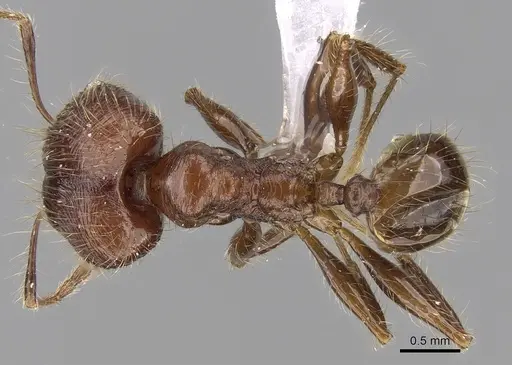
CASENT0281715
View on AntWeb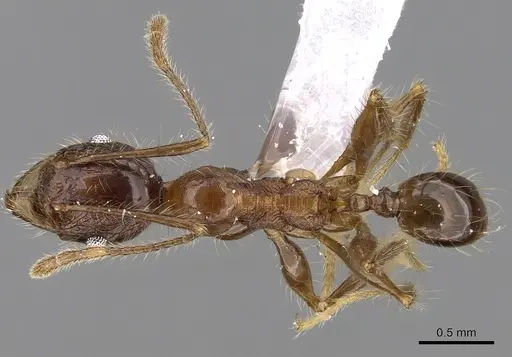
CASENT0901405
View on AntWeb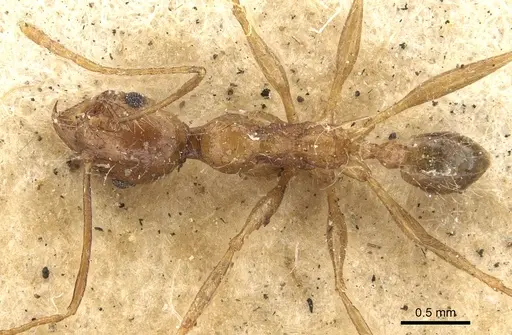
CASENT0901406
View on AntWeb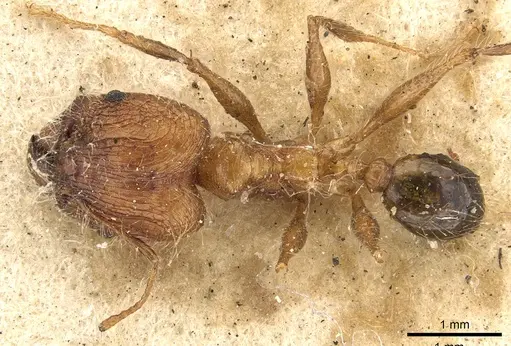
CASENT0901514
View on AntWeb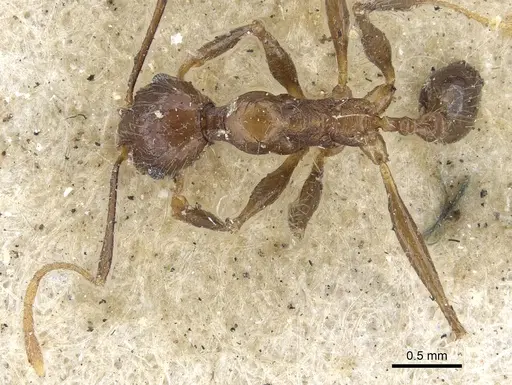
CASENT0901515
View on AntWeb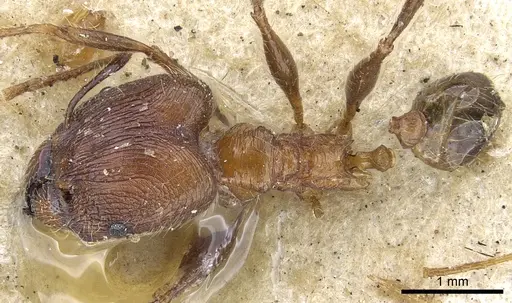
CASENT0907932
View on AntWeb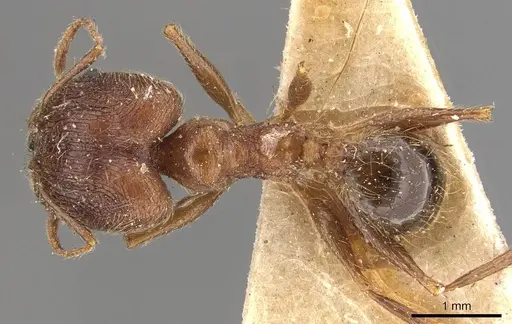
CASENT0907935
View on AntWeb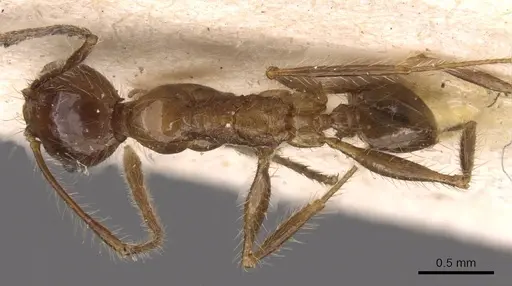
CASENT0907936
View on AntWeb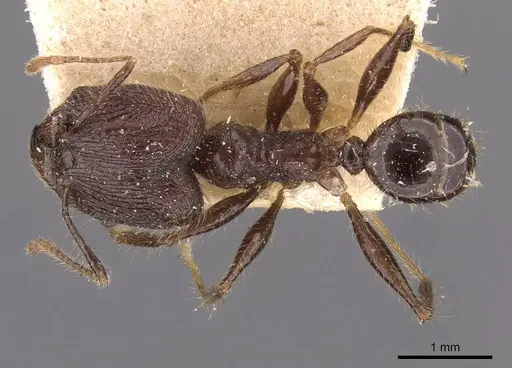
CASENT0907937
View on AntWeb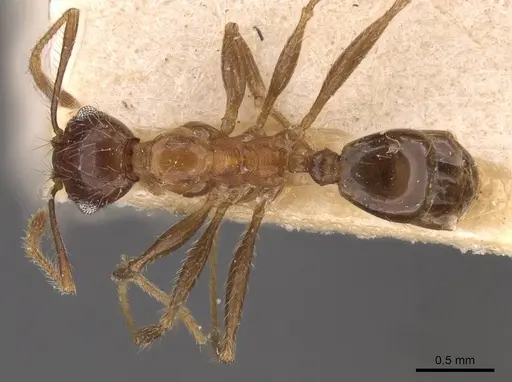
CASENT0919934
View on AntWeb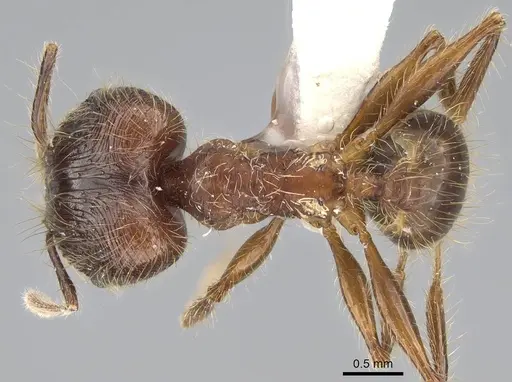
CASENT0919935
View on AntWeb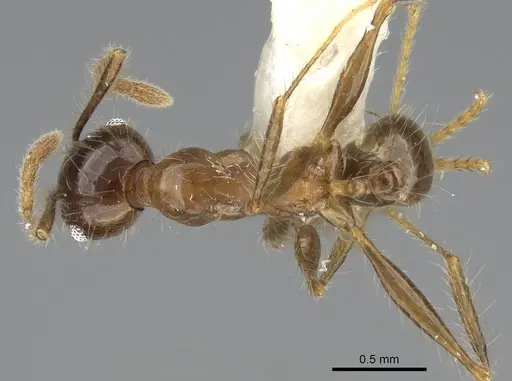
FOCOL1393
View on AntWeb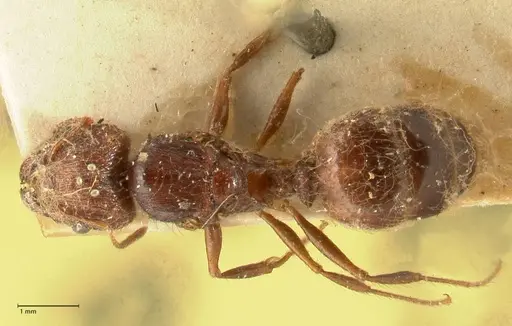
FOCOL1394
View on AntWeb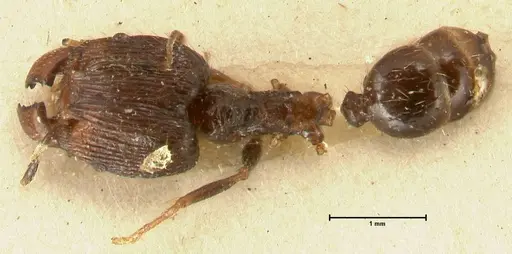
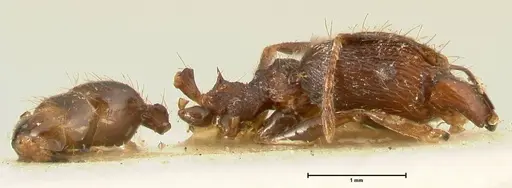
FOCOL1398
View on AntWeb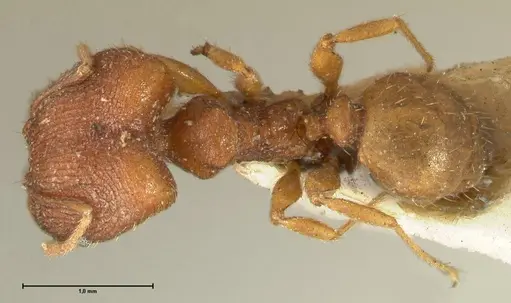
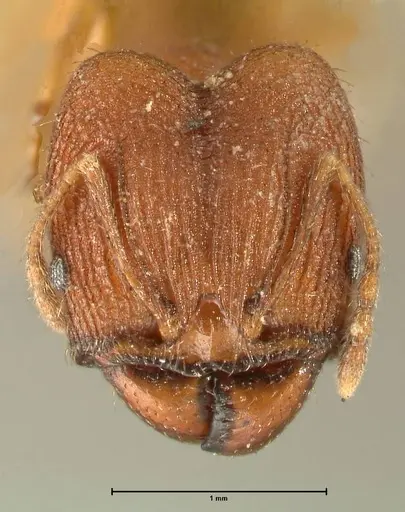
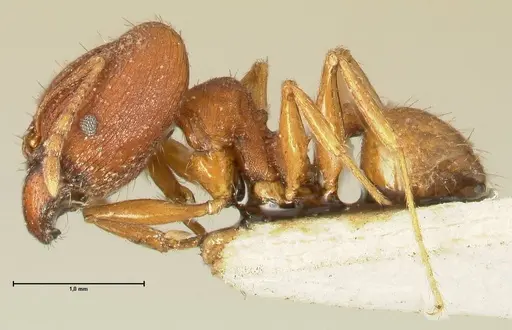
FOCOL1399
View on AntWeb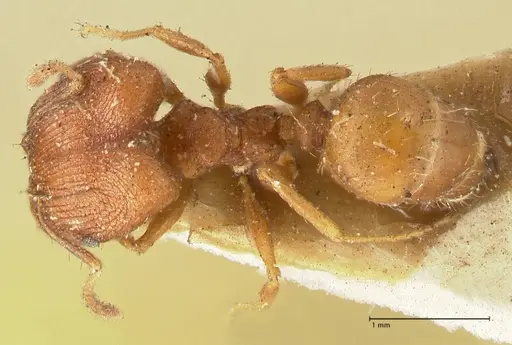
Literature
Loading distribution map...Loading products...