
Pheidole pinealis
- Sci. Name
- Pheidole pinealis
- Tribe
- Attini
- Subfamily
- Myrmicinae
- Author
- Wheeler, 1908
- Distribution
- Found in 2 countries
Introduction
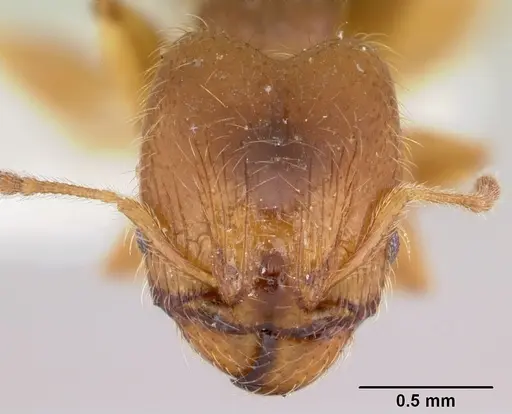
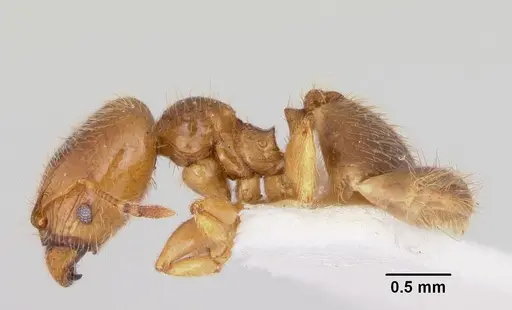
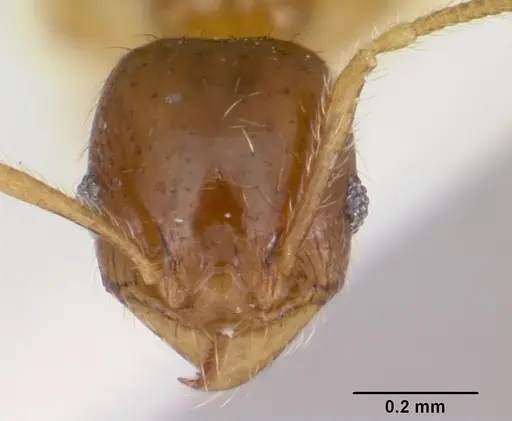
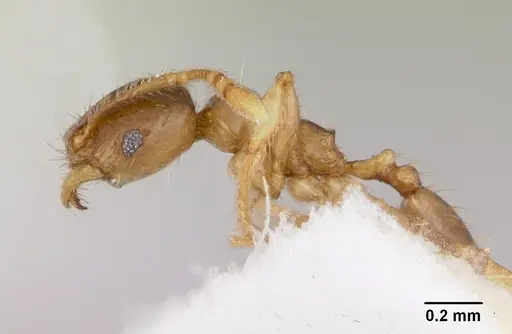
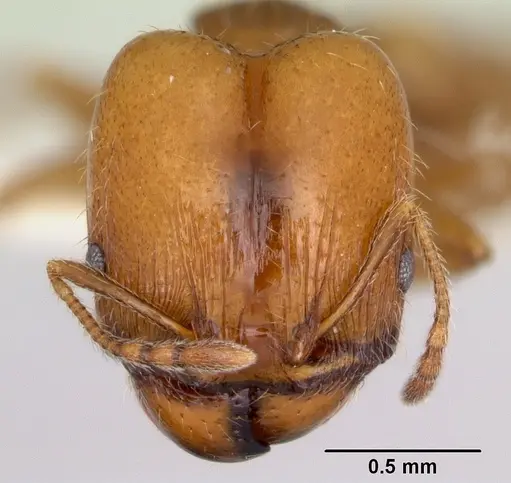
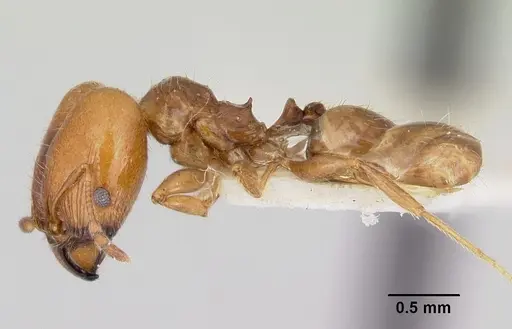
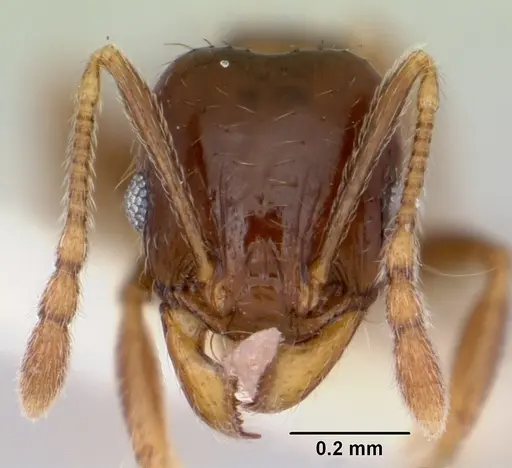
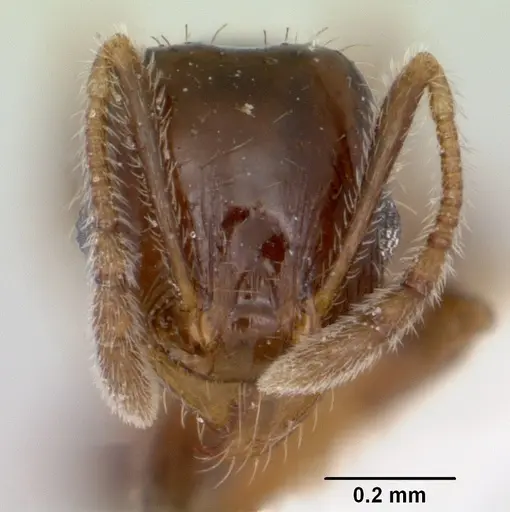
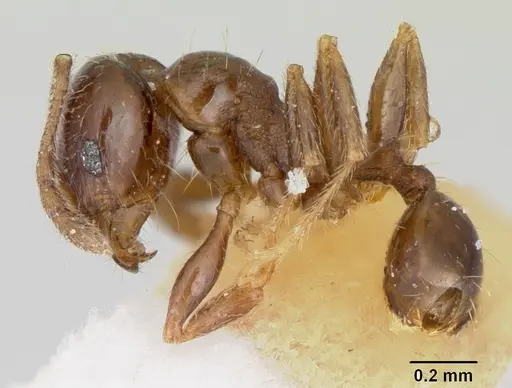
Pheidole pinealis is a small harvesting ant native to western Texas and central Mexico, with workers featuring two castes: majors (soldiers) with larger heads and minors that handle most tasks . The species belongs to the bicarinata complex, characterized by large forward-set eyes, and majors have a distinctive dark spot on the vertex [Wilson 2003 via AntWiki]. Colonies are small, typically under 60 workers, and nest under stones, in open soil, or occasionally under cow dung at elevations from 119 to 1200 meters . This ant is a seed-harvester, with wild colonies found containing seed caches, indicating they collect and store seeds as a primary food source . Their distribution is limited to arid regions of Texas and Mexico, making them a niche species for antkeepers.
Quick Summary
- Difficulty: Medium
- Origin & Habitat: Western Texas and central Mexico (Guanajuato, Coahuila, San Luis Potosí, Oaxaca) in arid to semi-arid habitats at elevations from 119 to 1200 meters, nesting under stones, in soil, or under cow dung [2][3][4][1].
- Colony Type: Based on Pheidole genus patterns, likely monogyne (single queen colonies), but unconfirmed in literature [1].
- Size & Growth:
- Queen: Size data unavailable, inferred from Pheidole genus to be approximately 5-7 mm
- Worker: Size data unavailable, inferred from Pheidole genus to be approximately 2-4 mm for minors and 3-5 mm for majors
- Colony: Up to 57 workers (based on documented wild colonies) [1]
- Growth: Moderate
- Development: Unknown, no specific data available for this species (Development timing is unclear, typical Pheidole species take 6-8 weeks at warm temperatures, but this is not confirmed for P. pinealis)
- Antkeeping:
- Temperature: Keep at warm room temperature, roughly 22-26°C, based on their southwestern range [1]. A heat gradient may be beneficial but is not required.
- Humidity: Keep nest substrate moderately dry, as they are adapted to arid regions, allow areas to dry between waterings [1].
- Diapause: Likely yes, inferred from temperate latitudes, provide 2-3 months of cooler temperatures (10-15°C) during winter [1].
- Nesting: Use test tube setups for founding colonies, for established colonies, small formicaria or Y-tong nests with soil substrate mimic their natural nesting under stones [1].
- Behavior: Generally peaceful and non-aggressive, workers forage for seeds and small prey. Escape risk is low due to small size, but standard prevention is recommended. Majors assist with seed processing and defense but are not highly aggressive [1].
- Common Issues: small colony size means slow growth, expect steady but limited expansion, seed-harvesting behavior may lead to ignoring protein foods initially, winter diapause is likely required but timing is not well documented, limited distribution in the hobby makes founding colonies hard to obtain, arid adaptation means sensitivity to overwatering, keep conditions dry
Housing and Nest Setup
Start colonies in test tube setups with a water reservoir, queens will seal themselves in to raise first brood [1]. Once workers emerge, move to small formicaria or Y-tong nests with tight chambers, as they prefer dry, soil-based substrates mimicking their wild nesting under stones [1]. Avoid large setups due to small colony size.
Feeding and Diet
As seed-harvesters, offer a constant supply of small seeds like grass seeds or millet [1]. Protein sources such as fruit flies or small insects can be offered 1-2 times per week. The type colony had seed caches, confirming this behavior [1].
Temperature and Seasonal Care
Maintain temperatures around 22-26°C, a heat gradient is optional. During winter, provide diapause at 10-15°C for 2-3 months, reducing feeding and keeping the nest drier [1].
Colony Development and Growth
Colonies remain small, with documented wild populations up to 57 workers [1]. Growth is moderate, expect slow expansion rather than rapid increase. Major workers appear as colonies develop, aiding in seed processing and defense.
Behavior and Foraging
Workers are active foragers for seeds and small prey, with minimal aggression. They nest in open soil or under stones at various elevations, from 119 to 1200 meters [3][1]. In captivity, they establish foraging trails once settled.
Frequently Asked Questions
How long does it take for Pheidole pinealis to raise first workers?
Unknown, no specific data available. Based on typical Pheidole species, it may take 6-8 weeks at warm temperatures, but this is not confirmed for P. pinealis.
Can I keep multiple Pheidole pinealis queens together?
Not recommended, as they are likely monogyne (single queen colonies). Combining queens may lead to fighting.
What do Pheidole pinealis eat?
They are seed-harvesting ants, offer seeds as a staple, with occasional protein like insects [1].
How big do Pheidole pinealis colonies get?
Colonies stay small, with up to 57 workers documented in the wild [1].
Do Pheidole pinealis need hibernation?
Likely yes, based on their temperate range, provide a 2-3 month diapause at cooler temperatures [1].
What is the best nest type for Pheidole pinealis?
Test tubes for founding, then small formicaria or Y-tong nests with dry soil substrate [1].
Are Pheidole pinealis good for beginners?
Intermediate difficulty due to small colony size and specific care needs, but manageable with experience.
Report an Issue
The current care sheet is based fully on literature. See inconsistencies, or something that's incorrect? Please , it will be resolved after review from an admin. Contributing to the blogs tab also helps providing information, to make us be able to further improve the caresheets. Thank you for your support!
References

This caresheet is licensed under CC BY-SA 4.0 .
Community Blogs
CASENT0103477
View on AntWeb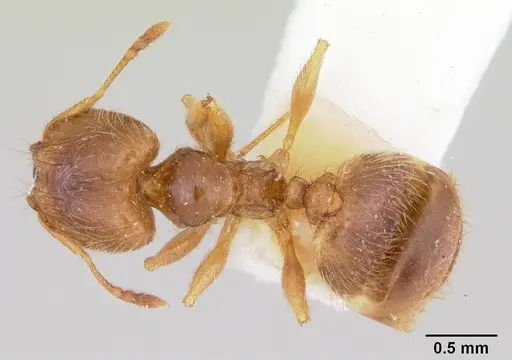
CASENT0103478
View on AntWeb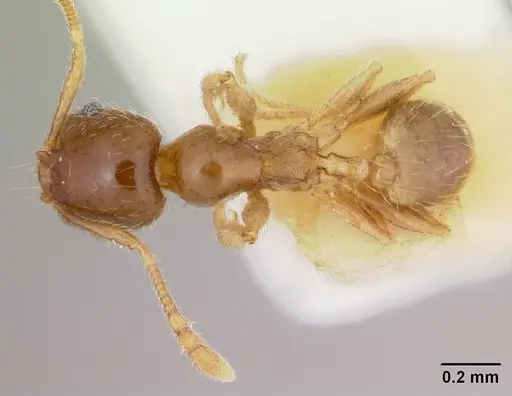
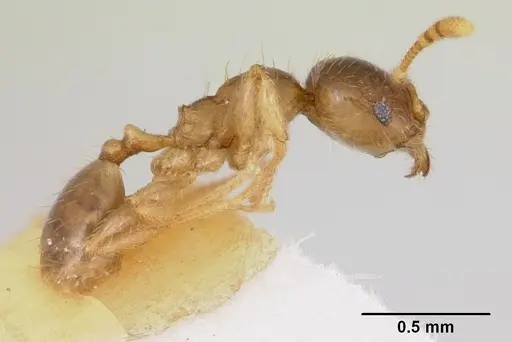
CASENT0103479
View on AntWeb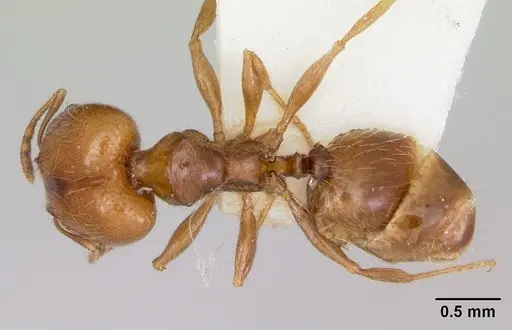
CASENT0103480
View on AntWeb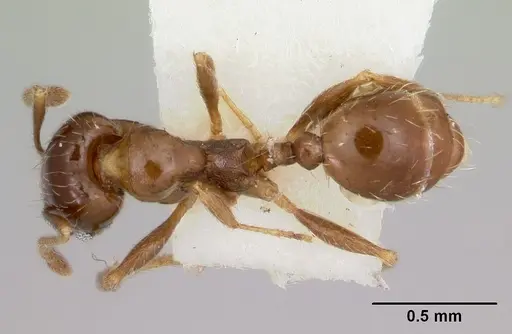
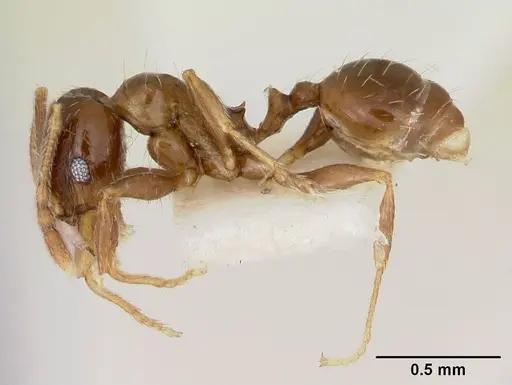
CASENT0103481
View on AntWeb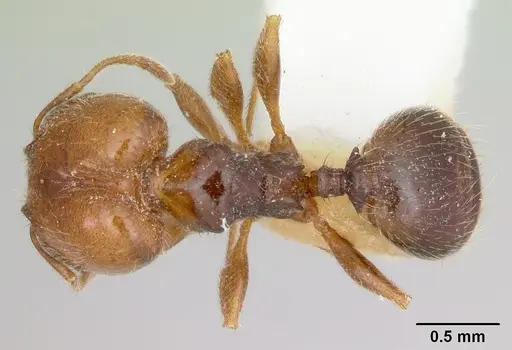
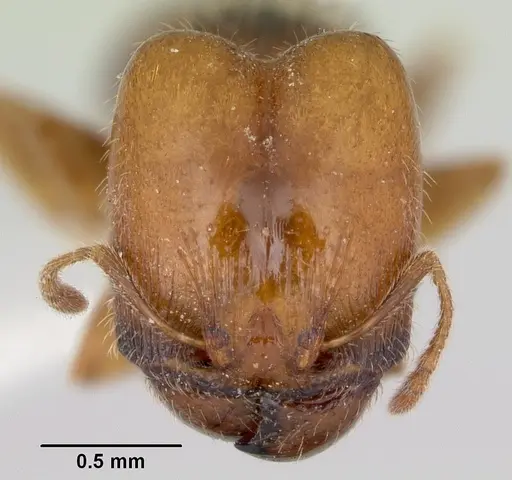
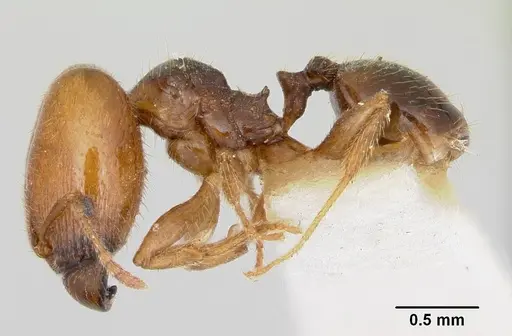
CASENT0103482
View on AntWeb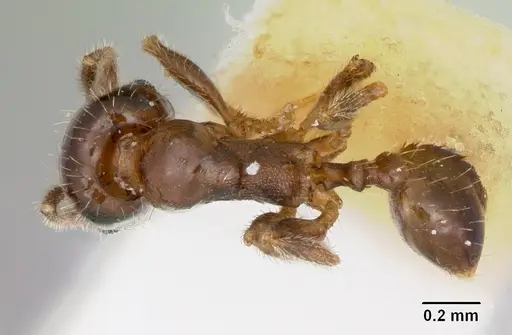
Literature
Loading distribution map...Loading products...