
Pheidole pieli
- Sci. Name
- Pheidole pieli
- Tribe
- Attini
- Subfamily
- Myrmicinae
- Author
- Santschi, 1925
- Distribution
- Found in 7 countries
Introduction
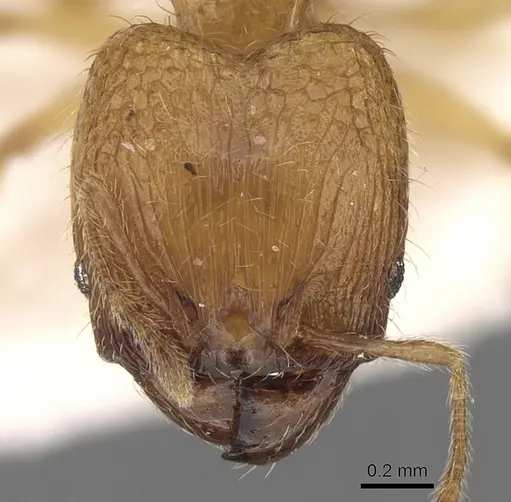
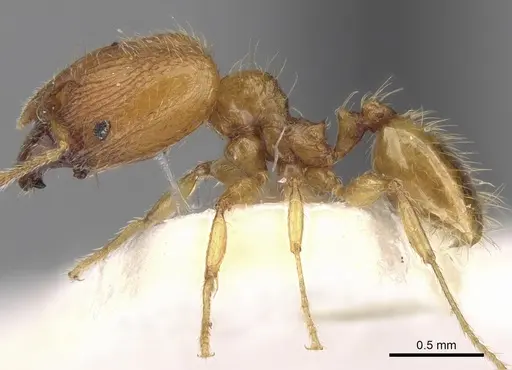
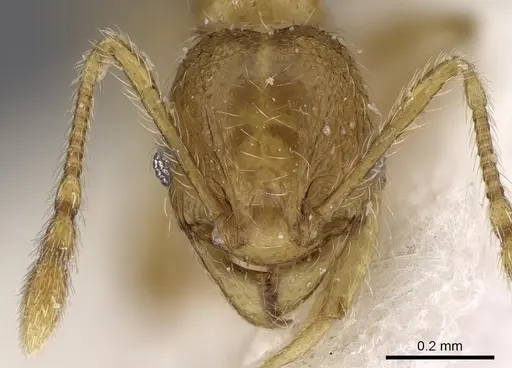
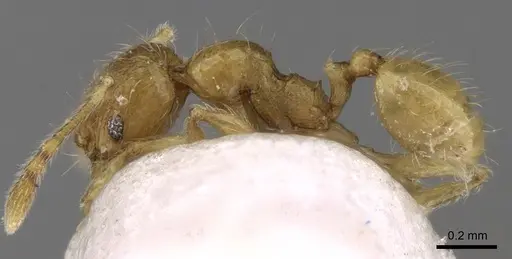
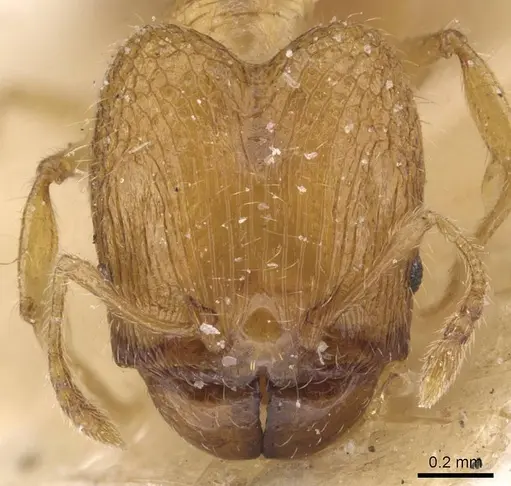
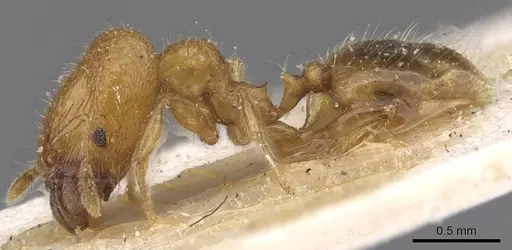
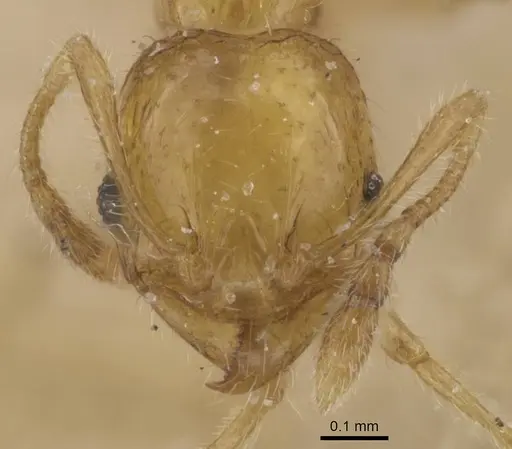
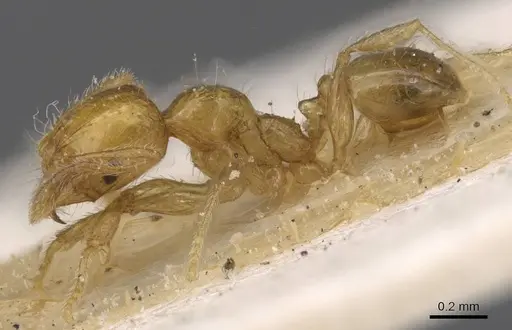
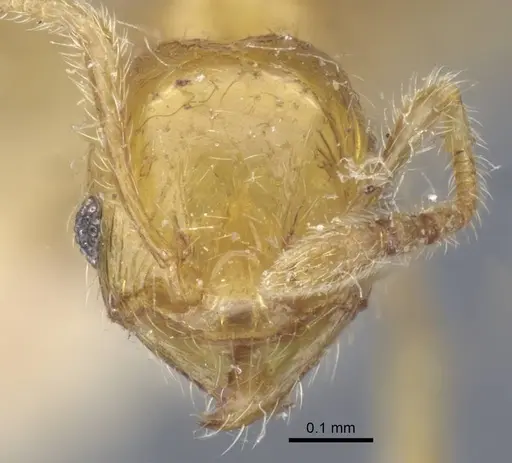
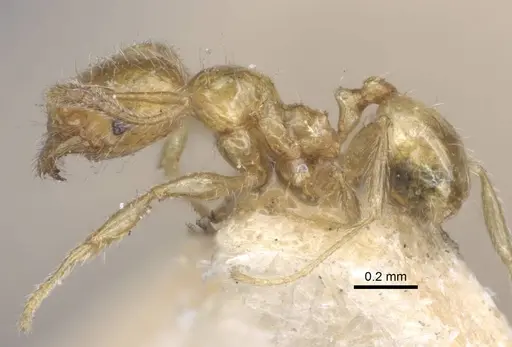
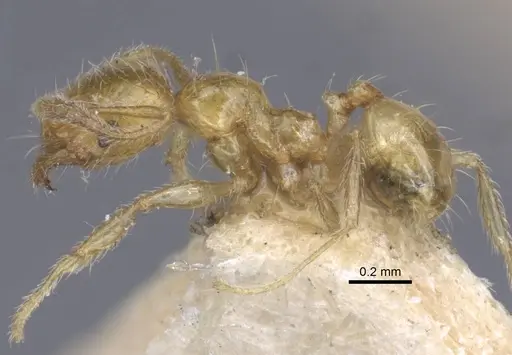
Pheidole pieli is a small Myrmicine ant with strongly dimorphic workers. Major workers (soldiers) measure 2.8-3.0 mm, while minor workers are 1.6-1.8 mm . This species is found across East and Southeast Asia, including Japan, Korea, China, Vietnam, and Thailand . Colonies are polygynous, meaning they contain multiple queens, and can grow to around 2,000 workers . The species prefers forest edges and moist woodland habitats, nesting in soil, decaying wood, and under stones . A unique trait is that major workers serve as repletes, storing liquid food in their abdomens to feed the colony during lean times .
Quick Summary
- Difficulty: Easy
- Origin & Habitat: Native to East and Southeast Asia (Japan, Korea, China, Vietnam, Thailand). Found in moist woodland habitats, forest edges, and areas with poorly developed vegetation. Nests in soil, decaying wood, and under stones [3][4][5].
- Colony Type: Polygynous, with multiple queens per colony [6]. This species is stenochoric, meaning it prefers specific habitats like moist woodland edges rather than being a generalist.
- Size & Growth:
- Antkeeping:
- Temperature: Keep at 22-26°C. This species tolerates a range from temperate to subtropical conditions, reflecting its wide distribution [3].
- Humidity: Keep nest substrate consistently moist but not waterlogged, as they inhabit moist woodland habitats [3][4][5].
- Diapause: Unknown, no specific data, but based on Japanese distribution, a winter rest period may be beneficial.
- Nesting: Flexible, they nest in soil, decaying wood, and under stones in the wild [3][4]. In captivity, Y-tong (AAC) nests or test tube setups work well. Provide moist substrate and dark conditions.
- Behavior: Generally peaceful and non-aggressive toward keepers. Workers forage on the ground surface and within soil [9]. They gather seeds and may tend to honeydew-producing insects. Majors serve as repletes, storing liquid food. Escape risk is moderate due to small size, standard barrier methods work.
- Common Issues: colonies may fail if kept too dry, they need consistent moisture, polygynous colonies can be sensitive to disturbance, handle gently during transfers, slow growth in the first few months as colony establishes, be patient, majors as repletes require consistent liquid food sources
Housing and Nest Setup
Pheidole pieli adapts well to several nest types. A Y-tong (AAC) nest works excellently, maintaining humidity and providing dark conditions. Test tube setups are suitable for founding colonies. Add a thin layer of moist substrate to the outworld to mimic natural nesting in soil and decaying wood [3][4][5]. Focus on consistent humidity and darkness in the nest area.
Feeding and Diet
This species is omnivorous with a preference for seeds and protein. Workers gather seeds like sesame and amaranthus from the ground [3][4]. Offer protein sources like small insects 2-3 times per week and keep sugar water or honey water available constantly. Majors serve as repletes, so provide consistent liquid food [3][7]. Remove uneaten food after 24 hours to prevent mold.
Temperature and Seasonal Care
Keep your colony at 22-26°C for optimal activity. This species tolerates a range from cool temperate to warm subtropical conditions. Japanese populations may benefit from a winter rest period, but specific diapause data is unknown. If colony activity slows in winter, consider reducing temperature gradually, but no strict requirements are confirmed [3].
Understanding Colony Structure
Pheidole pieli is polygynous, with multiple queens per colony [6]. This allows colonies to grow larger and recover faster from losses. The species is stenochoric, preferring specific habitats like moist woodland edges, so maintain consistent humidity and avoid dry environments. Watching majors serve as repletes is a notable behavior [3][7].
Frequently Asked Questions
How long does it take for Pheidole pieli to produce first workers?
Development time is unknown, no species-specific data available. Based on typical Pheidole patterns, it may take several weeks, but this is estimated.
Can I keep multiple queens together in one setup?
Yes, this species is naturally polygynous, meaning multiple queens live together in one colony [6].
What do I feed Pheidole pieli?
Offer a varied diet: protein (small insects) 2-3 times per week, and keep sugar water or honey water available constantly. They also accept seeds [3][4].
Do they need hibernation?
Diapause is unknown, no specific data. Based on Japanese distribution, a winter rest period may be beneficial, but it is not confirmed.
Are Pheidole pieli good for beginners?
Yes, they are considered easy to keep. They adapt to various nest types, accept a wide diet, and have simple humidity requirements. Watch for consistent moisture and provide a winter rest if needed.
How big do colonies get?
Colonies can reach up to 2,000 workers at maturity [5].
Why do some workers have fat abdomens?
Those are major workers serving as repletes, they store liquid food in their abdomens to feed the colony during scarce times [3][7].
When should I move them to a formicarium?
Move them once the colony is several hundred workers and the test tube setup feels cramped. A Y-tong nest works well, but always maintain humidity.
What's the difference between major and minor workers?
Major workers are larger (2.8-3.0 mm) with enlarged heads, while minor workers are smaller (1.6-1.8 mm) [1][2]. Majors defend, process food, and serve as repletes, minors forage and care for brood.
Report an Issue
The current care sheet is based fully on literature. See inconsistencies, or something that's incorrect? Please , it will be resolved after review from an admin. Contributing to the blogs tab also helps providing information, to make us be able to further improve the caresheets. Thank you for your support!
References

This caresheet is licensed under CC BY-SA 4.0 .
Community Blogs
CASENT0281693
View on AntWeb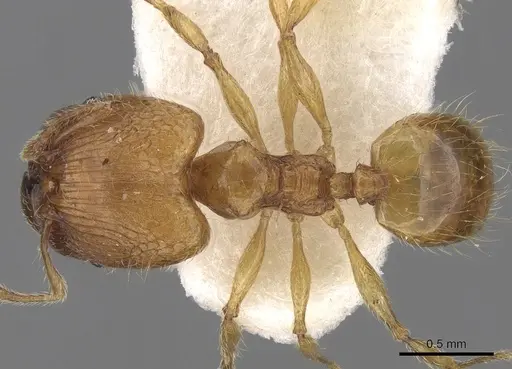
CASENT0281694
View on AntWeb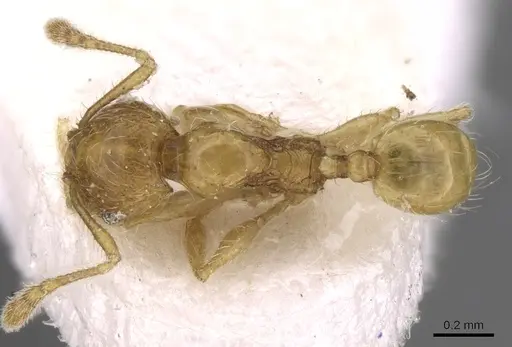
CASENT0913392
View on AntWeb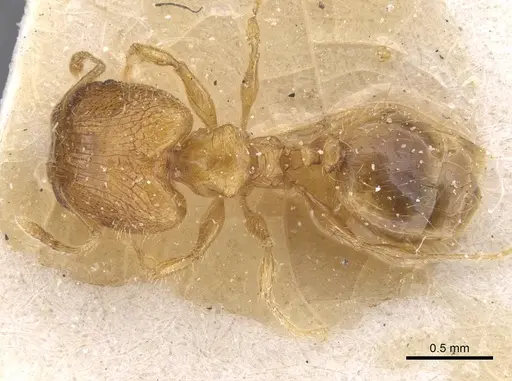
CASENT0913393
View on AntWeb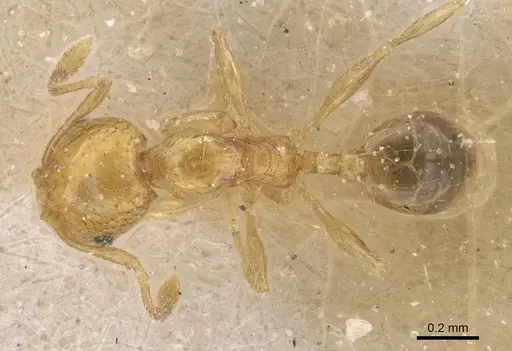
CASENT0916953
View on AntWeb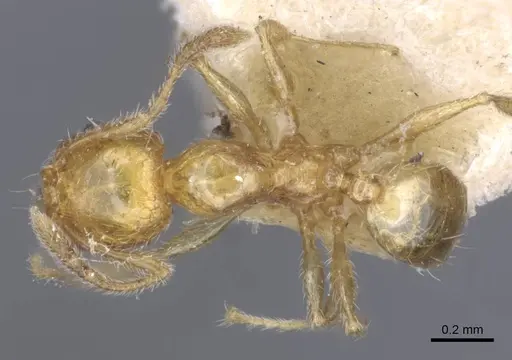
Literature
Loading distribution map...Loading products...