
Pheidole phipsoni
- Sci. Name
- Pheidole phipsoni
- Tribe
- Attini
- Subfamily
- Myrmicinae
- Author
- Forel, 1902
- Distribution
- Found in 1 countries
Introduction
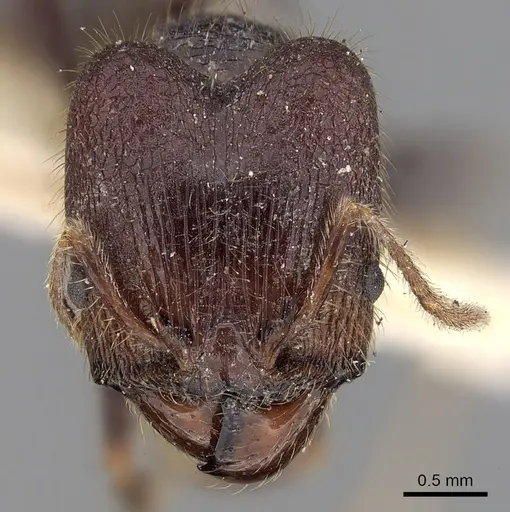
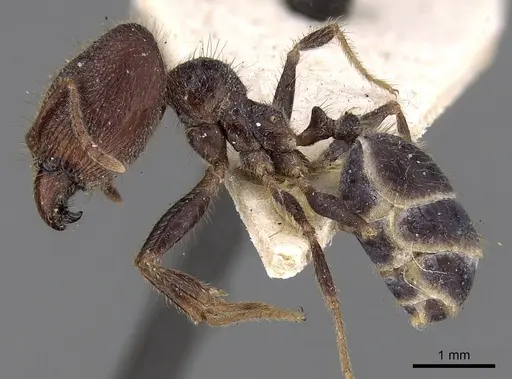
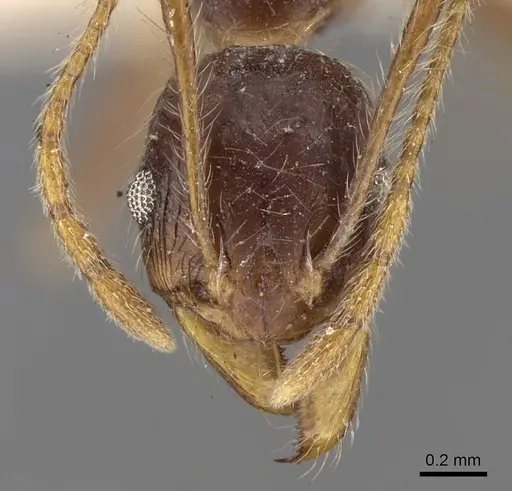
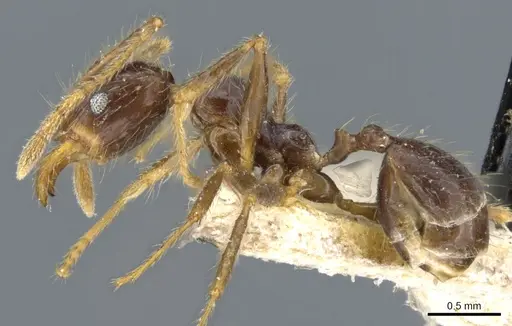
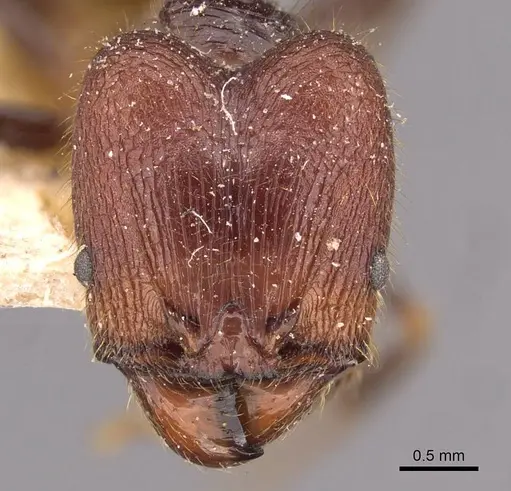
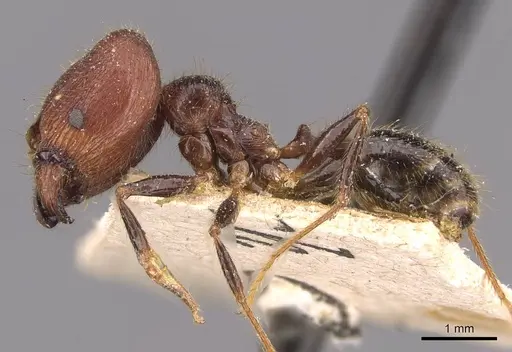
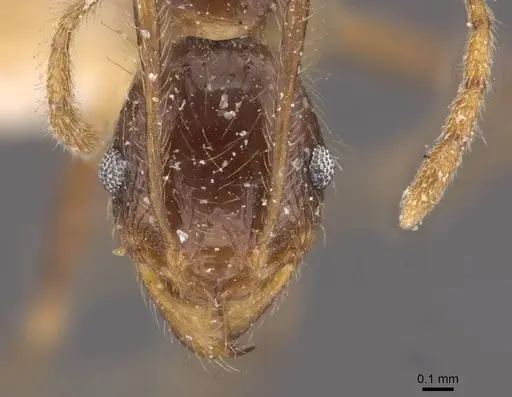
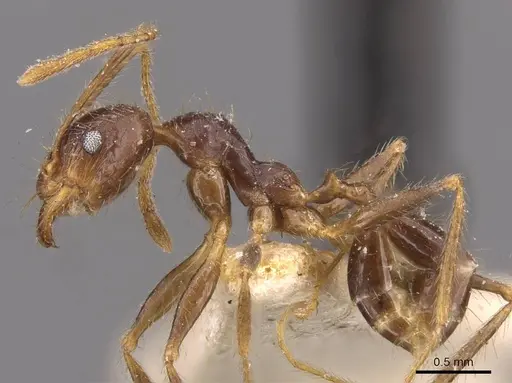
Pheidole phipsoni is a species of big-headed ant native to India, described by Forel in 1902 . It is recorded in southern Indian states including Karnataka, Maharashtra, and Tamil Nadu . Workers are small, and soldiers have enlarged heads characteristic of the genus . Like other Pheidole species, they are seed-harvesting ants, which is inferred from genus patterns .
Quick Summary
- Difficulty: Medium
- Origin & Habitat: India (Karnataka, Maharashtra, Tamil Nadu) in tropical/subtropical regions [2]
- Colony Type: Based on Pheidole genus patterns, likely monogyne (single queen) [3]
- Size & Growth:
- Queen: Size data unavailable
- Worker: Size data unavailable
- Colony: Size data unavailable
- Growth: Moderate to fast
- Development: Estimated 6-8 weeks at optimal temperature, inferred from Pheidole genus patterns [3] (Development time is inferred, specific data for P. phipsoni is not available)
- Antkeeping:
- Temperature: Keep warm, roughly 24-28°C, based on tropical origin
- Humidity: Maintain moderate to high humidity, keep nest substrate moist but not waterlogged
- Diapause: No, species is tropical and likely does not require diapause
- Nesting: Use Y-tong, plaster, or soil nests, provide enclosed spaces with damp substrate [3]
- Behavior: Pheidole phipsoni is generally calm, soldiers defend the colony but pose minimal threat. Workers are active foragers. Escape risk is high due to small size, ensure tight barriers
- Common Issues: humidity control is important to prevent mold in nest areas, wild-caught colonies may carry parasites that affect captive survival, small size increases escape risk, use fine mesh or barriers
Housing and Nest Setup
You can use Y-tong nests, plaster nests, or naturalistic setups with soil substrates. Start colonies in test tubes with cotton water reservoirs. Once the colony grows, move to a proper formicarium. Always ensure escape prevention, as workers can slip through small gaps [3].
Feeding and Diet
As seed-harvesting ants, offer a mix of seeds, grains, and bird seed. Provide protein sources like small insects and sugar water. Feed protein 2-3 times per week, with constant access to seeds and sugar [3].
Temperature and Humidity
Maintain temperatures around 24-28°C for optimal brood development. Use a heating cable on one side of the nest for a gradient. Humidity should be moderate, keep substrate damp but not wet.
Colony Development
Colony growth is moderate to fast once established. First workers are called nanitics. Soldiers appear as the colony grows, specialized for defense and seed processing. Regular feeding and proper temperature support growth [3].
Behavior and Temperament
This species is calm and not aggressive toward keepers. Workers forage actively, and soldiers defend the colony minimally. Escape risk is high due to small size, so use tight barriers.
Frequently Asked Questions
How long does it take for Pheidole phipsoni to produce first workers?
Expect first workers in about 6-8 weeks at optimal temperature, inferred from Pheidole genus patterns [3].
Can I keep multiple Pheidole phipsoni queens together?
Not recommended, as the species is likely monogyne based on genus patterns. Combining queens may result in fighting [3].
What do Pheidole phipsoni ants eat?
They are seed-harvesters, offer seeds, grains, and protein from small insects. Sugar water provides energy [3].
Are Pheidole phipsoni good for beginners?
They are moderate difficulty due to humidity needs and eventual colony size, but their calm temperament makes them manageable.
What temperature is best for Pheidole phipsoni?
Keep them warm at 24-28°C, based on tropical origin.
How big do Pheidole phipsoni colonies get?
Colony size data is unavailable, but Pheidole colonies can grow large.
Do Pheidole phipsoni need hibernation?
No, as they are tropical and likely do not require diapause.
When should I move Pheidole phipsoni from a test tube to a formicarium?
Move them when the colony is crowded or activity decreases, typically after several weeks [3].
Why are my Pheidole phipsoni dying?
Common causes include improper humidity, temperatures outside range, mold, or poor nutrition. Adjust conditions accordingly.
Report an Issue
The current care sheet is based fully on literature. See inconsistencies, or something that's incorrect? Please , it will be resolved after review from an admin. Contributing to the blogs tab also helps providing information, to make us be able to further improve the caresheets. Thank you for your support!
References

This caresheet is licensed under CC BY-SA 4.0 .
Community Blogs
CASENT0281680
View on AntWeb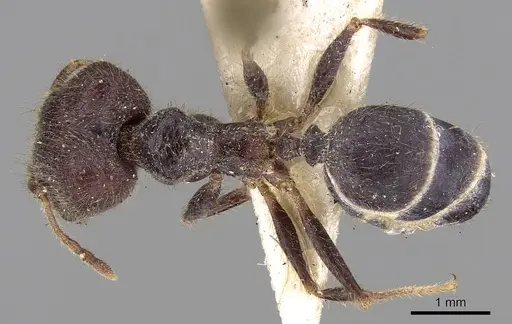
CASENT0281681
View on AntWeb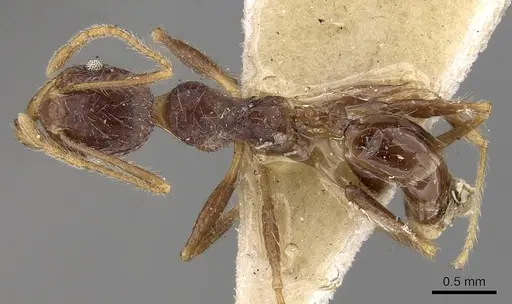
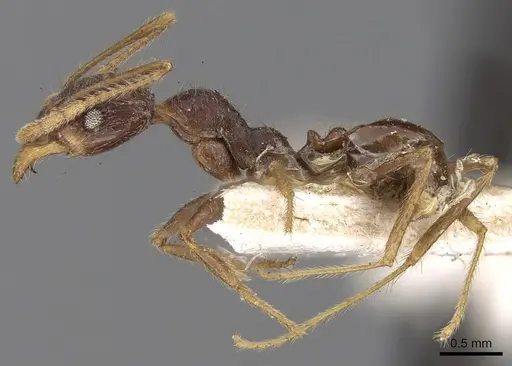
CASENT0904273
View on AntWeb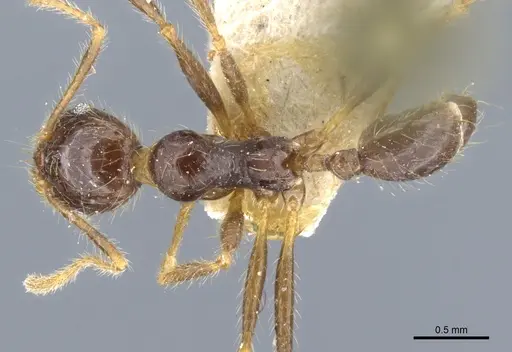
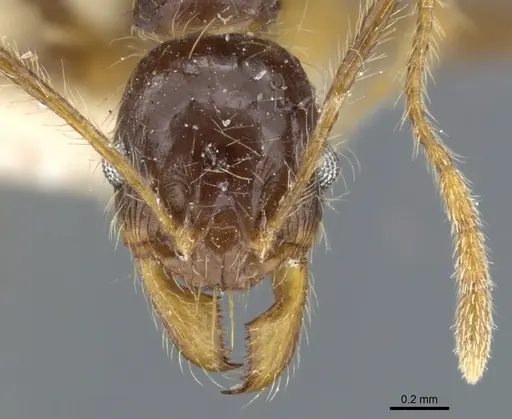
CASENT0907933
View on AntWeb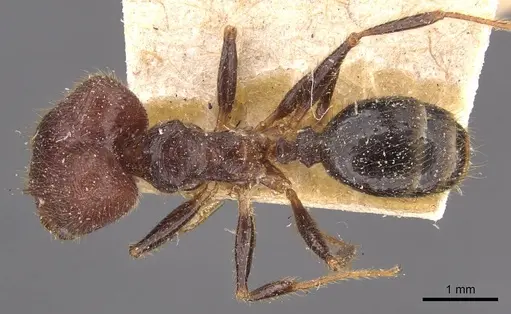
CASENT0907934
View on AntWeb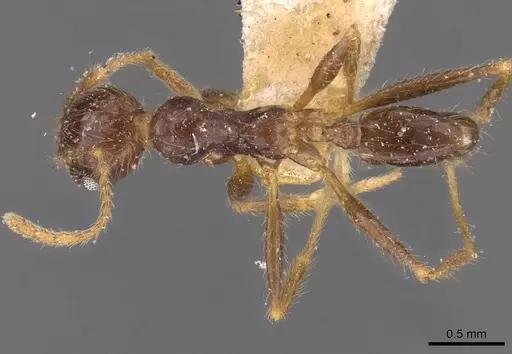
Literature
Loading distribution map...Loading products...