
Pheidole perpusilla
- Sci. Name
- Pheidole perpusilla
- Tribe
- Attini
- Subfamily
- Myrmicinae
- Author
- Emery, 1894
- Distribution
- Found in 6 countries
Introduction
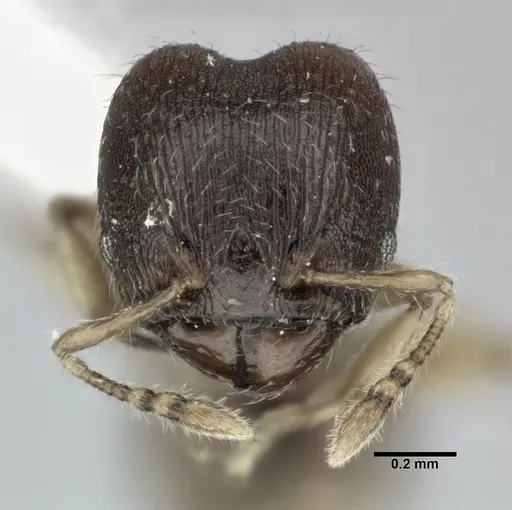
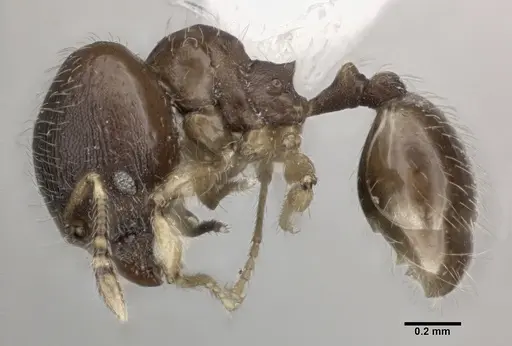
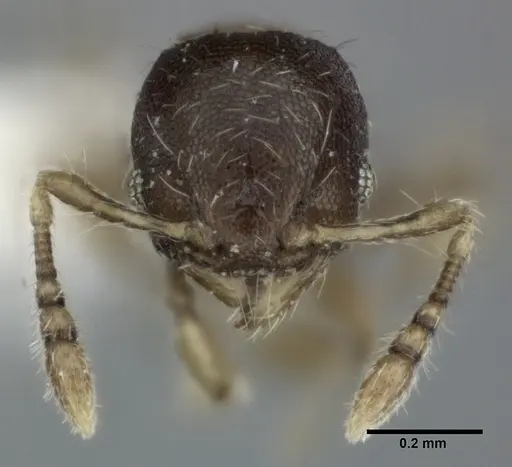
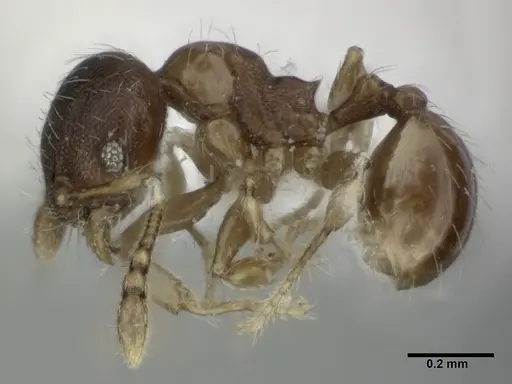
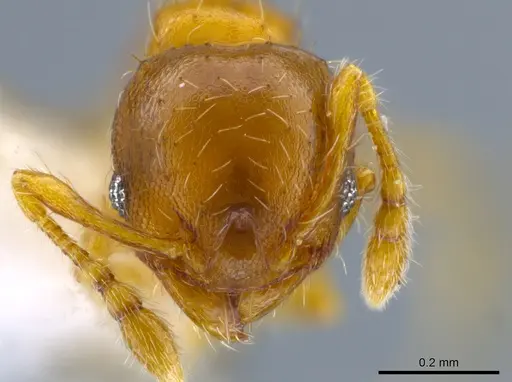
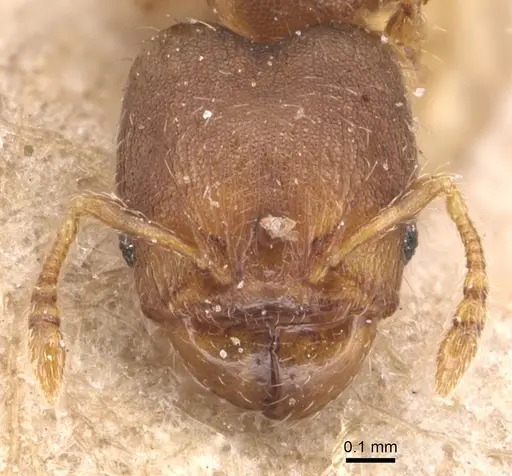
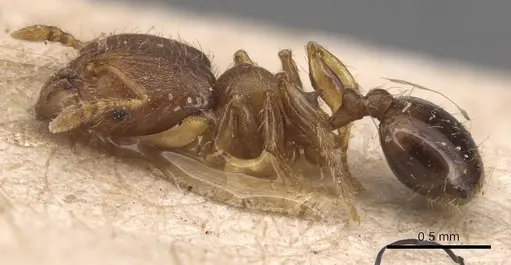
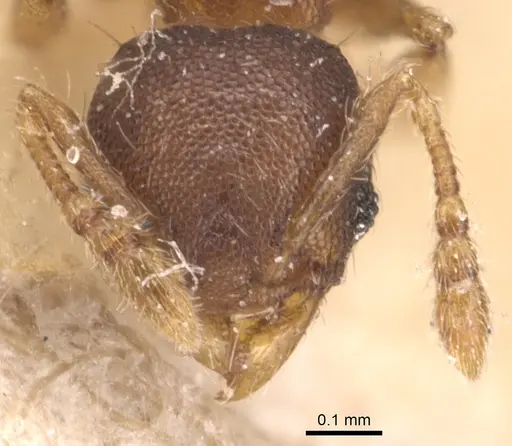
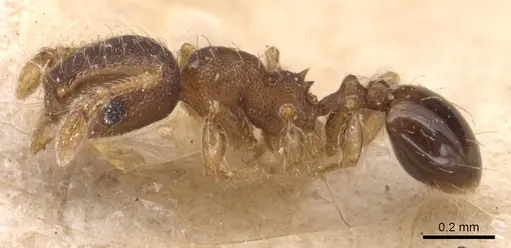
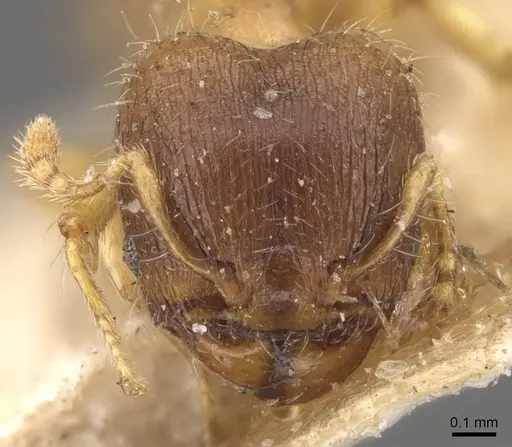
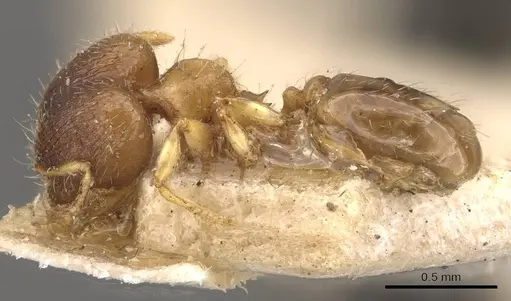
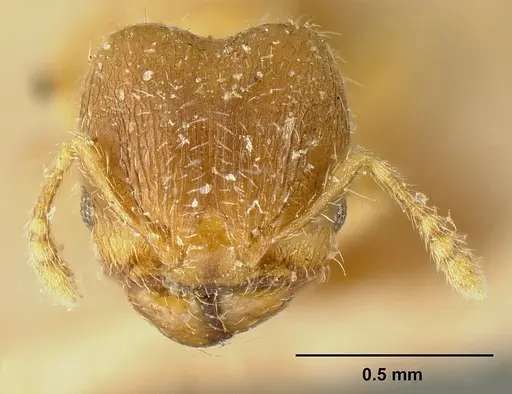
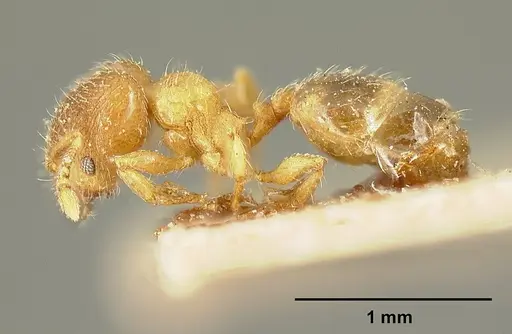
Pheidole perpusilla is an extremely small ant species found in Neotropical wet forests from Mexico to Brazil . They inhabit areas from sea level to 1200 meters elevation, often living under epiphytes in tree canopies or in disturbed habitats like coffee farms and city parks . Their minute size makes them easy to overlook in the wild. The species exhibits strong worker dimorphism with distinct major and minor castes . Major workers have reddish-yellow bodies with dark brown gasters, while minors are pale yellowish-brown with contrasting yellow appendages .
Quick Summary
- Difficulty: Expert
- Origin & Habitat: Neotropical wet forests from Mexico to Brazil, including Guatemala, Nicaragua, Costa Rica, Panama, Guyana, Trinidad and Tobago, and Colombia [1][2]. Found in canopy epiphytes and synanthropic tree habitats like coffee farms and city parks at elevations from sea level to 1200m [2][3].
- Colony Type: Likely single-queen colonies based on typical Pheidole patterns, though specific colony structure is unconfirmed for this species.
- Size & Growth:
- Queen: Size data unavailable
- Worker: Size data unavailable
- Colony: Unknown
- Growth: Unknown
- Development: Unknown (Timeline unconfirmed, no specific data available.)
- Antkeeping:
- Temperature: Temperature needs are unclear, start around 24-28°C and observe, based on tropical wet forest habitat [2].
- Humidity: Keep nest substrate consistently moist but not waterlogged, based on wet climate habitat [2].
- Diapause: No, tropical species active year-round [2].
- Nesting: Arboreal setup required. Provide vertical cork bark, small branches, or epiphyte-like structures, based on canopy habitat [2].
- Behavior: Based on genus patterns, likely active foragers using mass recruitment [5]. Extremely small size creates high escape risk, they can pass through very small gaps [1]. Not aggressive given their minute size.
- Common Issues: escape prevention is critical due to their extremely small size, requiring fine mesh barriers., drowning risk in test tubes, their tiny size means even small water reservoirs can be deadly., prey size mismatch, standard prey may be too large, need micro-prey like springtails., desiccation, tiny colonies dry out quickly without consistent humidity maintenance., overlooked in naturalistic setups, their minute size makes them easy to lose track during maintenance.
Housing and Nest Setup
Pheidole perpusilla needs an arboreal setup that mimics their natural home under epiphytes in the tree canopy [2]. Use vertical cork bark flats, small branches, or create artificial epiphyte platforms using sphagnum moss and small wood pieces. Avoid tall open spaces, they need tight chambers and narrow passages scaled to their tiny size.
Test tubes can work for founding colonies, but modify them carefully. Use minimal water in the reservoir, just enough to keep the cotton damp, because these ants drown easily. Place the test tube vertically to simulate their arboreal habits. Once the colony grows, move them to a vertical naturalistic setup or a specialized small-chamber formicarium.
Ventilation requires extremely fine mesh. Standard mesh may be too large, these ants are extremely small and can escape through gaps [1]. Use fine fabric mesh or multiple layers of standard mesh instead.
Temperature and Humidity
Keep these ants warm and humid. They come from wet climate areas in the Neotropics, ranging from sea level to 1200 meters elevation [2][3]. Aim for 24-28°C with minimal fluctuation. You can achieve this with a heating cable on one side of the nest, placed on top to avoid drying out the substrate from below.
Humidity should stay high, think damp forest canopy, not dry room air. Keep the nest substrate consistently moist but not waterlogged. It should feel damp to the touch, with some slightly drier areas available. Mist regularly based on substrate moisture rather than a fixed schedule. Ensure good ventilation alongside the humidity to prevent mold growth in their small chambers.
Feeding and Diet
These ants likely function as generalist omnivores, typical of the Pheidole genus which often shows mass recruitment to food sources [5]. However, their extremely small size limits what they can handle. Offer micro-prey like springtails, minute soil mites, or freshly hatched fruit fly larvae. You can also provide crushed insect parts or protein jelly in very small portions. For carbohydrates, provide liquid sugars via soaked cotton balls or liquid feeders with pin-prick sized openings.
Remove uneaten food quickly to prevent mold in their humid environment. Given their size, even small amounts of food last them a while, so feed small portions frequently.
Escape Prevention (Critical)
At their extremely small size, Pheidole perpusilla poses one of the highest escape risks in ant keeping [1]. Standard barriers like Fluon or talcum powder may fail if not perfectly applied without gaps. These ants can pass through any very small gap.
Use double containment, keep the main nest inside a larger secondary container with barriers on both. Check all ventilation holes and ensure they are covered with fine mesh. Tight-fitting lids are essential, if the lid doesn't seal flush, they will find the gap.
Work inside a white tray or bathtub when doing maintenance. If they escape, they are nearly impossible to find due to their size and coloration matching soil and debris. Prevention is your only realistic strategy.
Colony Founding and Growth
Founding behavior is unconfirmed for this species. If you attempt founding, provide a small, secure chamber with minimal disturbance. The timeline from egg to first workers is unknown, no specific data is available for this species.
Colony size potential is unknown, though Pheidole species typically reach moderate sizes. Growth rate depends on feeding and temperature, keep them warm and well-fed with appropriate micro-prey to encourage steady development.
Frequently Asked Questions
Can I keep Pheidole perpusilla in a test tube?
Yes, but modify it carefully. Use minimal water in the reservoir, just enough to keep the cotton damp, because these tiny ants drown easily in standard test tube setups. Place the tube vertically to match their arboreal habits, and ensure any ventilation holes are covered with fine mesh.
How long until Pheidole perpusilla gets its first workers?
The exact timeline is unknown, no specific data is available for this species.
Do Pheidole perpusilla need hibernation?
No. They are a tropical species from wet Neotropical forests and remain active year-round. Keep them at stable warm temperatures (24-28°C) throughout the year [2].
Are Pheidole perpusilla good for beginners?
No. Their extremely small size requires expert-level escape prevention and specialized feeding with micro-prey. They are challenging even for experienced keepers [1].
How big do Pheidole perpusilla colonies get?
Maximum colony size is unknown for this species.
What do Pheidole perpusilla eat?
They likely function as generalist omnivores typical of the genus [5]. Feed them micro-prey like springtails, minute soil mites, or crushed insects, plus liquid sugars. Prey must be tiny due to their small size [1].
How do I prevent Pheidole perpusilla from escaping?
Use barriers with very fine gaps, double containment (nest inside a sealed outer container), and fine mesh ventilation. Check all seals carefully, these tiny ants exploit any gap [1].
Where do Pheidole perpusilla live in the wild?
They inhabit wet Neotropical forests from Mexico to Brazil, living under epiphytes in the tree canopy from sea level to 1200m elevation. They also occur in disturbed habitats like coffee farms and city parks [2][3].
What size are Pheidole perpusilla workers?
Size data unavailable, no total length measurements are provided in the research.
Report an Issue
The current care sheet is based fully on literature. See inconsistencies, or something that's incorrect? Please , it will be resolved after review from an admin. Contributing to the blogs tab also helps providing information, to make us be able to further improve the caresheets. Thank you for your support!
References

This caresheet is licensed under CC BY-SA 4.0 .
Community Blogs
CASENT0246085
View on AntWeb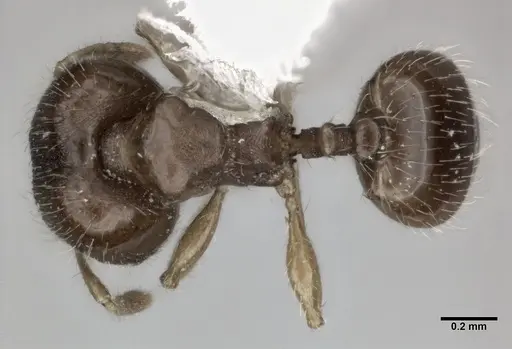
CASENT0246086
View on AntWeb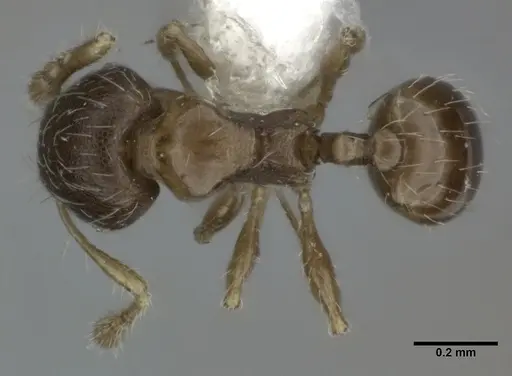
CASENT0611886
View on AntWeb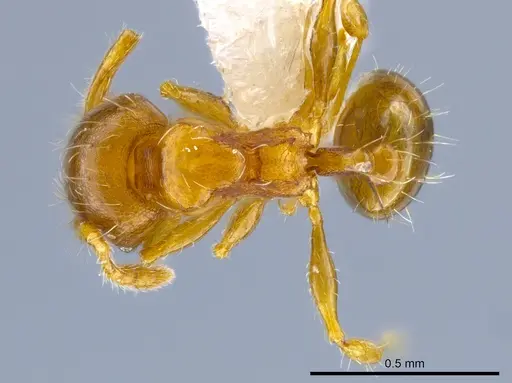
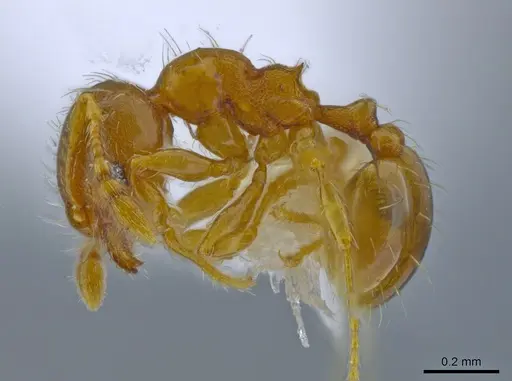
CASENT0635503
View on AntWeb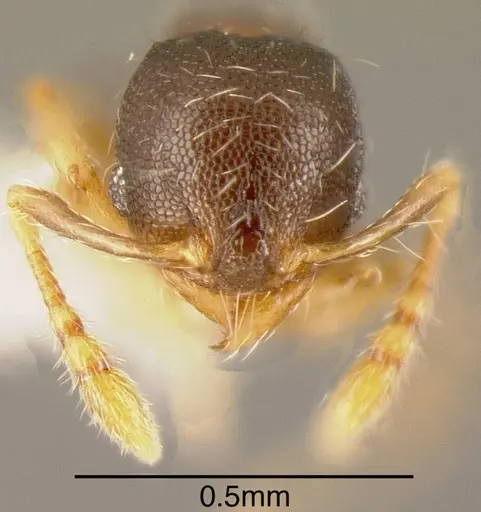
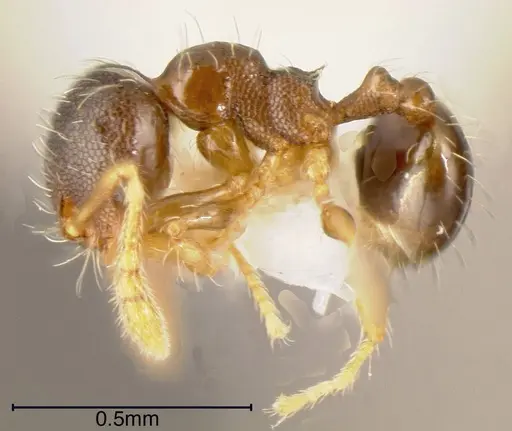
CASENT0904414
View on AntWeb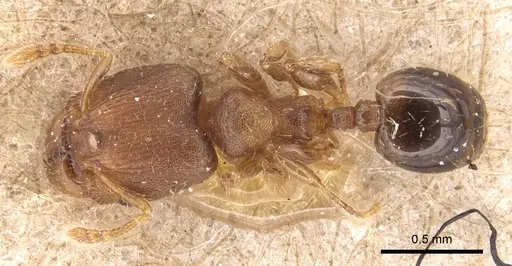
CASENT0904415
View on AntWeb
CASENT0908313
View on AntWeb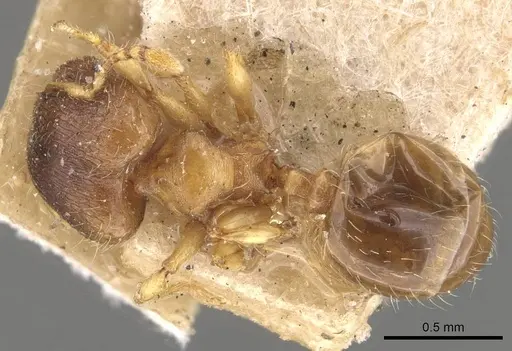
ECOFOG-GAL18-0024-34
View on AntWeb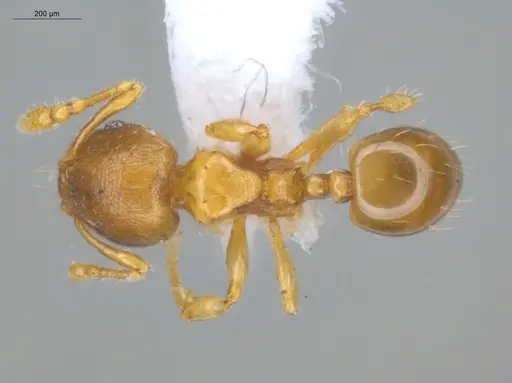
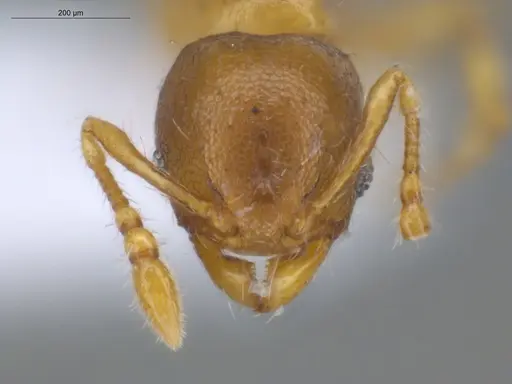
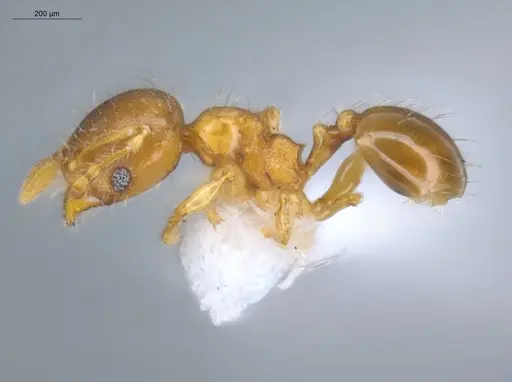
INBIOCRI001218647
View on AntWeb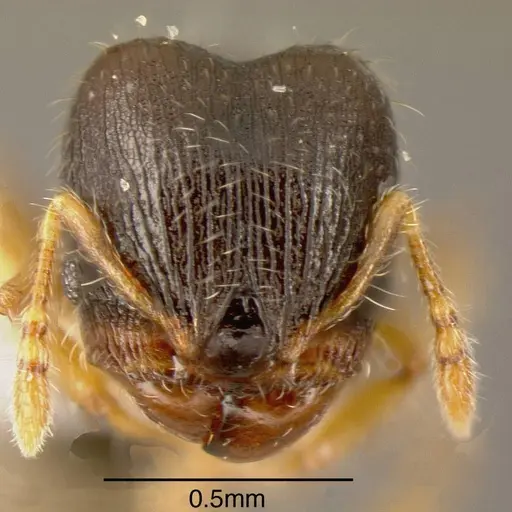
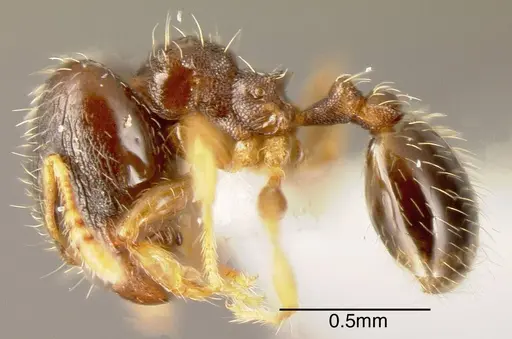
JTLC000015321
View on AntWeb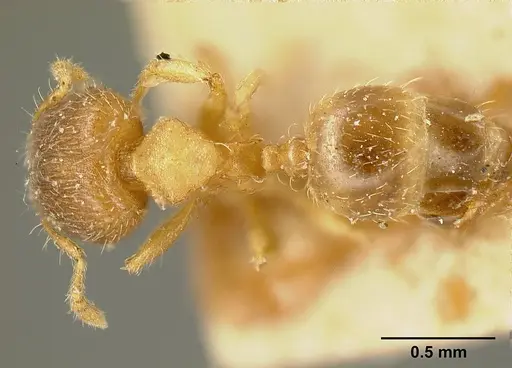
Literature
Loading distribution map...Loading products...