
Pheidole perpilosa
- Sci. Name
- Pheidole perpilosa
- Tribe
- Attini
- Subfamily
- Myrmicinae
- Author
- Wilson, 2003
- Distribution
- Found in 2 countries
Introduction
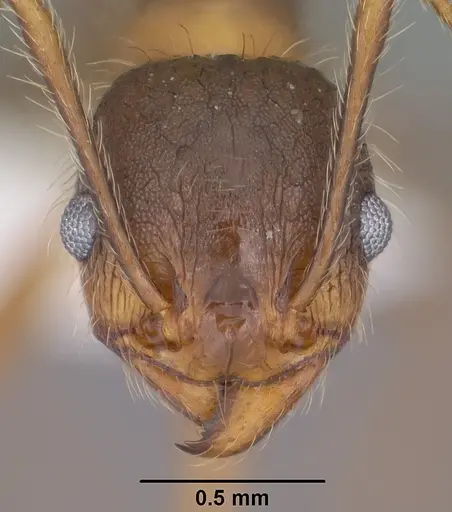
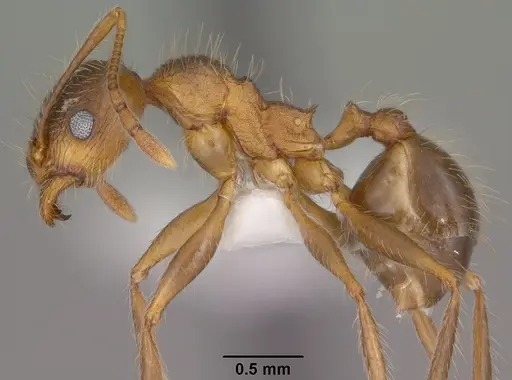
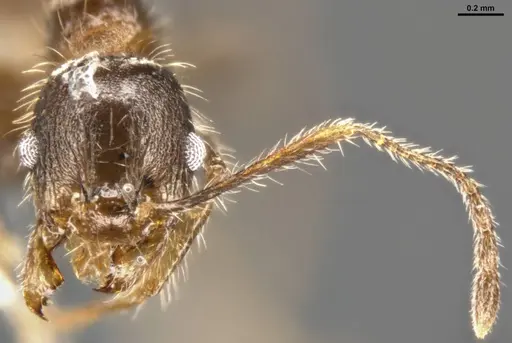
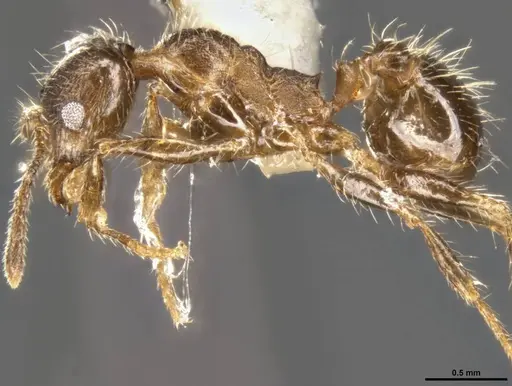
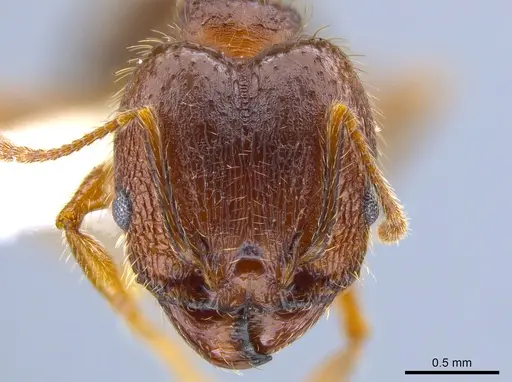
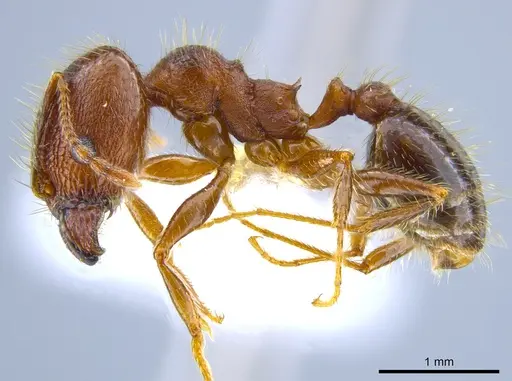
Pheidole perpilosa is a distinctive ant species native to the mountains of central and southern Arizona, found at elevations between 1400-1850 meters . The species gets its name from Latin - 'perpilosa' means 'very hairy' - and these ants have long erect hairs covering their bodies . Majors are yellowish brown and chunky, while minors are smaller with a medium brown body and yellowish-brown cheeks . This species belongs to the fallax group and forms large colonies of up to 1500 workers, including both minor and major castes .
Quick Summary
- Difficulty: Medium
- Origin & Habitat: Arizona mountains (Cochise, Gila, and Yavapai Counties) south of the Mogollon rim, at 1400-1850m elevation. Found in forests containing pine, oak, and juniper, often in valley areas. Nests under rocks or in open soil [1].
- Colony Type: Monogynous, colonies have a single queen. Large colonies can contain up to 1500 workers including both minor and major castes [1].
- Size & Growth:
- Queen: Size data unavailable, no total length measurements provided in literature.
- Worker: Size data unavailable, no total length measurements provided in literature.
- Colony: Up to 1500 workers (minors and majors combined) [1].
- Growth: Moderate, based on typical Pheidole genus patterns.
- Development: Unknown, no specific data available from literature. (Development time is not documented for this species. Based on typical Pheidole patterns, it may take several weeks at warm temperatures.)
- Antkeeping:
- Temperature: Keep at 22-26°C. These are mountain ants from Arizona that prefer moderate temperatures, avoid overheating. A slight temperature gradient allows workers to self-regulate [1].
- Humidity: Moderate humidity around 50-60%. Being from valley forests with access to ground moisture, they appreciate some damp substrate but not wet conditions. Provide a water tube and keep nest substrate lightly moist [1].
- Diapause: Yes, Arizona mountain winters get cold. Provide a hibernation period at 10-15°C for 2-3 months during winter months. Reduce feeding and keep them in a cool location [1].
- Nesting: In nature they nest under rocks or in open soil. In captivity, a Y-tong (AAC) nest or plaster nest with some soil substrate works well. They prefer darker nest chambers. Provide a connection to an outworld for foraging [1].
- Behavior: Pheidole perpilosa is nocturnal, they forage mostly at night [2]. They are mass recruiters, meaning they recruit many workers to good food sources [2]. Workers are predaceous and will hunt small insects. They have majors (soldier ants) that help process larger prey. These ants are not aggressive toward keepers but will defend their nest. Escape prevention is important as minors are small and can squeeze through small gaps [2].
- Common Issues: workers escaping due to small size, ensure all gaps are sealed., colony starvation from lack of live prey, provide protein regularly., colony weakness from skipped hibernation, include winter rest period., overcrowding in nest, plan for expansion as colony grows.
Housing and Nest Setup
Pheidole perpilosa does well in Y-tong (AAC) nests or plaster nests with some soil chambers. They prefer darker nest environments, so consider using a nest with tinted sides or covering part of the nest to create shade. Since they nest under rocks in the wild, adding a flat stone or piece of bark on top of the outworld substrate gives them a natural feel. Connect the nest to a foraging area (outworld) where you can offer food. Make sure all connections are secure, these small ants can escape through tiny gaps [1].
Feeding and Diet
These ants are predaceous, meaning they hunt and eat other small insects. In captivity, offer small live prey like fruit flies, pinhead crickets, small mealworms, and other tiny arthropods [2]. They are nocturnal foragers, so offer food in the evening or leave it available overnight [2]. While they may accept sugar water or honey occasionally, protein from live prey is essential for colony growth. Remove uneaten prey after 24 hours to prevent mold. Feed every 2-3 days, adjusting based on colony size and appetite.
Temperature and Seasonal Care
Keep your colony at 22-26°C, warm but not hot. These Arizona mountain ants are adapted to moderate temperatures and can suffer if overheated. A heating cable on one side of the nest creates a temperature gradient so workers can choose their preferred spot. During winter (roughly November through February), provide a hibernation period at 10-15°C. Reduce feeding during this time and keep the colony in a cool location like an unheated garage or basement. This rest period is important for colony health and longevity [1].
Understanding Major and Minor Workers
Pheidole perpilosa has two worker castes: minors and majors. Minors are the smaller workers that handle most tasks like foraging and caring for brood. Majors are larger with impressive mandibles that help process larger prey items and defend the colony. The majors develop over time, early-stage colonies will be all minors until the colony grows large enough to produce soldiers. Don't worry if you don't see majors initially, they appear once the colony reaches several hundred workers. Having both castes is one of the things that makes Pheidole species interesting to watch [1].
Colony Growth Expectations
This species can grow to impressive colony sizes of up to 1500 workers. However, this takes time, expect moderate growth over several years. A newly founded colony might take time to reach 100 workers, then growth accelerates. The presence of majors indicates a mature, healthy colony. Be patient with founding colonies, Pheidole queens seal themselves in to raise the first brood, and it can be weeks before you see the first workers (nanitics). Once established, growth is steady but not extremely fast [1].
Frequently Asked Questions
How long does it take for Pheidole perpilosa to produce first workers?
Expect first workers (nanitics) to appear after the queen lays her first eggs. This is typical for Pheidole species. The queen will seal herself in a chamber and raise the first brood alone. Be patient, don't disturb the founding chamber during this time [1].
Can I keep multiple Pheidole perpilosa queens together?
No. This species is monogynous, meaning colonies have a single queen. Introducing multiple unrelated queens will result in fighting. Only keep one queen per colony [1].
What do I feed Pheidole perpilosa?
Feed them small live insects like fruit flies, pinhead crickets, small mealworms, and other tiny arthropods [2]. They are predaceous and need protein for brood development. You can occasionally offer sugar water or honey as a supplement, but protein is essential [2].
When should I move my colony to a formicarium?
Keep founding colonies in a test tube setup until they reach a crowded state or workers are frequently in the outworld. Once the test tube becomes crowded, it's time to move to a proper nest like a Y-tong or plaster formicarium [1].
Do Pheidole perpilosa need hibernation?
Yes. As Arizona mountain ants, they need a winter rest period. Provide 2-3 months of hibernation at 10-15°C during winter (roughly November-February). Reduce feeding and keep them in a cool location [1].
Are Pheidole perpilosa good for beginners?
They are moderate difficulty, not the easiest but not the hardest. Beginners can succeed with them if they commit to providing proper prey and hibernation. Their nocturnal habits and need for live food make them slightly more demanding than seed-eating species [1].
How big do Pheidole perpilosa colonies get?
Colonies can reach up to 1500 workers including both minor and major castes. This takes several years of growth. Large colonies are impressive to watch with their division of labor between the two worker types [1].
Why are my Pheidole perpilosa not active during the day?
This species is nocturnal, they forage mostly at night [2]. It's completely normal to see minimal activity during daylight hours. Check on them in the evening or at night to observe their foraging behavior [2].
What temperature is best for Pheidole perpilosa?
Keep the nest at 22-26°C. They prefer moderate temperatures and can overheat easily. A temperature gradient with a heating cable on one side allows workers to regulate their own temperature by moving between warmer and cooler areas [1].
Report an Issue
The current care sheet is based fully on literature. See inconsistencies, or something that's incorrect? Please , it will be resolved after review from an admin. Contributing to the blogs tab also helps providing information, to make us be able to further improve the caresheets. Thank you for your support!
References

This caresheet is licensed under CC BY-SA 4.0 .
Community Blogs
CASENT0102888
View on AntWeb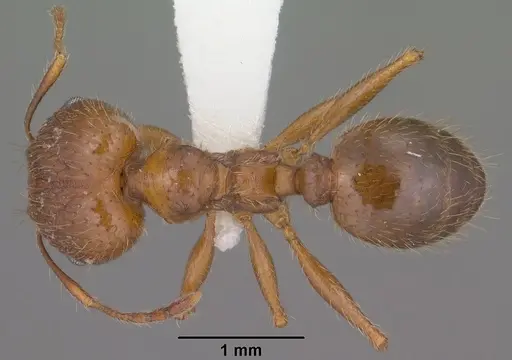
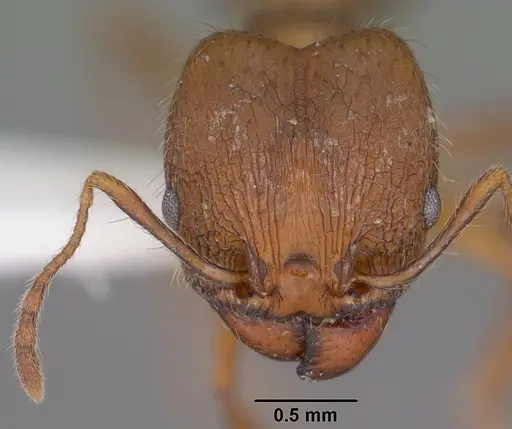
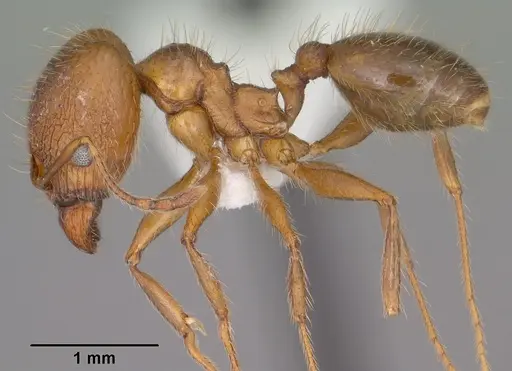
CASENT0102889
View on AntWeb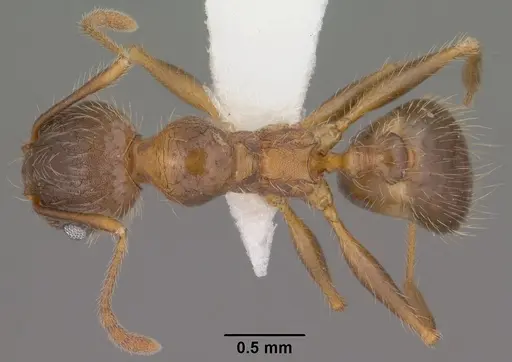
CASENT0283508
View on AntWeb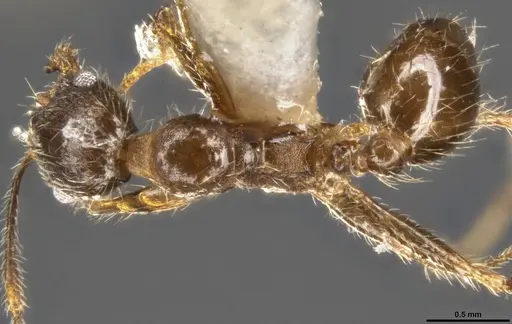
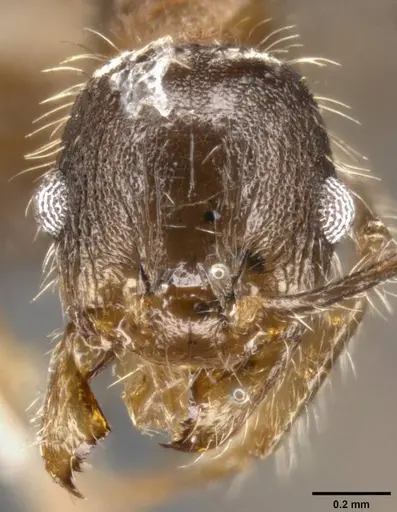
CASENT0619980
View on AntWeb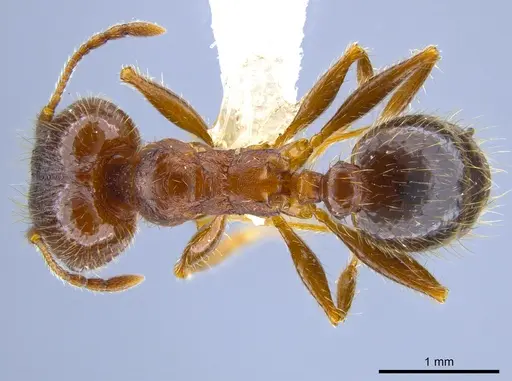
Literature
Loading distribution map...Loading products...