
Pheidole perissothrix
- Sci. Name
- Pheidole perissothrix
- Tribe
- Attini
- Subfamily
- Myrmicinae
- Author
- Longino, 2019
- Distribution
- Found in 3 countries
Introduction
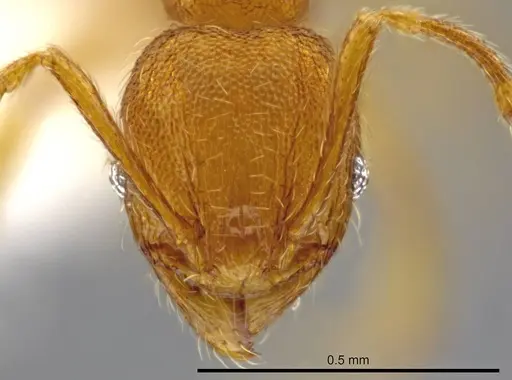
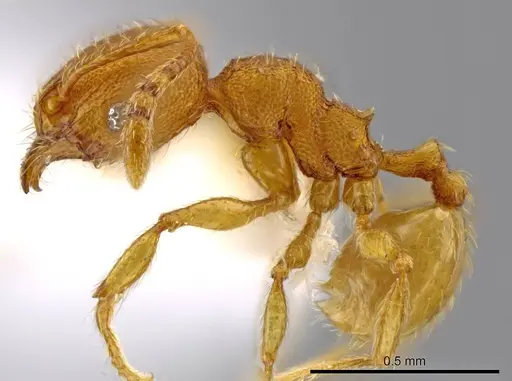
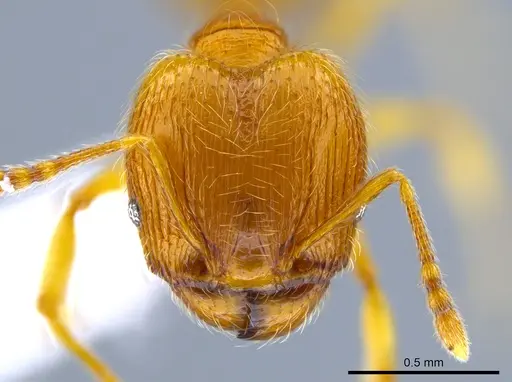
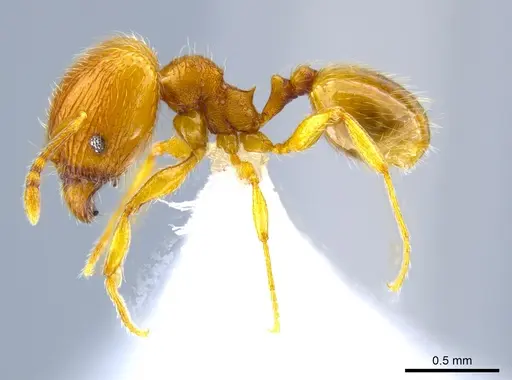
Pheidole perissothrix is an ant speciesof the genusPheidole , belonging to the subfamily Myrmicinae and tribe Attini . It is documented in 3 countries , including Guatemala, Honduras, Mexico . This species is a temporary social parasite, with queens taking over host colonies.
Frequently Asked Questions
What's the best way to start a Pheidole perissothrix colony?
Starting a Pheidole perissothrix colony is typically done with a single queen in a test tube setup. She's fully claustral, so she won't need food until her first nanitics emerge. Just ensure she has a quiet, dark space with a good water supply, and avoid disturbing her too much during this crucial founding period. Once those first tiny workers arrive, you can begin offering small amounts of food.
How often should I feed my Pheidole perissothrix colony?
Pheidole perissothrix are hungry ants with a fast growth rate, so they'll need frequent feeding. Once your colony is established with a decent worker count, plan on offering food daily or every other day. Ensure a continuous supply of both protein, like small feeder insects, and carbohydrates, such as honey or sugar water, to fuel their rapid expansion and keep the brood developing quickly.
Do Pheidole perissothrix need hibernation?
Yes, Pheidole perissothrix typically require a period of diapause, often referred to as hibernation, during the cooler months. This usually runs from late November to early March. Maintaining temperatures between 10-15°C for a couple of months is ideal for the queen's health and the colony's long-term well-being. During this time, they'll be less active, and feeding isn't as frequent, but fresh water should always be available.
What's the ideal temperature and humidity for Pheidole perissothrix?
For optimal health and growth, Pheidole perissothrix thrive in temperatures between 24-28°C. They also appreciate high humidity in their nest area, ideally around 60-80%, with the outworld a bit drier at 50-70%. Providing a slight temperature and humidity gradient within their formicarium can help them self-regulate and find their preferred conditions. Avoid overly dry conditions, as they don't do well in them.
Can Pheidole perissothrix sting?
No, Pheidole perissothrix workers do not sting. While their major workers have impressive, large heads and powerful mandibles, which they use for defense and breaking down tougher food items, they are not equipped with a stinger. They rely on biting and chemical defense if threatened, so you won't have to worry about stings when handling them.
What kind of nest is best for Pheidole perissothrix?
Given their small size, large colony potential, and penchant for digging, Pheidole perissothrix do well in formicaria that offer good moisture retention and escape prevention. Acrylic or Ytong nests with multiple chambers are popular choices. A setup with a soil or sand substrate in part of the nest can also mimic their natural digging habits and help maintain humidity. Ensure the setup is escape-proof, as these tiny ants can be expert escape artists!
Are Pheidole perissothrix aggressive?
Yes, Pheidole perissothrix are considered quite aggressive, both towards prey and other ant species. You'll observe their formidable majors acting as soldiers, readily defending the colony and assisting in overpowering larger food items. This aggressive nature makes them exciting to watch in an outworld, especially during feeding, but also means they will actively protect their territory if they feel threatened.
What do Pheidole perissothrix majors (soldiers) do?
Pheidole perissothrix majors, or soldiers, have several key roles within the colony thanks to their large, muscular heads. Their primary functions include colony defense against intruders, breaking down tough food items like seeds or hard-shelled insects into smaller, manageable pieces for the minor workers, and potentially acting as living food stores (repletes) during times of scarcity. They are less involved in brood care compared to the minors.
What should I feed Pheidole perissothrix for protein?
For protein, Pheidole perissothrix are not picky and will readily accept a variety of insect protein sources. Good options include freshly killed mealworms, crickets, fruit flies, locusts, or even small cockroaches. Ensure the prey is killed before offering it to the colony to prevent injury to your ants, especially the queen. They thrive on a consistent supply of protein to support their fast-growing brood.
How big do Pheidole perissothrix colonies get?
Pheidole perissothrix colonies can grow impressively large. In the wild, established colonies can reach tens of thousands of individuals, potentially between 10,000 to 50,000 ants. While captive colonies might not always reach these peak numbers, they still grow very rapidly and can house thousands of workers, requiring ample space and consistent care to accommodate their burgeoning population.
Can I keep multiple Pheidole perissothrix queens together?
While Pheidole perissothrix are primarily monogyne (single-queen) species, they can sometimes exhibit pleometrosis, meaning multiple queens might cooperate during the initial founding stages. However, in most cases, one queen will eventually dominate and eliminate the others as the colony grows. It's generally safest and recommended to keep Pheidole perissothrix with a single queen for long-term colony stability.
Why are my Pheidole perissothrix not eating?
If your Pheidole perissothrix colony isn't eating, check several factors. Ensure the food is fresh and not spoiled, as they are sensitive to mold. Verify that the temperature and humidity in their nest are within the optimal range; extreme conditions can stress them. Small founding colonies might not eat much initially, but larger, established colonies are usually voracious eaters. Also, ensure the food is accessible and not too large for the minor workers to transport.
How do Pheidole perissothrix communicate?
Like many ant species, Pheidole perissothrix communicate primarily through chemical signals (pheromones) and tactile interactions. They use chemical trails for foraging, alarming the colony to threats, and coordinating tasks. Their antennae are crucial for sensing these chemical cues and for tactile communication within the nest and outworld, demonstrating complex social behaviors.
Are Pheidole perissothrix good for beginners?
Pheidole perissothrix are generally considered a medium-difficulty species. While their fast growth and active foraging are appealing, their need for consistent feeding, specific humidity levels, and propensity for escaping due to their small size can be challenging for absolute beginners. They are a great species for someone with a little antkeeping experience looking for a dynamic and rewarding colony.
What kind of lighting do Pheidole perissothrix prefer?
Pheidole perissothrix prefer indirect natural light or dim ambient lighting. Direct sunlight should always be avoided as it can rapidly overheat their formicarium, causing stress or even death. Like most ants, they will appreciate a darker nest area to feel secure and tend to their brood, mimicking their natural subterranean habitats.

This caresheet is licensed under CC BY-SA 4.0 .
Community Blogs
CASENT0611501
View on AntWeb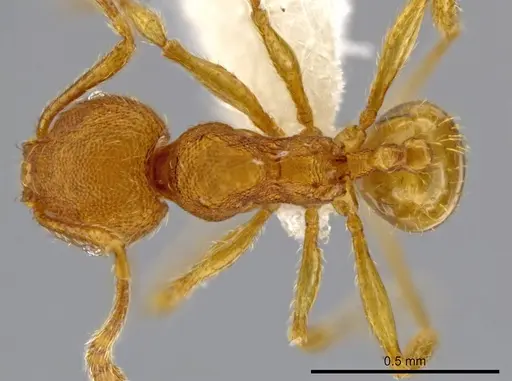
CASENT0611573
View on AntWeb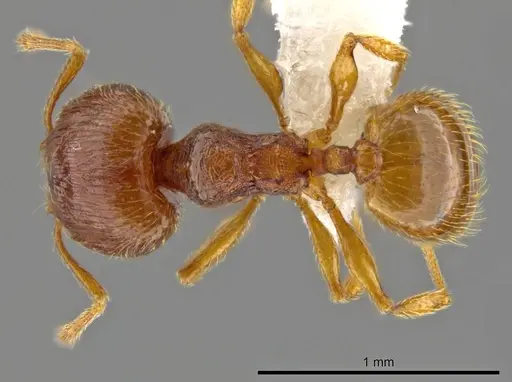
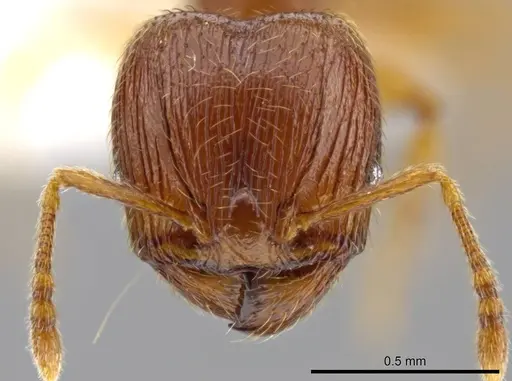
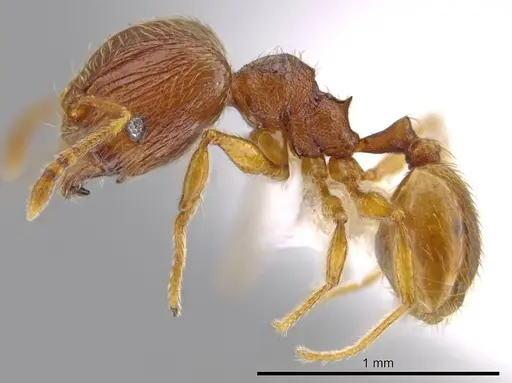
CASENT0611574
View on AntWeb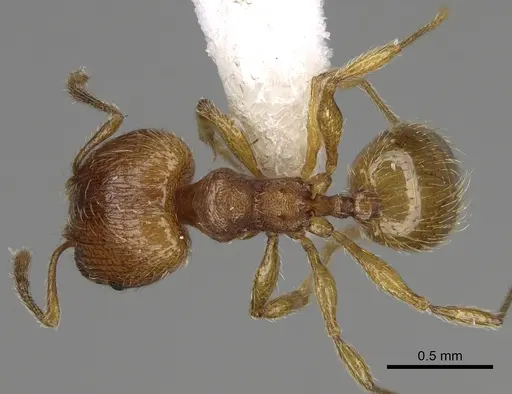
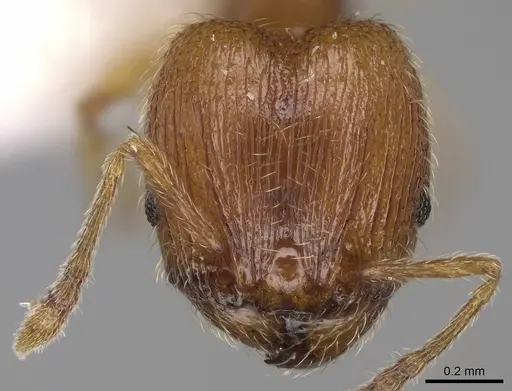
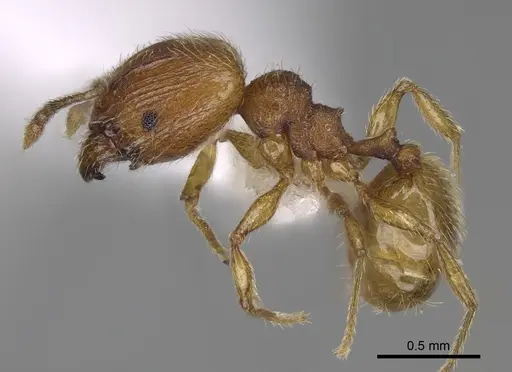
CASENT0611576
View on AntWeb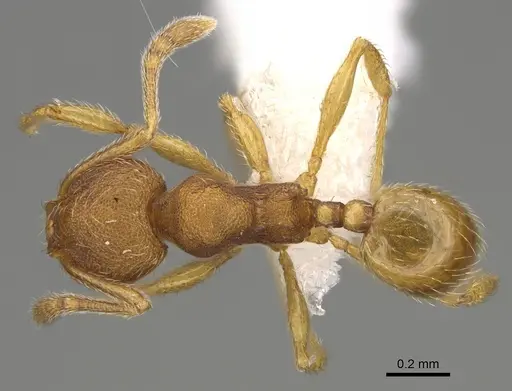
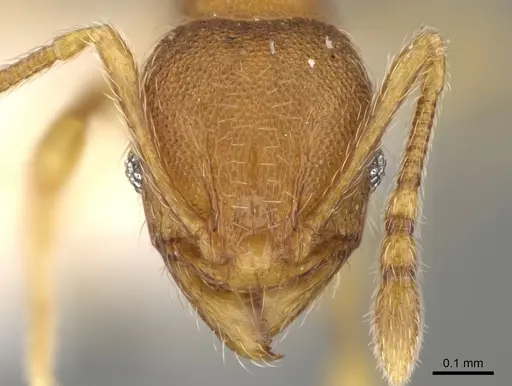
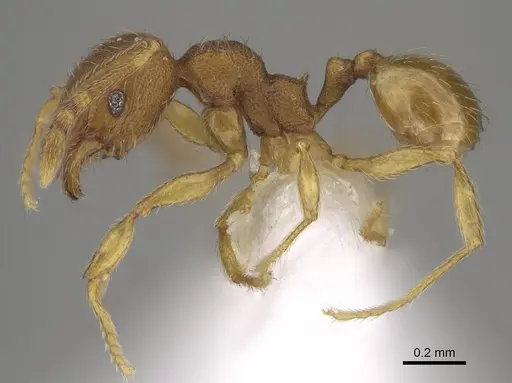
CASENT0618005
View on AntWeb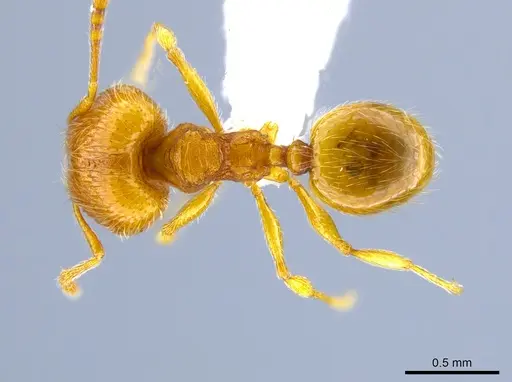
Literature
Loading distribution map...Loading products...