
Pheidole pedana
- Sci. Name
- Pheidole pedana
- Tribe
- Attini
- Subfamily
- Myrmicinae
- Author
- Wilson, 2003
- Distribution
- Found in 3 countries
Introduction
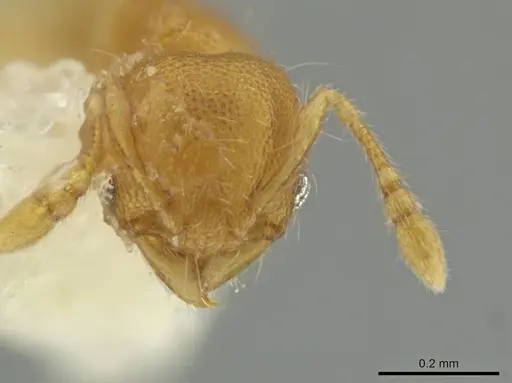
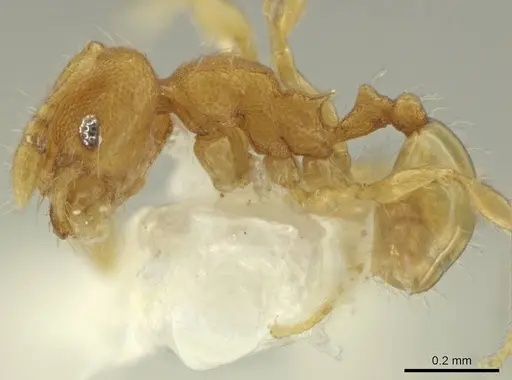
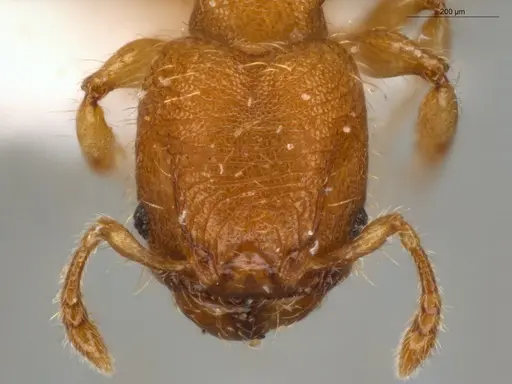
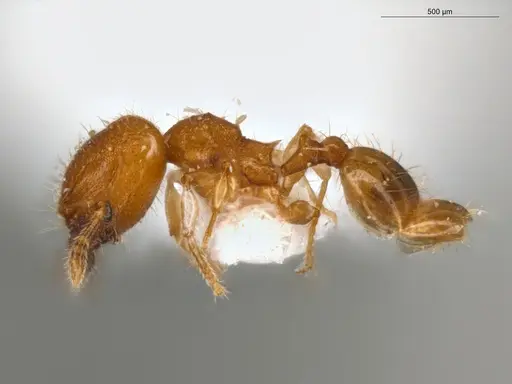
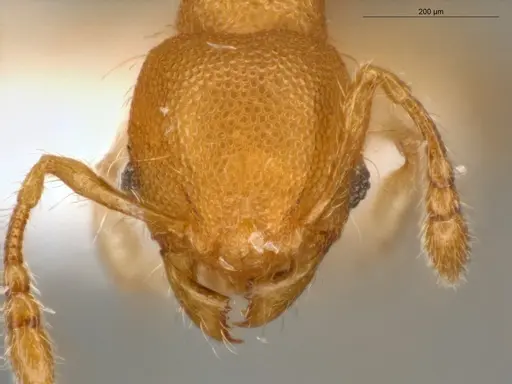
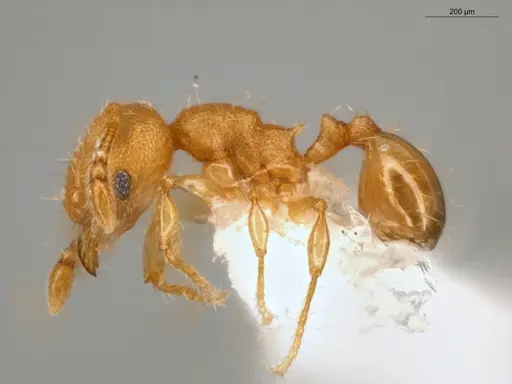
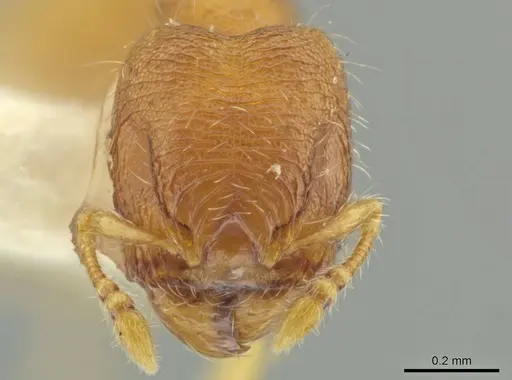
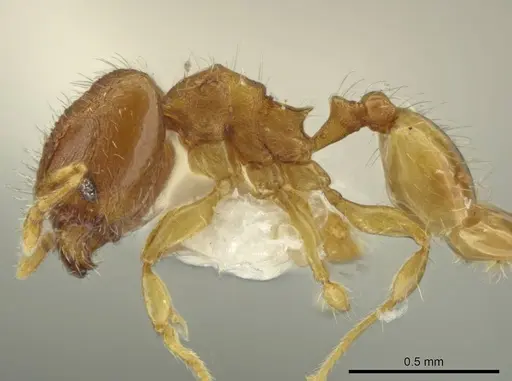
Pheidole pedana is a tiny yellow ant from the Amazon region, with size data unavailable as no total length measurements exist. It is known from Brazil, Peru, and French Guiana, where it lives in leaf litter in tropical rainforest environments . This species belongs to the tachigaliae-group and was described in 2003,but little is known about its specific biology beyond its distribution in rainforest leaf-litter communities .
Quick Summary
- Difficulty: Medium
- Origin & Habitat: Amazon Basin of Brazil, Peru, and French Guiana. Found in leaf litter in tropical rainforest environments including liana forest, plateau forest, and inselberg forest [1][4].
- Colony Type: Unknown, no data on colony structure.
- Size & Growth:
- Queen: Size data unavailable, inferred from Pheidole genus to be around 4-6 mm based on typical patterns.
- Worker: Size data unavailable, no total length measurements provided.
- Colony: Unknown, no data on colony size.
- Growth: Unknown, likely moderate based on genus patterns.
- Development: Estimated 6-10 weeks based on related tropical Pheidole species. (No direct development data, estimates based on genus-level patterns for small tropical ants.)
- Antkeeping:
- Temperature: Keep warm, roughly 24-28°C, based on tropical habitat inference. Provide a temperature gradient if room temperature is lower.
- Humidity: Keep nest substrate consistently moist but not waterlogged, as this species inhabits humid rainforests [1][4].
- Diapause: No, tropical species do not require hibernation.
- Nesting: Prefer leaf-litter nesting. In captivity, use naturalistic setups with moist substrate or Y-tong nests with small chambers scaled to their size. Avoid acrylic nests.
- Behavior: Escape risk is high due to tiny size, ensure excellent prevention with fine mesh and tight-fitting lids. Based on genus patterns, they are likely peaceful defenders.
- Common Issues: escape prevention is critical due to tiny size, use fine mesh and tight-fitting lids., humidity control is important, too dry or too wet can cause colony failure., no specific care data exists, rely on observation and genus-level knowledge., slow growth may frustrate beginners, be patient., wild-caught colonies may have parasites, source responsibly.
Nest Preferences and Housing
Pheidole pedana is a leaf-litter species that naturally lives in the top layers of forest floor debris. In captivity, they do well in naturalistic setups with several centimeters of moist substrate, such as a mix of soil and coco fiber, or in formicarium-style nests made of plaster or Y-tong. Because they are tiny, chambers and passages should be small, avoid large chambers designed for bigger ants. A Y-tong nest with narrow tunnels scaled to their size is an excellent choice. They also do well in test tube setups if given access to a foraging area. Ensure the nest can hold moisture well since this species comes from humid tropical rainforests [1][4].
Feeding and Diet
Pheidole species are generalist omnivores that eat seeds, small insects, and honeydew. In captivity, offer a varied diet including small protein sources like fruit flies or pinhead crickets, and sugar sources like honey water. Since this species is very small, prey items should be appropriately sized, flightless fruit flies and small springtails are ideal. Feed protein every few days and keep sugar water available constantly. Remove uneaten prey after 24-48 hours to prevent mold.
Temperature and Humidity
As an Amazon Basin species, Pheidole pedana requires warm, humid conditions. Keep temperatures roughly 24-28°C, based on tropical habitat inference. They can tolerate slightly cooler temperatures but growth may slow. Humidity should be high, the nest substrate should feel consistently moist but never waterlogged. This species comes from tropical rainforests where humidity is rarely low. Good ventilation is important to prevent mold while maintaining humidity [1][4].
Colony Development and Growth
No specific development data exists for this species. Based on typical Pheidole patterns and related small tropical ants, expect the first workers to emerge around 6-10 weeks after the queen lays eggs, assuming optimal temperatures around 26°C. Growth is likely slower than larger ant species due to the tiny colony size. Major workers typically appear once the colony reaches several dozen workers. Pheidole colonies can live for several years with proper care. Be patient, small leaf-litter species often grow more slowly than larger ants.
Behavior and Defense
Like all Pheidole, this species has major workers with enlarged heads that serve as defenders. Majors will block the nest entrance with their heads when threatened. They are not aggressive toward humans, and their small size means their bite is barely noticeable. Based on subfamily Myrmicinae, they possess a functional stinger, though it is less medically significant to humans. Workers forage individually and likely use chemical trails for recruitment.
Frequently Asked Questions
How long does it take for Pheidole pedana to produce first workers?
No specific data exists for this species. Based on related tropical Pheidole, expect first workers in approximately 6-10 weeks at optimal temperature (around 26°C).
What do Pheidole pedana ants eat?
Like other Pheidole, they are omnivores that eat small insects, seeds, and honeydew. In captivity, offer small live prey like fruit flies, dead insects, and sugar water. Their tiny size means prey should be appropriately small.
What temperature should I keep Pheidole pedana at?
Keep them warm at roughly 24-28°C, based on tropical habitat inference. A small heating cable on part of the nest can help if your room is cooler.
Are Pheidole pedana good for beginners?
This species is not well-documented in the antkeeping hobby, so it may be challenging for complete beginners. If you have experience with other small tropical ants, you should be able to keep them successfully.
How big do Pheidole pedana colonies get?
Colony size is unknown for this species. Related leaf-litter Pheidole typically reach a few hundred workers, but no data exists for this species.
Do Pheidole pedana need hibernation?
No, this is a tropical Amazon species that does not require hibernation. They may slow slightly during cooler periods but should be kept warm year-round.
When should I move Pheidole pedana to a formicarium?
Start them in a test tube setup for founding. Once the colony reaches a small number of workers and you see they are active and healthy, you can move them to a naturalistic setup or formicarium with appropriately small chambers.
Why are my Pheidole pedana dying?
Common causes include: too low humidity (keep substrate moist), temperatures outside their range (24-28°C), improper feeding, or stress from moving. Since no specific care data exists, observe your colony closely and adjust conditions based on their behavior.
Can I keep multiple Pheidole pedana queens together?
No data exists on colony structure for this species. Most Pheidole are monogyne (single queen). Combining unrelated queens is not recommended unless you have specific evidence they can coexist.
Report an Issue
The current care sheet is based fully on literature. See inconsistencies, or something that's incorrect? Please , it will be resolved after review from an admin. Contributing to the blogs tab also helps providing information, to make us be able to further improve the caresheets. Thank you for your support!
References

This caresheet is licensed under CC BY-SA 4.0 .
Community Blogs
CASENT0645844
View on AntWeb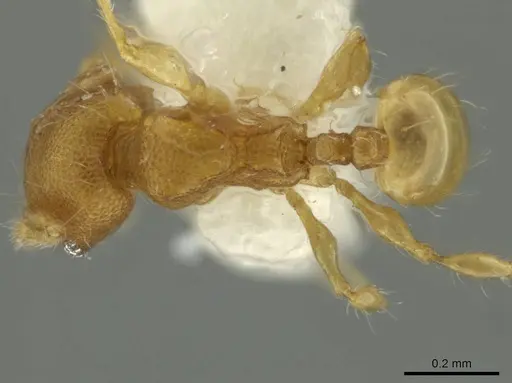
ECOFOG-IT14-0954-24-S
View on AntWeb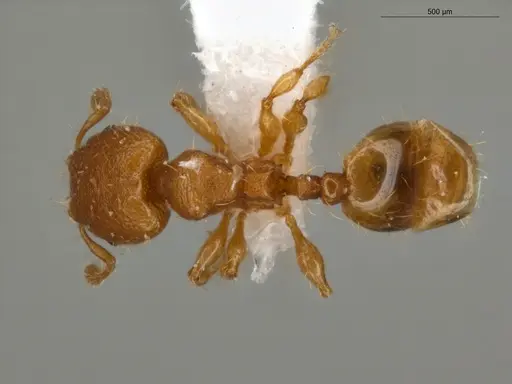
ECOFOG-IT14-0954-24
View on AntWeb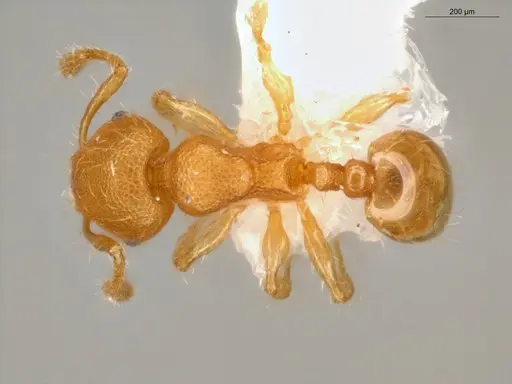
JTLC000016482
View on AntWeb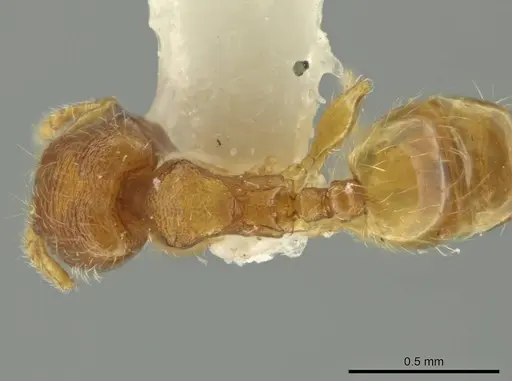
Literature
Loading distribution map...Loading products...