
Pheidole parvula
- Sci. Name
- Pheidole parvula
- Tribe
- Attini
- Subfamily
- Myrmicinae
- Author
- Salata & Fisher, 2020
- Distribution
- Found in 1 countries
Introduction
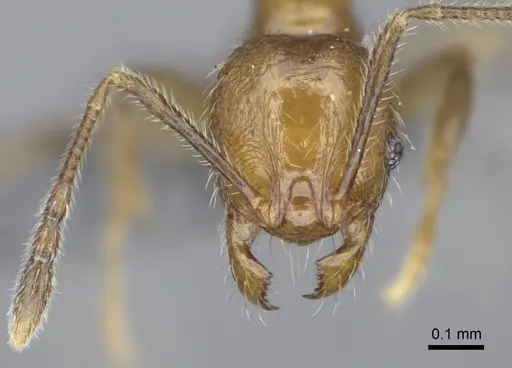
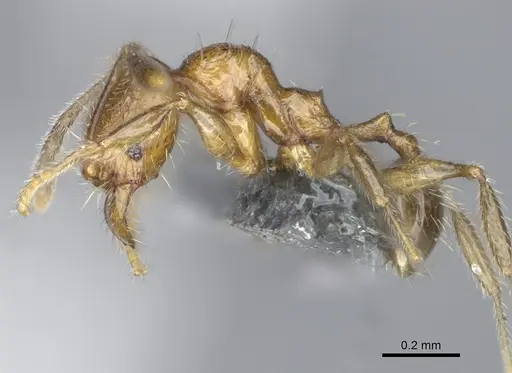
Pheidole parvula is a minute ant species from Madagascar, described in 2020 as part of the Pheidole sikorae group. It inhabits montane forests and rainforests at elevations of 750-1490 meters, nesting in rotten logs and forest litter . The species name means 'small' in Latin, reflecting its very tiny size, though specific body length measurements are not available in the research. This newly described species offers little known biology beyond its habitat and morphology.
Quick Summary
- Difficulty: Medium
- Origin & Habitat: Eastern Madagascar (Toamasina region), found in montane forest and rainforest habitats at 750-1490 m elevation, nesting in rotten logs and litter [1].
- Colony Type: Likely single-queen colonies based on typical Pheidole genus patterns, but unconfirmed for this specific species.
- Size & Growth:
- Queen: size data unavailable
- Worker: size data unavailable
- Colony: Unknown, estimated to reach several hundred workers based on typical Pheidole colony development patterns
- Growth: Moderate, inferred from genus patterns
- Development: Estimated 6-10 weeks at optimal temperature, but not directly studied for this species (Development timeline is inferred from typical Pheidole patterns, small size may allow slightly faster development)
- Antkeeping:
- Temperature: Based on montane forest origin, keep warm around 22-26°C. Temperature needs are unclear, start around 22-25°C and observe [1].
- Humidity: High humidity preferred, as natural habitat is rainforest, keep nest substrate consistently moist but not waterlogged [1].
- Diapause: Likely no true diapause required due to Madagascar's mild climate, but a slight winter slowdown may be beneficial
- Nesting: Naturally nests in rotten logs and litter, in captivity, use moist substrate nests or Y-tong/plaster nests with good humidity retention, scaled to tiny size [1].
- Behavior: Based on typical Pheidole patterns, this species is calm and non-aggressive. Major workers serve as defenders and food processors, while minors forage. Their tiny size makes escape prevention critical, as they can squeeze through small gaps. Defense mechanism includes a sting, as typical for Myrmicinae ants, but no species-specific data is available.
- Common Issues: escape prevention is critical due to very small size, use fine mesh and tight barriers, high humidity requirements can lead to mold if ventilation is poor, wild-caught colonies may carry parasites that harm captive colonies, slow founding phase may appear dormant, avoid disturbing the queen, tiny size makes them vulnerable to drowning, provide shallow water sources
Housing and Nest Setup
Pheidole parvula requires careful attention to nest dimensions due to its tiny size. In the wild, it nests in rotten logs and forest litter [1], so a naturalistic setup with moist substrate works well. Use a soil and peat mixture that holds moisture without waterlogging, or a Y-tong/plaster nest with good humidity retention. Provide tight, enclosed chambers scaled to their minute size, and a small outworld for foraging. For founding colonies, start with a test tube setup and transition to a formicarium once the colony has 50+ workers and is actively foraging.
Feeding and Diet
Like other Pheidole species, this ant is a generalist omnivore. Offer small protein sources like fruit flies or pinhead crickets, seeds such as millet, and sugar water or honey. Remove uneaten prey after 24-48 hours to prevent mold. Feed established colonies small amounts of protein 2-3 times per week with constant access to sugar water.
Temperature and Humidity
Based on its montane forest habitat, keep temperatures warm around 22-26°C, with a slight drop in winter to 18-20°C if desired. Humidity is critical, maintain a moist nest substrate without waterlogging, aiming for high humidity levels typical of rainforests [1]. Use a water reservoir connected to the nest to stabilize humidity.
Colony Development and Growth
Pheidole parvula was described in 2020,so captive breeding data is limited [1]. Based on typical Pheidole patterns, the founding queen may remain sealed for weeks while raising the first brood. First workers may emerge in 6-10 weeks at optimal temperature. Colony growth is moderate, potentially reaching several hundred workers over time. Be patient during the founding phase to avoid disturbing the queen.
Handling and Temperament
This species is calm and non-aggressive, with major workers handling defense. Their tiny size makes them easy to crush, so handle nests with care. They are active foragers but typically flee rather than attack. Ensure all barriers are secure to prevent escapes, as they are excellent escape artists.
Frequently Asked Questions
How long does it take for Pheidole parvula to produce first workers?
Based on typical Pheidole development, expect 6-10 weeks from egg to first worker at optimal temperature (22-26°C). The exact timeline may vary, and founding colonies often appear dormant while the queen raises her first brood.
What do Pheidole parvula ants eat?
They are generalist omnivores. Offer small insects, seeds, and sugar water or honey. Remove uneaten food after 24-48 hours to prevent mold.
How big do Pheidole parvula colonies get?
Colony size is not documented, but based on typical Pheidole patterns, colonies may reach several hundred workers over time.
What temperature do Pheidole parvula ants need?
Keep them at 22-26°C during the active season, with a possible slight reduction in winter. Temperature needs are inferred from their montane forest habitat [1].
Are Pheidole parvula good for beginners?
This species is rated Medium difficulty. Their tiny size requires excellent escape prevention and humidity control, making them better suited for keepers with some experience.
Can I keep multiple Pheidole parvula queens together?
Pheidole species are typically single-queen colonies. Combining unrelated queens is not recommended and may result in fighting.
What humidity level do Pheidole parvula ants need?
High humidity is essential, as their natural habitat is rainforest. Keep the nest substrate moist but not waterlogged [1].
When should I move Pheidole parvula to a formicarium?
Wait until the colony has at least 50-100 workers and is actively foraging. Moving too early can stress the colony.
Why are my Pheidole parvula dying?
Common causes include escape through tiny gaps, mold from poor ventilation, drowning in water sources, and stress from disturbing the nest. Check humidity and ensure food is consumed.
Report an Issue
The current care sheet is based fully on literature. See inconsistencies, or something that's incorrect? Please , it will be resolved after review from an admin. Contributing to the blogs tab also helps providing information, to make us be able to further improve the caresheets. Thank you for your support!
References

This caresheet is licensed under CC BY-SA 4.0 .
Community Blogs
CASENT0274865
View on AntWeb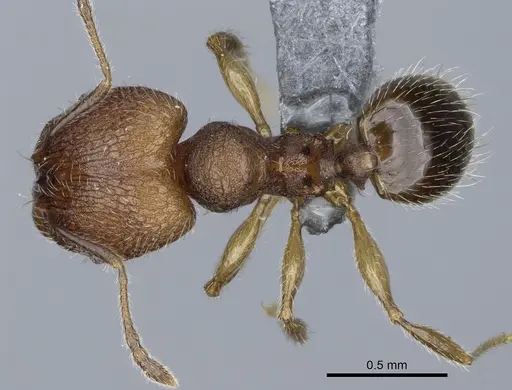
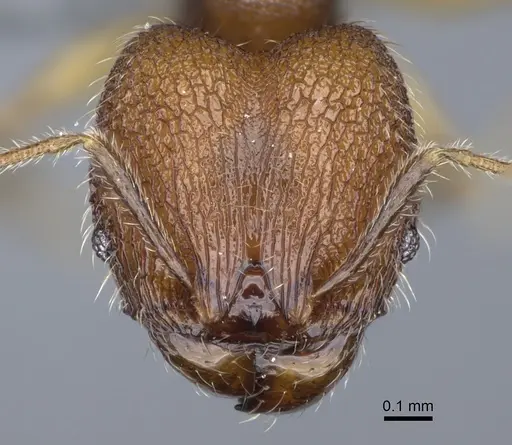
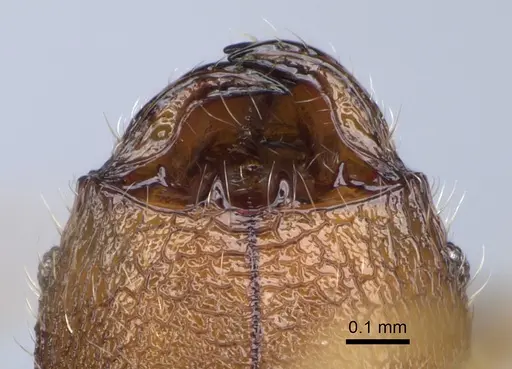
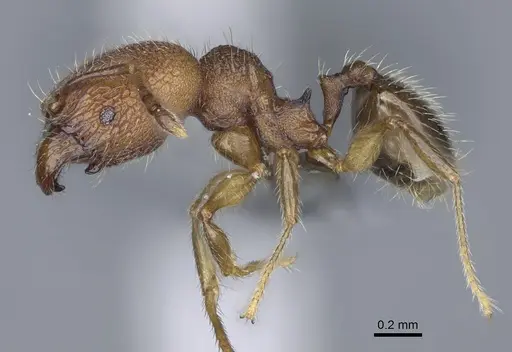
CASENT0923270
View on AntWeb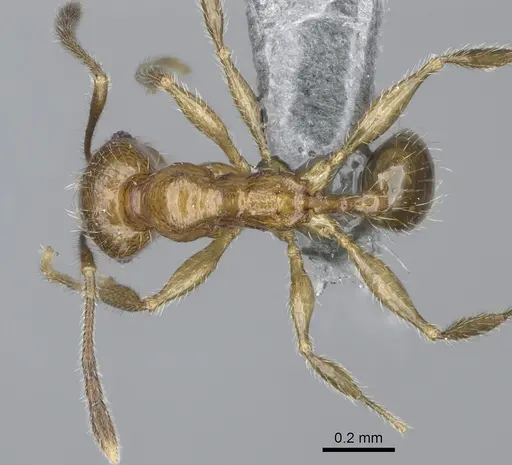
Literature
Loading distribution map...Loading products...