
Pheidole parviocula
- Sci. Name
- Pheidole parviocula
- Tribe
- Attini
- Subfamily
- Myrmicinae
- Author
- Salata & Fisher, 2020
- Distribution
- Found in 1 countries
Introduction
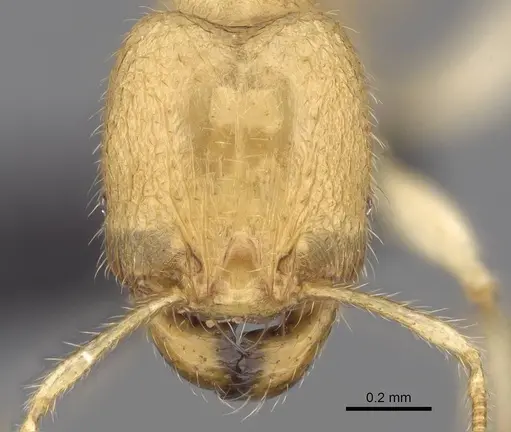
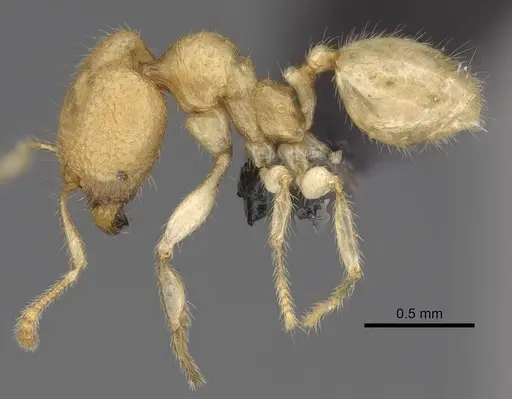
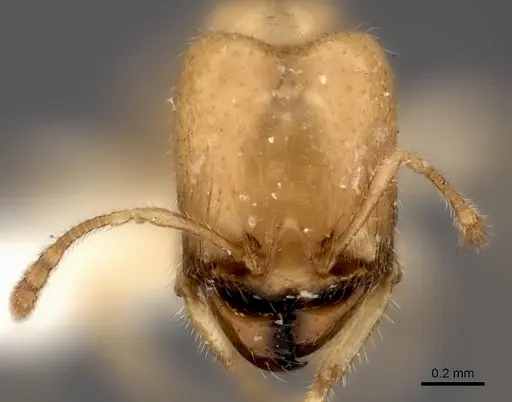
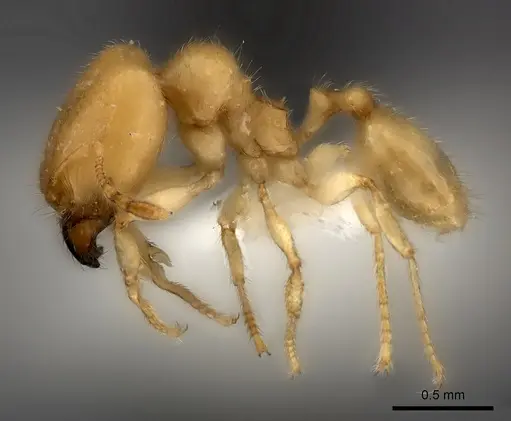
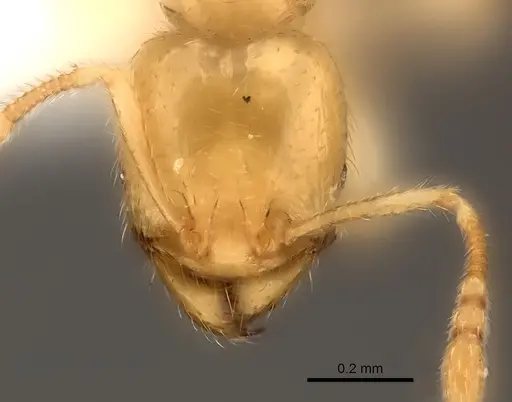
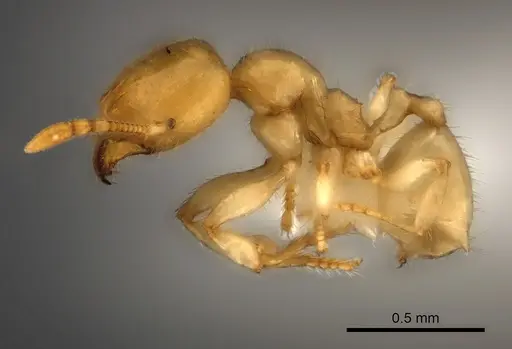
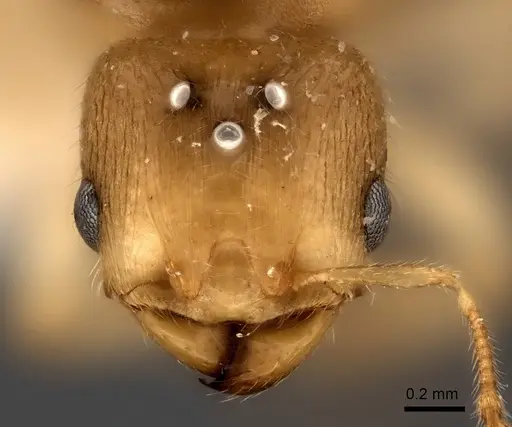
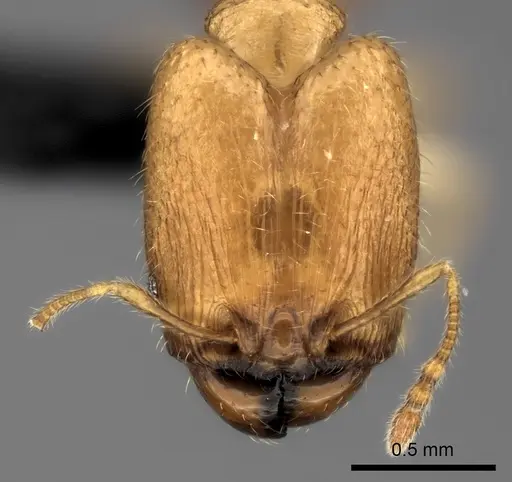
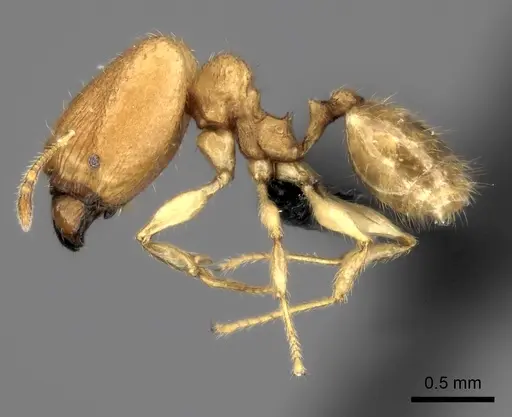
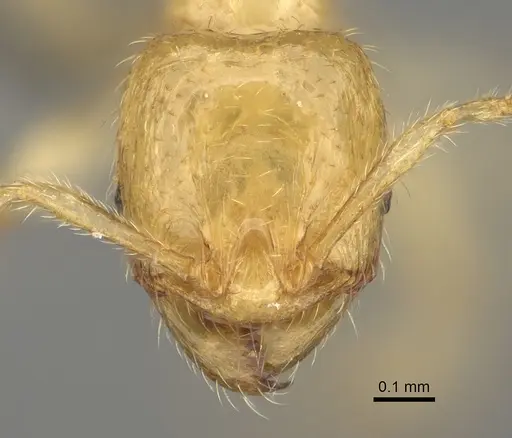
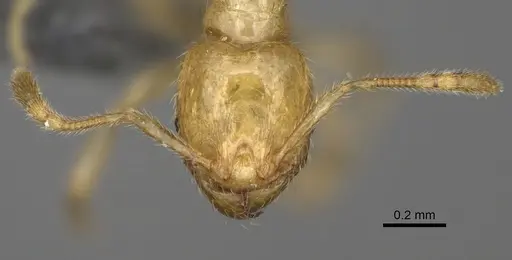
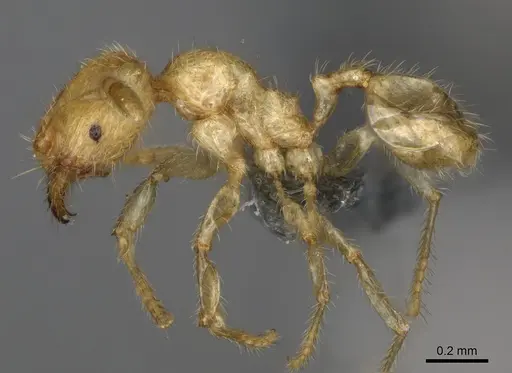
Pheidole parviocula is a small yellow ant native to the highlands of Madagascar, found at elevations between 1002-1987 meters. It has small, reduced eyes and weak or absent propodeal spines . The species is part of the Pheidole lutea group and nests in soil, under stones, or in dead tree stumps. This species is named for its distinctive small eyes ('parviocula' means 'small eyes' in Latin). As a Pheidole, it has a two-worker caste system with majors and minors, where majors handle seed processing and defense.
Quick Summary
- Difficulty: Medium
- Origin & Habitat: Highland Madagascar (1002-1987m elevation) in savannah grassland, Uapaca woodland, and savannah woodland areas. Nests in soil, under stones, and in dead tree stumps [1].
- Colony Type: Based on typical Pheidole patterns, likely single-queen (monogyne) colonies.
- Size & Growth:
- Queen: Size data unavailable, queens are larger than workers but no measurements provided.
- Worker: Size unknown, inferred from Pheidole genus (~2-4 mm)
- Colony: Colony size data unavailable for this species.
- Growth: Moderate
- Development: Estimated 6-10 weeks at optimal temperature (24-28°C) based on typical Pheidole development (Development time may vary with temperature and feeding.)
- Antkeeping:
- Temperature: Keep at 24-28°C, based on their highland origin and typical Pheidole needs.
- Humidity: Keep nest substrate consistently moist but not waterlogged, as they nest in soil and under stones [1].
- Diapause: Diapause requirements are unknown. Based on highland origin, a slight cooling period may be beneficial, but not required.
- Nesting: Use test tubes for founding colonies. Once established, a Y-tong or plaster nest works well. Natural nesting in soil and under stones [1].
- Behavior: Pheidole parviocula is calm and non-aggressive. Workers forage actively but avoid conflict. Major workers have stingers from the Myrmicinae subfamily but are too small to harm humans. Escape risk is moderate due to small size, use standard escape prevention.
- Common Issues: small size makes escape prevention critical, use fine mesh and tight-fitting lids, limited biological data means care is based on genus-level inference rather than species-specific research, slow founding phase, queens may take 6-10 weeks to raise first workers, patience is essential, wild-caught colonies may carry parasites that can devastate captive populations, highland origin means they may be sensitive to overheating, avoid temperatures above 30°C
Nest Preferences and Housing
Pheidole parviocula naturally nests in soil, under stones, and in dead tree stumps in their highland Madagascar habitat [1]. For captive care, start with a simple test tube setup for founding colonies, fill a test tube with water, plug the wet end with cotton, and place the queen in the dry portion. The queen will seal herself in and remain inside until her first workers emerge.
Once the colony reaches 50+ workers, you can move them to a more permanent setup. Y-tong nests or plaster nests work well for Pheidole species. These allow you to maintain proper humidity while giving the colony enclosed chambers similar to their natural nest sites. Avoid very dry setups, these ants prefer substrates that hold some moisture. A small outworld for foraging completes the setup.
Feeding and Diet
Pheidole are omnivorous scavengers with a preference for protein-rich foods. In captivity, offer a varied diet including small live or frozen insects (fruit flies, pinhead crickets, small mealworms), seeds (millet, chia, dandelion seeds), and sugar sources (honey water, sugar water). Feed protein 2-3 times per week and provide a constant sugar water source.
The major workers have specialized mandibles for seed processing, so offering seeds is particularly appropriate. Remove uneaten food after 24-48 hours to prevent mold. Fresh water should always be available, a small water tube or damp cotton ball works for drinking.
Temperature and Seasonal Care
Maintain temperatures between 24-28°C for optimal colony development. This range reflects their highland Madagascar origin where conditions are moderate. Avoid temperatures above 30°C, overheating can be fatal.
A heating cable on one side of the nest creates a beneficial temperature gradient, allowing ants to regulate their own exposure. Room temperature within this range works well for established colonies. During winter, a slight cooling period (2-4 weeks at 15-20°C) may benefit the colony but is not strictly required. Monitor colony activity, if workers become sluggish, slightly warming the nest can help.
Behavior and Colony Dynamics
Pheidole parviocula exhibits the classic Pheidole two-worker caste system. Minor workers handle most tasks including foraging, brood care, and nest maintenance. Major workers specialize in seed processing, defense, and heavy lifting. The majors' small eyes are a distinctive feature, they rely more on chemical and tactile cues than visual information [1].
This is a calm species that avoids confrontation. Workers are active foragers but not aggressive. They will retreat from threats rather than engage. The colony will expand gradually, with population growth depending on feeding quality and temperature. Major workers appear as the colony matures, typically once 50+ workers are established.
Handling and Transfer
When moving Pheidole parviocula, use gentle techniques. They are small and fragile, avoid shaking or sudden movements. For test tube transfers, connect the old tube to a new one using tubing and let the ants move themselves. For moving to formicaria, gently tap the nest to encourage workers to carry brood out, then guide them into the new setup.
Never grab the queen, she can be damaged easily. If you need to move a founding queen, coax her into a small container rather than picking her up. These ants produce alarm pheromones when threatened, which can cause stress, so work calmly and minimize disturbance to the colony.
Frequently Asked Questions
How long does it take for Pheidole parviocula to raise first workers?
Based on typical Pheidole development, expect 6-10 weeks from egg to first worker at optimal temperature (24-28°C). The queen is claustral, she seals herself in and raises the first brood alone without foraging. Patience is essential during this founding phase.
What do Pheidole parviocula ants eat?
They are omnivorous. Offer small insects (fruit flies, small mealworms), seeds (millet, chia), and sugar sources (honey water, sugar water). Feed protein 2-3 times per week with constant sugar water available. Remove uneaten food after 24-48 hours.
Can I keep multiple Pheidole parviocula queens together?
This is not recommended. While colony structure is unconfirmed for this species, most Pheidole are single-queen colonies. Combining unrelated foundresses risks fighting and colony failure. If you obtain multiple founding queens, house them separately.
What temperature is best for Pheidole parviocula?
Keep the nest at 24-28°C. This moderate temperature range matches their highland Madagascar origin. Avoid temperatures above 30°C as overheating can be fatal. A slight gradient allowing cooler areas is beneficial.
How big do Pheidole parviocula colonies get?
Maximum colony size is unconfirmed for this species, but Pheidole colonies typically reach several hundred to a few thousand workers. Growth is moderate, expect several months to reach 100 workers, then faster expansion.
When should I move Pheidole parviocula to a formicarium?
Move them once the colony reaches 50+ workers. Before this, a test tube setup is sufficient and safer for the colony. The transition should be gradual, connect the formicarium to the test tube and let the ants explore and move on their own.
Do Pheidole parviocula need hibernation?
Diapause requirements are unconfirmed. Highland Madagascar species may experience seasonal temperature changes, but full hibernation is not typically required in captivity. A slight cooling period (2-4 weeks at 15-20°C) during winter may benefit the colony but is optional.
Why are my Pheidole parviocula dying?
Common causes include: temperature stress (above 30°C or below 15°C), improper humidity (too dry or waterlogged), mold from uneaten food, parasites in wild-caught colonies, or stress from excessive disturbance. Review each factor and adjust accordingly.
Are Pheidole parviocula good for beginners?
This species is rated Medium difficulty. They are small and require careful attention to escape prevention and humidity. The main challenge is their slow founding phase and limited species-specific data. Experienced antkeepers will have better success with this species.
Report an Issue
The current care sheet is based fully on literature. See inconsistencies, or something that's incorrect? Please , it will be resolved after review from an admin. Contributing to the blogs tab also helps providing information, to make us be able to further improve the caresheets. Thank you for your support!
References

This caresheet is licensed under CC BY-SA 4.0 .
Community Blogs
CASENT0029654
View on AntWeb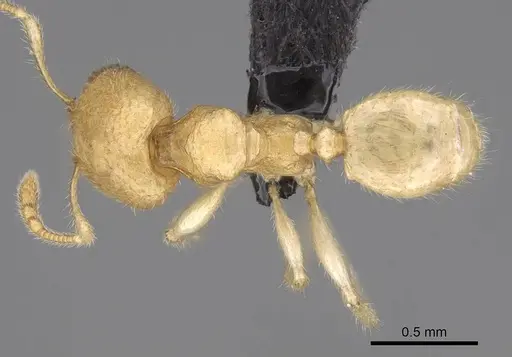
CASENT0235059
View on AntWeb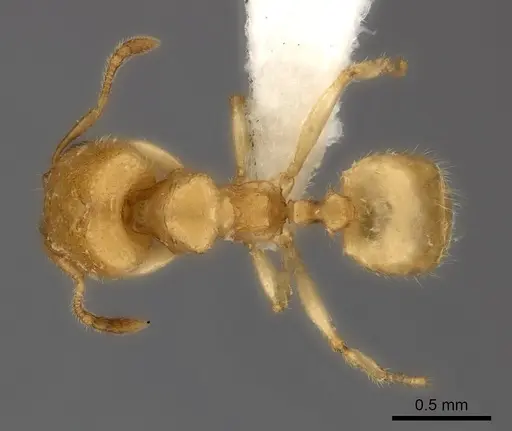
CASENT0235060
View on AntWeb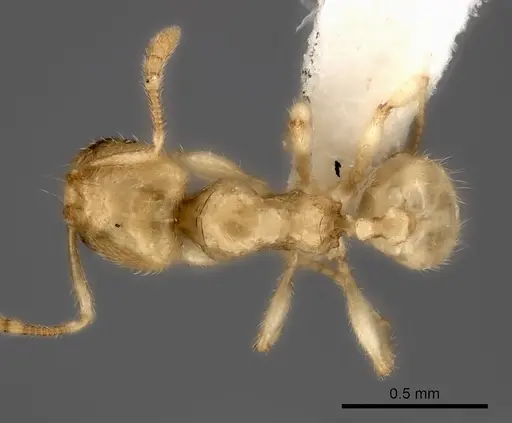
CASENT0235061
View on AntWeb
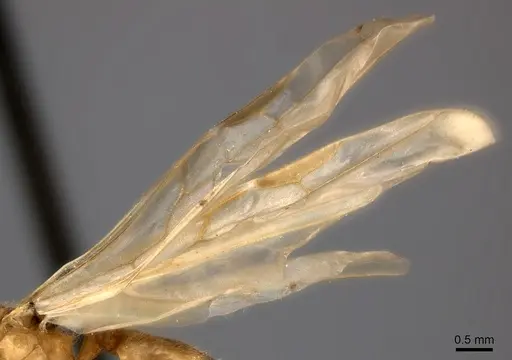
CASENT0303345
View on AntWeb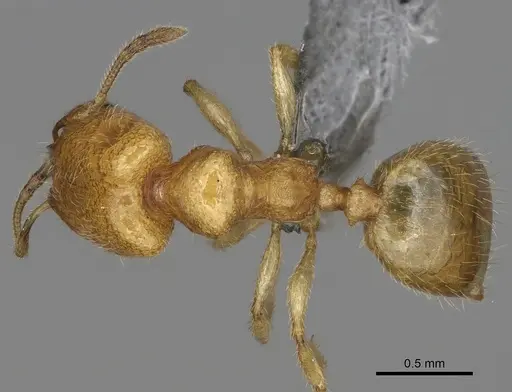
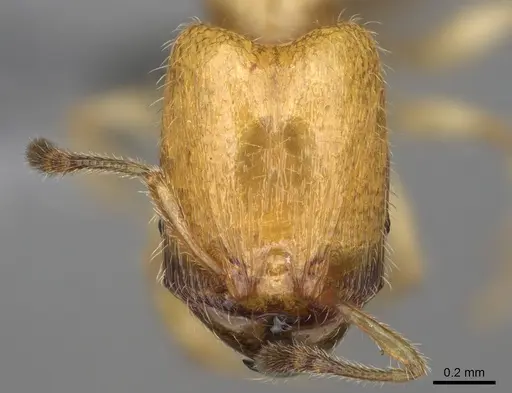
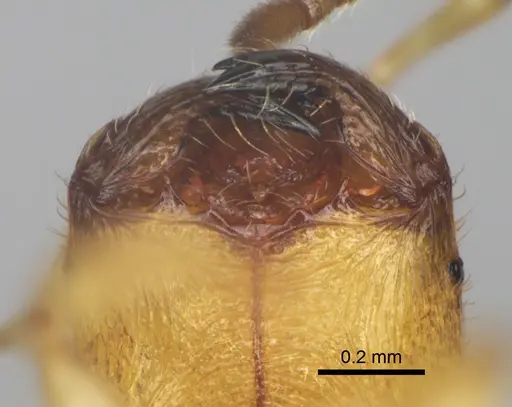
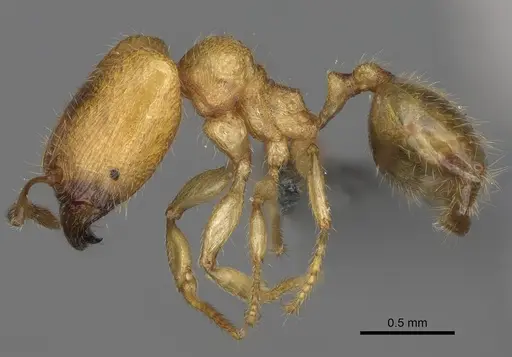
CASENT0319249
View on AntWeb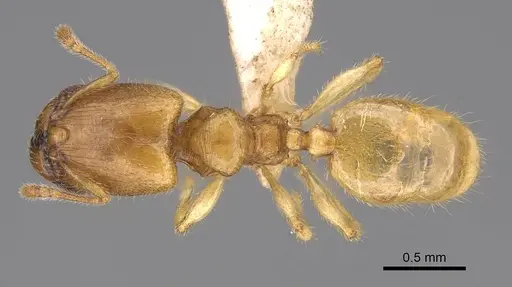
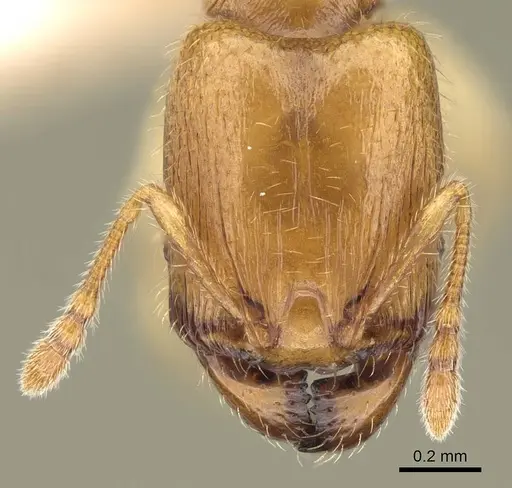
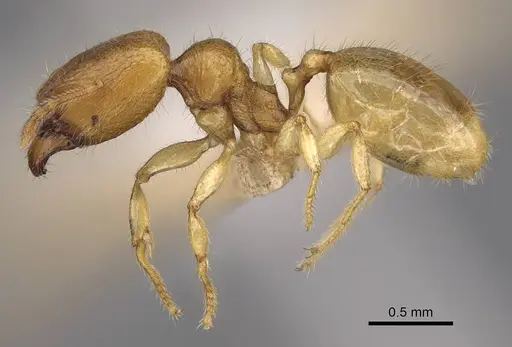
CASENT0464274
View on AntWeb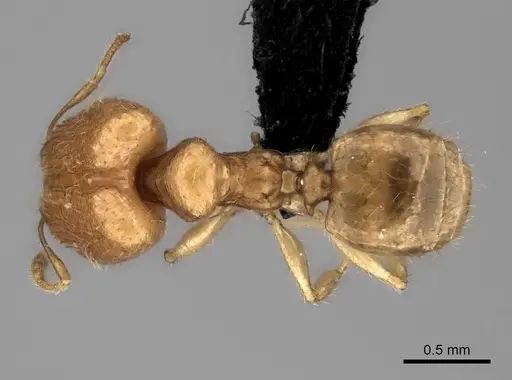
CASENT0923187
View on AntWeb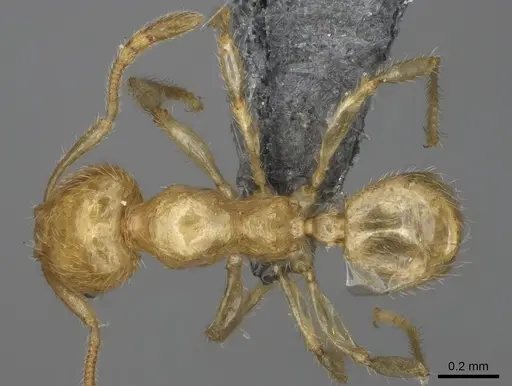
Literature
Loading distribution map...Loading products...