
Pheidole parvicorpus
- Sci. Name
- Pheidole parvicorpus
- Tribe
- Attini
- Subfamily
- Myrmicinae
- Author
- Eguchi, 2001
- Distribution
- Found in 1 countries
Introduction
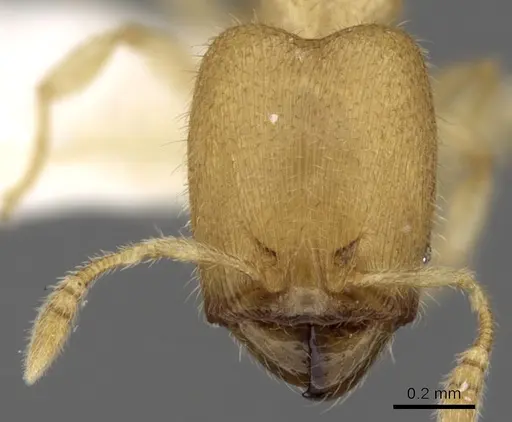
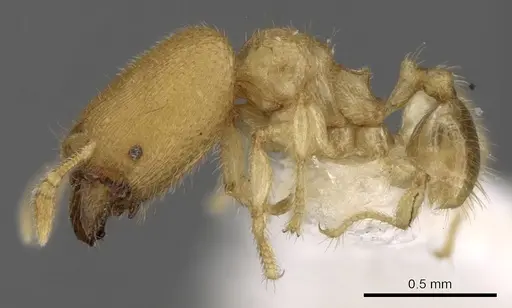
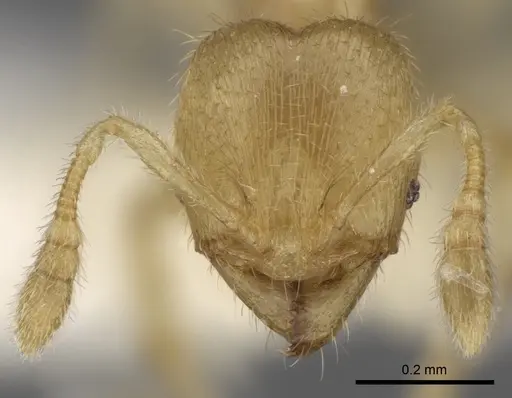
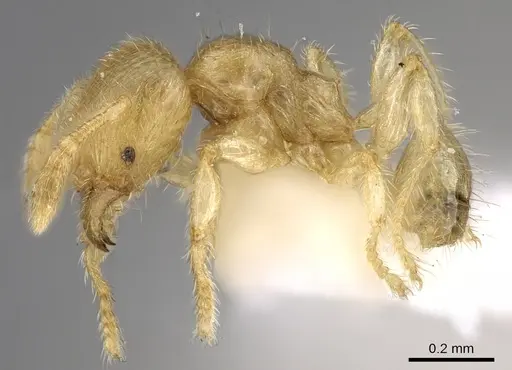
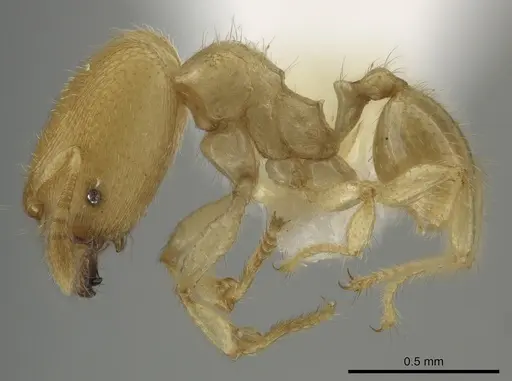
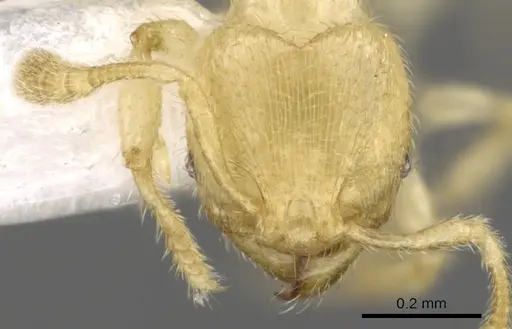
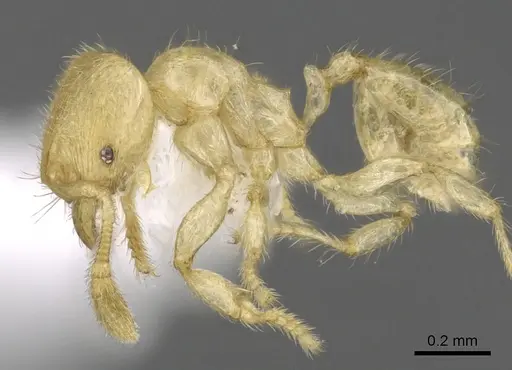
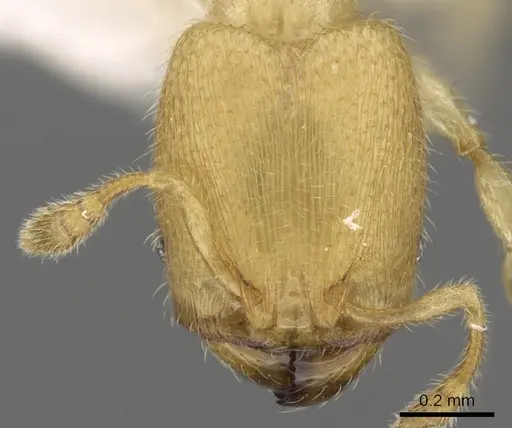
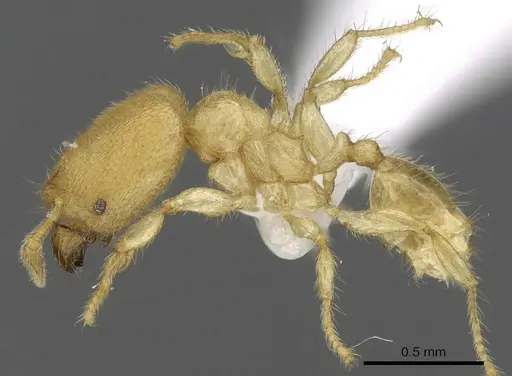
Pheidole parvicorpus is a tiny ant species native to Borneo, Indonesia, and Malaysia. Minor workers measure 1.1-1.3 mm in total length, and major workers measure 1.7-1.9 mm . They have very small eyes with 5-7 ommatidia and a pale yellow to light yellowish-brown body . This species inhabits well-developed lowland rainforests and nests in rotting wood . Their extremely reduced eyes suggest a subterranean or dim habitat preference, similar to related species like Pheidole schoedli . Stable isotope analysis shows they are predatory, with a high δ15Ncor value of 6.92 .
Quick Summary
- Difficulty: Medium
- Origin & Habitat: Borneo, Indonesia, and Malaysia, well-developed lowland rainforests, nesting in rotting wood [1][2]
- Colony Type: Likely monogyne (single queen) based on Pheidole genus patterns
- Size & Growth:
- Antkeeping:
- Behavior: Temperament: Peaceful, not aggressive. Defense: Possesses a stinger from subfamily Myrmicinae, but too small to harm humans. Escape risk: High due to tiny size, excellent prevention needed. Foraging: Predatory, hunting small invertebrates [3].
- Common Issues: escape prevention is critical due to their tiny size, use fine mesh barriers and tight-fitting lids, high humidity requirements can lead to mold if ventilation is poor, slow colony growth may frustrate beginners expecting fast development, as predatory specialists, they require live small prey, sugar sources alone are insufficient, wild-caught colonies may have parasites that can devastate captive colonies
Housing and Nest Setup
Pheidole parvicorpus is a tiny species requiring appropriately scaled housing. A small test tube setup works well for founding colonies, use a narrow tube with a water reservoir separated by a cotton plug. The tube should be kept horizontal or slightly tilted so the queen can access both the wet cotton and dry area. For established colonies, a small plaster or soil formicarium with miniature chambers and tunnels works better than standard-sized nests. The nest material should be kept consistently moist, these rainforest ants dry out quickly. Avoid tall chambers that could cause falls, keep everything close to the ground level they naturally prefer. Escape prevention is absolutely critical, these ants are tiny enough to squeeze through standard test tube stoppers, so use fine mesh barriers and check all connections regularly [1][2].
Feeding and Diet
Based on stable isotope analysis showing a high δ15Ncor value of 6.92,Pheidole parvicorpus is a predator feeding on small arthropods [3]. In captivity, offer small live prey such as fruit flies, pinhead crickets, small mealworms, and other tiny insects. They will likely accept protein gels or crushed insects if live prey isn't available, but live food should form the core of their diet. Sugar sources may be accepted but are not their primary food. Feed small amounts every 2-3 days, removing any uneaten prey after 24 hours to prevent mold. The major workers will help process larger prey items for the colony [3].
Temperature and Humidity
As a tropical lowland rainforest species from Borneo, Pheidole parvicorpus requires warm and humid conditions. Maintain temperatures between 24-28°C, this is warmer than most temperate species need. A heating cable on one side of the nest can create a gentle gradient, but ensure the entire setup doesn't dry out. Humidity should be high, with the nest substrate feeling consistently damp but never waterlogged. In dry environments, consider covering part of the setup with plastic to retain moisture, but ensure some ventilation to prevent mold. These ants come from a stable tropical environment with minimal seasonal temperature variation, so avoid cold drafts and sudden temperature changes [1].
Colony Development
Pheidole parvicorpus colonies start with a claustral queen sealing herself in a small chamber. She raises the first brood alone using stored fat reserves. The first workers (nanitics) will be smaller than normal workers but should quickly begin foraging. Development from egg to worker likely takes 6-10 weeks at optimal temperatures, typical for small tropical Pheidole species. Colonies probably remain relatively small, likely under a few hundred workers given their tiny body size. The presence of major workers (soldiers) distinguishes Pheidole from many other Myrmicinae, these larger workers defend the colony and help process food. Growth rate is moderate, don't expect explosive growth [2].
Behavior and Temperament
This is a peaceful species that typically won't attack unless the nest is directly threatened. They are not aggressive toward keepers and rarely bite. Major workers serve as soldiers and will emerge to defend against threats, but their small size means even a bite would be barely noticeable. Foraging occurs primarily at night or in dim light, reflecting their preference for shaded forest floor microhabitats. They are not known for escaping aggressively, but their tiny size means they will explore any gap or crack, excellent barrier maintenance is essential. The extremely reduced eyes suggest they may rely more on chemical and tactile cues than visual navigation [2][4].
Frequently Asked Questions
How long does it take for Pheidole parvicorpus to produce first workers?
Expect first workers (nanitics) in about 6-10 weeks at optimal temperatures of 24-28°C. This is estimated based on related tropical Pheidole species, as specific development timing for this species hasn't been documented.
Can I keep Pheidole parvicorpus in a test tube?
Yes, test tubes work well for founding colonies. Use a small-diameter tube and ensure excellent escape prevention, these tiny ants can squeeze through standard cotton plugs. Consider using fine mesh over any openings [1].
What do Pheidole parvicorpus eat?
They are predatory ants requiring live small prey. Offer fruit flies, tiny crickets, small mealworms, or other small insects. Sugar water may be accepted occasionally but is not their primary food source [3].
Are Pheidole parvicorpus good for beginners?
They are intermediate in difficulty. Their small size and high humidity needs require more attention than hardy species, but they are not as challenging as some specialized predators. Expect moderate colony growth and be prepared for escape prevention challenges.
How big do Pheidole parvicorpus colonies get?
Colony size is unknown, as no specific data is available in the literature.
Do Pheidole parvicorpus need hibernation?
No, they are a tropical species from Borneo and do not require hibernation or winter cooling. Keep them warm year-round at 24-28°C [1].
Why are my Pheidole parvicorpus dying?
Common causes include: drying out (they need high humidity), escape through tiny gaps, insufficient protein in their diet, or parasites from wild-caught colonies. Check that the nest is consistently moist and that you are providing appropriate live prey.
When should I move Pheidole parvicorpus to a formicarium?
Move them when the test tube becomes crowded or the water reservoir runs dry, typically when the colony reaches a size where space is limited. Use a small-scale formicarium with appropriately sized chambers.
Can I keep multiple Pheidole parvicorpus queens together?
This species is likely monogyne (single queen) based on genus patterns. Combining unrelated queens is not recommended as they will likely fight, and multi-queen colonies are not the natural colony structure for this species.
Report an Issue
The current care sheet is based fully on literature. See inconsistencies, or something that's incorrect? Please , it will be resolved after review from an admin. Contributing to the blogs tab also helps providing information, to make us be able to further improve the caresheets. Thank you for your support!
References

This caresheet is licensed under CC BY-SA 4.0 .
Community Blogs
CASENT0281687
View on AntWeb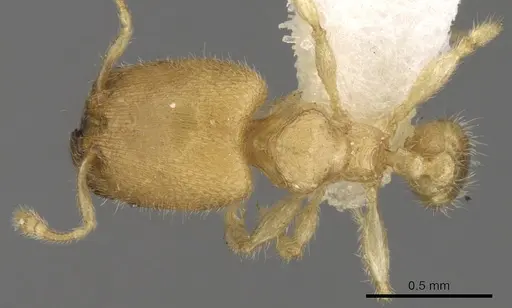
CASENT0281688
View on AntWeb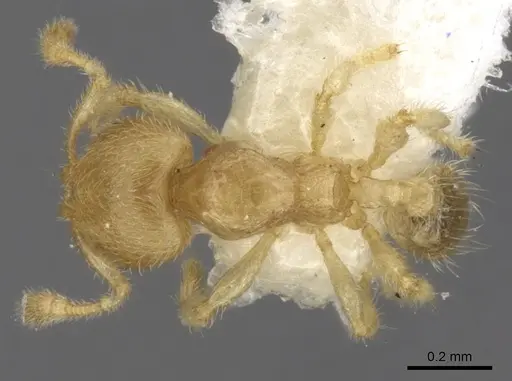
CASENT0634724
View on AntWeb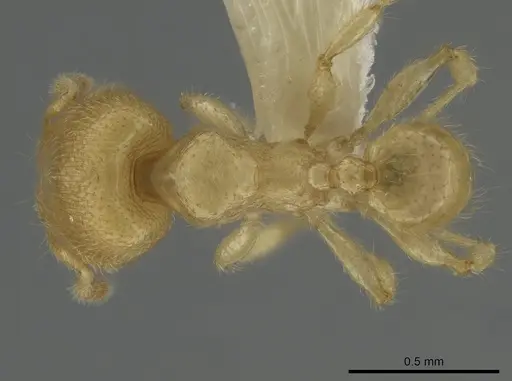
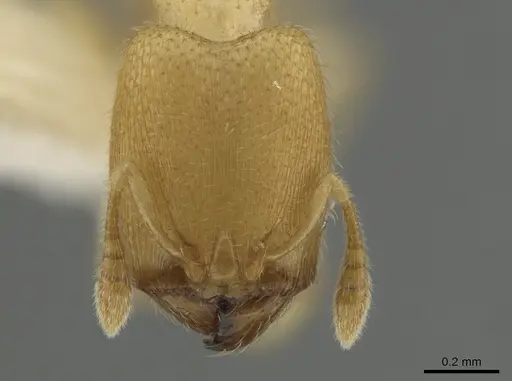
CASENT0901646
View on AntWeb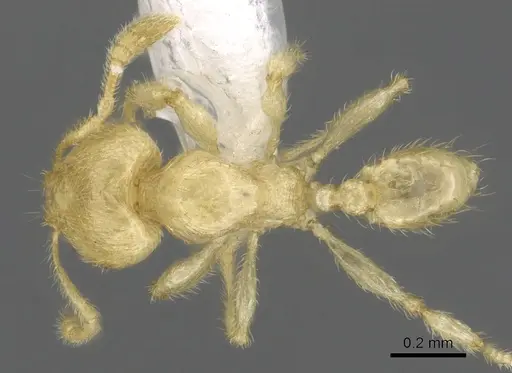
CASENT0901647
View on AntWeb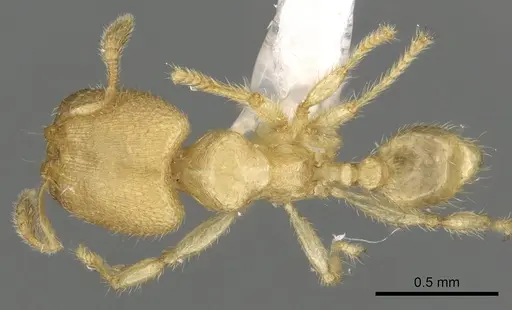
Literature
Loading distribution map...Loading products...