
Pheidole oswaldi
- Sci. Name
- Pheidole oswaldi
- Tribe
- Attini
- Subfamily
- Myrmicinae
- Author
- Forel, 1891
- Distribution
- Found in 1 countries
Introduction
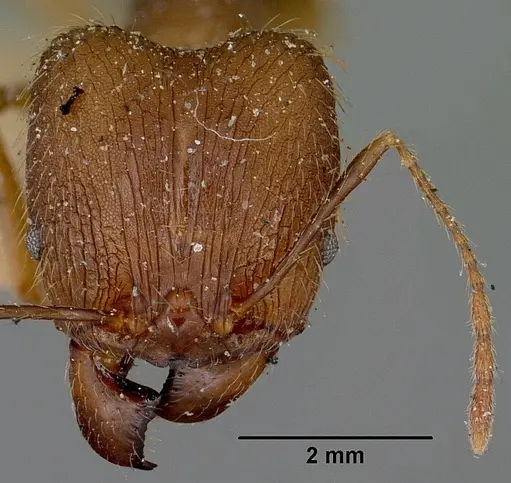
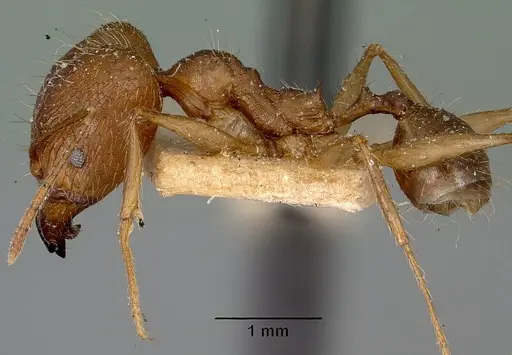
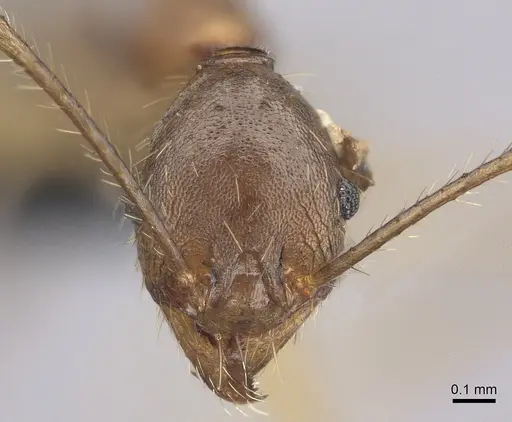
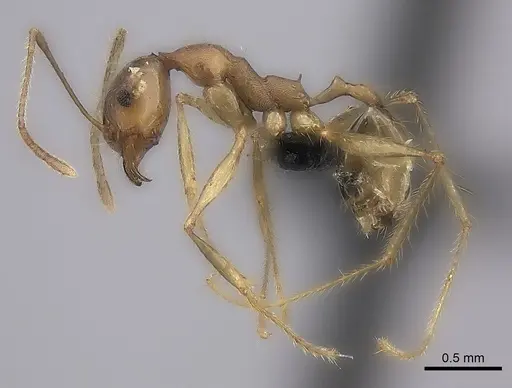
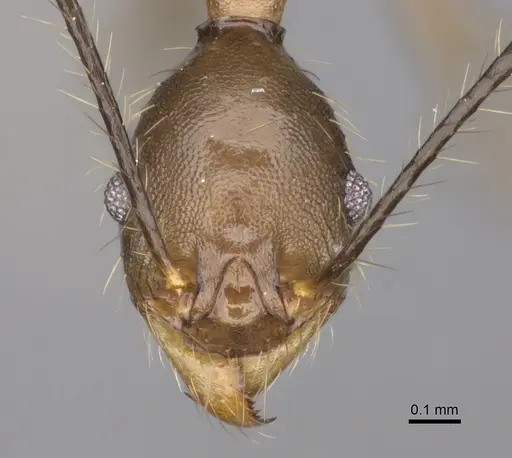
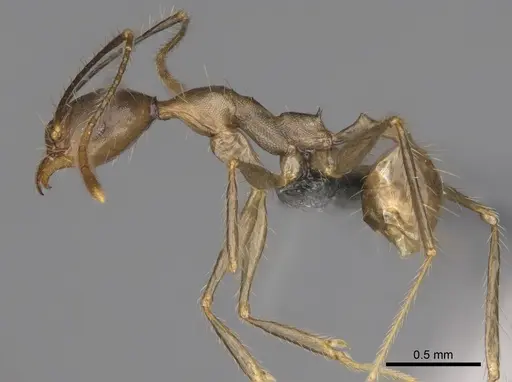
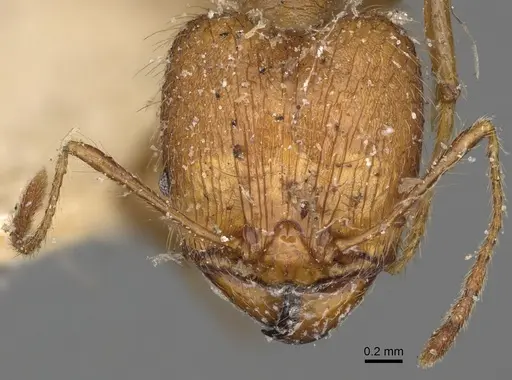
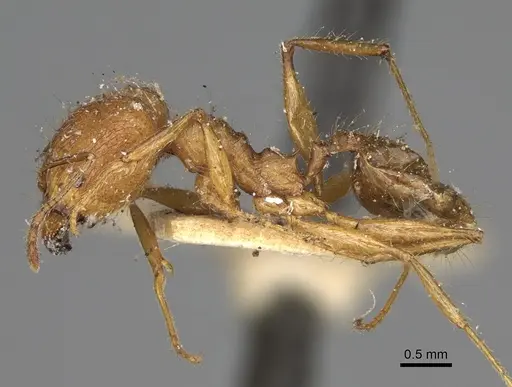
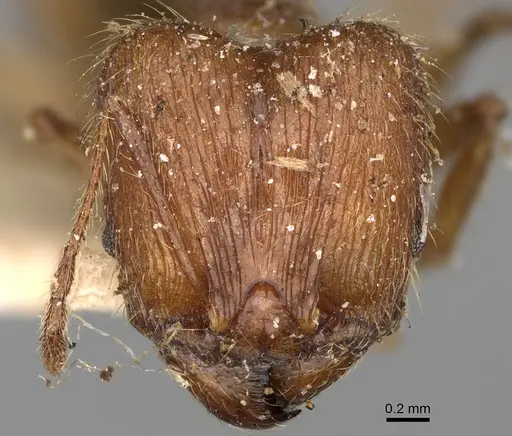
Pheidole oswaldi is a species native to Madagascar, found in rainforest, montane forest, littoral rainforest, and montane shrubland at elevations from 3 to 1490 meters . Workers nest in rotten logs, rotting tree stumps, and sticks on the ground, and are collected from sifted litter, low vegetation, and tree trunks . Size data is unavailable from the research context. The species is notable for its occurrence across a wide elevation range in Madagascar's diverse forests.
Quick Summary
- Difficulty: Medium
- Origin & Habitat: Madagascar, in rainforest, montane forest, littoral rainforest, and montane shrubland at elevations 3-1490 m [1]. More frequently collected at higher elevations on the Masoala Peninsula, with frequency increasing from 0.20 at 25 m to 0.42 at 425 m [2].
- Colony Type: Likely monogyne (single-queen colonies) based on Pheidole genus patterns, but unconfirmed from research data.
- Size & Growth:
- Queen: Size data unavailable
- Worker: Size data unavailable
- Colony: Unknown, no data on colony size in research context.
- Growth: Moderate, inferred from tropical species.
- Development: Unknown, no data on development time in research context. (Development likely faster in warm, humid conditions typical of tropical species.)
- Antkeeping:
- Temperature: Keep warm, roughly 24-28°C, based on typical tropical ant care [1].
- Humidity: Keep nest substrate consistently moist but not waterlogged, based on habitat in humid forests [1].
- Diapause: No, tropical species do not require hibernation.
- Nesting: Use Y-tong, plaster, or naturalistic setups with moist substrate, as they nest in rotten wood [1].
- Behavior: Pheidole oswaldi is generally calm with typical foraging behavior. Workers are active foragers and will defend the colony if threatened. Escape risk is moderate due to small size, ensure enclosures have tight lids.
- Common Issues: high humidity maintenance is critical, colonies can fail if kept too dry, tropical species are sensitive to cold, never expose to temperatures below 18°C, escape prevention is important, small workers can slip through loose lids
Nest Preferences and Setup
In the wild, Pheidole oswaldi nests in decaying organic material on the forest floor, particularly in rotten logs, rotting tree stumps, and fallen branches [1]. For captivity, use Y-tong, plaster, or naturalistic setups with moist substrate to replicate their natural environment. Ensure the nest substrate stays damp but not waterlogged, with adequate ventilation to prevent mold [1].
Feeding and Diet
Based on typical Pheidole behavior, this species is omnivorous and will accept both protein and carbohydrate sources. Feed a varied diet including small live insects as protein and sugar water or honey as carbohydrates. Remove uneaten prey after 24-48 hours to prevent mold [1].
Temperature and Seasonal Care
As a tropical species from Madagascar, Pheidole oswaldi requires warm temperatures year-round. Keep the nest area between 24-28°C for optimal care. They do not require hibernation and should not be exposed to temperatures below 18°C for extended periods [1].
Colony Development and Growth
Colony development data is unavailable from research. Based on tropical ant patterns, growth is likely moderate with year-round activity. Initial colony growth may be slow, accelerating as workers begin foraging [1].
Behavior and Temperament
Pheidole oswaldi displays typical Pheidole behavior, workers are active foragers that collect food and defend the colony if threatened. They are not particularly aggressive toward keepers. Escape risk is moderate due to small worker size [1].
Frequently Asked Questions
How long does it take for Pheidole oswaldi queen to lay her first eggs?
Unknown, no data on founding behavior or egg-laying timelines in the research context. Based on tropical species patterns, queens may lay eggs within days under warm conditions.
What do Pheidole oswaldi ants eat?
They are omnivorous. Feed small live insects as protein and sugar sources like honey or sugar water. Remove uneaten food to prevent mold [1].
Do Pheidole oswaldi ants need hibernation?
No. This is a tropical species from Madagascar and does not require hibernation. Keep them warm year-round.
How big do Pheidole oswaldi colonies get?
Unknown, no data on colony size in the research context. Colony size cannot be estimated from available information.
What is the best nest type for Pheidole oswaldi?
Y-tong, plaster, or naturalistic setups work well. Provide a moist environment that can hold humidity, as they naturally nest in rotting wood [1].
When should I move my Pheidole oswaldi colony to a formicarium?
Unknown, no data on colony growth or timing. Move them when the test tube setup becomes crowded, ensuring the formicarium provides appropriate humidity and darkness.
Why is my Pheidole oswaldi colony not growing?
Common causes include temperatures too low (keep above 24°C), humidity too low (keep substrate moist), or stress from disturbance. Check these parameters and ensure the queen is still laying eggs.
Are Pheidole oswaldi good for beginners?
They are moderately difficult, more challenging than common temperate species due to need for warm, humid conditions year-round. If you can maintain consistent tropical conditions, they are a rewarding species to keep.
Can I keep multiple Pheidole oswaldi queens together?
Unknown, no data on queen number in research. Based on genus patterns, multiple queens may fight, so it is safer to keep one queen per colony setup.
Report an Issue
The current care sheet is based fully on literature. See inconsistencies, or something that's incorrect? Please , it will be resolved after review from an admin. Contributing to the blogs tab also helps providing information, to make us be able to further improve the caresheets. Thank you for your support!
References

This caresheet is licensed under CC BY-SA 4.0 .
Community Blogs
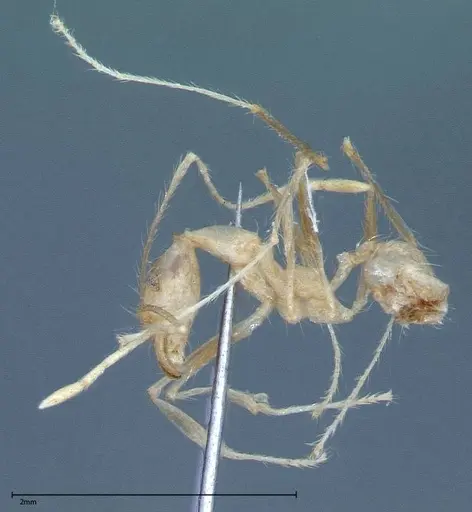
CASENT0101640
View on AntWeb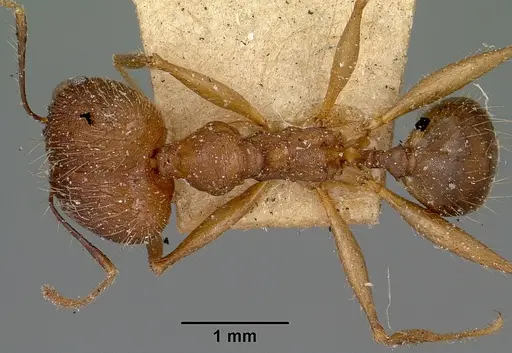
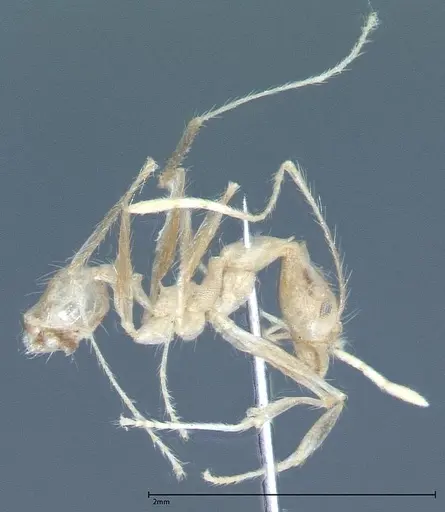
CASENT0101706
View on AntWeb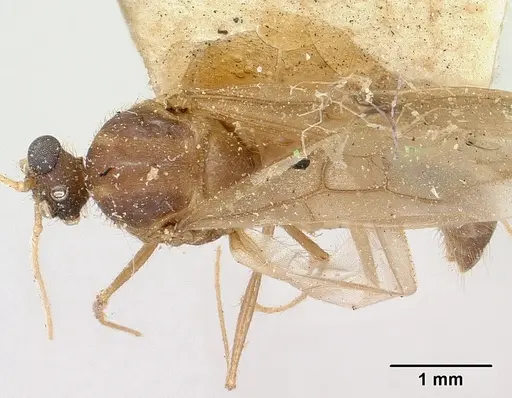
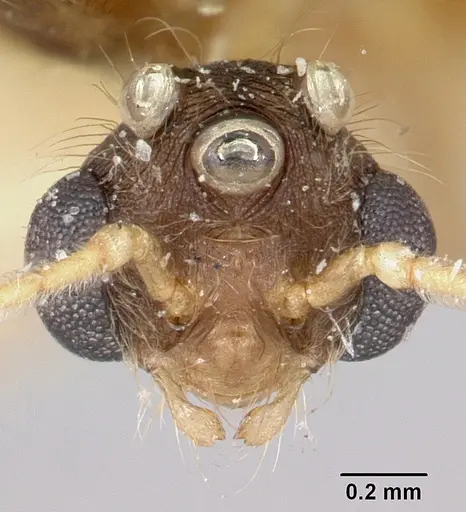
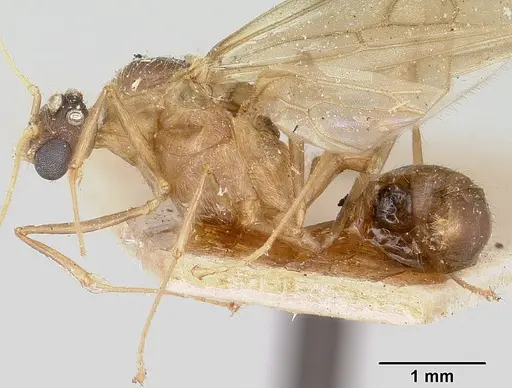
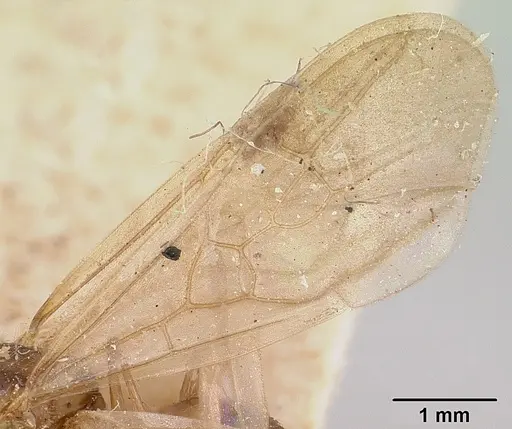
CASENT0101724
View on AntWeb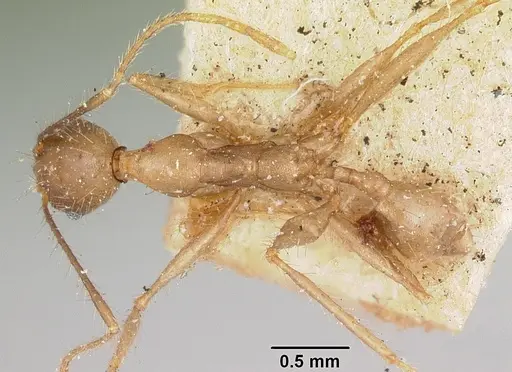
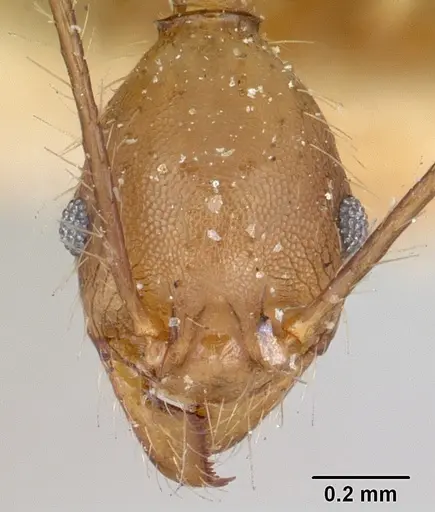
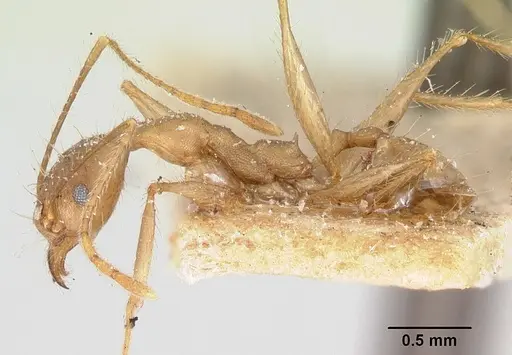
CASENT0101808
View on AntWeb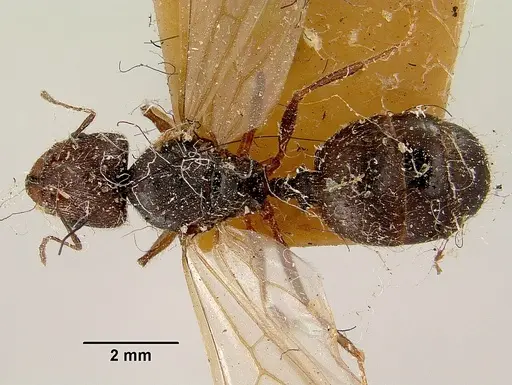
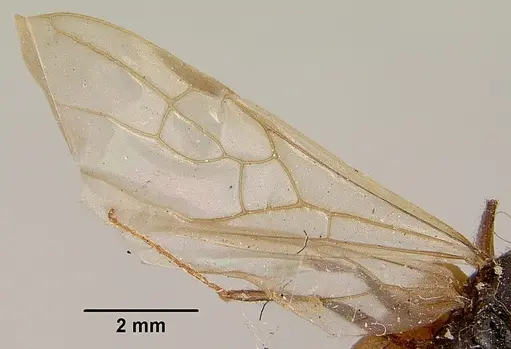
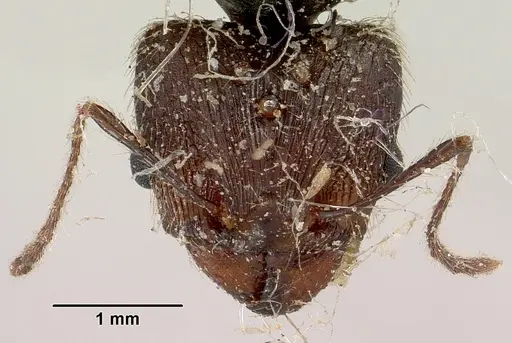
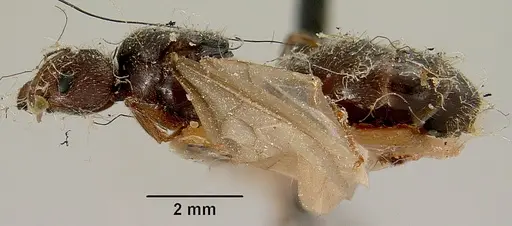
CASENT0235136
View on AntWeb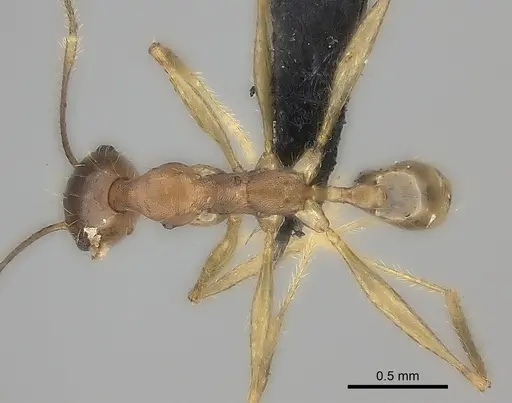
CASENT0275335
View on AntWeb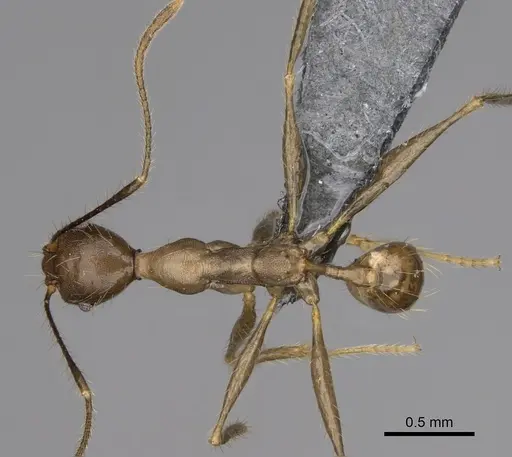
CASENT0923192
View on AntWeb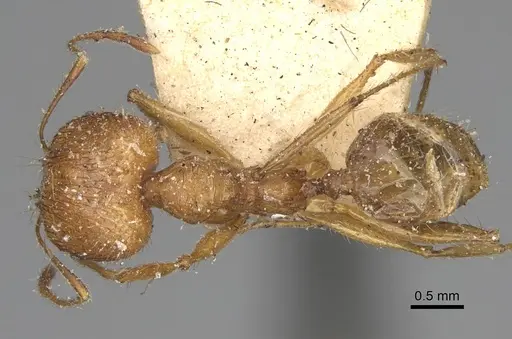
CASENT0923193
View on AntWeb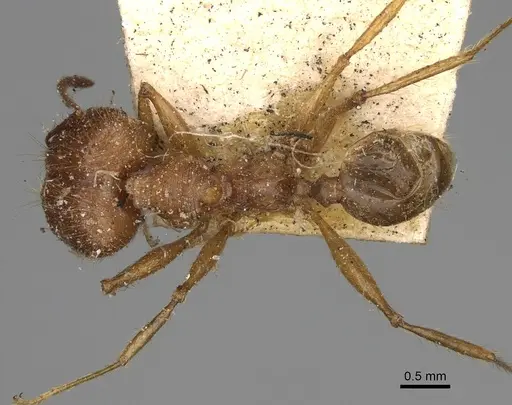
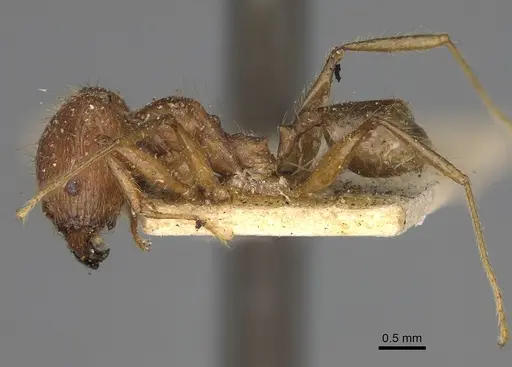
CASENT0923266
View on AntWeb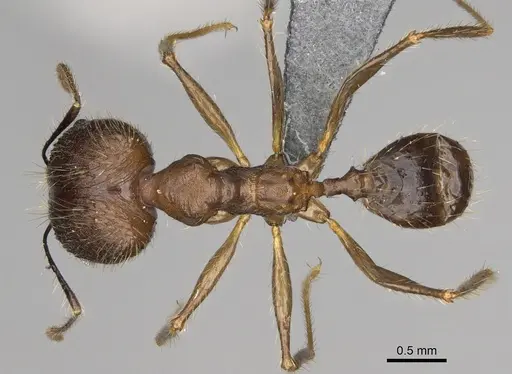
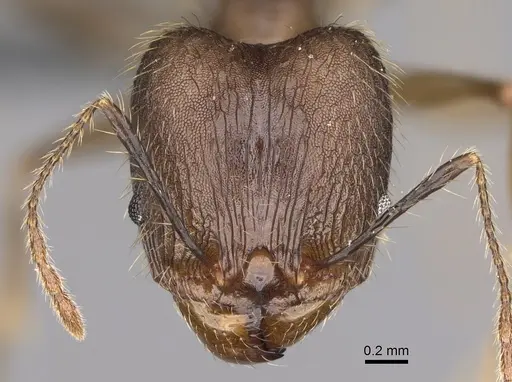
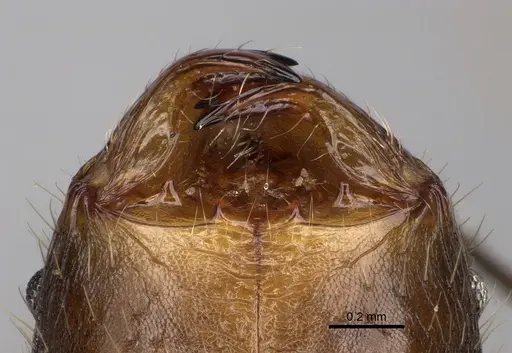
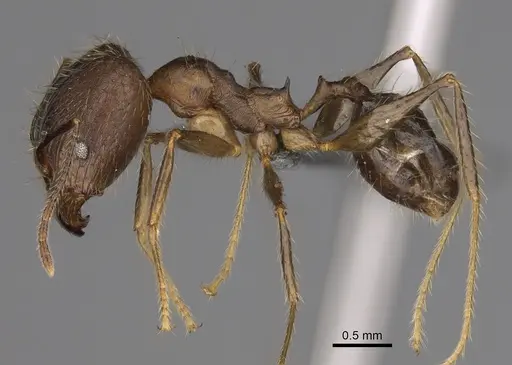
FOCOL0028
View on AntWeb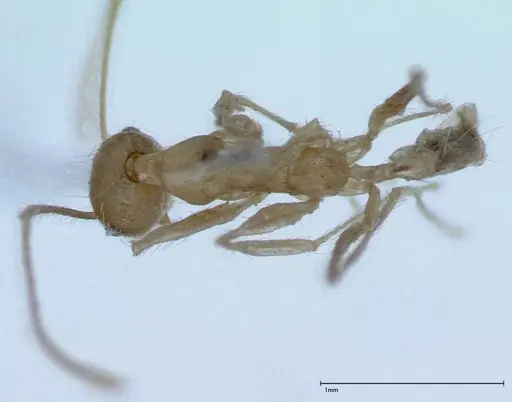
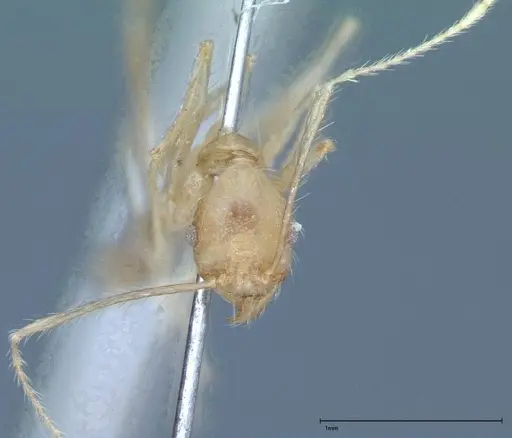
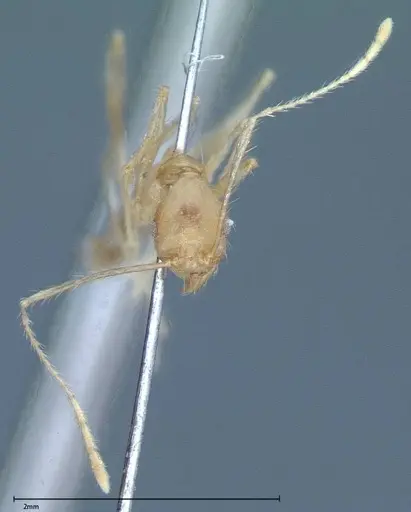
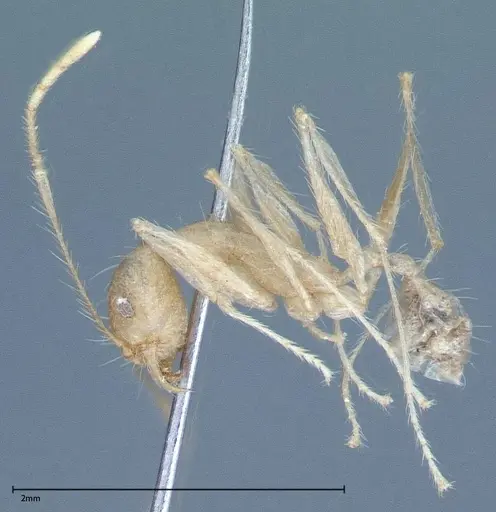
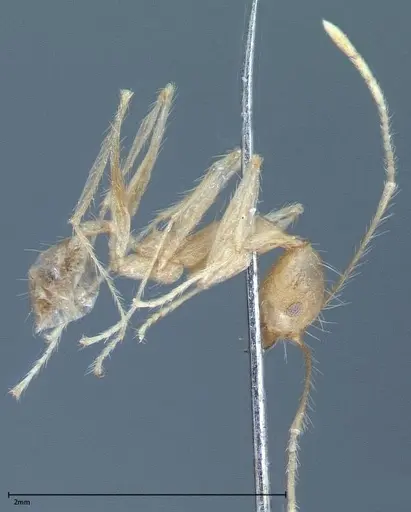
FOCOL0029
View on AntWeb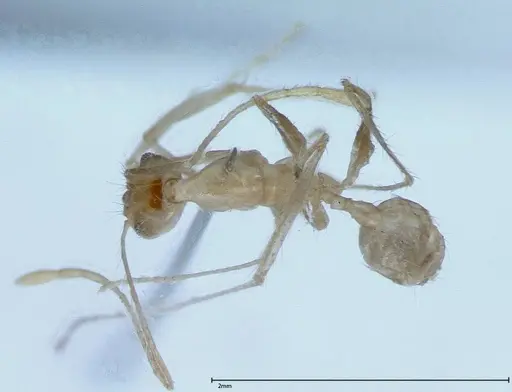
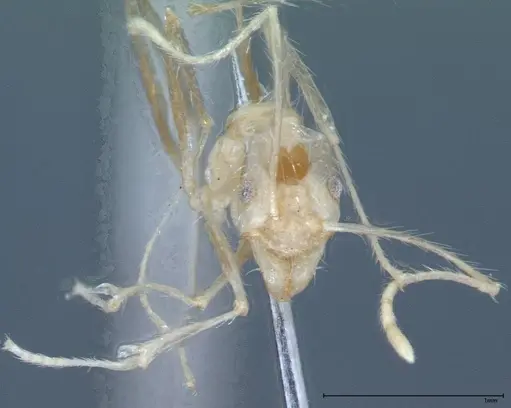
Literature
Loading distribution map...Loading products...