
Pheidole optiva
- Sci. Name
- Pheidole optiva
- Tribe
- Attini
- Subfamily
- Myrmicinae
- Author
- Forel, 1901
- Distribution
- Found in 1 countries
Introduction
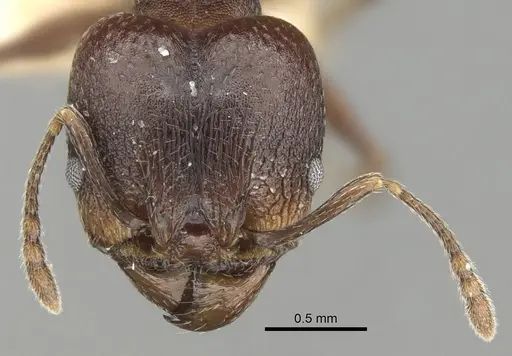
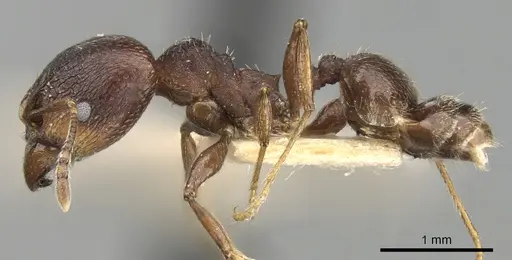
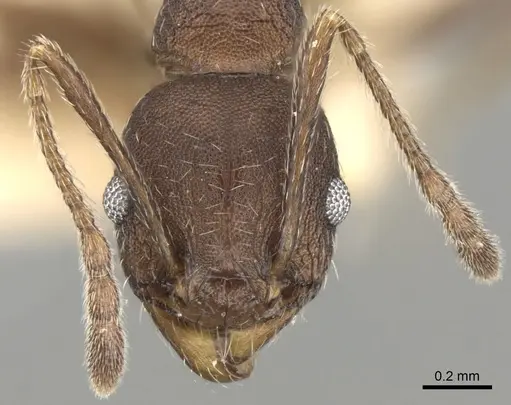
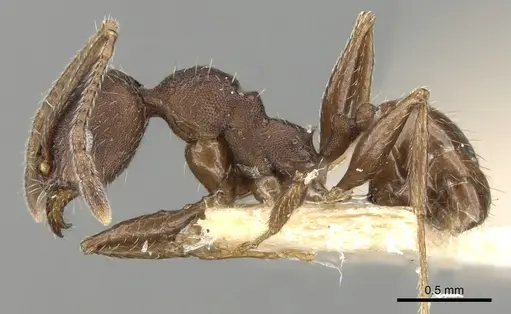
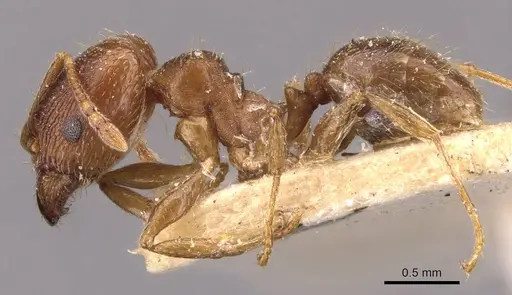
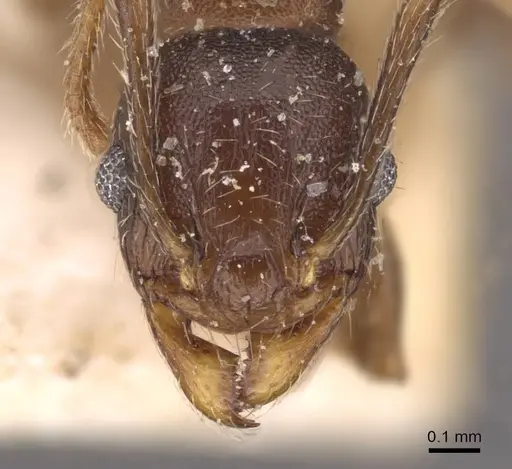
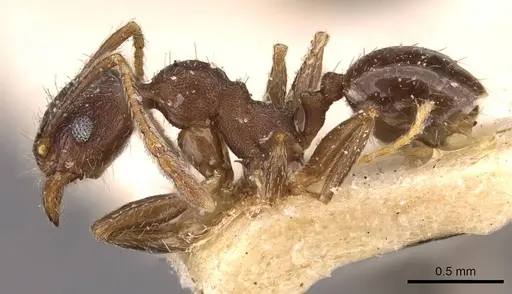
Pheidole optiva is a small ant species native to central Mexico, specifically known only from the Cuernavaca area in Morelos . It belongs to the fallax group and has the typical Pheidole caste system with major and minor workers. Majors are light reddish brown with a darker gaster, while minors are medium reddish yellow with a dark reddish yellow gaster . Colonies nest under tree-shaded stones in ravines . A distinctive trait is their slow movement speed, which is unusual for Pheidole species .
Quick Summary
- Difficulty: Medium
- Origin & Habitat: Central Mexico (Cuernavaca, Morelos), nesting under stones in shaded ravines [1].
- Colony Type: Unconfirmed, but likely monogyne based on typical Pheidole patterns [1].
- Size & Growth:
- Queen: Size data unavailable, inferred from Pheidole genus (~6-10mm)
- Worker: Size data unavailable, inferred from Pheidole genus (~1-3mm)
- Colony: Up to several hundred workers [1]
- Growth: Unknown, but likely moderate based on genus patterns
- Development: Estimated 6-8 weeks based on typical Pheidole development [1] (Development speed depends on temperature.)
- Antkeeping:
- Temperature: Keep at warm temperatures, roughly 22-26°C, based on their natural habitat [1].
- Humidity: Keep nest substrate consistently moist but not waterlogged, as they nest under stones in ravines [1].
- Diapause: Unknown
- Nesting: Prefer test tubes for founding and plaster nests for established colonies. Avoid acrylic nests. Based on natural nesting under stones [1].
- Behavior: Both majors and minors are slow-moving [1]. Escape risk is moderate due to small size of minors, ensure escape prevention.
- Common Issues: limited availability, species is only known from one location., slow movement may make them vulnerable in outdoor setups., no specific development data means growth expectations are uncertain., colony structure unconfirmed, may be difficult to establish foundresses., slow-moving nature could lead to food competition with faster ants.
Housing and Nest Setup
You can house Pheidole optiva in test tubes for founding colonies and plaster nests for established colonies. Given their natural nesting under stones in shaded ravines, they prefer darker, more enclosed spaces. A test tube setup works well for founding, fill a test tube one-third with water, plug with cotton, and place the queen inside. For larger colonies, use plaster formicaria with multiple chambers. Keep the nest area relatively dark and avoid excessive vibration. A small outworld for foraging allows them to collect food without stress [1].
Feeding and Diet
You should offer small seeds like grass seeds or millet as a staple, since they are granivorous. Supplement with protein sources such as fruit flies or pinhead crickets 2-3 times per week. Sugar water or honey can be offered occasionally. Remove uneaten food to prevent mold [1].
Temperature and Seasonal Care
Keep temperatures between 22-26°C during active seasons. Provide a gentle gradient using a low-setting heating cable if room temperature falls below 22°C. During winter, consider a cooler period at 15-18°C for 2-3 months, though true hibernation may not be required [1].
Colony Establishment and Growth
If you obtain a queen, place her in a claustral test tube setup where she seals herself in to raise the first brood. After workers emerge, move the colony to a plaster nest. Growth rate is unknown but likely moderate, major workers appear once the colony reaches several dozen workers [1].
Behavior Observations
Both majors and minors move slowly, making them easy to observe but potentially vulnerable to faster ants. They are generally docile and do not pose a sting risk to humans [1].
Frequently Asked Questions
How long does it take for Pheidole optiva to produce first workers?
Based on typical Pheidole patterns, expect first workers approximately 6-8 weeks after queen lays eggs, assuming temperatures around 24-26°C [1].
What do Pheidole optiva ants eat?
They are granivorous, so offer small seeds as a staple. Supplement with small insects for protein [1].
Are Pheidole optiva good for beginners?
This species is rated Medium difficulty due to limited availability and care information. Their slow movement makes them easier to manage [1].
What temperature should I keep Pheidole optiva at?
Maintain temperatures between 22-26°C during active seasons, with a gradient for self-regulation [1].
How big do Pheidole optiva colonies get?
Large colonies are documented in the wild, likely reaching up to several hundred workers [1].
Do Pheidole optiva need hibernation?
True hibernation is not required, but a cooler period may benefit colony health [1].
Can I keep multiple queens together?
Colony structure is unconfirmed. Most Pheidole are single-queen, so combining unrelated queens is not recommended [1].
What makes Pheidole optiva different from other Pheidole?
Their slow movement speed is a key distinguishing trait [1].
When will major workers appear?
Major workers typically appear once the colony reaches several dozen workers, as part of natural maturation [1].
Report an Issue
The current care sheet is based fully on literature. See inconsistencies, or something that's incorrect? Please , it will be resolved after review from an admin. Contributing to the blogs tab also helps providing information, to make us be able to further improve the caresheets. Thank you for your support!
References

This caresheet is licensed under CC BY-SA 4.0 .
Community Blogs
CASENT0281745
View on AntWeb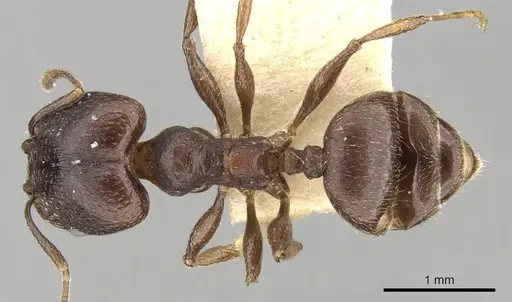
CASENT0281746
View on AntWeb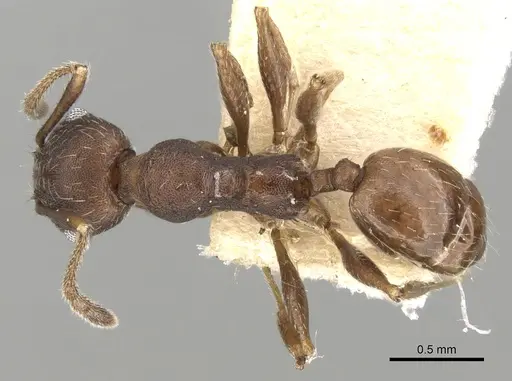
CASENT0908146
View on AntWeb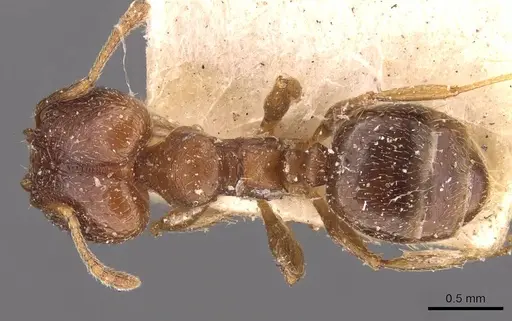
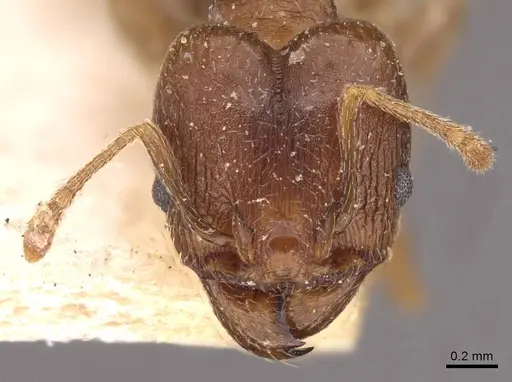
CASENT0908147
View on AntWeb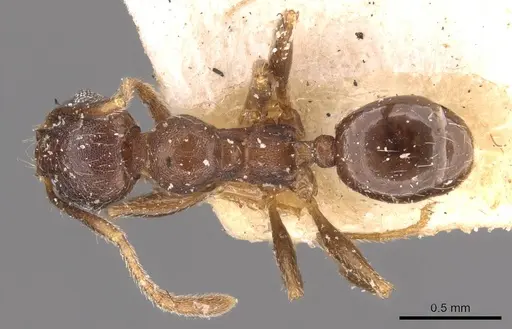
Literature
Loading distribution map...Loading products...