
Pheidole oceanica
- Sci. Name
- Pheidole oceanica
- Tribe
- Attini
- Subfamily
- Myrmicinae
- Author
- Mayr, 1866
- Distribution
- Found in 12 countries
Introduction
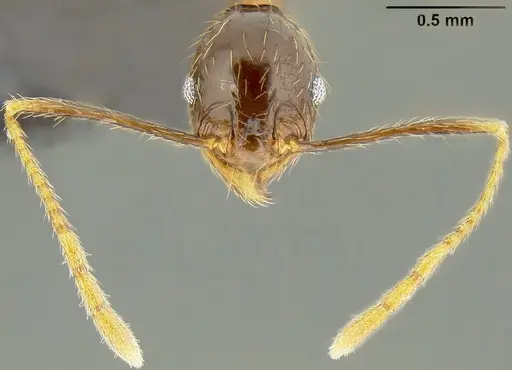
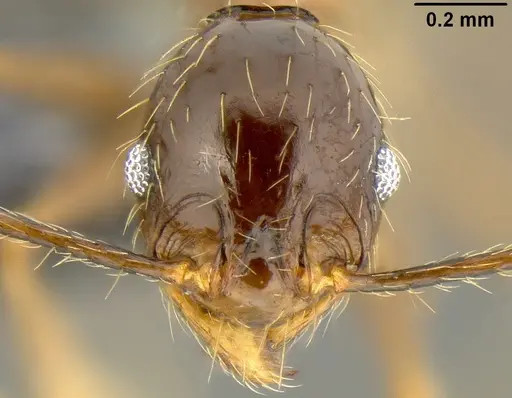
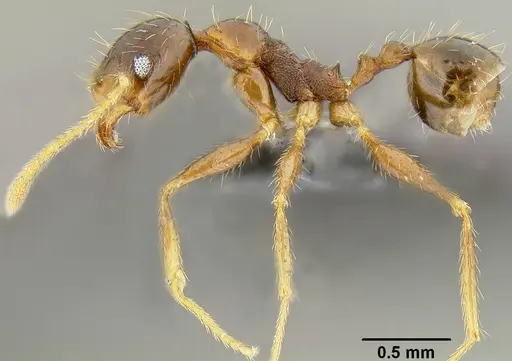
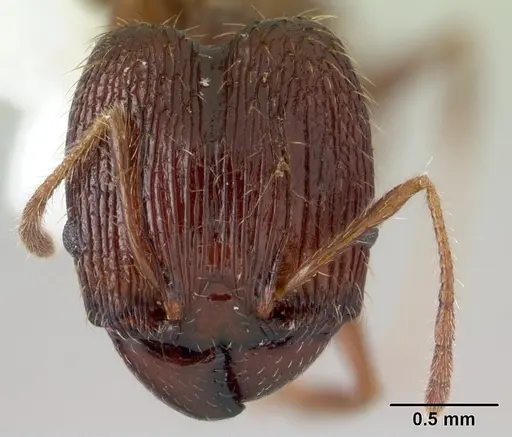
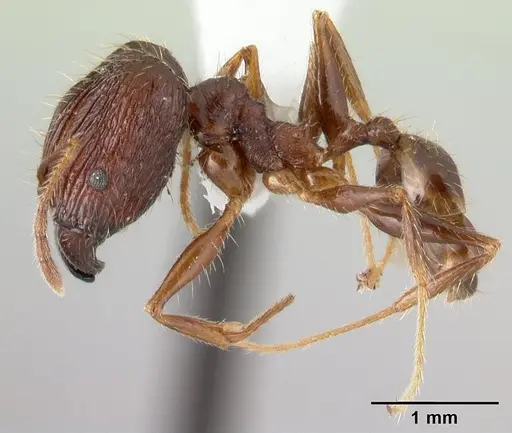
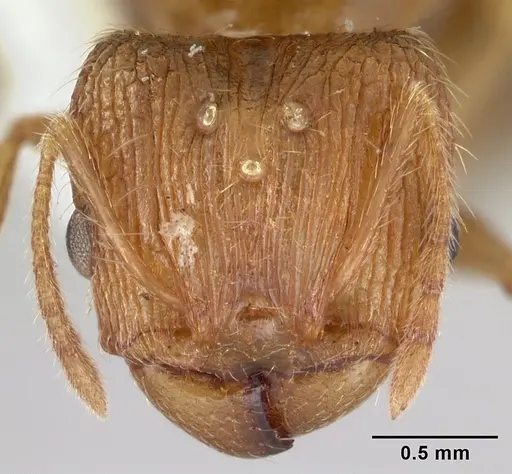
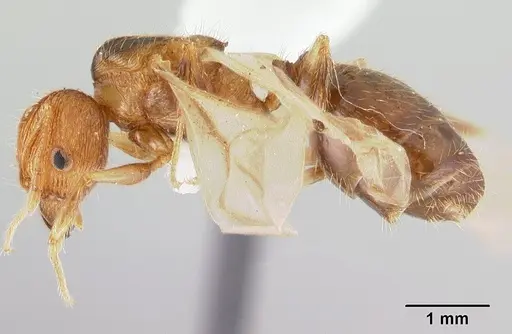
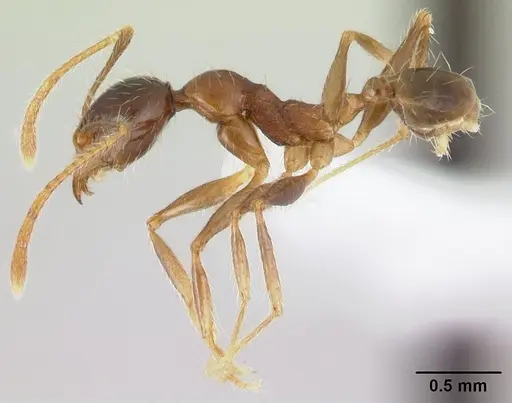
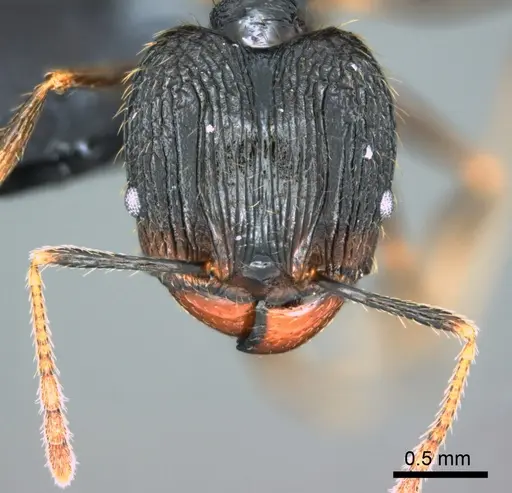
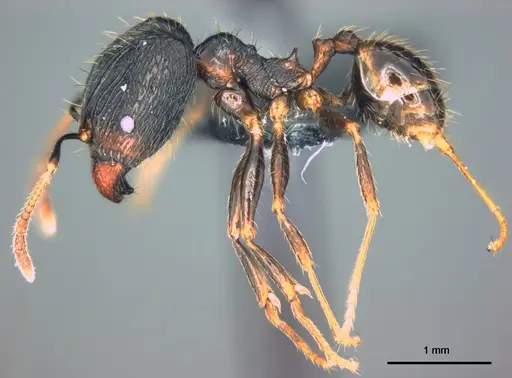
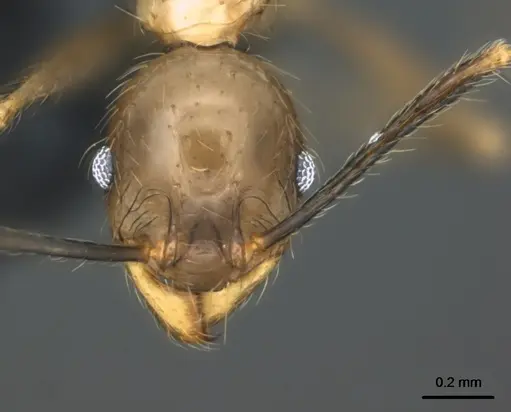
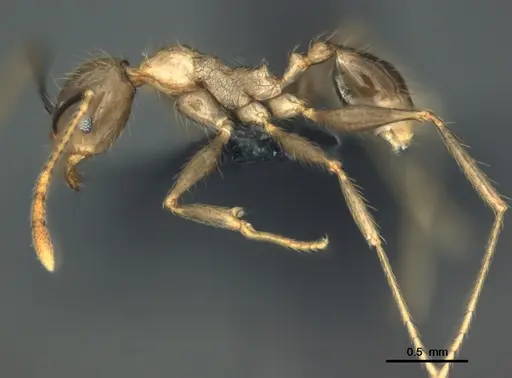
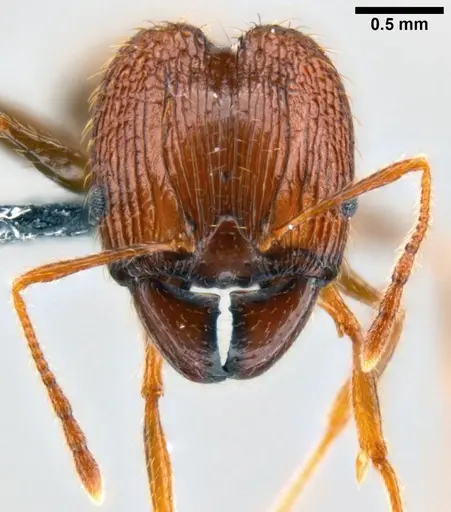
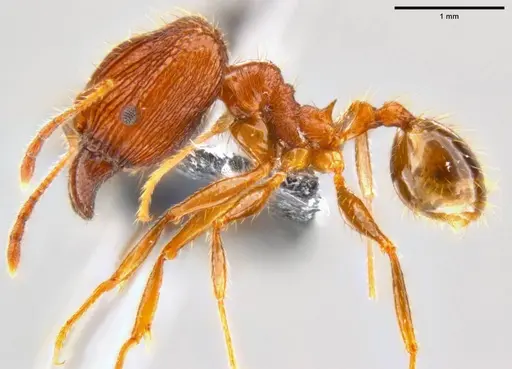
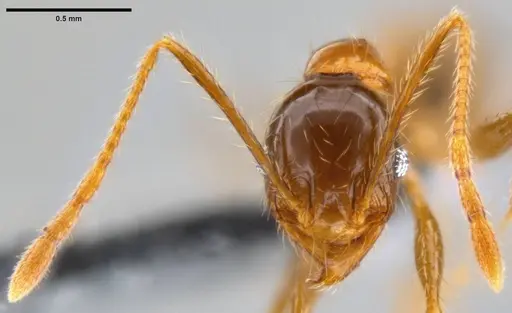
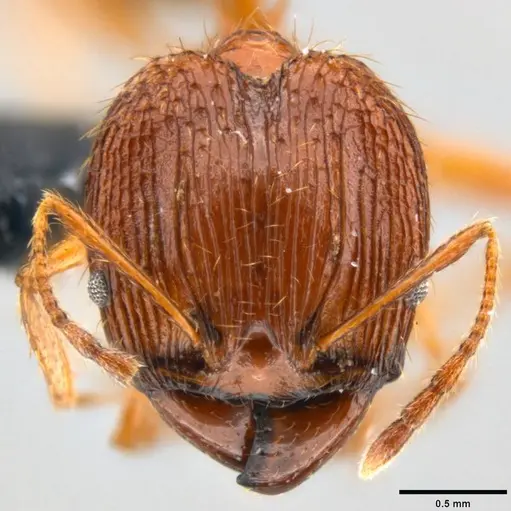
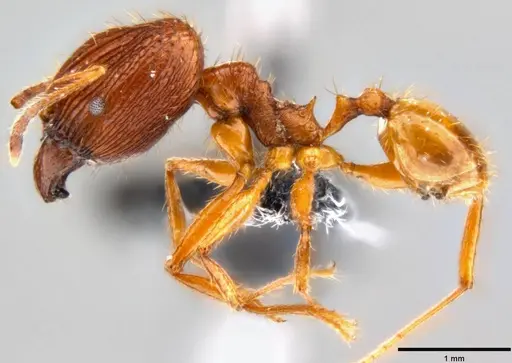
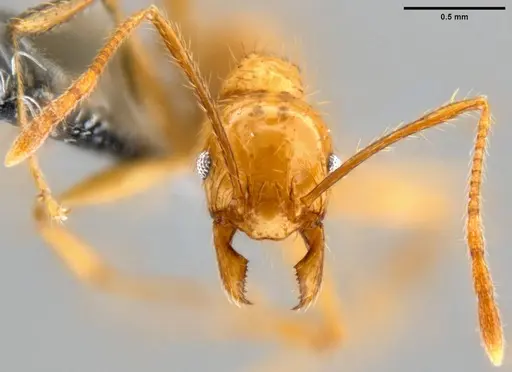
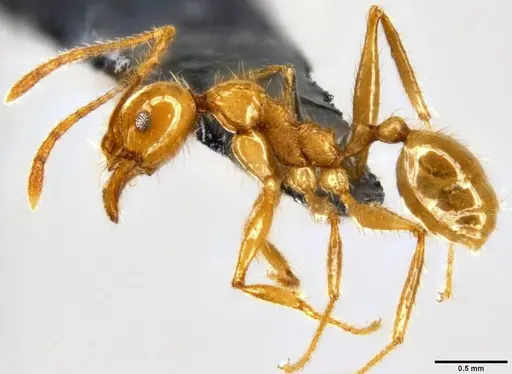
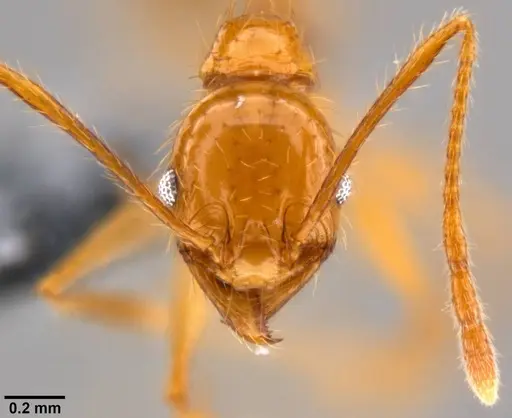
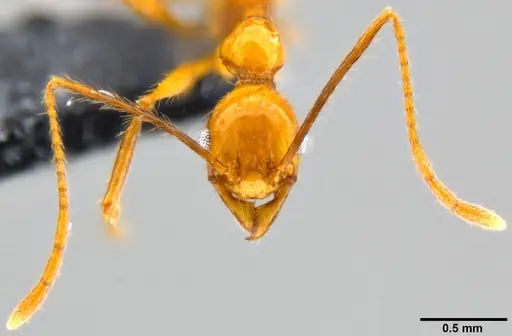
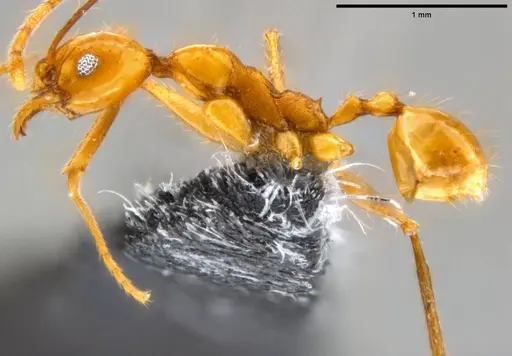
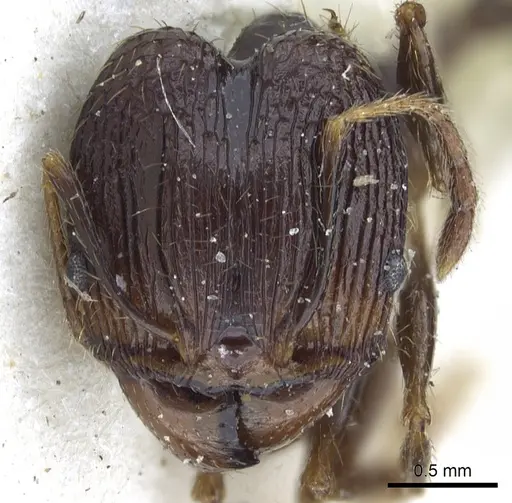
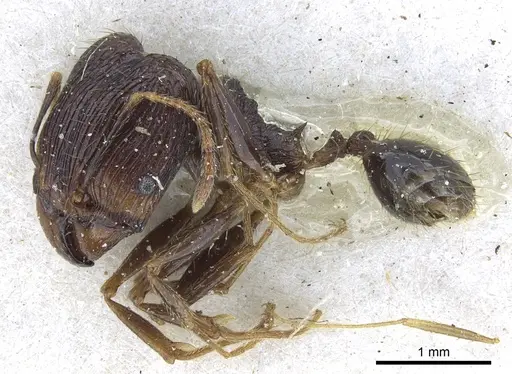
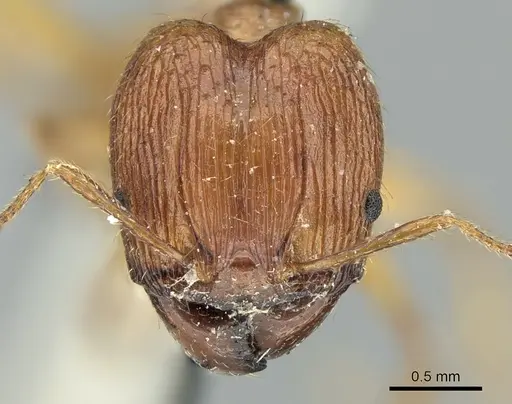
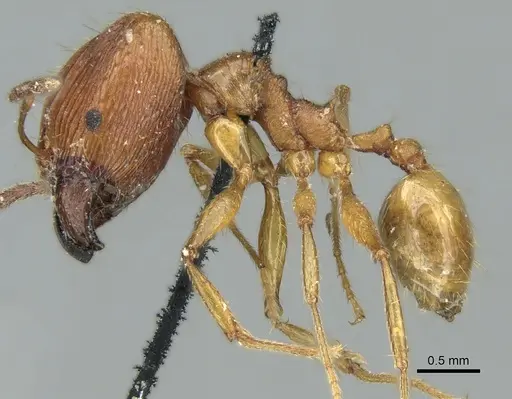
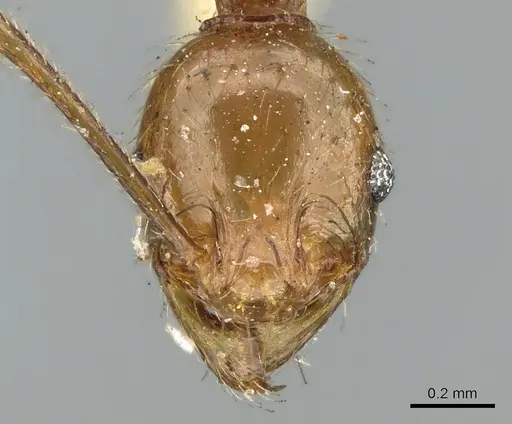
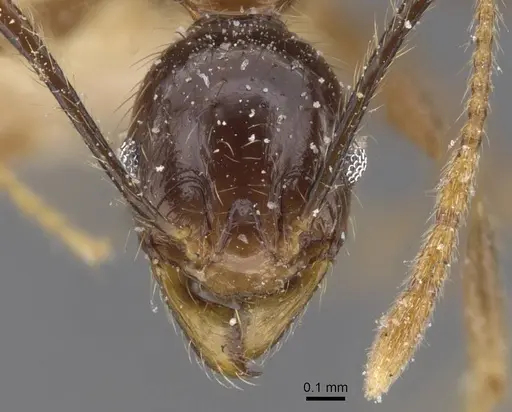
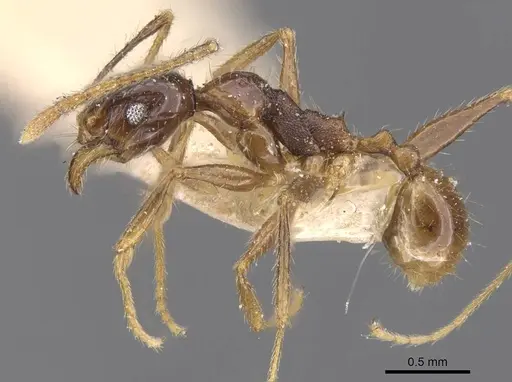
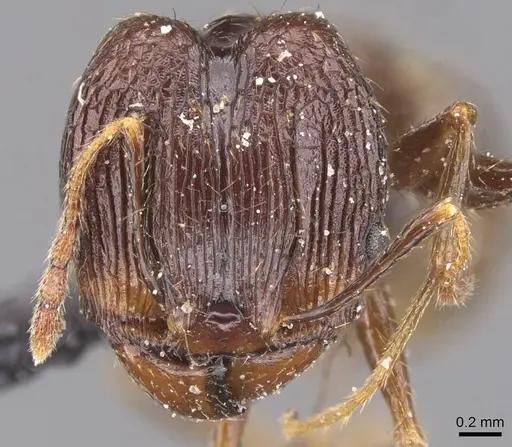
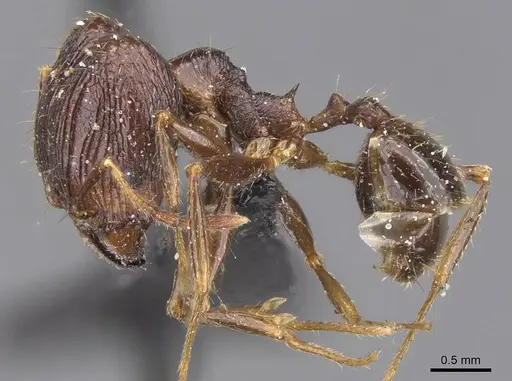
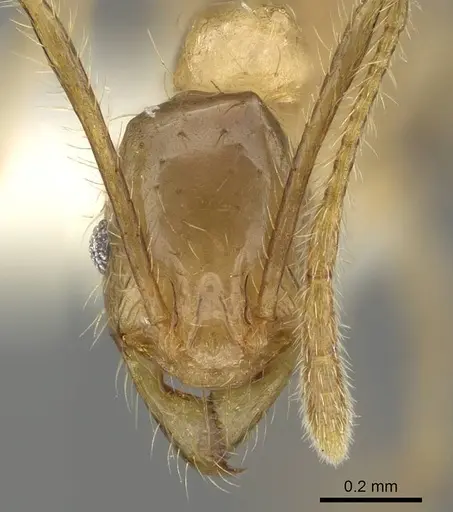
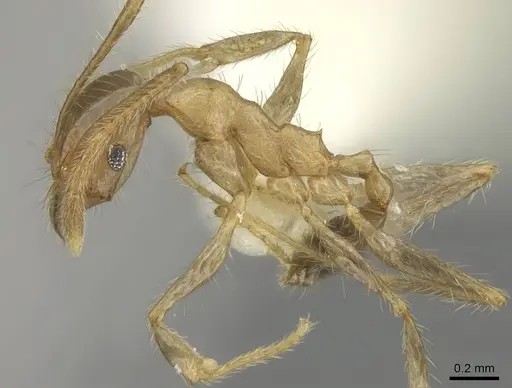
Pheidole oceanica is a small ant species native to Pacific islands, with minor workers about 2.1-3.0 mm and major workers 3.5-4.2 mm . It ranges from New Guinea across Melanesia, Micronesia, and Polynesia to Hawaii and French Polynesia . In the wild, it nests in rotting logs, stumps, under stones, or in bare soil with turret entrances . This species is notable for its competitive ability in Pacific ant communities. It has the highest dominance index (0.686) among native ants and uses mass recruitment to defend food resources against invaders . On islands like Surprise Island, it is the only native ant remaining and thrives by foraging during cooler periods .
Quick Summary
- Difficulty: Easy
- Origin & Habitat: Pacific islands from New Guinea to Polynesia, including Fiji, Samoa, Tonga, and French Polynesia [3][4][5]. Found in human-disturbed areas from beach to high-elevation forest [8][9].
- Colony Type: Based on Pheidole genus patterns, likely monogyne (single queen colonies). Colonies contain both minor and major workers with specialized roles.
- Size & Growth:
- Queen: 6.6 mm [10]
- Worker: Minor workers: 2.1-3.0 mm, Major workers: 3.5-4.2 mm [1][2]
- Colony: Up to a few thousand workers (inferred from Pheidole genus patterns)
- Growth: Moderate (inferred)
- Development: 6-8 weeks (inferred from genus patterns at tropical temperatures) (Development time is estimated based on typical Pheidole species, keep nest at 26°C for optimal growth.)
- Antkeeping:
- Temperature: Keep at 24-28°C, ideally around 26°C. This matches their maximal activity temperature (MAT) of 26°C, with critical thermal maximum (CTM) of 40°C for majors and 38°C for minors [1][2].
- Humidity: Keep nest substrate consistently moist but not waterlogged. In the wild, they nest in humid protected zones [7].
- Diapause: No, this is a tropical species with year-round activity. No hibernation required.
- Nesting: Prefer nests mimicking natural sites: rotting wood, stumps, or soil with turret entrances [6][7]. Use Y-tong, plaster, or 3D-printed nests with appropriately sized chambers.
- Behavior: Aggressive and competitive, with mass recruitment sending about 40 workers to food sources [1]. Major workers defend resources and attack competitors. Foraging is bimodal (peaks after sunrise and afternoon) to avoid heat [1]. Escape risk is high due to small size (minor workers at 2.1 mm), use fine mesh and tight barriers.
- Common Issues: escape prevention is critical due to very small worker size, minor workers can squeeze through tiny gaps, colonies may struggle against invasive ants if housed near established invaders, this species can be displaced by Anoplolepis gracilipes in some areas, overheating above 30°C reduces activity and stress the colony, avoid direct sunlight or heat sources, wild-caught colonies may carry parasites that cause decline in captivity, quarantine new colonies, slow initial growth during founding may lead to impatience, avoid disturbing the nest
Housing and Nest Setup
Pheidole oceanica thrives in nests that mimic natural sites. Use Y-tong (AAC), plaster, or 3D-printed nests with small chambers scaled to their size. Provide rotting wood pieces or soil with a turret entrance to replicate wild nesting in logs, stumps, or under stones [6][7]. The outworld should be shallow and secure, with fine mesh (0.5 mm or smaller) or fluon barriers to prevent escapes due to their small size [1]. Since they are mass recruiters, include a designated feeding area for efficient food defense.
Feeding and Diet
This species is a generalist that recruits heavily to protein and sugar sources. Feed protein like fruit flies or mealworms 2-3 times per week, and provide constant sugar access (honey water) [1]. They are aggressive at baits, attacking other ants in 23 out of 71 observed interactions [1]. Adjust portions to avoid waste, as mass recruitment draws many workers. They may tend scale insects for honeydew in the wild [11].
Temperature Management
Keep nest temperature at 24-28°C, ideally 26°C, to match their maximal activity temperature [1][2]. Avoid temperatures above 30°C, as they become less active and stressed. Use a gentle heat gradient if needed, placing heat sources on top to prevent drying. Their bimodal foraging pattern suggests stable, moderate temperatures are best [1].
Behavior and Colony Dynamics
Colonies have division of labor: minor workers handle foraging and brood care, while major workers defend resources and attack competitors [1][2]. They use efficient mass recruitment, averaging 40 workers per bait, and have the highest dominance index in Pacific communities [1]. They compete better during cooler evening hours (15:00-18:00) than in warmer mornings [1][2].
Seasonal Care and Activity Patterns
As a tropical species, no diapause is needed. Maintain year-round temperatures of 24-28°C. Activity may reduce if room temperature drops below optimal range. Observe bimodal foraging patterns similar to wild behavior [1].
Common Problems and Solutions
Escape prevention is paramount due to small worker size, use fine mesh and fluon. Temperature management is critical, avoid heat above 30°C. Wild-caught colonies may have parasites, quarantine and monitor. Be patient during founding, as growth may be slow initially [1][2].
Frequently Asked Questions
Can I keep Pheidole oceanica in a test tube setup?
Yes, for founding colonies, but use fine mesh or fluon on the cotton stopper to prevent escapes due to small worker size (2.1 mm) [1]. Keep at 24-28°C and in darkness initially. Move to a proper nest when colony reaches 50-100 workers.
How long does it take for Pheidole oceanica to produce first workers?
Based on Pheidole genus patterns at tropical temperatures, expect first workers in about 6-8 weeks after egg laying. Keep nest at 26°C for optimal development.
Are Pheidole oceanica good for beginners?
Yes, they are considered easy to keep due to tolerance of range conditions and no hibernation need. Main challenges are escape prevention and temperature control [1].
Can I keep multiple queens together?
Pheidole oceanica is typically monogyne, so combining unrelated queens is not recommended and not documented for this species.
What temperature is best for Pheidole oceanica?
Keep at 24-28°C, with 26°C ideal for activity. Avoid above 30°C to prevent stress [1][2].
How big do Pheidole oceanica colonies get?
Colony size is not directly documented, but inferred from Pheidole genus patterns to reach up to a few thousand workers.
Do they need a hibernation period?
No, as a tropical species from Pacific islands, they remain active year-round without diapause [4].
Why are my Pheidole oceanica dying?
Common causes include overheating above 30°C, escapes due to small size, parasites from wild-caught colonies, or mold from overwatering. Check temperature and barriers [1].
What makes Pheidole oceanica special compared to other ants?
Its high dominance index (0.686) and mass recruitment make it a top competitor in Pacific communities, able to outcompete invasive ants during cooler periods [1][2].
When should I move them to a formicarium?
Move from test tube to a nest (Y-tong, plaster, etc.) when colony has 50-100 workers or when cramped. Ensure chambers are appropriately sized for small ants.
Report an Issue
The current care sheet is based fully on literature. See inconsistencies, or something that's incorrect? Please , it will be resolved after review from an admin. Contributing to the blogs tab also helps providing information, to make us be able to further improve the caresheets. Thank you for your support!
References

This caresheet is licensed under CC BY-SA 4.0 .
Community Blogs
CASENT0171126
View on AntWeb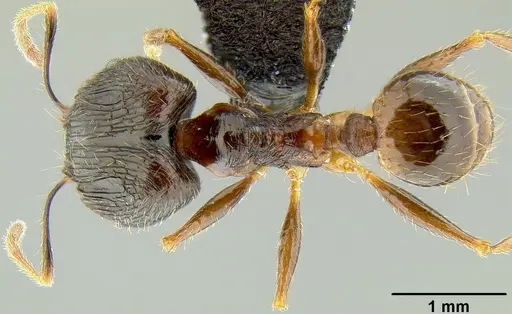
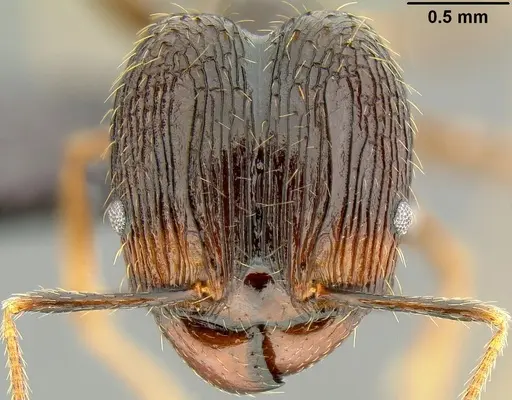
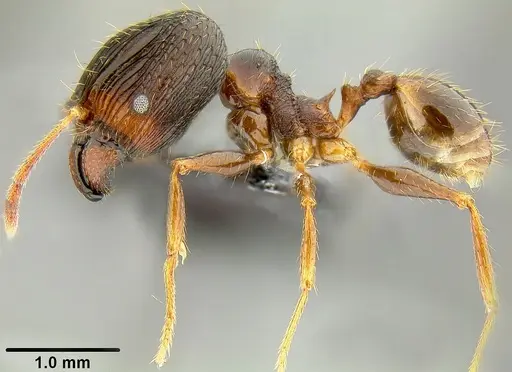
CASENT0171127
View on AntWeb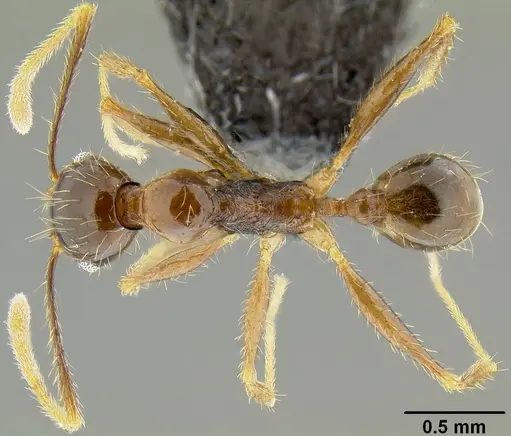
CASENT0178430
View on AntWeb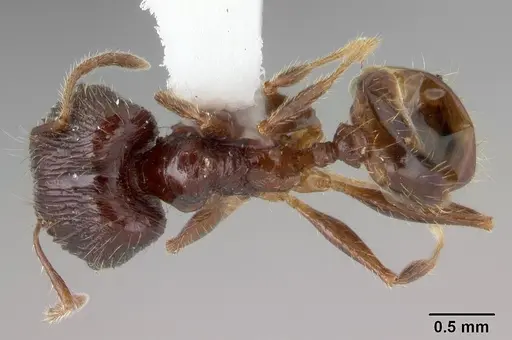
CASENT0178431
View on AntWeb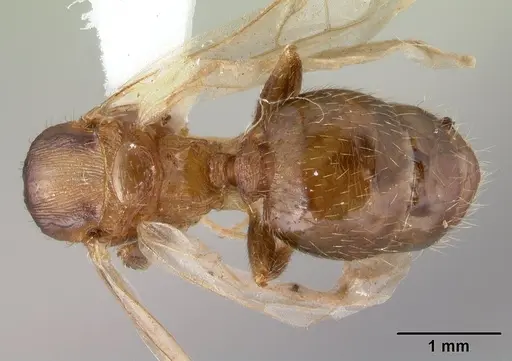
CASENT0178432
View on AntWeb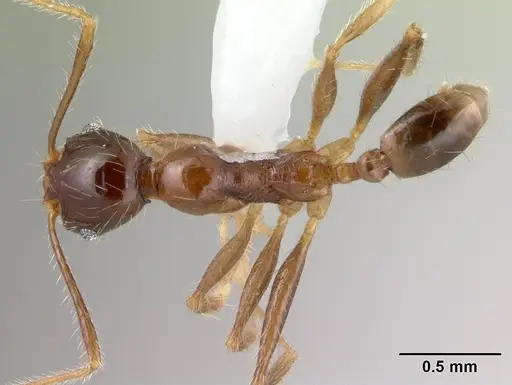
CASENT0184533
View on AntWeb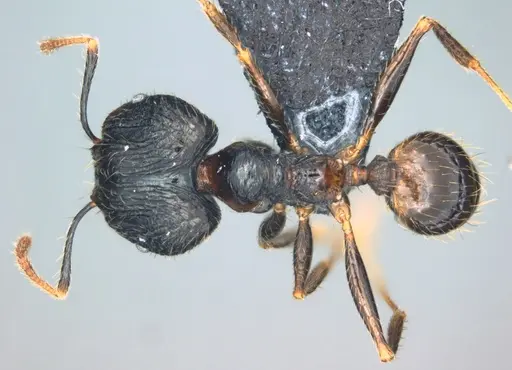
CASENT0184542
View on AntWeb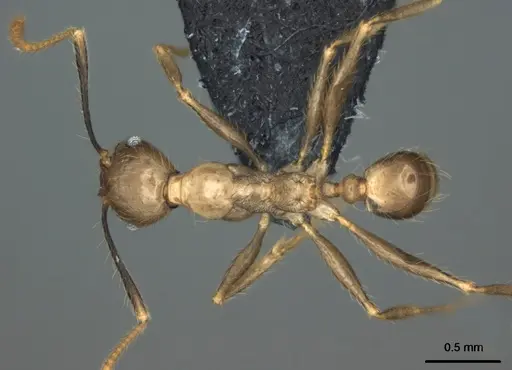
CASENT0199114
View on AntWeb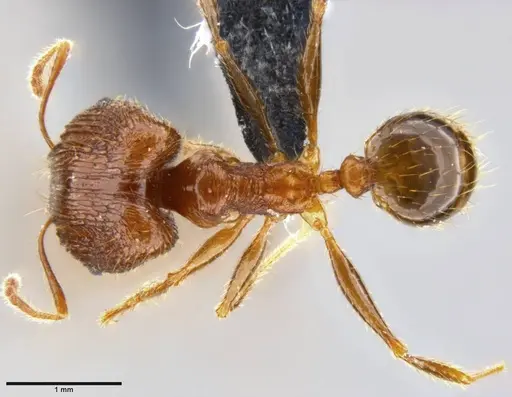
CASENT0199116
View on AntWeb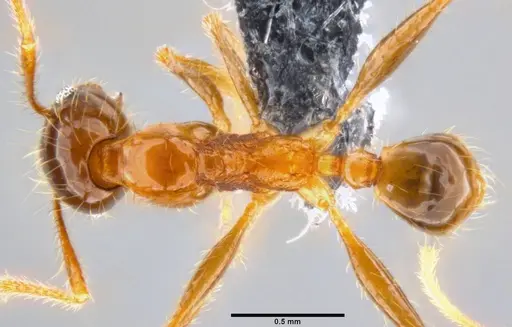
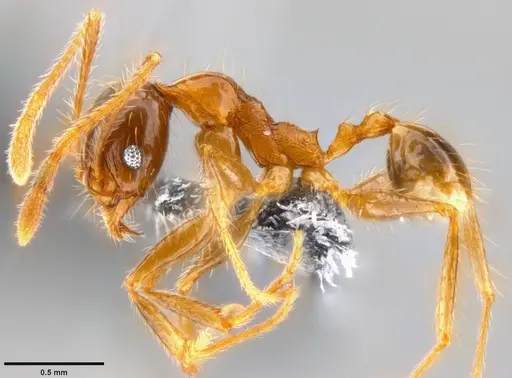
CASENT0199554
View on AntWeb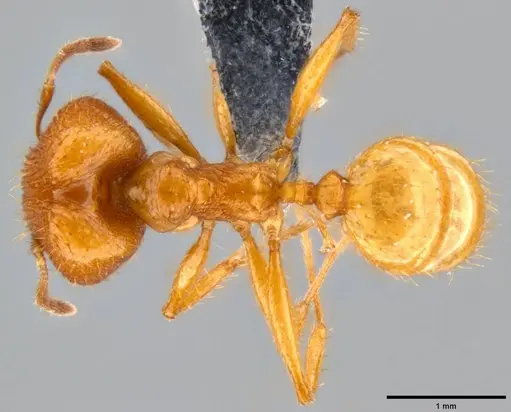
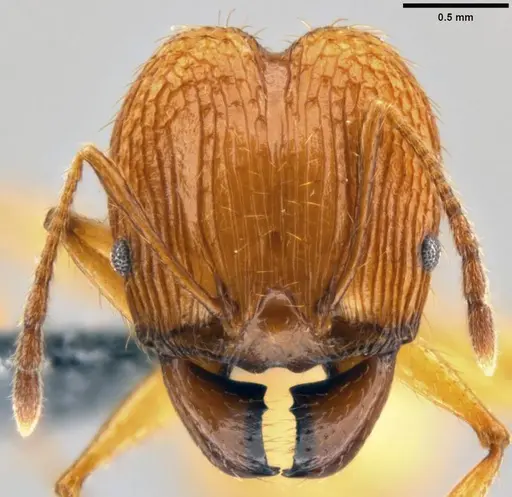
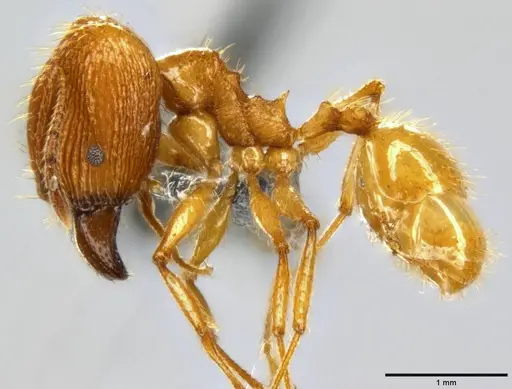
CASENT0199563
View on AntWeb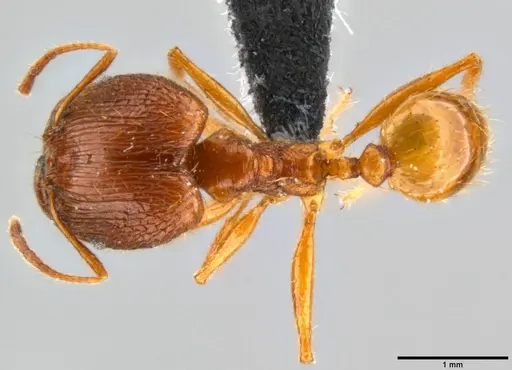
CASENT0199585
View on AntWeb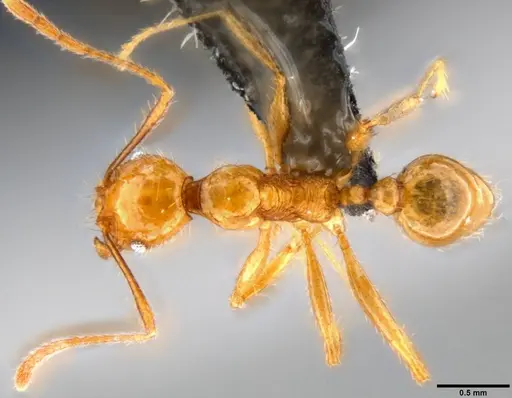
CASENT0199589
View on AntWeb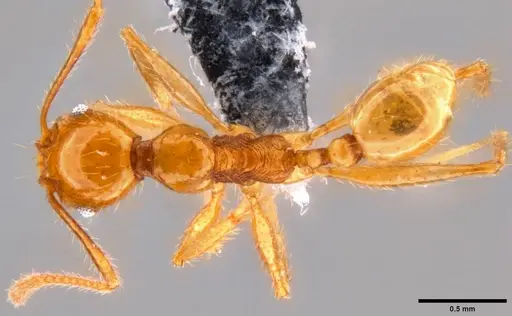
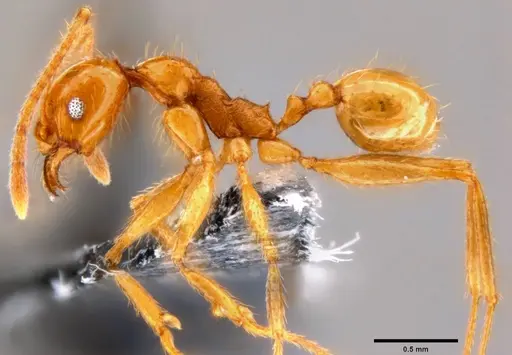
CASENT0219546
View on AntWeb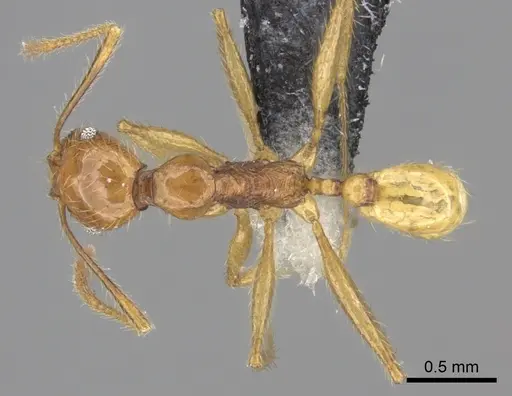
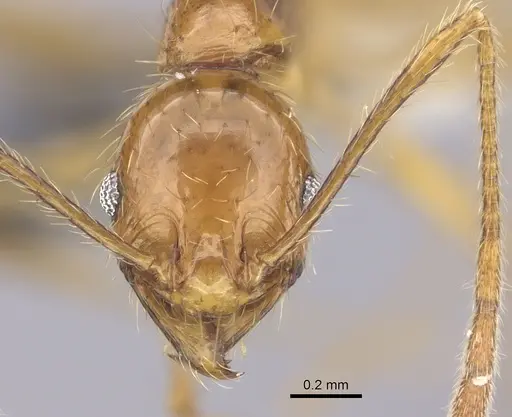
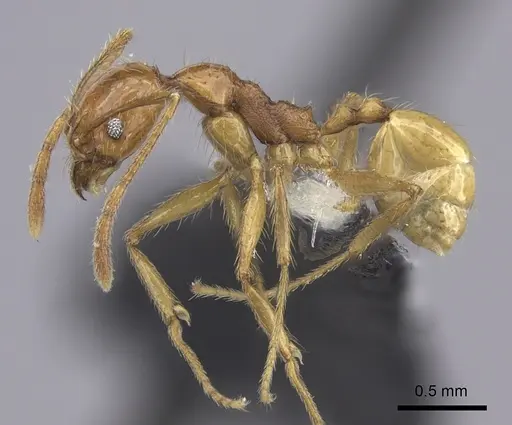
CASENT0219977
View on AntWeb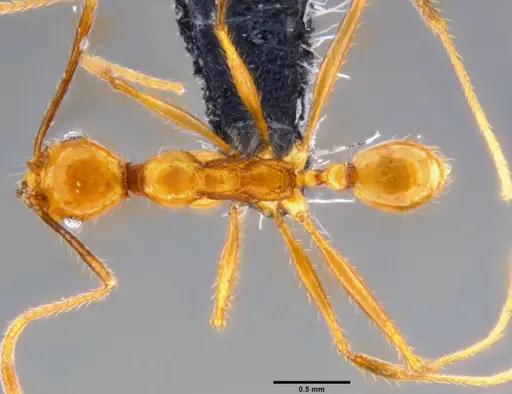
CASENT0219996
View on AntWeb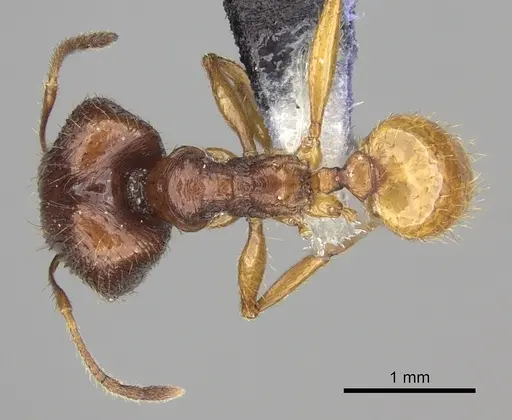
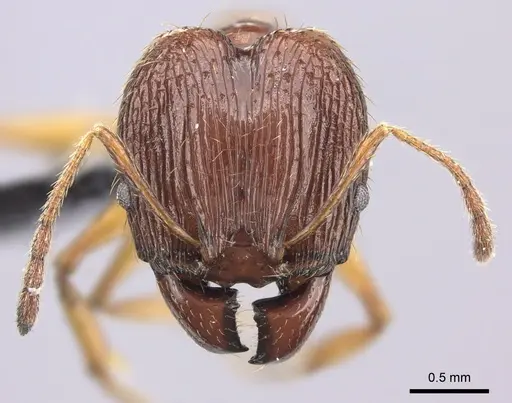
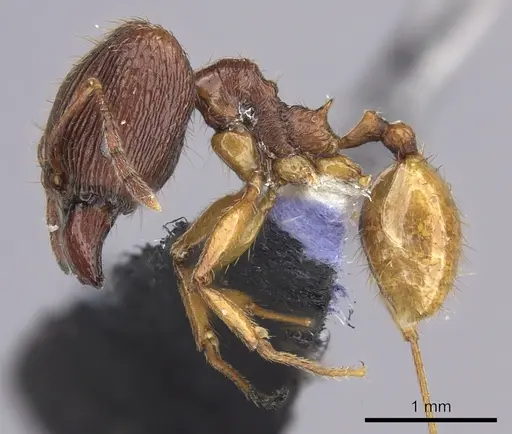
CASENT0282471
View on AntWeb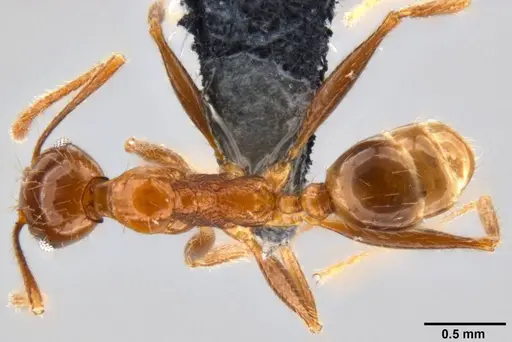
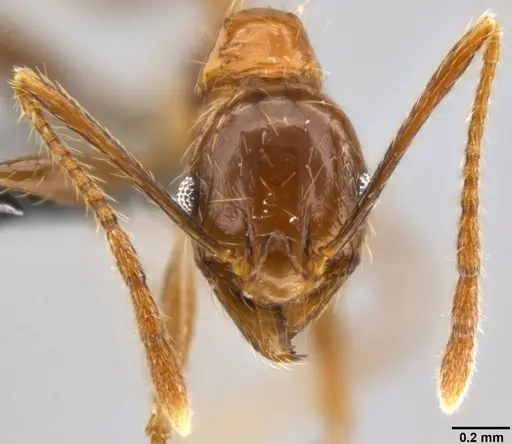
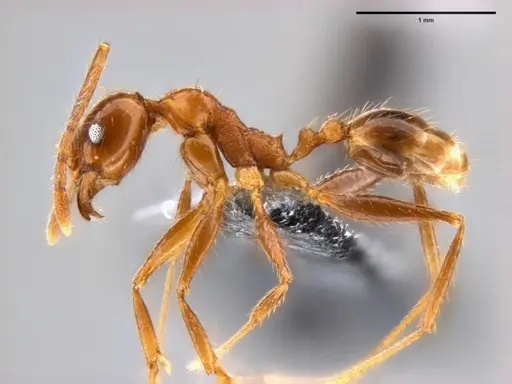
CASENT0901517
View on AntWeb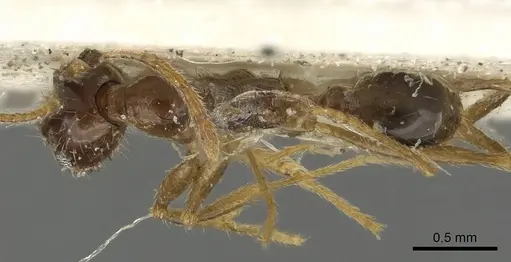
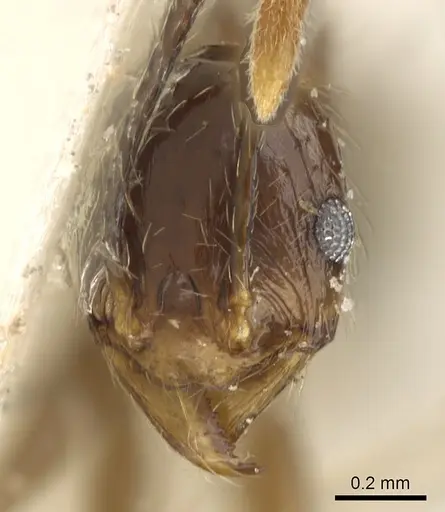
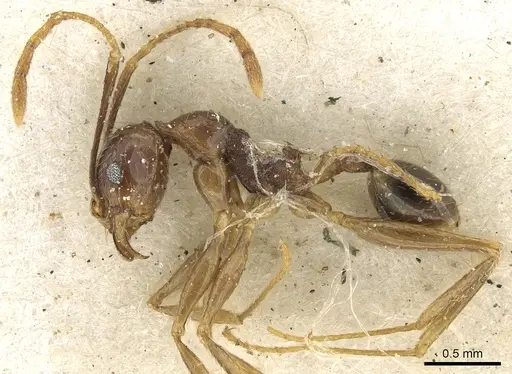
CASENT0901518
View on AntWeb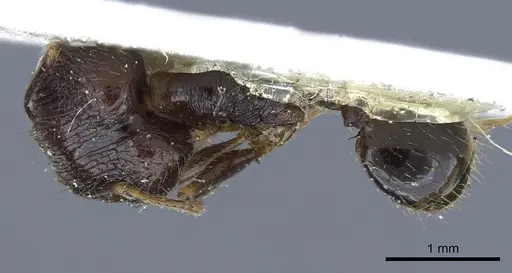
CASENT0906622
View on AntWeb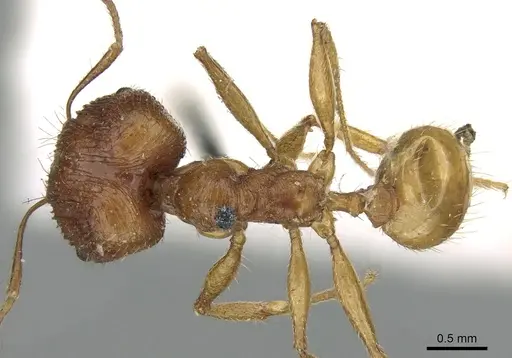
CASENT0906623
View on AntWeb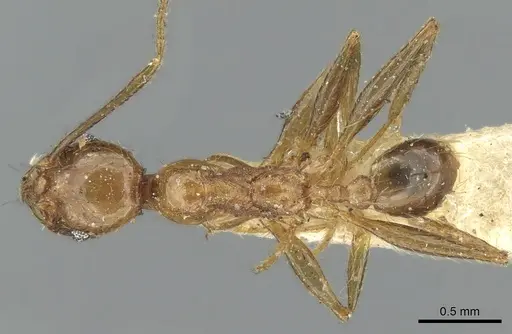
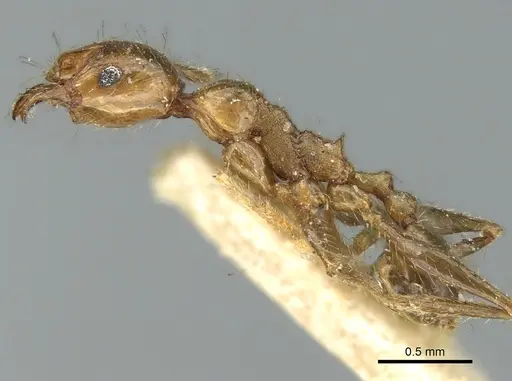
CASENT0913380
View on AntWeb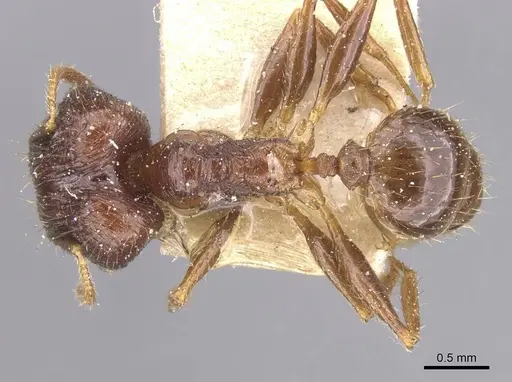
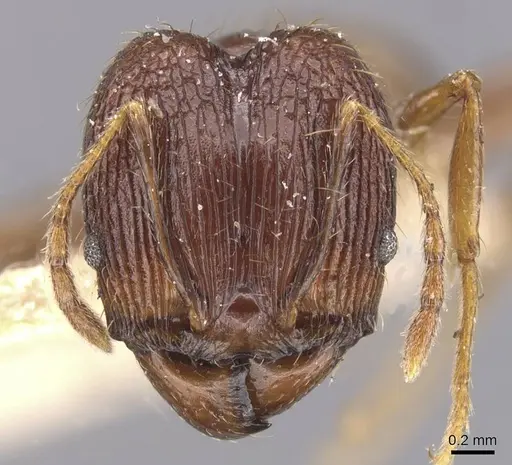
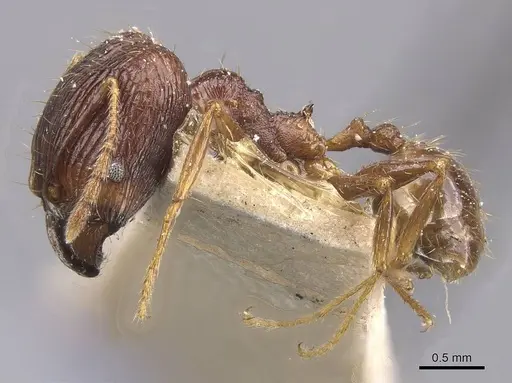
CASENT0913381
View on AntWeb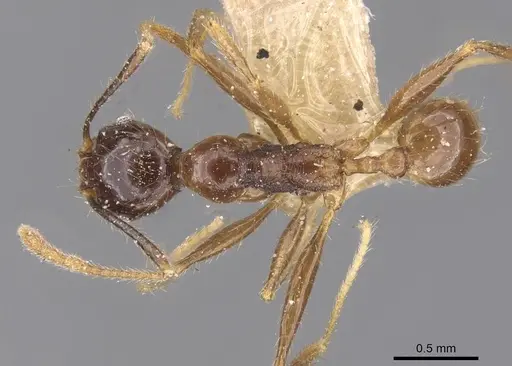
CASENT0913382
View on AntWeb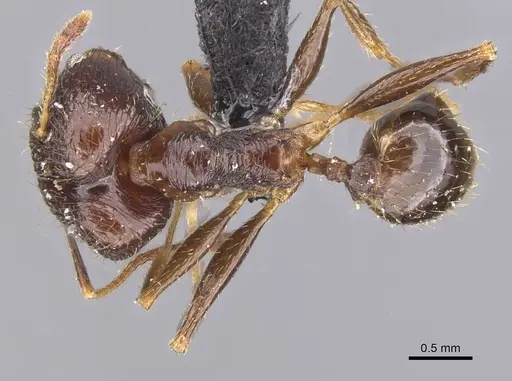
CASENT0913383
View on AntWeb
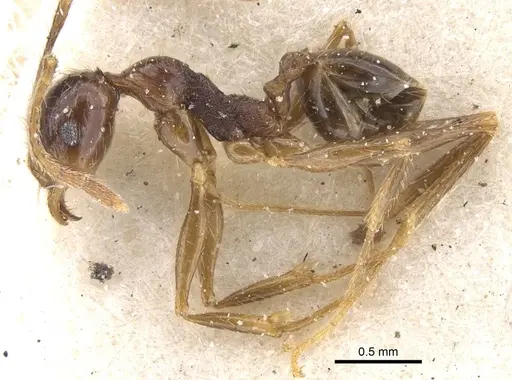
CASENT0919932
View on AntWeb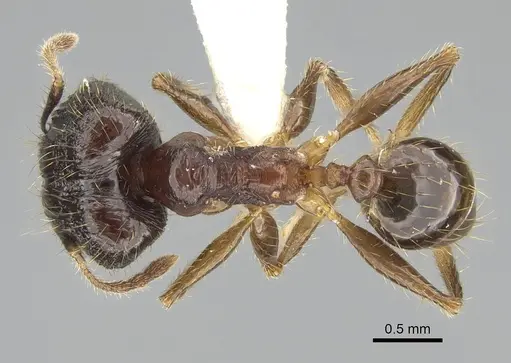
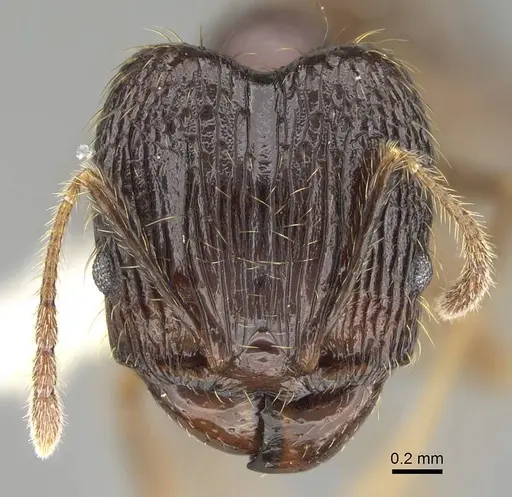
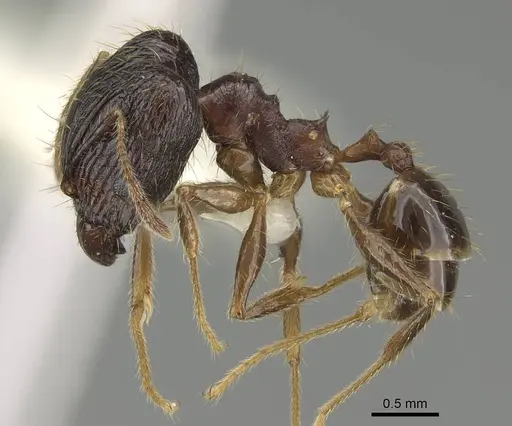
CASENT0919933
View on AntWeb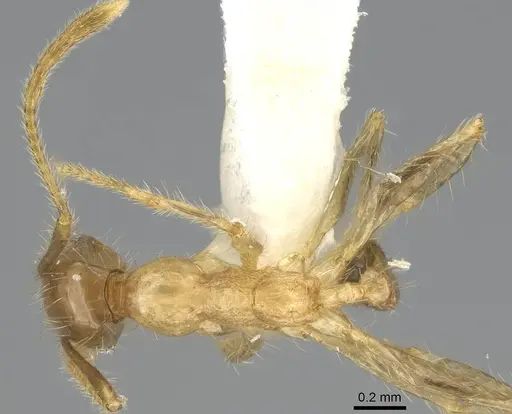
Literature
Loading distribution map...Loading products...