
Pheidole occipitalis
- Sci. Name
- Pheidole occipitalis
- Tribe
- Attini
- Subfamily
- Myrmicinae
- Author
- André, 1890
- Distribution
- Found in 2 countries
Introduction
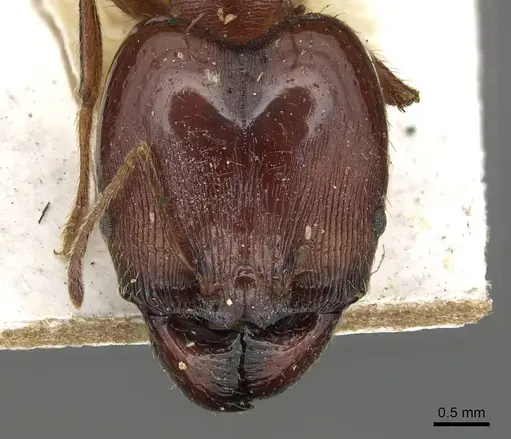
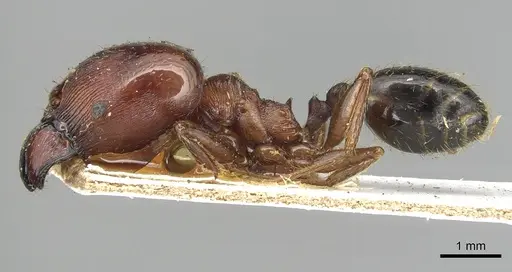
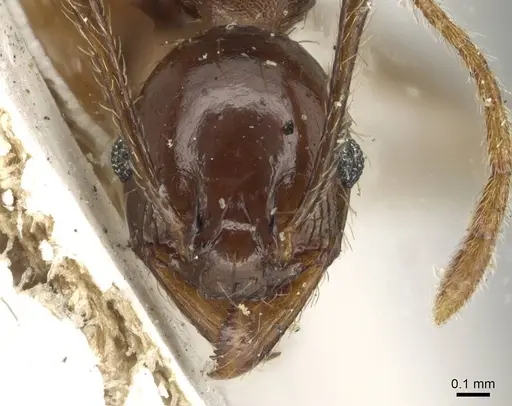
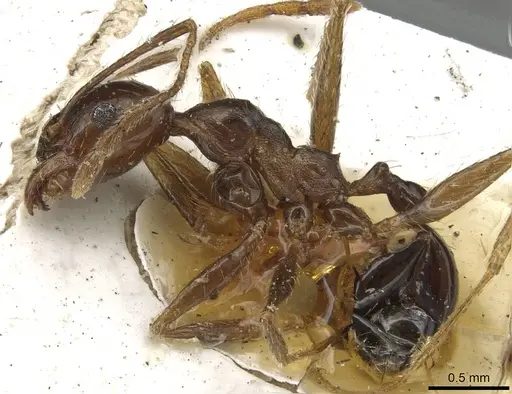
Pheidole occipitalis is an ant speciesof the genusPheidole , belonging to the subfamily Myrmicinae and tribe Attini . It is documented in 2 countries , including Cameroon, Sierra Leone .
Frequently Asked Questions
What kind of enclosure is best for Pheidole occipitalis?
For a founding queen and her first few workers, a simple test tube setup is ideal. As your Pheidole occipitalis colony grows, you'll want to upgrade them to a formicarium with multiple chambers. A setup that includes a soil or sand substrate is best, as it mimics their natural nesting habits and allows them to dig. Make sure the nest has good humidity retention!
What do Pheidole occipitalis ants eat?
These 'big-headed ants' are omnivorous! Their diet in the wild consists of insects, seeds, and honeydew. In your ant keeping setup, you should offer them a mix of protein sources like pre-killed mealworms, crickets, or even pieces of chicken, alongside carbohydrate sources such as sugar water or honey water. Don't forget small seeds too, as their major workers are perfectly adapted to crack them open!
Do Pheidole occipitalis need to hibernate?
No, Pheidole occipitalis are a tropical species and do not require diapause, or hibernation. This means you can enjoy an active colony all year long, making them a fantastic choice for ant keepers looking for continuous activity.
How fast do Pheidole occipitalis colonies grow?
Pheidole occipitalis colonies can grow quite quickly once established. They have a relatively fast brood development, and a colony can reach several thousand workers. You'll often see explosive growth once the first batch of minor workers arrives and starts foraging.
Are Pheidole occipitalis aggressive?
Towards other ant species, yes, they can be quite aggressive and dominant, especially when competing for food. However, they are generally docile towards ant keepers. Their major workers, despite their intimidating appearance, are often shy and will retreat from disturbances.
What is the difference between minor and major workers in Pheidole occipitalis?
Pheidole occipitalis, like most Pheidole, has a dimorphic worker caste. Minor workers are smaller and handle most of the foraging, brood care, and general nest maintenance. Major workers, often called 'soldiers,' are much larger with disproportionately huge heads and powerful mandibles, which they use to crush seeds or larger prey items, and for colony defense.
What temperature and humidity do Pheidole occipitalis need?
Maintain a temperature range of 24-28°C for optimal growth. While they can tolerate room temperature, a warmer spot can accelerate brood development. For humidity, aim for 50-80% in the nest area, as these ants prefer higher moisture levels and don't do well in dry conditions.
How big do Pheidole occipitalis queens and workers get?
The queen of Pheidole occipitalis typically measures between 6-8mm. Minor workers are quite small, ranging from 1-3mm, while the distinctive major workers can be between 3.5-5mm, though some sources suggest majors can reach up to 6mm, sometimes even equaling the queen in length.
Are Pheidole occipitalis prone to escaping?
Like many smaller Pheidole species, they can be excellent escape artists due to their tiny minor workers. It's crucial to use a secure setup and apply a reliable escape barrier to prevent them from exploring beyond their formicarium.
How long does it take for eggs to become workers?
The development from egg to adult worker for Pheidole occipitalis can take approximately 4-7 weeks, depending on temperature and food availability. Providing stable warmth and plenty of protein will help speed up this process and ensure a healthy colony.
Can I keep multiple Pheidole occipitalis queens together?
Pheidole occipitalis is primarily monogyne, meaning colonies typically have a single queen. While some Pheidole species can exhibit pleometrosis (multiple queens founding a colony together), a single queen usually dominates in the long run. It's generally best to keep them as monogyne colonies to avoid potential conflict among queens as the colony matures.

This caresheet is licensed under CC BY-SA 4.0 .
Community Blogs
CASENT0907825
View on AntWeb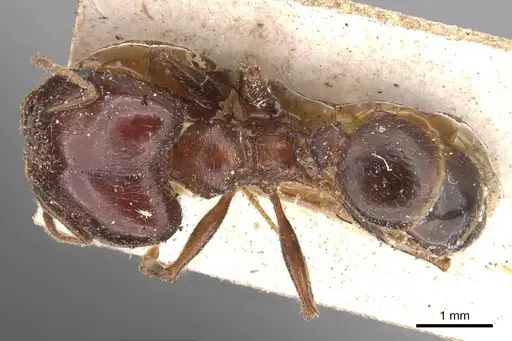
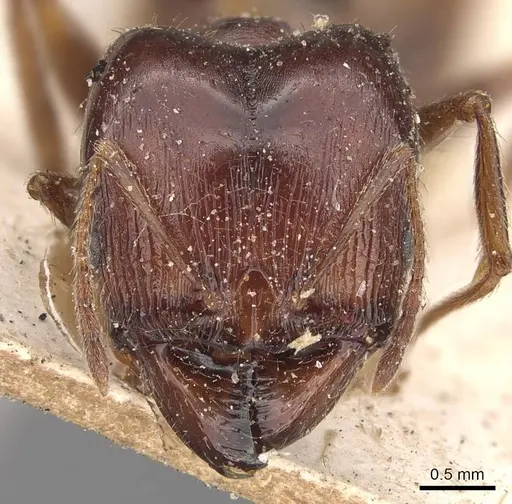
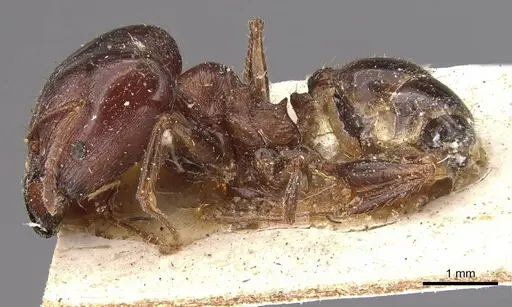
CASENT0907826
View on AntWeb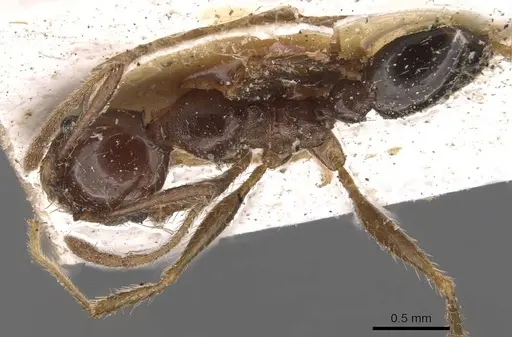
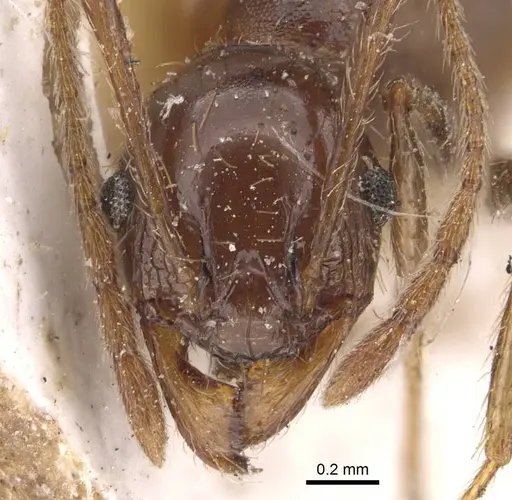
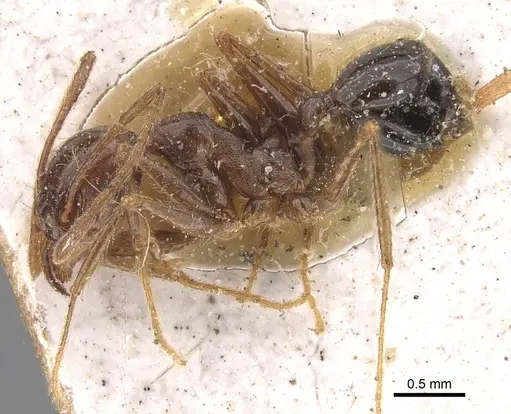
CASENT0913378
View on AntWeb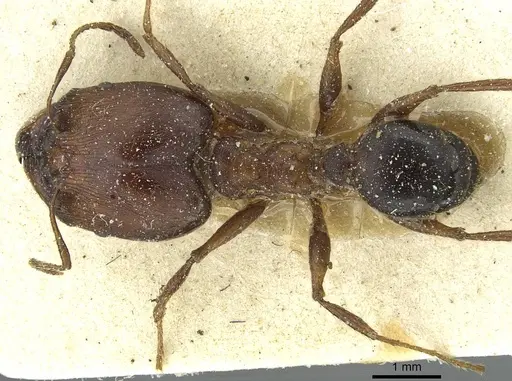
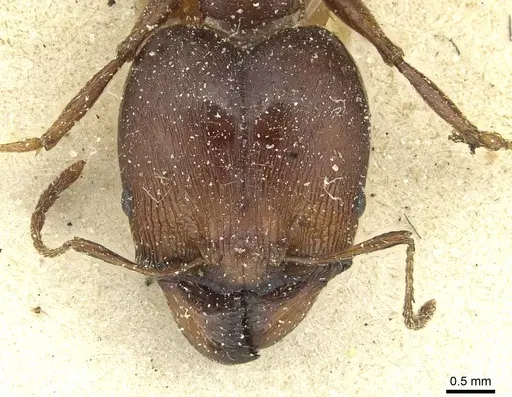
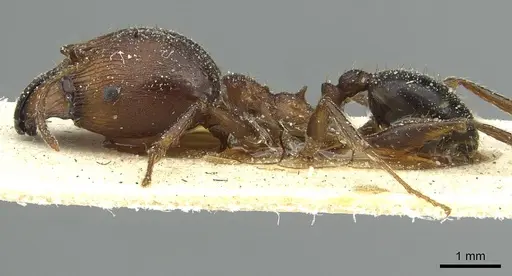
CASENT0913379
View on AntWeb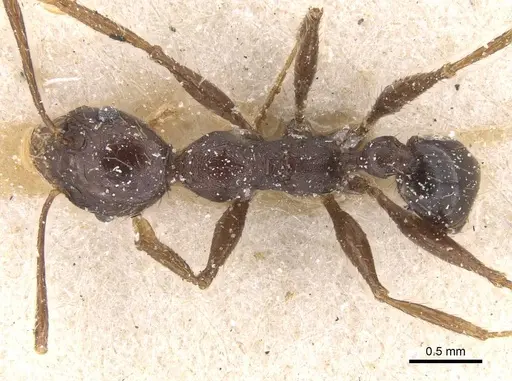
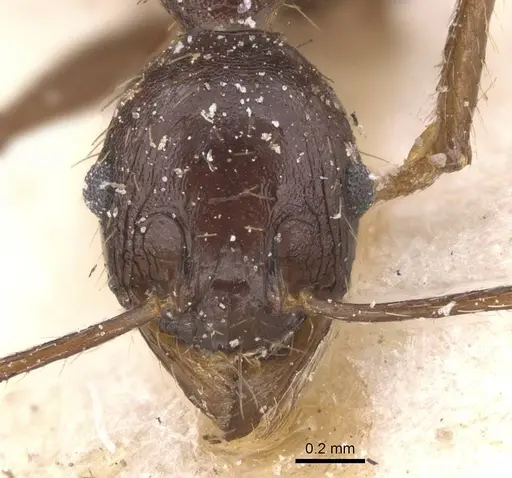
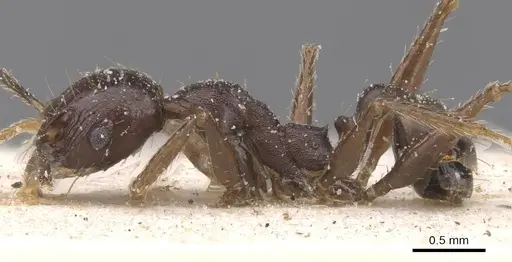
CASENT0915444
View on AntWeb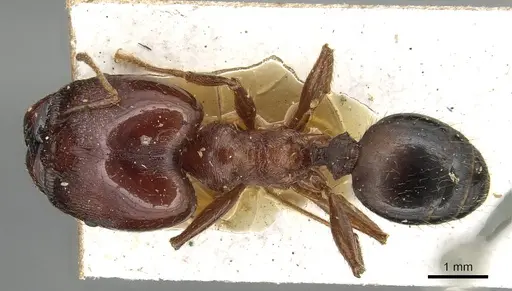
CASENT0915445
View on AntWeb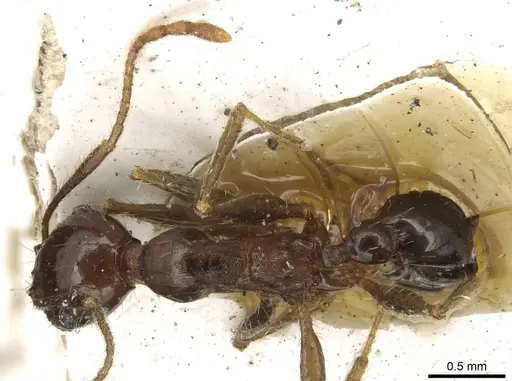
Literature
Loading distribution map...Loading products...