
Pheidole obscurifrons
- Sci. Name
- Pheidole obscurifrons
- Tribe
- Attini
- Subfamily
- Myrmicinae
- Author
- Santschi, 1925
- Distribution
- Found in 1 countries
Introduction
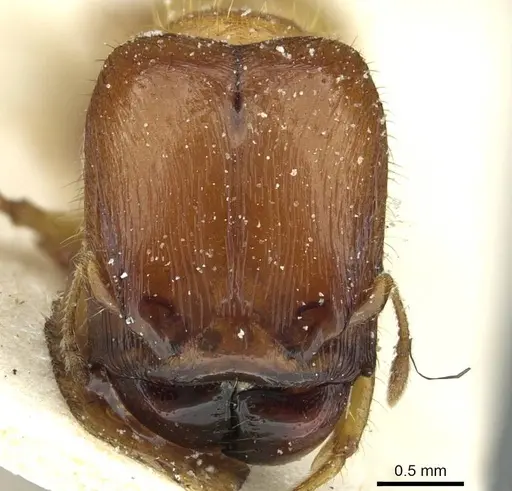
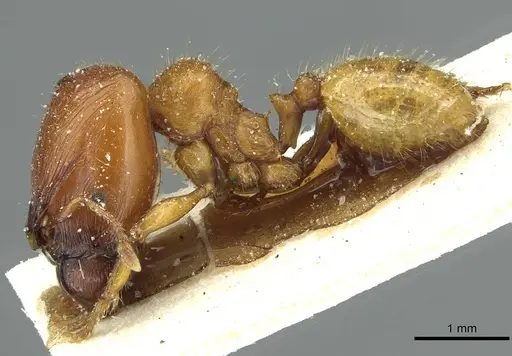
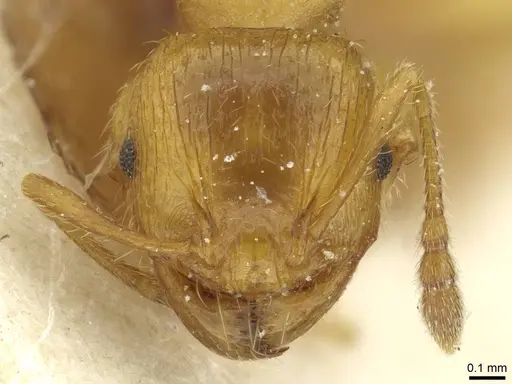
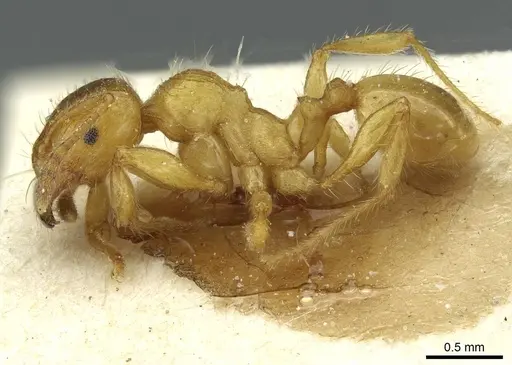
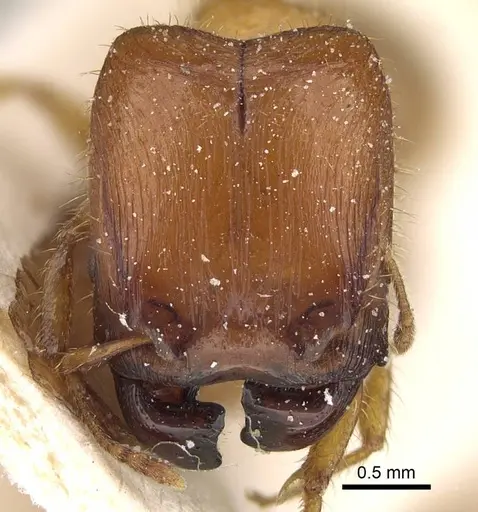
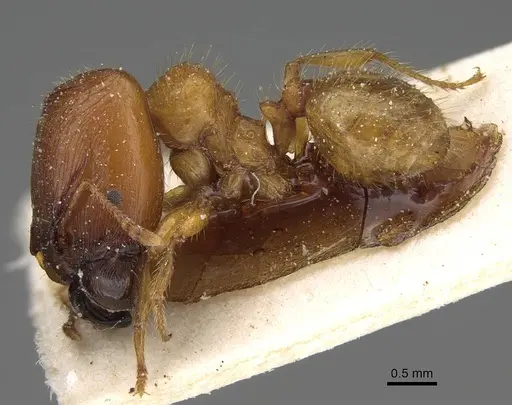
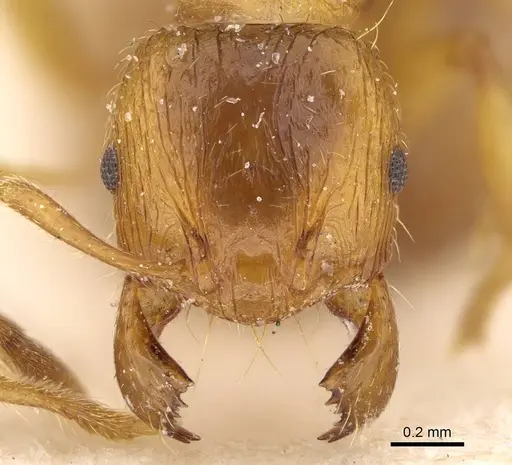
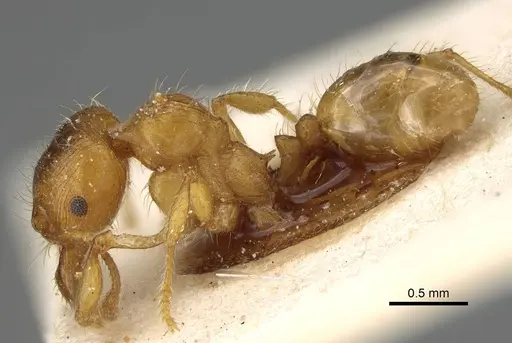
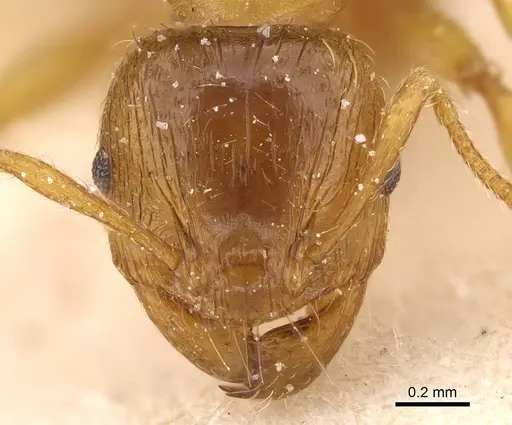
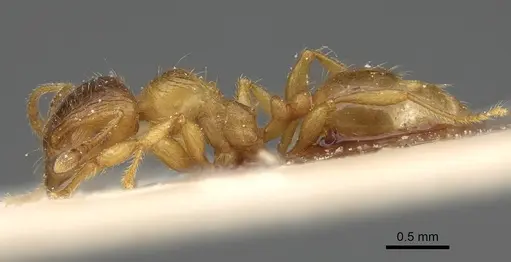
Pheidole obscurifrons is a small ant species native to southern South America, found in Argentina and recently recorded in southern Brazil . Major workers are larger with reddish-brown coloration, while minor workers are smaller and plain yellow . Size data is unavailable - no total length measurements exist for this species . This species is poorly studied, with no published biological research beyond morphological descriptions .
Quick Summary
- Difficulty: Medium
- Origin & Habitat: Native to the Neotropical region, specifically Santa Fe and Cordoba provinces in Argentina, with a southernmost Brazilian record in the Pantanal [1][2]. Found in ground-nesting habitats in these areas [4].
- Colony Type: Colony structure is unconfirmed. Based on typical Pheidole patterns, likely single-queen colonies, but this has not been documented for this specific species.
- Size & Growth:
- Queen: Size data unavailable, no total length measurements exist.
- Worker: Major workers are larger, minor workers smaller, exact sizes unknown, inferred from Pheidole genus patterns.
- Colony: Unknown for this species.
- Growth: Unknown, no development data exists.
- Development: Unconfirmed, no direct observations. Based on typical Pheidole patterns, estimate 6-8 weeks at warm temperatures, but this is speculative. (Development time is unknown and based on genus-level inference.)
- Antkeeping:
- Temperature: Based on Argentine distribution, keep nest area around 22-26°C. Room temperature in most homes should work well.
- Humidity: Keep nest substrate consistently moist but not waterlogged, with some drier areas for self-regulation.
- Diapause: Unknown, no data on overwintering requirements.
- Nesting: Ground-nesting species. Use standard test tubes for founding colonies. Once established, Y-tong (AAC) or plaster nests with chambers scaled to their size work well.
- Behavior: Likely a generalist forager similar to other Pheidole species. Major workers may specialize in seed processing, while minors handle most foraging and brood care. Escape risk is moderate, minors are small enough to exploit gaps, so use standard barrier methods. Aggression levels are unknown but Pheidole are generally not particularly aggressive toward keepers.
- Common Issues: lack of species-specific data, care is based on genus assumptions, which may not match this species' needs., colony may fail to thrive if conditions don't match its unknown specific requirements., slow growth is common with Pheidole, which may frustrate keepers., wild-caught colonies may have parasites or diseases that kill them in captivity.
Species Background and Identification
Pheidole obscurifrons was originally described by Santschi in 1925 as a variety of Pheidole aberrans and raised to full species status in 2003 by Wilson based on morphological differences [3]. The species name means 'dark or indistinct brown, ' likely referring to the reddish-brown coloration of major workers [3]. Major workers have large heads characteristic of Pheidole, while minor workers are smaller and plain yellow [3].
Distribution and Habitat
This species is known from central Argentina, specifically Santa Fe and Cordoba provinces, with a recent record from the Pantanal region in southern Brazil [1]. The Pantanal record represents the southernmost occurrence in Brazil [1]. It has been recorded in Santa Fe province as a new record for both the province and Argentina [2]. The species is assigned to the functional group Generalized Myrmicinae, indicating it occupies a broad ecological niche [4]. In its native range, it nests in the ground, likely in open or partially shaded areas.
Known Biology
Nothing specific is known about the biology of Pheidole obscurifrons. This is one of the least studied ant species in the hobby. What we can infer comes from general Pheidole genus knowledge: they are seed-eating ants with major workers specialized for seed crushing. Colonies are likely founded by a single queen, but this is unconfirmed for this species. [3]
Housing and Nesting
Start with a standard test tube setup for the founding queen. Fill the tube with water and plug with cotton to provide humidity. Keep the tube in a dark, quiet location. Once the colony reaches a reasonable size, move them to a small formicarium like a Y-tong (AAC) or plaster nest with chambers scaled to their size. Ensure the nest has a water reservoir for humidity. Provide an outworld for foraging. Escape prevention should include standard barriers, minors are small, so check for gaps.
Feeding
Based on Pheidole genus habits, offer a varied diet. Provide seeds like grass seeds or millet for majors to process. Offer protein sources like small insects regularly. Sugar water or honey is typically accepted. Feed every 2-3 days for established colonies, removing uneaten food after 24 hours. Fresh water should always be available. [3]
Temperature and Seasonal Care
Keep the nest area at roughly 22-26°C based on the species' subtropical Argentine distribution. Room temperature in most homes falls within this range. A gentle temperature gradient allows ants to regulate their own exposure. Diapause requirements are unknown, if the colony shows reduced activity in winter, consider a cooler period, but this is speculative.
Frequently Asked Questions
How long does it take for Pheidole obscurifrons to raise first workers?
This is unknown, no development data exists for this species. Based on typical Pheidole patterns in warm conditions, estimate 6-8 weeks from egg to first worker, but this is a rough guess.
What do Pheidole obscurifrons eat?
No specific feeding observations exist. Based on typical Pheidole behavior, offer seeds, protein from small insects, and sugar sources like honey water.
Can I keep multiple queens together?
Not recommended, colony structure is unconfirmed, and combining unrelated queens has not been documented. Most Pheidole are single-queen species.
Are Pheidole obscurifrons good for beginners?
This species is not recommended for beginners due to the lack of biological data. Care is based on genus-level assumptions, not species-specific knowledge.
How big do colonies get?
Colony size is unconfirmed for this species. Pheidole colonies commonly reach several hundred to a few thousand workers, but this is an estimate.
What temperature do they need?
Based on their Argentine distribution, aim for 22-26°C. Room temperature in most homes should work well.
Do they need hibernation?
Diapause requirements are unknown. If your colony slows down in winter, providing a cool period may be beneficial, but this is speculative.
When should I move them to a formicarium?
Wait until the colony is crowded in the test tube. Pheidole prefer snugger nests, so don't upgrade to a large formicarium prematurely.
Why is there no information about this species?
Pheidole obscurifrons is a poorly studied species with no published biological research. Only morphological descriptions exist, which is common for many ant species.
Report an Issue
The current care sheet is based fully on literature. See inconsistencies, or something that's incorrect? Please , it will be resolved after review from an admin. Contributing to the blogs tab also helps providing information, to make us be able to further improve the caresheets. Thank you for your support!
References

This caresheet is licensed under CC BY-SA 4.0 .
Community Blogs
CASENT0913254
View on AntWeb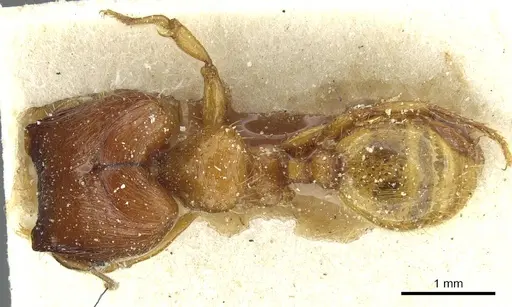
CASENT0913255
View on AntWeb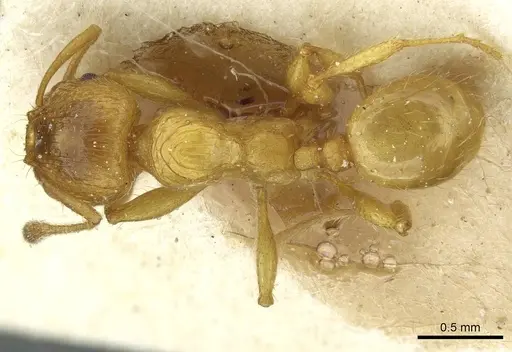
CASENT0922377
View on AntWeb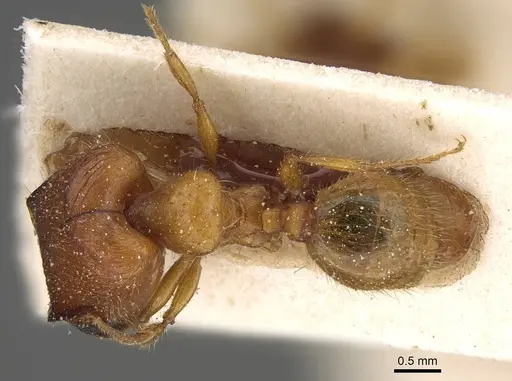
CASENT0922381
View on AntWeb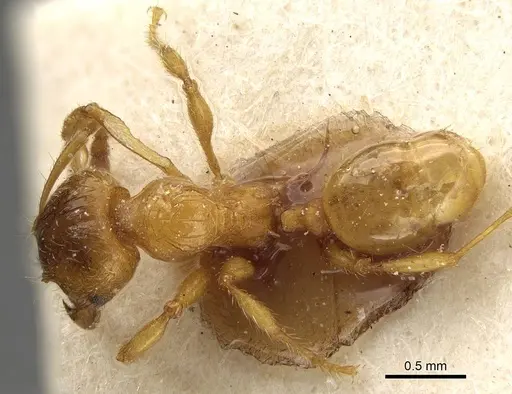
CASENT0922382
View on AntWeb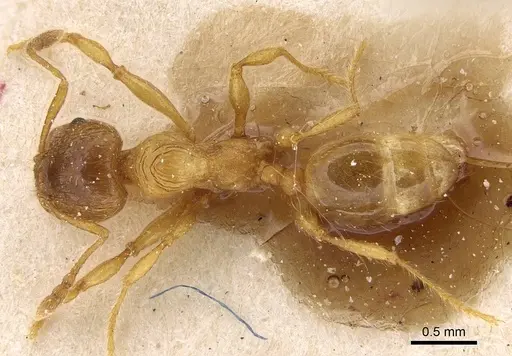
Literature
Loading distribution map...Loading products...