
Pheidole obrima
- Sci. Name
- Pheidole obrima
- Tribe
- Attini
- Subfamily
- Myrmicinae
- Author
- Wilson, 2003
- Distribution
- Found in 2 countries
Introduction
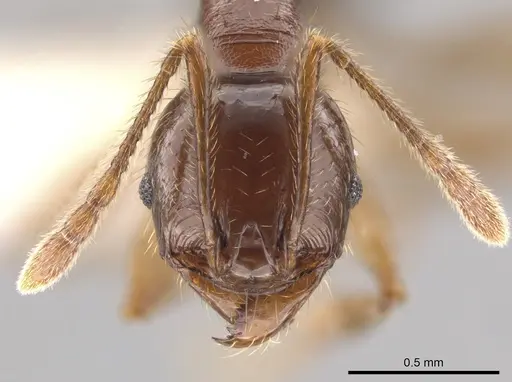
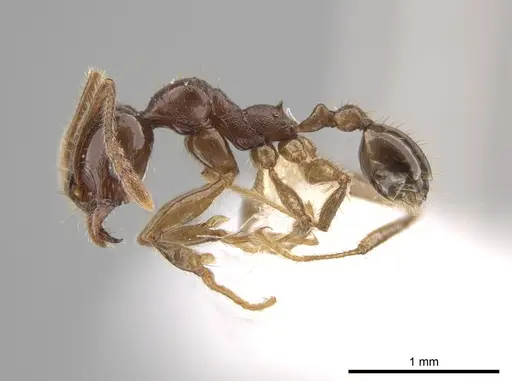
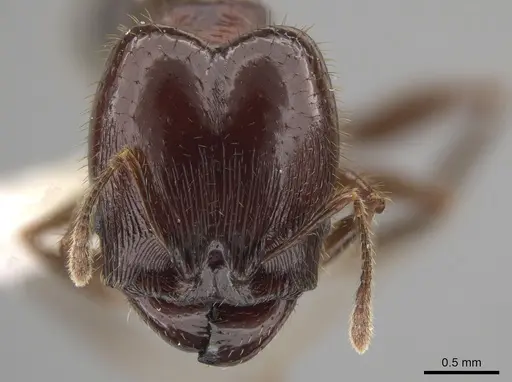
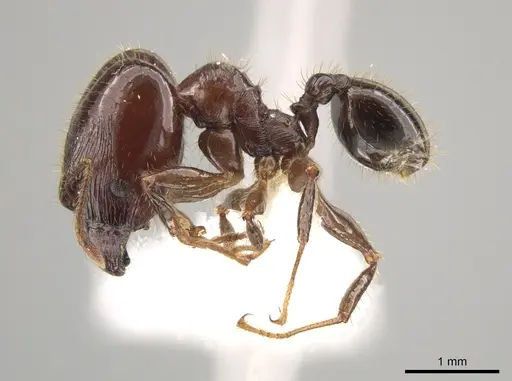
Pheidole obrima is a small ant species from Peru, recorded only in the country so far . It belongs to the genus Pheidole, which is known for having two distinct worker castes: smaller minors and larger majors with big heads. Based on typical Pheidole patterns, minors are about 2-3mm and majors about 4-5mm. Their natural habitat and ecology are not well‑studied, but most Pheidole live in soil or leaf litter in forests and open areas. Details on diet and colony structure come from what we know about related species.
Quick Summary
- Difficulty: Easy
- Origin & Habitat: Native to Peru [1]. Likely inhabits forest edges, clearings, or open areas with sandy or loamy soils, as is typical for many Pheidole species.
- Colony Type: Likely monogyne (single queen), most Pheidole form single‑queen colonies. The queen is the sole reproductive female once the colony is established.
- Size & Growth:
- Queen: Estimated 7-9mm (inferred from similar Pheidole species).
- Worker: Minor workers ~2-3mm, major workers ~4-5mm (inferred from genus).
- Colony: Up to several hundred workers (estimated from typical Pheidole).
- Growth: Moderate, colonies grow steadily once the first workers arrive.
- Development: Estimated 6-8 weeks at warm temperatures (24-28°C). (Development speeds up with higher temperatures and slows down if it gets cooler.)
- Antkeeping:
- Temperature: Keep the nest area at 24-28°C. A heating cable on one side gives a gradient so ants can choose their spot. Avoid letting it drop below 20°C for long.
- Humidity: Keep the nest substrate slightly moist, but not waterlogged. Let the surface dry out a bit between waterings. Good airflow helps prevent mold.
- Diapause: No, as a tropical species from Peru, they stay active all year. Keep temperatures consistent, they don’t need a winter cooling period.
- Nesting: Y‑tong (AAC) nests work well because they hold moisture and let you watch the colony. Plaster nests and test tube setups are also good. Provide a source of moisture and avoid letting the nest dry out.
- Behavior: These ants are peaceful and not aggressive toward keepers. Major workers can give a mild sting if handled roughly, but it’s harmless. They mostly eat seeds but also take small insects. Foraging is moderate, majors help crack open seeds and defend the nest. Escape risk is moderate, standard barriers like fluon or tight lids are enough.
- Common Issues: colonies can slow down or stall if temperatures stay below 20°C, keep them warm., overfeeding can cause mold, remove uneaten food within 24-48 hours., majors may look like queens to beginners, check for a queen’s larger thorax and wing scars., wild‑caught colonies may carry parasites, quarantine and watch them before adding to a permanent setup.
Housing and Nest Setup
Pheidole obrima does well in many setups. Y‑tong (AAC) nests are great because they keep steady humidity and let you see the colony. Plaster nests also work if you want consistent moisture. Test tube setups are fine for founding and small colonies. For the outworld, use any standard container with fluon or a tight lid to prevent escapes. These ants don’t need a huge nest, but they like some depth for brood piles.
Feeding and Diet
Like most Pheidole, P. obrima is probably granivorous, seeds make up the main diet. Offer small seeds like millet, chia, or cracked poppy seeds. They also need protein: feed small insects like fruit flies, pinhead crickets, or mealworm pieces 2-3 times a week. Sugar water or honey can be given occasionally, but they show less interest than other ants. Remove any uneaten food within 24-48 hours to stop mold. Major workers will help break open large seeds and insects.
Temperature and Seasonal Care
Keep your colony at 24-28°C for best growth. Pheidole obrima comes from Peru’s tropical climate, so they like warmth year‑round. Use a heating cable on one side of the nest to create a gradient. They don’t need winter cooling or hibernation, just steady temperatures. Avoid letting it drop below 20°C for more than a short time, or growth will slow down and the colony may struggle.
Colony Development and Growth
A newly mated queen likely seals herself in a chamber (claustral founding) and lays her first eggs. She lives off her stored fat, don’t disturb her or feed her. After about 4-6 weeks, the first tiny workers (nanitics) appear. They start foraging right away. Once you see workers, offer small amounts of seeds and protein. Colony growth is steady: expect 50-100 workers within a few months under good conditions. Major workers usually show up when the colony has 30-50 workers. With good care, the colony can reach several hundred workers over a year or two.
Behavior and Observation
Watching the division of labor between minors and majors is the best part of keeping Pheidole. Minors do most foraging, brood care, and nest maintenance. Majors defend the nest, crack seeds, and process large food. You’ll often see them near the entrance or guarding the queen. The colony is not aggressive, they usually retreat rather than fight. Majors can give a mild sting if handled roughly, but it’s not painful. They are fun to watch handling seeds and working together.
Frequently Asked Questions
How long does it take for Pheidole obrima to have first workers?
Expect first workers (nanitics) to emerge around 6-8 weeks after the queen lays eggs, assuming temperatures are kept at 24-28°C. Warmer conditions speed up development, cooler ones slow it down.
Can I keep multiple Pheidole obrima queens together?
Probably not. Most Pheidole species are monogyne, single queen. If you put two unrelated queens together, they will usually fight until only one remains. It’s safest to keep just one queen unless you have evidence the species is polygynous (unknown for P. obrima).
What do Pheidole obrima ants eat?
They are primarily granivorous, offer small seeds like millet, chia, or cracked seeds as a staple. Supplement with small insects (fruit flies, pinhead crickets, mealworm pieces) 2-3 times per week. They may take sugar water or honey, but they prefer seeds and protein.
Are Pheidole obrima good for beginners?
Yes, they are easy to keep. They’re tolerant of minor mistakes, don’t need hibernation, and are peaceful. Their main needs are warmth, moisture, seeds, and occasional protein.
When should I move my Pheidole obrima colony to a formicarium?
Move them when they have 50-100 workers and the test tube feels crowded. Signs: workers clustering at the cotton, condensation, or the queen moving away from the water reservoir. A Y‑tong or plaster nest works well.
How big do Pheidole obrima colonies get?
Based on typical Pheidole patterns, colonies can reach several hundred workers. With good care over 1-2 years, you might see 300-500 workers. Major workers usually appear once the colony has 30-50 workers.
Do Pheidole obrima need hibernation?
No, as a species from Peru, they don’t need winter cooling. Keep them at consistent warm temperatures (24-28°C) all year. Simulating seasons is unnecessary and could stress them.
Why are my Pheidole obrima dying?
Common causes: temperatures below 20°C for long periods, too dry conditions, mold from overfeeding, or stress from disturbance during founding. Check temperature, keep the nest moist but not wet, remove uneaten food quickly, and be gentle with young colonies. Wild‑caught colonies may also have parasites.
What is the difference between minor and major workers?
Minors are smaller (2-3mm) and handle daily tasks like foraging and brood care. Majors have bigger heads (4-5mm) and strong mandibles, they defend the nest, crack seeds, and process large food. Both castes are needed for a healthy colony.
Report an Issue
The current care sheet is based fully on literature. See inconsistencies, or something that's incorrect? Please , it will be resolved after review from an admin. Contributing to the blogs tab also helps providing information, to make us be able to further improve the caresheets. Thank you for your support!
References

This caresheet is licensed under CC BY-SA 4.0 .
Community Blogs
JTLC000015102
View on AntWeb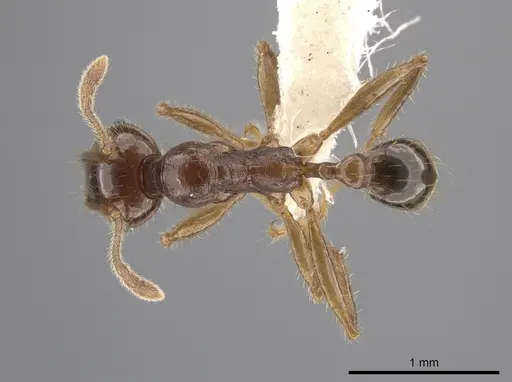
JTLC000015103
View on AntWeb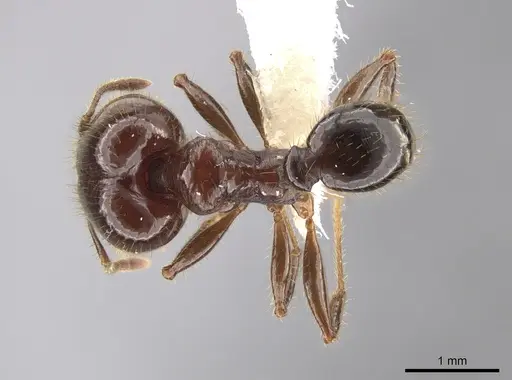
Literature
Loading distribution map...Loading products...