
Pheidole nubicola
- Sci. Name
- Pheidole nubicola
- Tribe
- Attini
- Subfamily
- Myrmicinae
- Author
- Wilson, 2003
- Distribution
- Found in 1 countries
Introduction
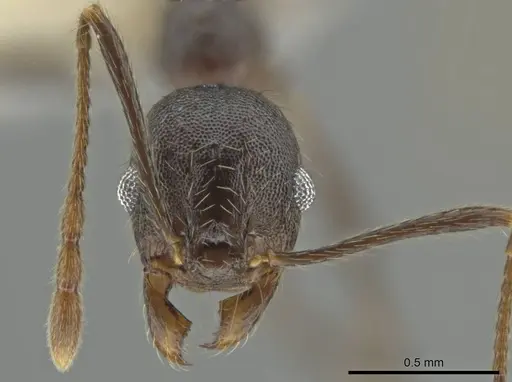
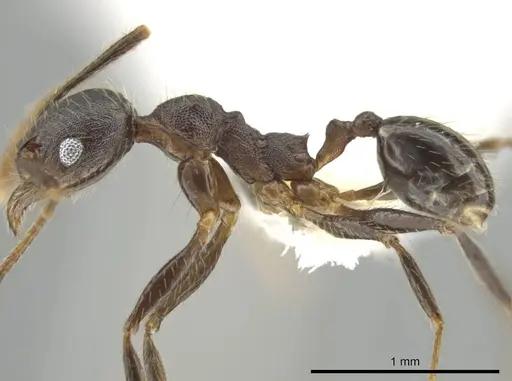
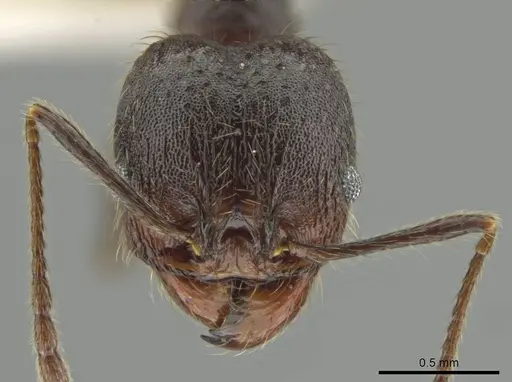
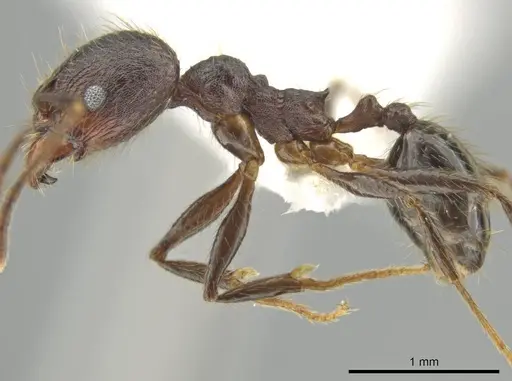
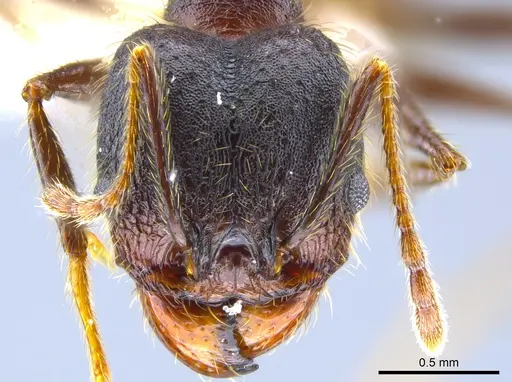
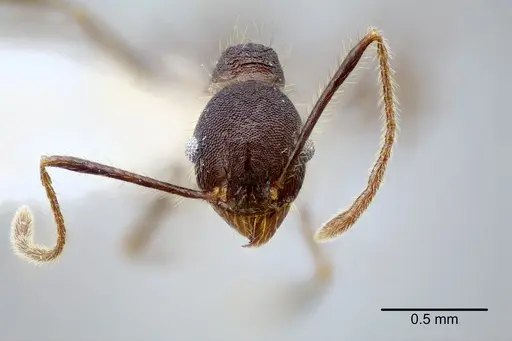
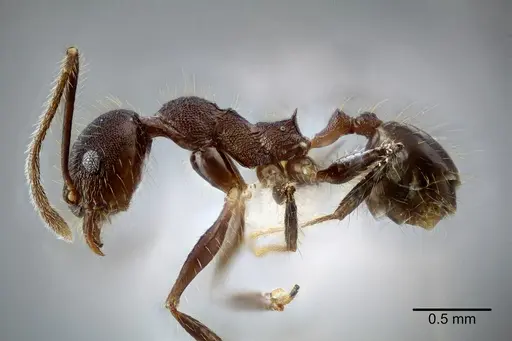
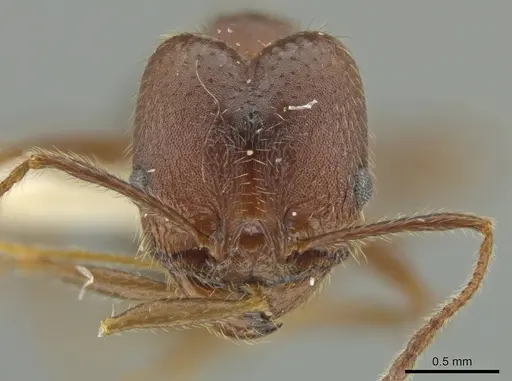
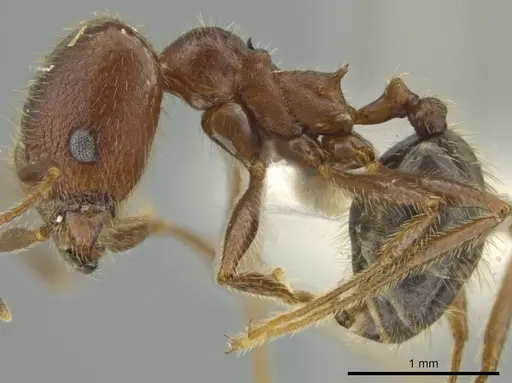
Pheidole nubicola is a small ant species endemic to the cloud forests of eastern Mexico. The name 'nubicola' means 'cloud-dweller' in Latin, referring to its mountain habitat at elevations between 1000-2000 meters . This species belongs to the fallax group and has two worker castes: majors with bicolored heads and minors that are entirely medium brown . Body size data is unavailable, but from genus patterns, workers are small. The species was originally described as three separate species but these were later synonymized . This species adapts to human disturbance, found in urban green spaces . It is a generalist omnivore and nests in rotting logs or under stones in humid forests .
Quick Summary
- Difficulty: Medium
- Origin & Habitat: Endemic to eastern Mexico, found in Tamaulipas, Veracruz, Puebla, Estado de México, and Querétaro at elevations of 1000-2000m in tropical cloud forest [1][2].
- Colony Type: Unconfirmed, based on Pheidole genus patterns, likely single-queen colonies
- Size & Growth:
- Queen: Size data unavailable, inferred from Pheidole genus (~6-8 mm)
- Worker: Size data unavailable, inferred from Pheidole genus patterns (minors smaller than majors)
- Colony: Up to several hundred workers (estimated from genus patterns)
- Growth: Moderate
- Development: 6-8 weeks (estimated from genus patterns at optimal temperature) (Development time is temperature-dependent. Major workers take longer to develop than minors due to their larger size.)
- Antkeeping:
- Temperature: Based on cloud forest habitat, keep around 20-24°C. Avoid temperatures above 28°C [1].
- Humidity: Keep nest substrate consistently moist but not waterlogged, based on natural nesting habits [2].
- Diapause: Unknown, based on geographic range, likely no diapause required.
- Nesting: In nature, nest in rotting logs or under stones [2]. In captivity, use Y-tong or naturalistic setup with damp substrate.
- Behavior: Workers are active foragers that collect seeds, small insects, and honeydew [4]. Majors help process larger food items. They are non-aggressive and rarely sting. Escape risk is moderate due to small size. The species shows tolerance to urban environments [3].
- Common Issues: mold growth due to high humidity requirements, ensure proper ventilation and avoid overwatering, colonies may stagnate if kept too cool, maintain warm temperatures for growth, majors may not appear until colony reaches a certain size, be patient, wild-caught colonies may have parasites, quarantine and observe new colonies, overfeeding can lead to mold in the outworld, remove uneaten food promptly
Nest Preferences
In the wild, Pheidole nubicola nests in rotting logs or under stones in humid cloud forest habitat [2]. Colonies prefer locations with consistent moisture and protection from direct sunlight. In captivity, provide a nest with multiple chambers filled with damp substrate. A Y-tong nest with a water reservoir or a naturalistic setup with soil works well. The nesting material should hold moisture without becoming waterlogged. These ants do best with tight chambers scaled to their small size.
Feeding and Diet
Pheidole nubicola is a generalist omnivore, accepting a wide variety of foods [4]. In captivity, offer protein sources like small insects twice weekly and sweet liquids like sugar water. They also accept seeds. Remove uneaten food promptly to prevent mold. Fresh water should always be available.
Temperature and Care
This species prefers cooler temperatures reflecting its cloud forest origin [1]. Keep the nest at 20-24°C, with a slight gradient if possible. Avoid temperatures above 28°C. Room temperature in most homes is suitable, but heating may be needed in winter. They do not require hibernation, but may slow down in cooler months.
Behavior and Temperament
These ants are peaceful and easy to handle. Workers forage actively during the day. Major workers help process larger food items. They are not aggressive and rarely sting. The species shows tolerance to urban environments [3]. Standard escape prevention works well.
Growth and Development
Colonies start with a queen who raises the first brood alone. The first workers appear after 6-8 weeks at optimal temperature. After emergence, the queen resumes egg-laying and the colony grows steadily. Major workers begin appearing once the colony reaches a certain size. Growth rate is moderate under good conditions. [1]
Frequently Asked Questions
How long does it take for Pheidole nubicola to have first workers?
Expect first workers in about 6-8 weeks after the queen lays eggs, assuming temperatures around 22-24°C. This is typical for Pheidole species.
What do Pheidole nubicola ants eat?
They are generalist omnivores. Offer protein like small insects twice weekly and constant access to sugar water or honey [4].
What temperature do Pheidole nubicola need?
Keep them at 20-24°C based on their cloud forest habitat [1]. Avoid temperatures above 28°C.
Are Pheidole nubicola good for beginners?
They are moderate difficulty, requiring attention to humidity. They are peaceful and accept a wide variety of foods.
How big do Pheidole nubicola colonies get?
Based on typical Pheidole patterns, colonies can reach up to several hundred workers.
Can I keep multiple Pheidole nubicola queens together?
This species is likely monogyne, so combining queens is not recommended. However, colony type is unconfirmed.
Do Pheidole nubicola need hibernation?
No, based on their tropical range, they likely do not require diapause.
What humidity level do Pheidole nubicola need?
Keep the nest substrate consistently moist but not waterlogged, based on their natural nesting habits [2].
When should I move Pheidole nubicola to a formicarium?
Keep them in a test tube setup during founding. Once the colony has 50-100 workers and the queen is active, move to a formicarium.
Why are my Pheidole nubicola dying?
Common causes include low humidity, high temperatures, mold, or parasites from wild-caught colonies. Check temperature and humidity first.
Where is Pheidole nubicola found in the wild?
This species is endemic to eastern Mexico at elevations of 1000-2000m in cloud forest habitat [1].
Report an Issue
The current care sheet is based fully on literature. See inconsistencies, or something that's incorrect? Please , it will be resolved after review from an admin. Contributing to the blogs tab also helps providing information, to make us be able to further improve the caresheets. Thank you for your support!
References

This caresheet is licensed under CC BY-SA 4.0 .
Community Blogs
CASENT0640820
View on AntWeb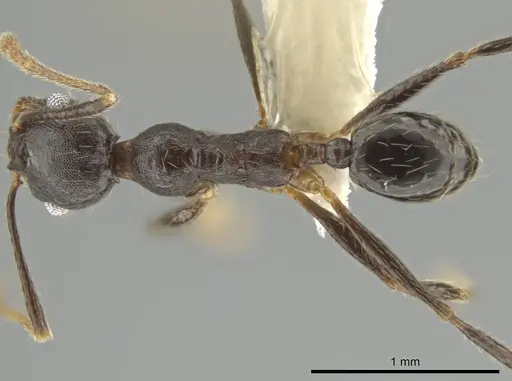
CASENT0640821
View on AntWeb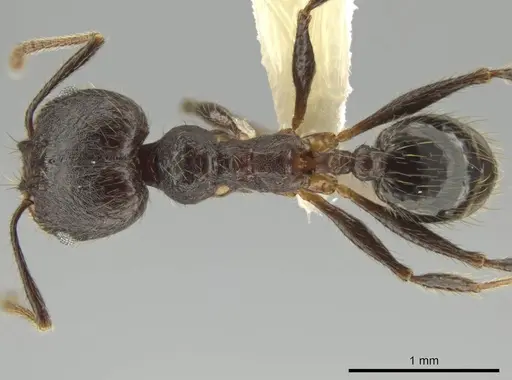
CASENT0641060
View on AntWeb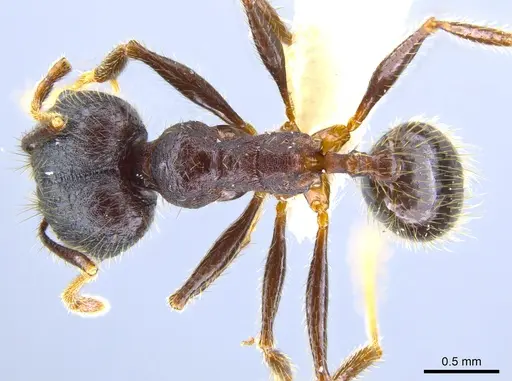
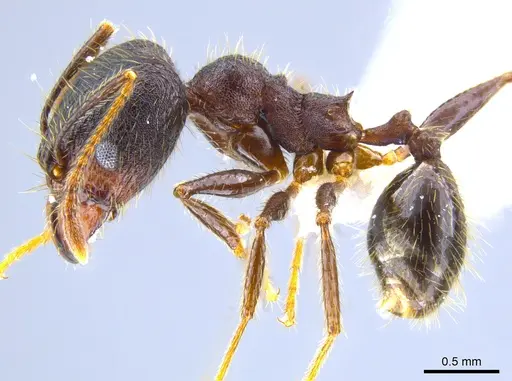
CASENT0645852
View on AntWeb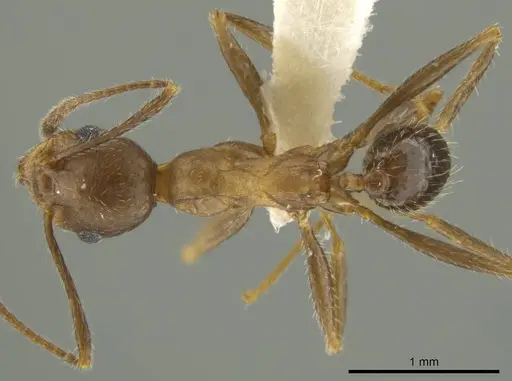
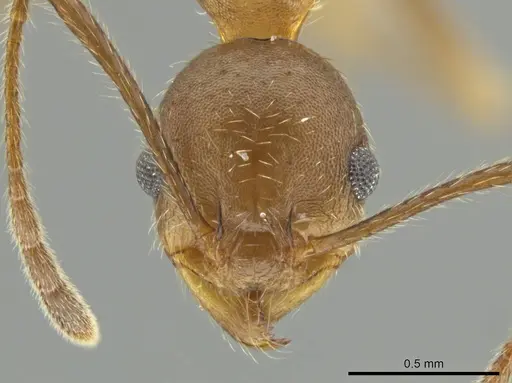
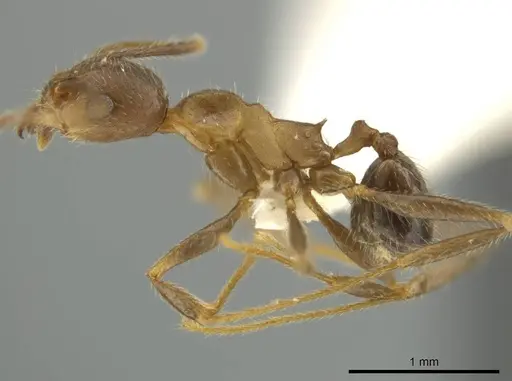
CASENT0649611
View on AntWeb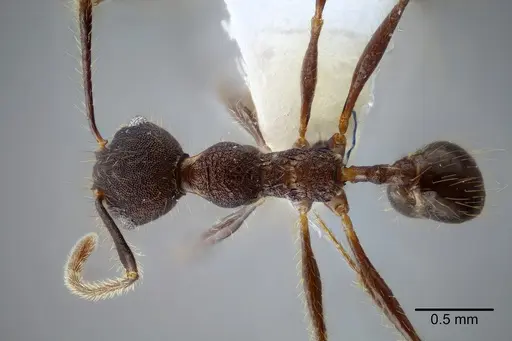
JTLC000016492
View on AntWeb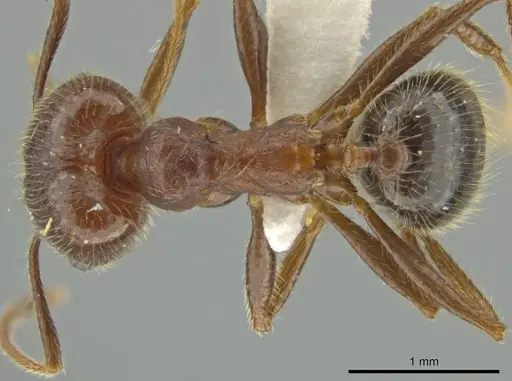
Literature
Loading distribution map...Loading products...