
Pheidole nodgii
- Sci. Name
- Pheidole nodgii
- Tribe
- Attini
- Subfamily
- Myrmicinae
- Author
- Forel, 1905
- Distribution
- Found in 2 countries
Introduction
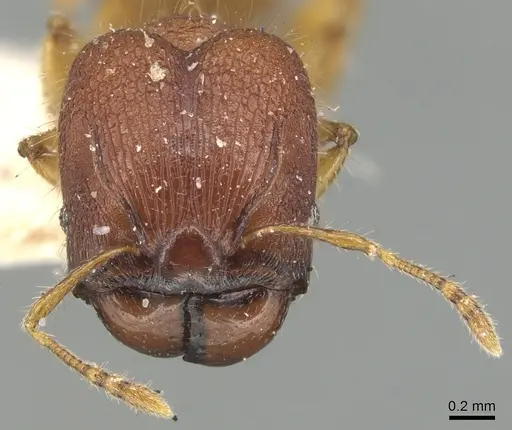
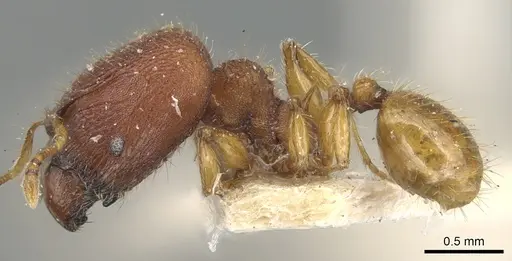
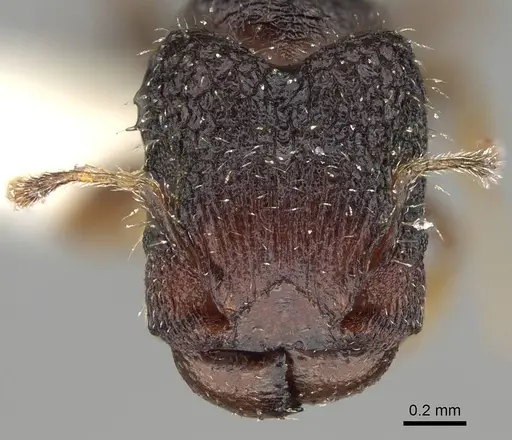
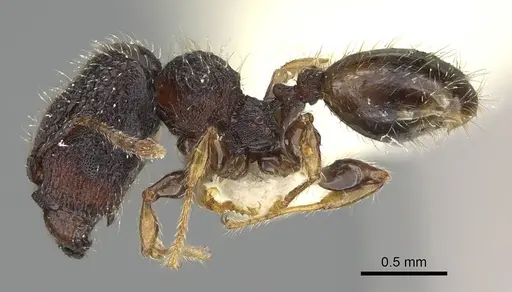
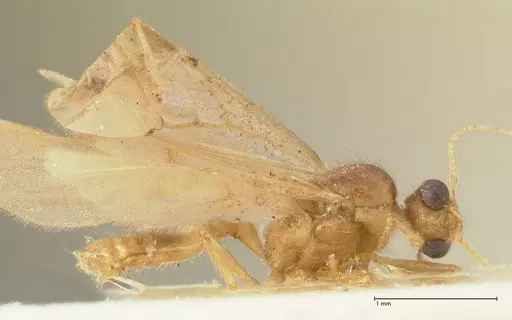
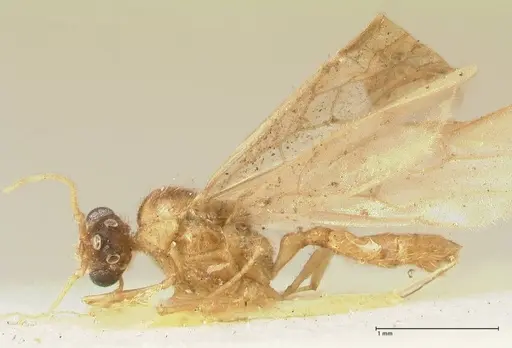
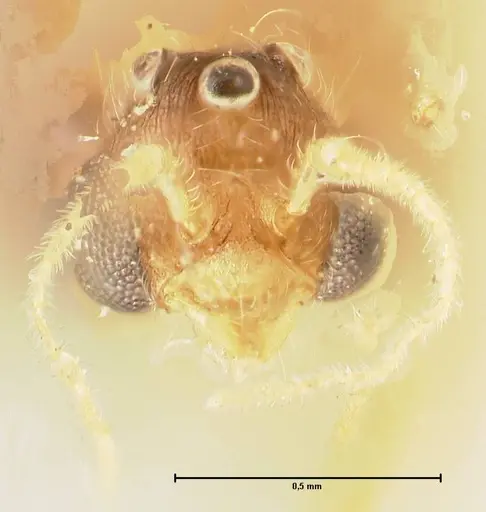
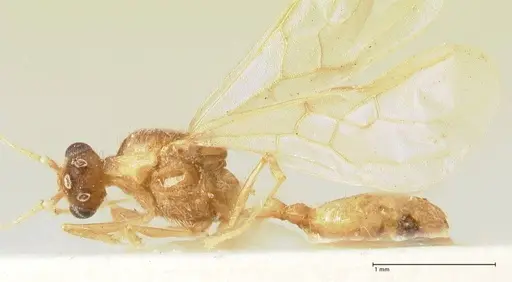
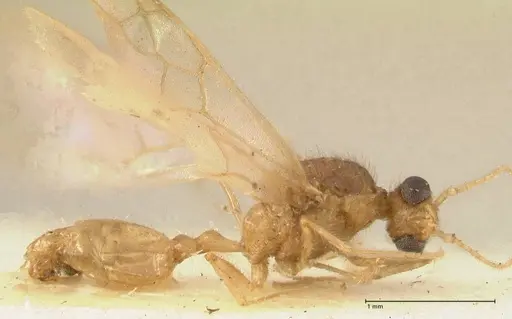
Pheidole nodgii is a small myrmicine ant native to Java, Indonesia and Singapore . It belongs to the genus Pheidole, which has a two-caste system with major and minor workers. Body size data is unavailable for this species. First described by Forel in 1905,it is closely related to Pheidole magrettii and Pheidole tjibodana, with a subspecies P. nodgii verlatenensis .
Quick Summary
- Difficulty: Medium
- Origin & Habitat: Native to Java, Indonesia and Singapore. Colonies nest under flower pots and beneath fallen trees on the ground, often covered with earth [1][2].
- Colony Type: Unconfirmed colony structure. No specific data on queen number or social system.
- Size & Growth:
- Queen: Size data unavailable [3]
- Worker: Size data unavailable [3]
- Colony: Unknown
- Growth: Moderate, inferred from typical Pheidole genus patterns
- Development: Estimated 6-8 weeks at optimal temperature, based on typical Pheidole patterns (Development timeline is not documented for this species. Estimates are based on genus-level data for tropical Pheidole ants.)
- Antkeeping:
- Temperature: Keep warm, roughly 24-28°C, as this species is from tropical regions
- Humidity: Keep nest substrate consistently moist but not waterlogged, based on their natural nesting sites [1][2]
- Diapause: No, as a tropical species from near the equator
- Nesting: Use Y-tong or plaster nests with a hydration port to maintain moisture. Mimic natural sheltered sites by providing dark chambers [1][2]
- Behavior: Non-aggressive toward humans. Minor workers handle foraging and brood care, while major workers defend the nest. Escape risk is high due to very small worker size.
- Common Issues: escape prevention is critical due to very small worker size, care is based on genus-level estimates since species-specific biology is undocumented, humidity control is important to prevent drying or mold, slow colony growth may frustrate beginners, wild-caught colonies may have parasites or diseases
Nest Preferences and Housing
Pheidole nodgii nests under flower pots and fallen trees covered with earth in the wild [1][2]. In captivity, use Y-tong or plaster nests that hold humidity well. Provide a moist substrate but avoid waterlogging. Because minor workers are very small, ensure excellent escape prevention by sealing all gaps. Test tube setups work for founding queens but upgrade as the colony grows.
Feeding and Diet
As a Pheidole species, this ant is omnivorous. Offer protein sources like fruit flies or pinhead crickets 2-3 times per week, and keep sugar water available constantly. Minor workers forage, while majors help process larger prey. Remove uneaten food after 24-48 hours to prevent mold [3].
Temperature and Seasonal Care
Keep the nest at 24-28°C for optimal growth, as this species is from tropical regions. Use a heating mat if needed, but avoid direct sunlight or temperature spikes. No diapause is required.
Colony Development and Growth
Colony growth is moderate. The first workers may emerge in 6-8 weeks at optimal temperature. After the first workers, the colony slowly increases in size. Major workers appear as the colony grows, but specific timelines are unknown.
Behavior and Temperament
This species is non-aggressive and safe to handle. Minor workers handle daily tasks, while majors defend the nest. Escape risk is high due to small size, so ensure tight seals on all enclosures [3].
Frequently Asked Questions
How long does it take for Pheidole nodgii to produce first workers?
Based on typical Pheidole patterns, expect 6-8 weeks from egg to first worker at 24-28°C. The queen raises the first brood alone.
What do Pheidole nodgii ants eat?
They are omnivorous. Offer small insects for protein and sugar water constantly [3].
What temperature do Pheidole nodgii need?
Keep them at 24-28°C, as they are from tropical regions.
Do Pheidole nodgii need hibernation?
No, they do not require hibernation as a tropical species.
How big do Pheidole nodgii colonies get?
Colony size is unknown for this species, as no data is available.
Can I keep multiple Pheidole nodgii queens together?
This has not been documented. Most Pheidole species are single-queen, so it is safest to start with one queen.
Why are my Pheidole nodgii escaping?
Their very small size means they can squeeze through tiny gaps. Check all seals and use fine mesh if needed [2].
Is Pheidole nodgii good for beginners?
This species is rated Medium difficulty due to undocumented biology. They are small and non-aggressive, but escape risk and slow growth may challenge beginners.
When should I move my colony to a formicarium?
Move when the colony reaches 50-100 workers. Use a nest that maintains similar humidity to reduce stress.
Report an Issue
The current care sheet is based fully on literature. See inconsistencies, or something that's incorrect? Please , it will be resolved after review from an admin. Contributing to the blogs tab also helps providing information, to make us be able to further improve the caresheets. Thank you for your support!
References

This caresheet is licensed under CC BY-SA 4.0 .
Community Blogs
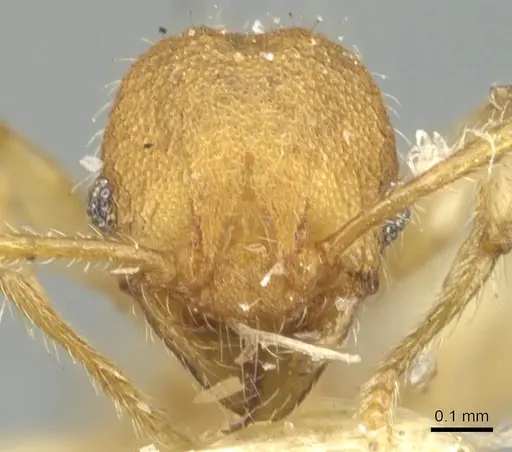
CASENT0904237
View on AntWeb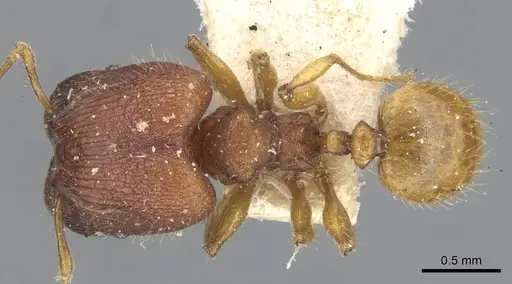
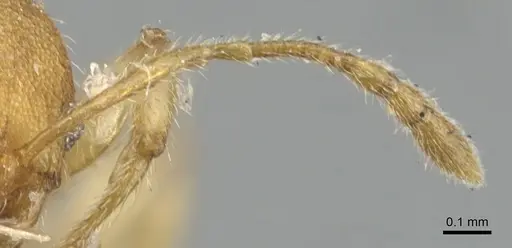
CASENT0904238
View on AntWeb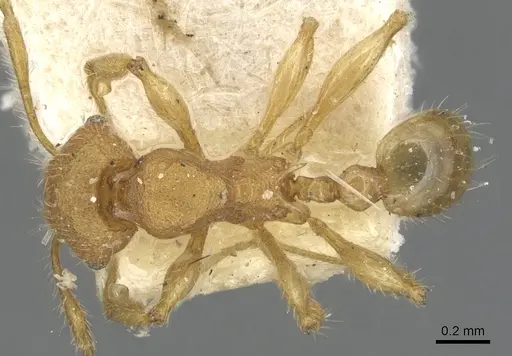
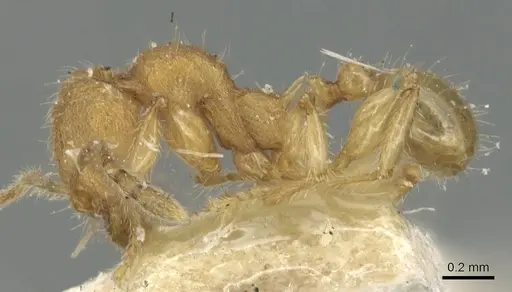
CASENT0907979
View on AntWeb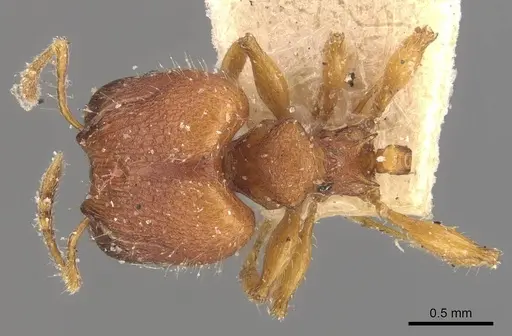
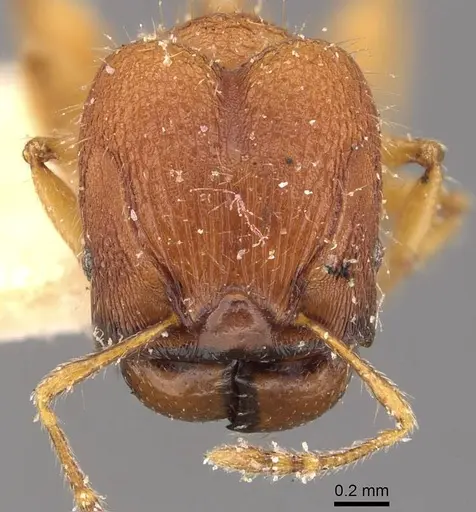
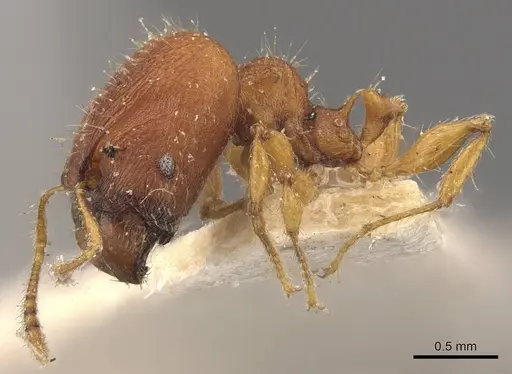
CASENT0907980
View on AntWeb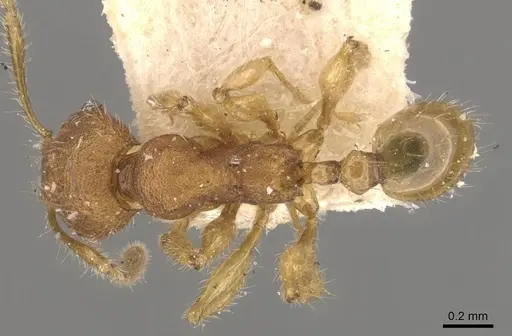
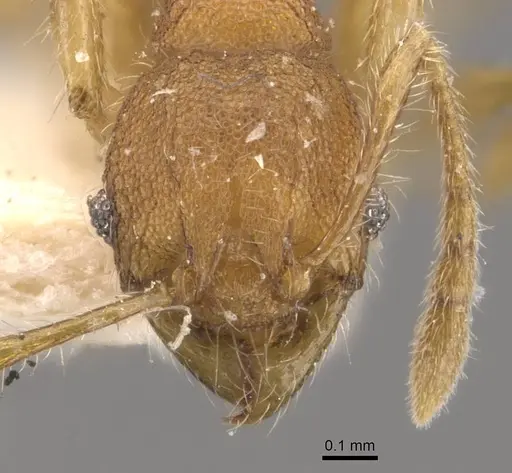
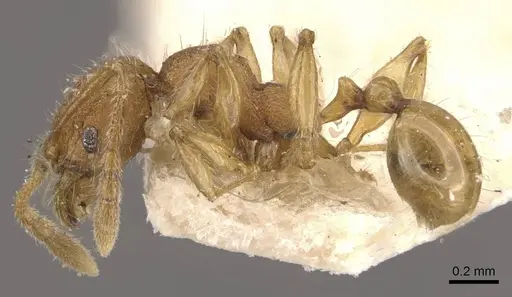
CASENT0919938
View on AntWeb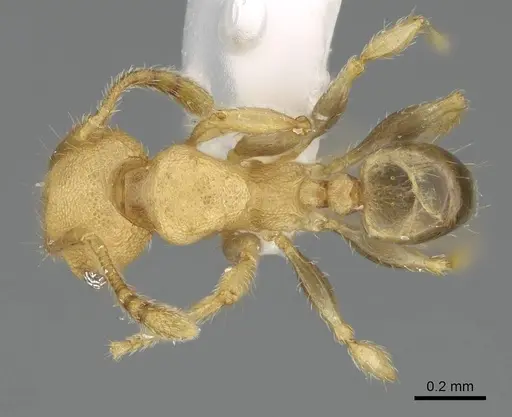
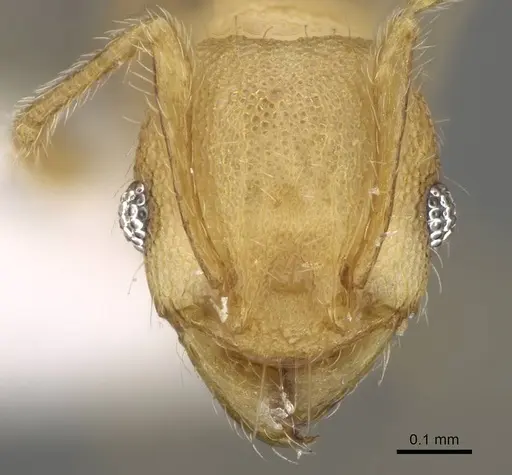
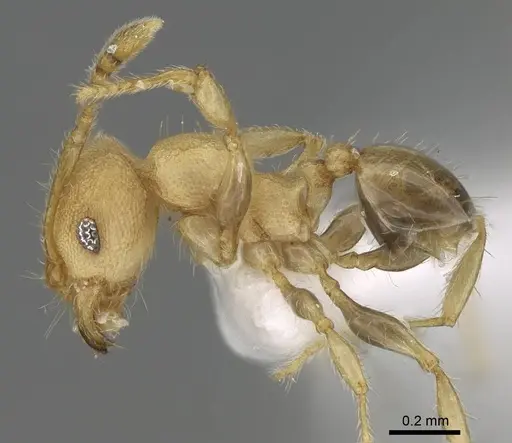
CASENT0919939
View on AntWeb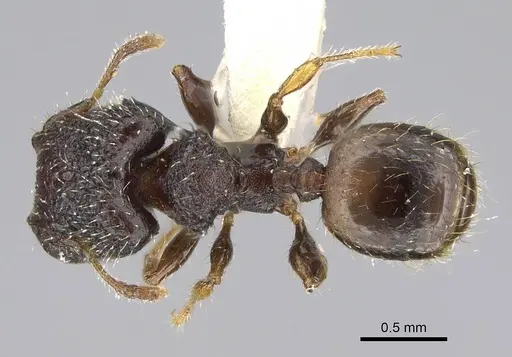
FOCOL1362
View on AntWeb
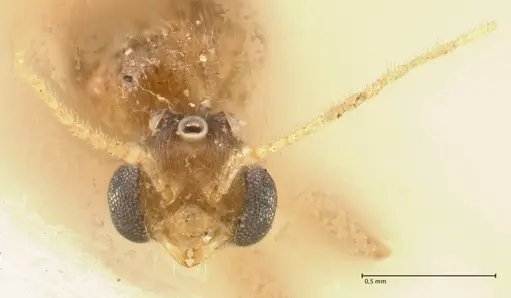
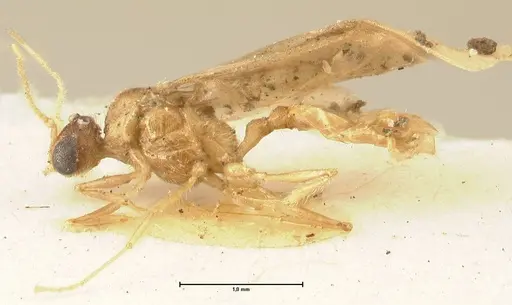
FOCOL1363
View on AntWeb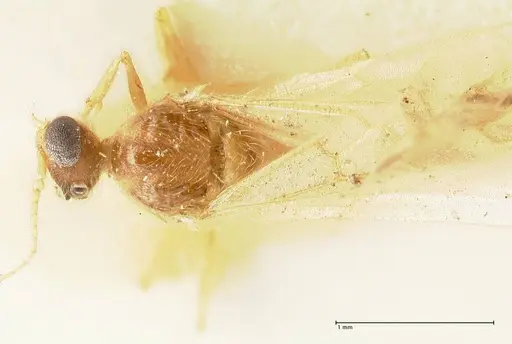
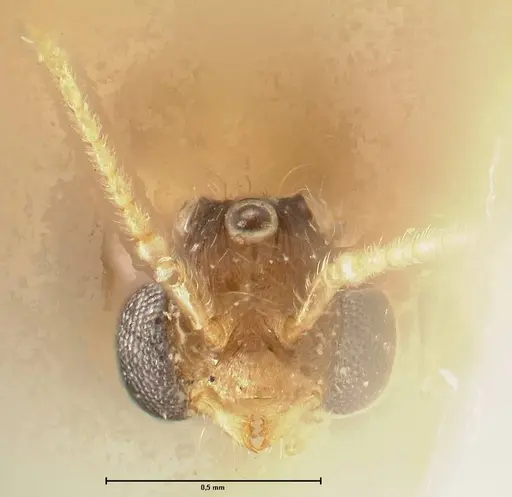
FOCOL1364
View on AntWeb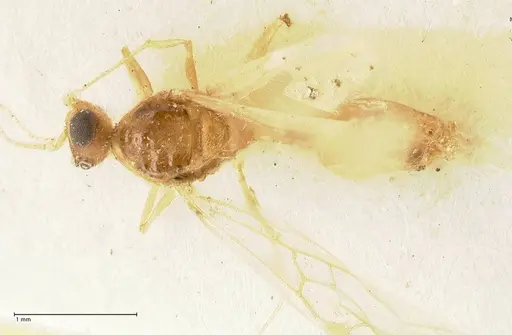
Literature
Loading distribution map...Loading products...