
Pheidole nitidula
- Sci. Name
- Pheidole nitidula
- Tribe
- Attini
- Subfamily
- Myrmicinae
- Author
- Emery, 1888
- Distribution
- Found in 2 countries
Introduction
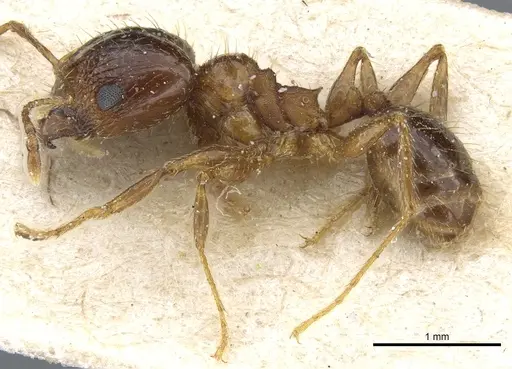
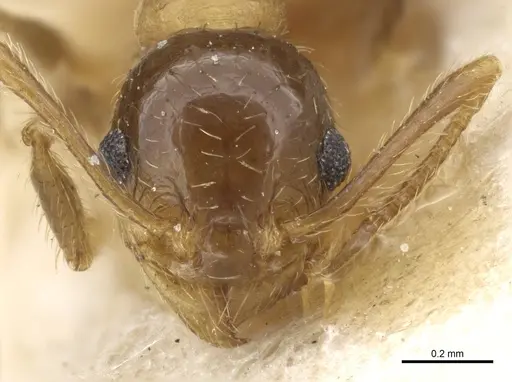
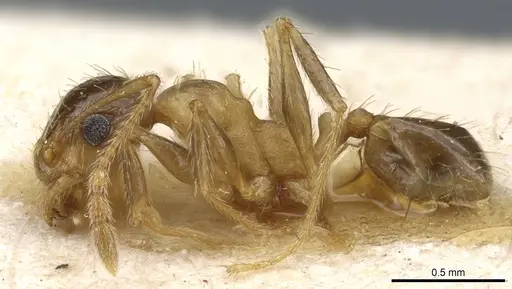
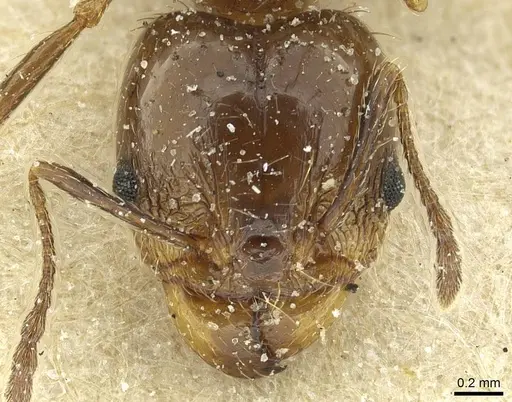
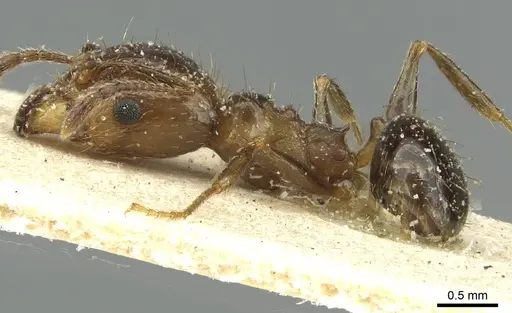
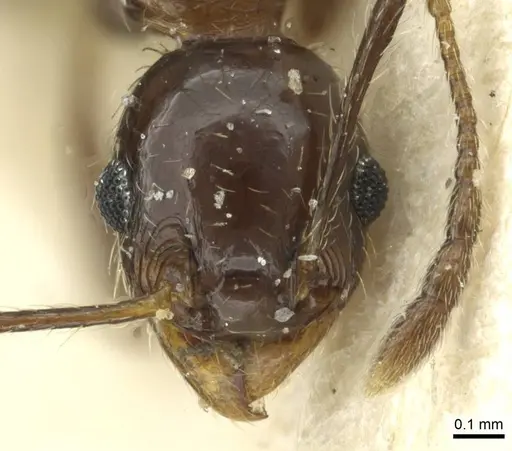
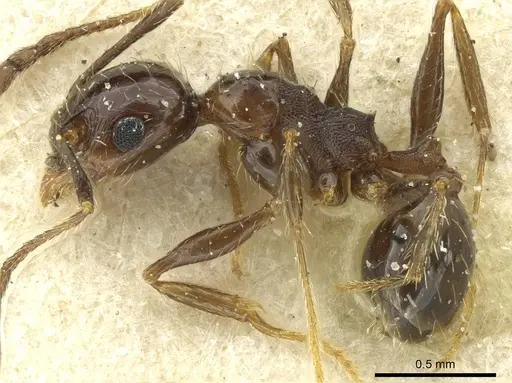
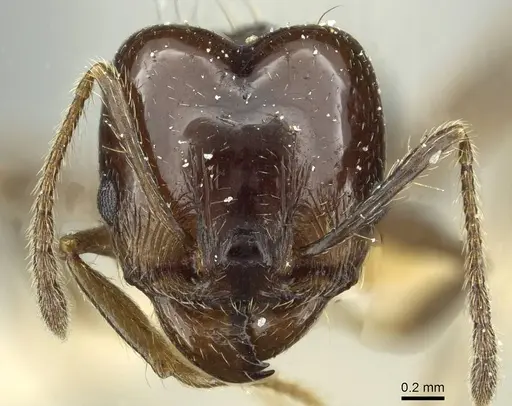
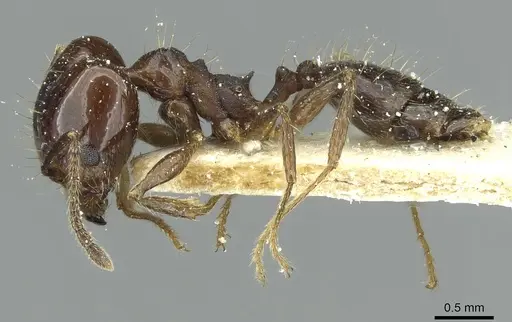
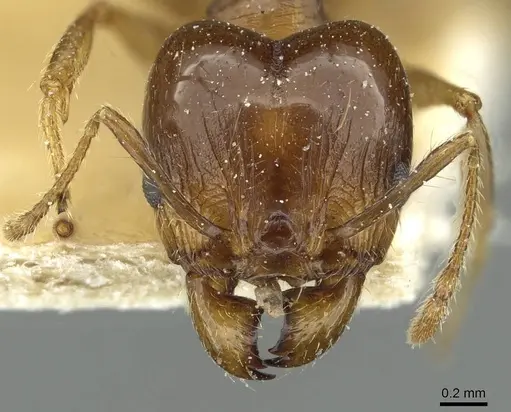
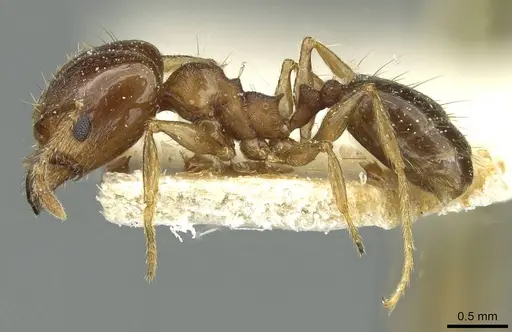
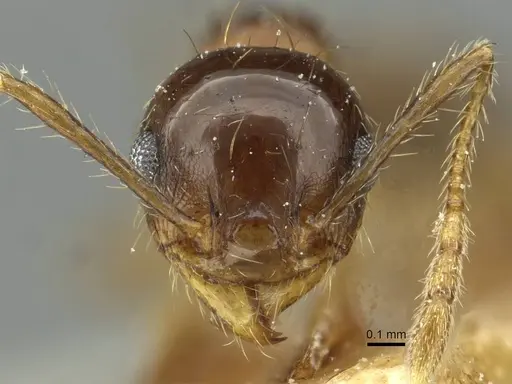
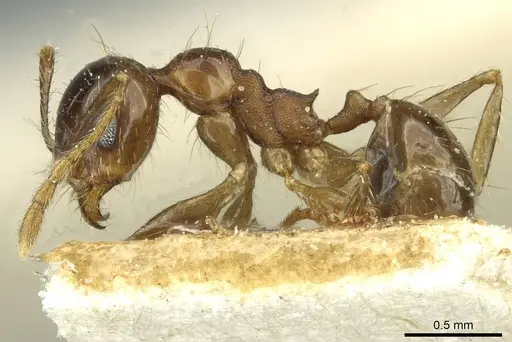
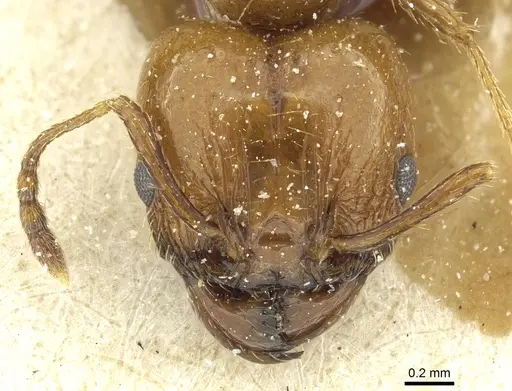
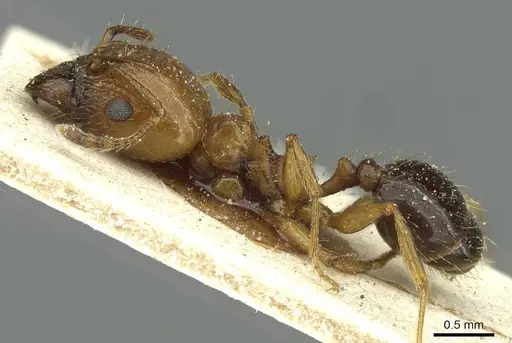
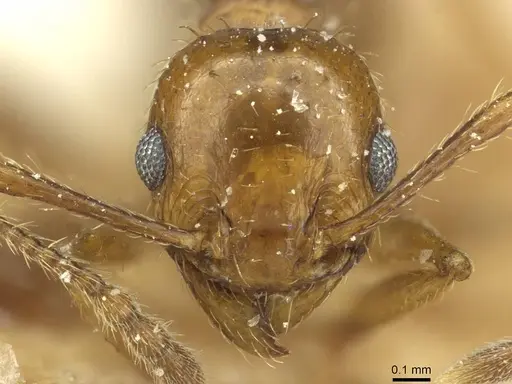
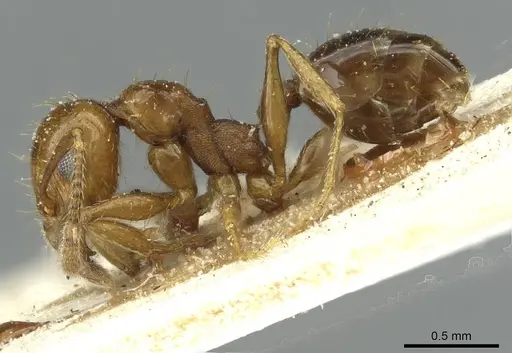
Pheidole nitidula is a small ant species in the fallax group, native to grasslands of southern South America. Majors are reddish-brown and minors are medium brown, but body size data is unavailable from current research. It is found in Argentina and Brazil, including provinces like Buenos Aires, Santa Fe, and Misiones . This species is known to be host to the social parasite Pheidole acutidens .
Quick Summary
- Difficulty: Medium
- Origin & Habitat: Native to Neotropical grasslands in Argentina (Buenos Aires, Córdoba, Misiones, Salta) and Brazil (Rio Grande do Sul, Rio de Janeiro), inhabiting low grassland, high grassland, and Cerrado habitats [1][2][3].
- Colony Type: Colony structure is unconfirmed. Based on typical Pheidole patterns, likely single-queen colonies, but this is inferred [5].
- Size & Growth:
- Queen: Size data unavailable
- Worker: Size data unavailable
- Colony: Up to several hundred workers, estimated from typical Pheidole patterns [5]
- Growth: Moderate
- Development: 6-8 weeks, estimated based on related Pheidole species [5] (Development time is estimated, no specific study exists for this species.)
- Antkeeping:
- Temperature: Keep warm, around 24-28°C, inferred from subtropical habitat [1]
- Humidity: Keep nest substrate consistently moist but not waterlogged, based on grassland ecology [1]
- Diapause: Unknown, subtropical range suggests no true diapause, but unconfirmed
- Nesting: Test tubes work for founding colonies, for established colonies, use Y-tong or plaster nests with moderate humidity, inferred from genus patterns [5]
- Behavior: Pheidole nitidula is generally peaceful but majors defend aggressively if threatened. Minor workers are small, so escape prevention is critical. Inferred from genus patterns [5].
- Common Issues: escape prevention is critical due to small worker size, colonies may be slow to establish, patience is needed, wild-caught colonies may carry parasites that can harm the colony, overfeeding can lead to mold in nest setups, majors develop slowly, expect gradual growth
Nest Preferences and Setup
Start colonies in test tube setups with water and cotton plug. Once established, move to Y-tong or plaster nests for better humidity control. Provide a humidity gradient, keep nest areas moist and foraging areas drier. Avoid acrylic nests, use soil-based or 3D-printed nests instead. This is inferred from typical Pheidole nesting preferences [5].
Feeding and Diet
Pheidole nitidula is a generalist forager. Offer protein sources like small insects 2-3 times per week, and seeds such as millet for carbohydrates. Always provide sugar water or honey water. Remove uneaten food promptly to prevent mold. Major workers help process food but do not forage outside the nest [5].
Temperature and Seasonal Care
Maintain temperatures between 24-28°C for optimal growth. A heating cable can create a gradient, but provide cooler areas for ants to regulate. No specific diapause data exists, but subtropical species may slow down in cooler months [1].
Behavior and Colony Dynamics
Colonies produce minor workers first, then majors as they mature. Majors defend the nest aggressively if disturbed. Foraging is primarily by minor workers. This species is not highly aggressive toward keepers, but escape risk is high due to small size [5].
Growth and Development
Growth is moderate, colonies may remain small for the first year. Development timeline is estimated based on related species. Patience is key during founding, which can take several months [5].
Common Problems and Solutions
Escape prevention is critical, use fine mesh and tight lids. Mold can occur from overfeeding, ensure proper humidity. Wild-caught colonies may have parasites, quarantine new colonies. If colonies seem stagnant, maintain consistent care and avoid early panic [5].
Frequently Asked Questions
How long does it take for Pheidole nitidula to produce first workers?
Expect 6-8 weeks from founding to first workers at optimal temperatures, estimated based on related Pheidole species [5].
What do Pheidole nitidula ants eat?
They are generalist foragers. Offer small insects for protein and seeds for carbohydrates, with sugar water always available [5].
Can I keep multiple Pheidole nitidula queens together?
Not recommended, as colony structure is unconfirmed and Pheidole species typically form single-queen colonies. House queens alone until workers emerge [5].
What temperature do Pheidole nitidula need?
Keep them warm at 24-28°C, inferred from their subtropical habitat [1].
Are Pheidole nitidula good for beginners?
They are moderate difficulty due to small size and slow growth. Proper temperature and patience are key [5].
When should I move my colony to a formicarium?
Move when the colony reaches 30-50 workers or the test tube is cramped, using gradual transition to Y-tong or plaster nests [5].
Why are my Pheidole nitidula dying?
Common causes include low temperature, improper humidity, escapes, parasites from wild-caught colonies, or mold from overfeeding. Check these factors and quarantine new colonies [5].
Do they need hibernation?
Diapause is unknown, subtropical species may not require true hibernation, but a brief slowdown in cooler months may be natural [5].
How big do Pheidole nitidula colonies get?
Colony size is unconfirmed, but estimated up to several hundred workers based on typical Pheidole patterns [5].
Report an Issue
The current care sheet is based fully on literature. See inconsistencies, or something that's incorrect? Please , it will be resolved after review from an admin. Contributing to the blogs tab also helps providing information, to make us be able to further improve the caresheets. Thank you for your support!
References

This caresheet is licensed under CC BY-SA 4.0 .
Community Blogs
CASENT0904327
View on AntWeb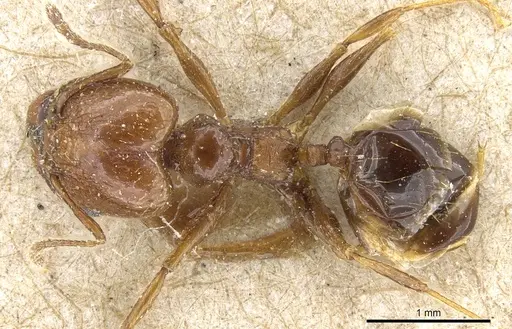
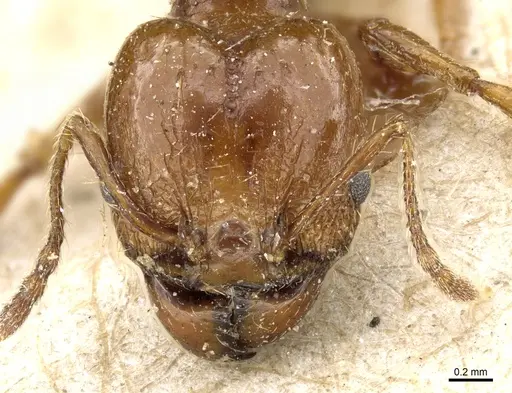
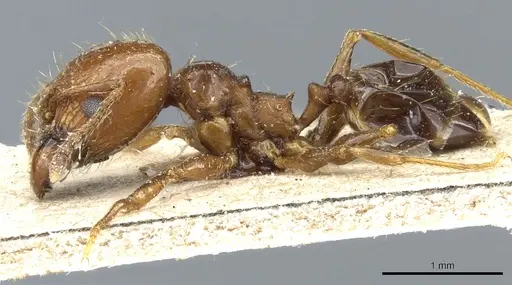
CASENT0904328
View on AntWeb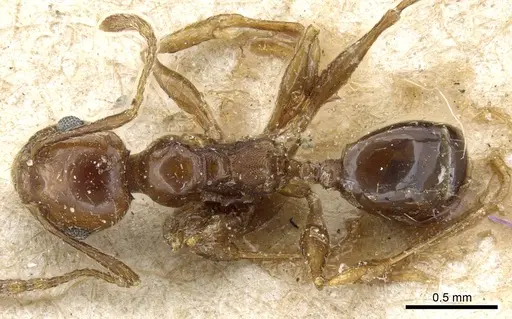
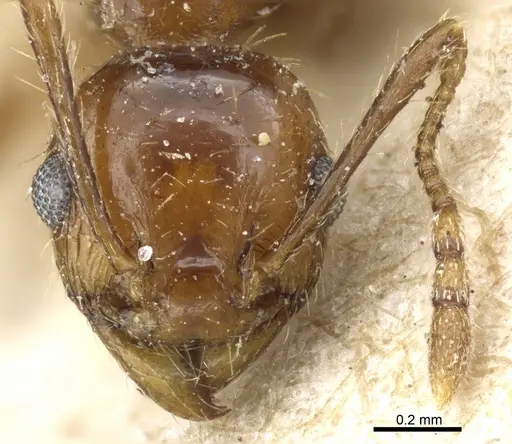
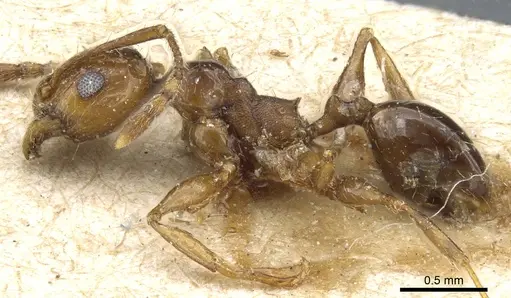
CASENT0904388
View on AntWeb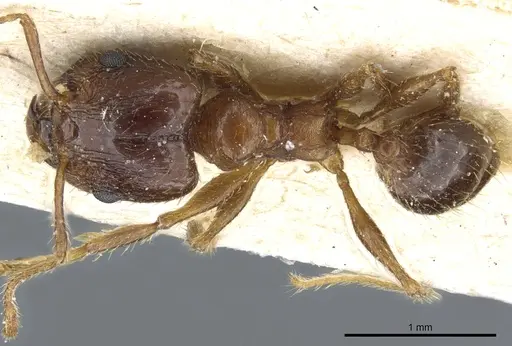
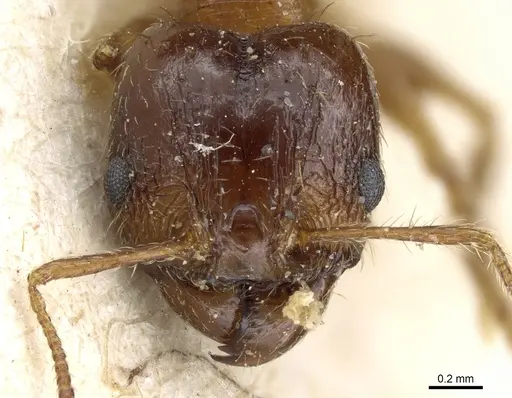
CASENT0904389
View on AntWeb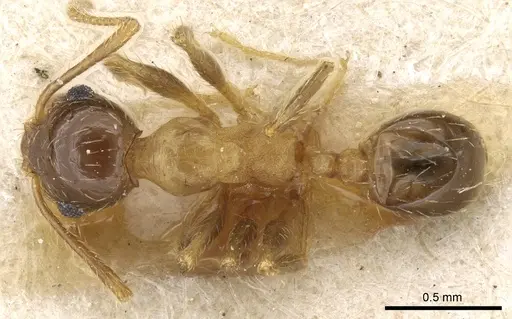
CASENT0913358
View on AntWeb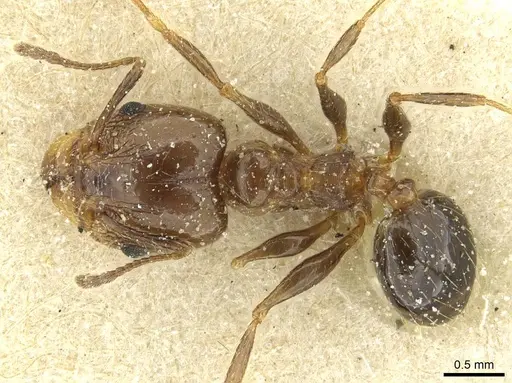
CASENT0913359
View on AntWeb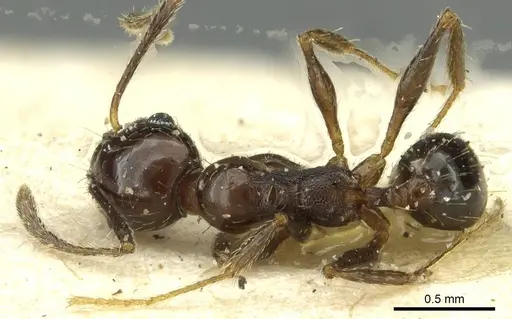
CASENT0913362
View on AntWeb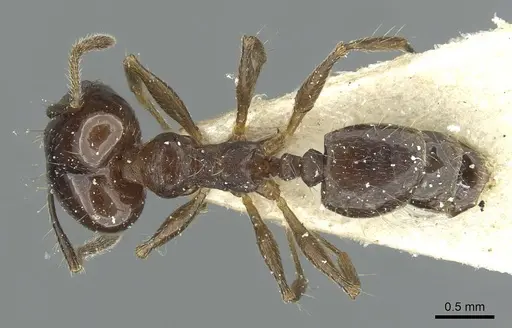
CASENT0913363
View on AntWeb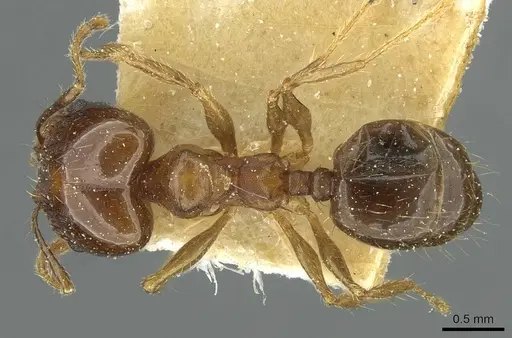
CASENT0913364
View on AntWeb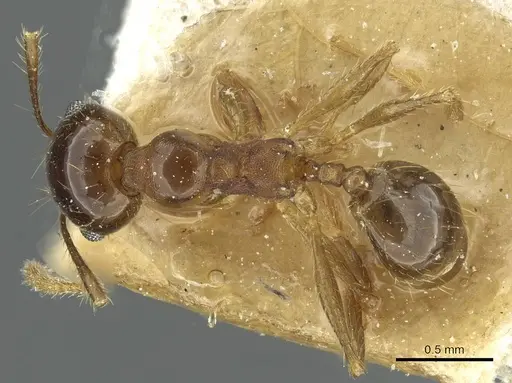
CASENT0913365
View on AntWeb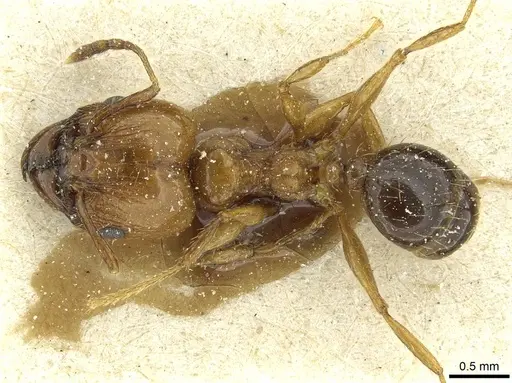
CASENT0913366
View on AntWeb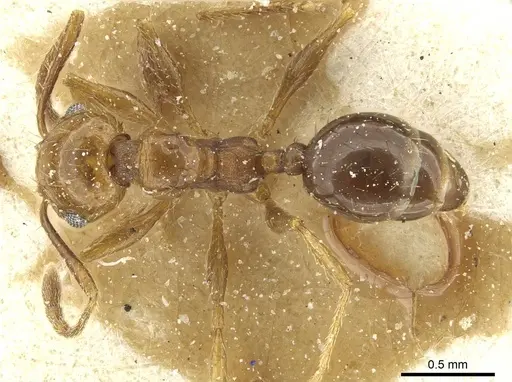
Literature
Loading distribution map...Loading products...