
Pheidole nitella
- Sci. Name
- Pheidole nitella
- Tribe
- Attini
- Subfamily
- Myrmicinae
- Author
- Wilson, 2003
- Distribution
- Found in 7 countries
Introduction
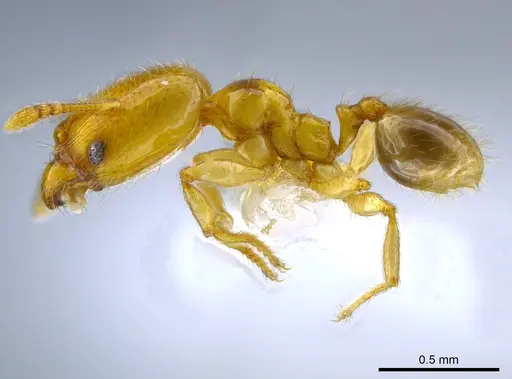
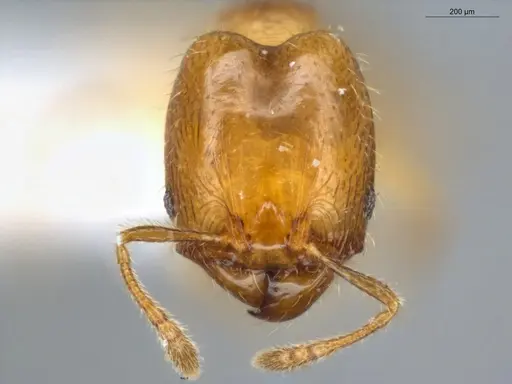
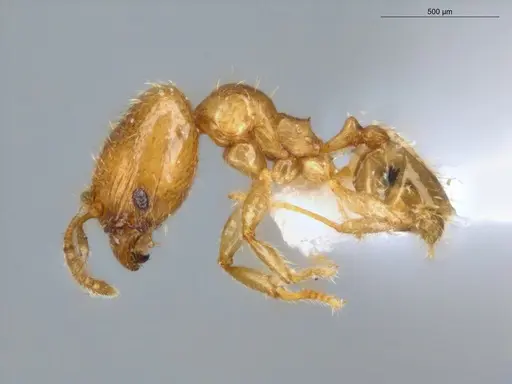
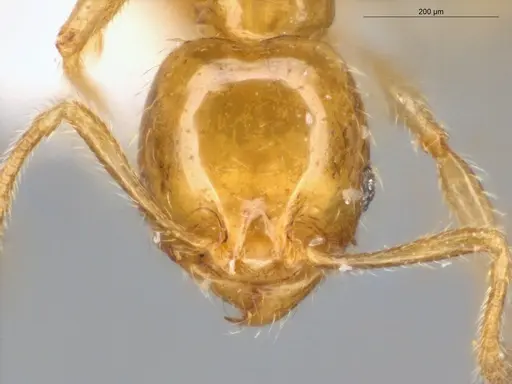
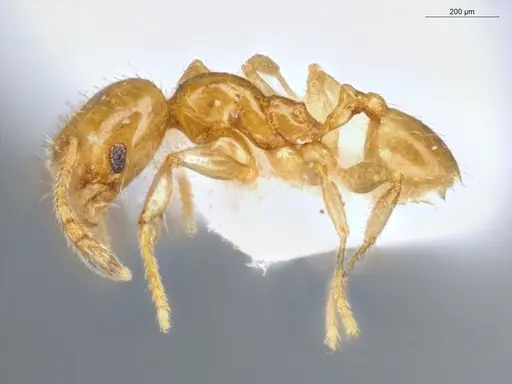
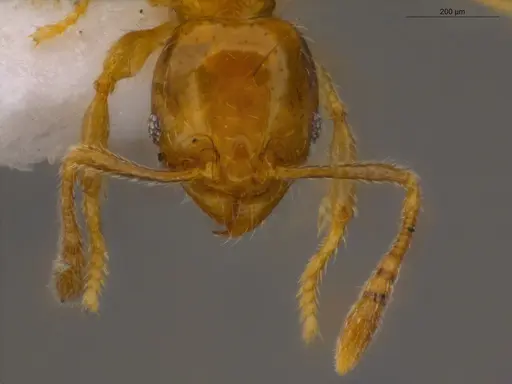
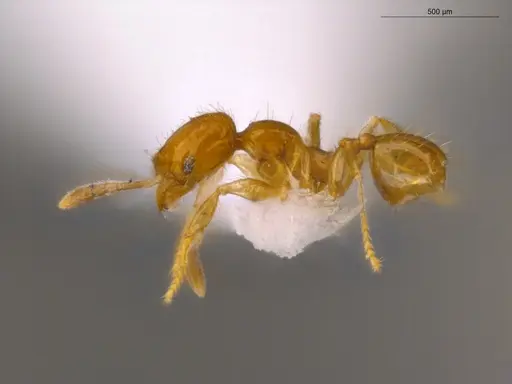
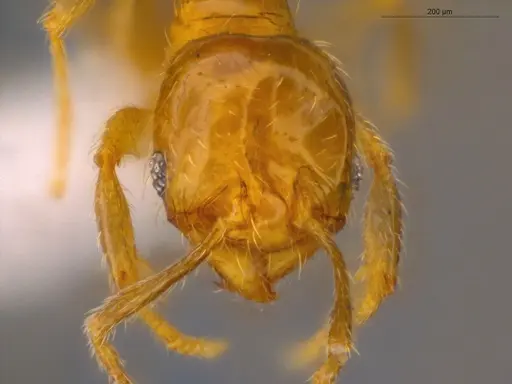
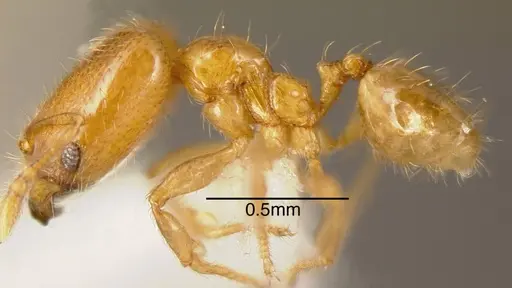
Pheidole nitella is a small, dimorphic ant species native to Central and South American rainforests. Major and minor workers are uniform medium yellow with smooth, glossy bodies . This species nests in small cavities in dead and live wood on the forest floor and in the low arboreal zone . It occurs in Neotropical regions including Costa Rica, Guatemala, Colombia, Ecuador, Peru, and Brazil . P. nitella is known for seed caching behavior, indicating granivory, and ranks among the top 10 most abundant ground-dwelling ants in Amazonian Ecuador .
Quick Summary
- Difficulty: Medium
- Origin & Habitat: Atlantic slope of Costa Rica at 300-1000m elevation, with populations in Guatemala, Colombia, Ecuador, Peru, and Brazil. This rainforest species nests in small wood cavities on the forest floor and in low arboreal zones [2][1].
- Colony Type: Colony structure is unconfirmed. Based on Pheidole genus patterns, likely monogyne (single queen), but specific data for P. nitella is lacking [2].
- Size & Growth:
- Queen: Size data unavailable, no published measurements.
- Worker: Size data unavailable, inferred from Pheidole genus patterns [2].
- Colony: Up to several thousand workers, estimated from genus patterns [2].
- Growth: Moderate to fast, inferred from tropical conditions.
- Development: Estimated 5-8 weeks at 24-28°C, inferred from genus patterns [2]. (Development time is based on typical Pheidole patterns in warm, humid environments.)
- Antkeeping:
- Temperature: Keep at 24-28°C, inferred from tropical rainforest habitat [2].
- Humidity: Keep nest substrate consistently moist but not waterlogged, based on rainforest nesting habits [2].
- Diapause: No, tropical species do not require hibernation [2].
- Nesting: Prefers humid wood cavities, use Y-tong or naturalistic nests with damp substrate [2].
- Behavior: Generally peaceful and non-aggressive. Minor workers are small and require excellent escape prevention due to their size [2].
- Common Issues: mold risk due to high humidity, ensure good ventilation while maintaining moisture [2]., escape risk because minor workers are tiny, use fine mesh barriers [2]., temperature sensitivity, avoid drops below 22°C [2]., granivorous diet requires seed availability, supplement with protein sources [3]., limited species-specific data, care based partly on genus inference [2].
Housing and Nest Setup
Pheidole nitella needs humid nest conditions that mimic rainforest wood cavities. Use Y-tong (AAC) nests or naturalistic setups with damp substrate to maintain humidity [2]. Keep the nest material consistently moist but not waterlogged. Provide some wooden elements to encourage natural behavior. Outworld space should be adequate for foraging. Escape prevention is critical: minor workers are tiny, so use fine mesh (0.5mm or smaller) on ventilation and apply Fluon to barriers [2].
Feeding and Diet
Pheidole nitella is granivorous, with documented seed caches in natural nests [3][2]. Offer small seeds like millet or chia as a staple. Provide protein sources such as fruit flies or pinhead crickets 2-3 times per week. Sugar water can be offered occasionally. Remove uneaten seeds to prevent mold [3][2].
Temperature and Humidity
As a tropical species, keep temperatures between 24-28°C year-round. Use a heating cable for a gentle gradient. Avoid temperatures below 22°C. Maintain high humidity by keeping the nest substrate moist and using a water reservoir [2].
Colony Development
Colonies grow through egg, larva, pupa, and adult stages. Major workers appear as the colony matures. Based on typical Pheidole patterns, expect 5-8 weeks from egg to first worker at optimal temperatures [2]. The dimorphic caste system develops naturally [5].
Behavior and Temperament
Pheidole nitella is calm and not aggressive toward keepers. They are active foragers that search for seeds and small prey. Major workers help process food, while minors handle foraging. Escape risk is high due to small size, so secure barriers are essential [2][6].
Frequently Asked Questions
How long does it take for Pheidole nitella to produce first workers?
Estimated 5-8 weeks from egg to first worker at 24-28°C, based on genus patterns [2].
Can I keep Pheidole nitella in a test tube setup?
Test tubes can work for founding, but move to a humid nest like Y-tong as the colony grows [2].
What do Pheidole nitella ants eat?
They are granivorous, offer small seeds and protein like insects [3][2].
Are Pheidole nitella good for beginners?
Medium difficulty due to humidity and escape prevention needs [2].
How big do Pheidole nitella colonies get?
Up to several thousand workers, estimated from genus patterns [2].
Do Pheidole nitella need hibernation?
No, as a tropical species, they do not require diapause [2].
When should I move Pheidole nitella to a formicarium?
Move when the colony has 30-50 workers or the test tube dries out, using humid nests [2].
Why are my Pheidole nitella escaping?
Minor workers are very small, use fine mesh and secure barriers [2].
Can I keep multiple Pheidole nitella queens together?
Not recommended without specific data, as most Pheidole are monogyne [2].
Report an Issue
The current care sheet is based fully on literature. See inconsistencies, or something that's incorrect? Please , it will be resolved after review from an admin. Contributing to the blogs tab also helps providing information, to make us be able to further improve the caresheets. Thank you for your support!
References

This caresheet is licensed under CC BY-SA 4.0 .
Community Blogs
CASENT0635499
View on AntWeb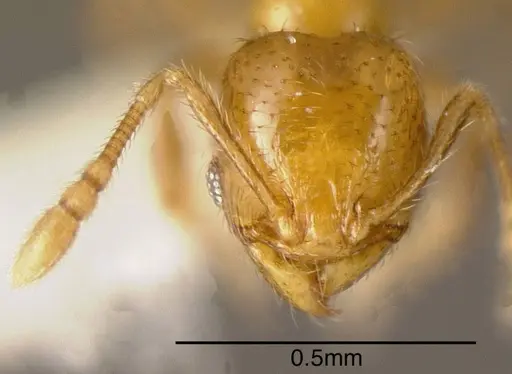
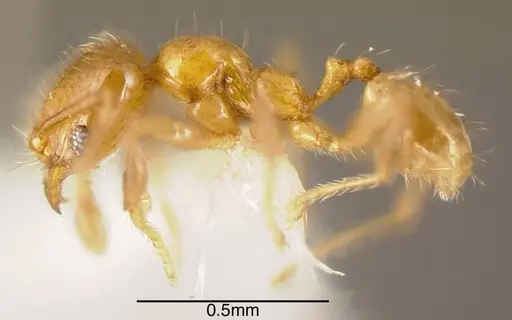
CASENT0637096
View on AntWeb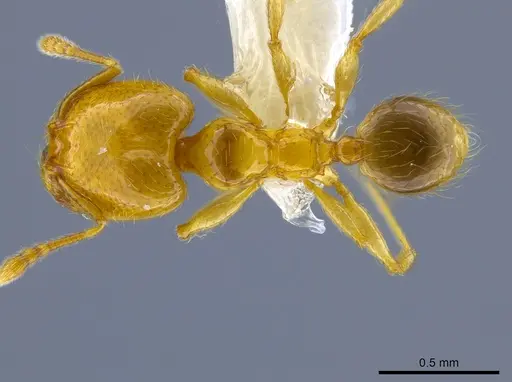
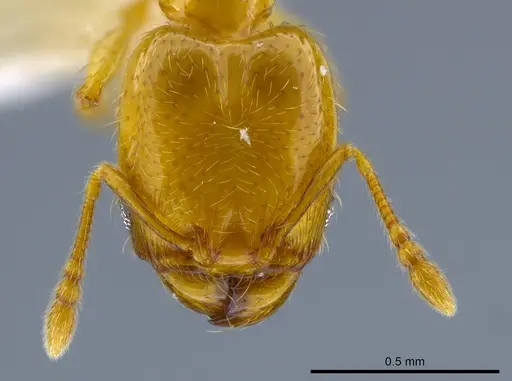
ECOFOG-KW14-0077-08-S
View on AntWeb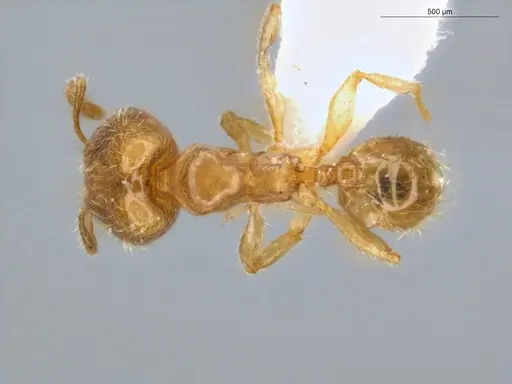
ECOFOG-KW14-0077-08
View on AntWeb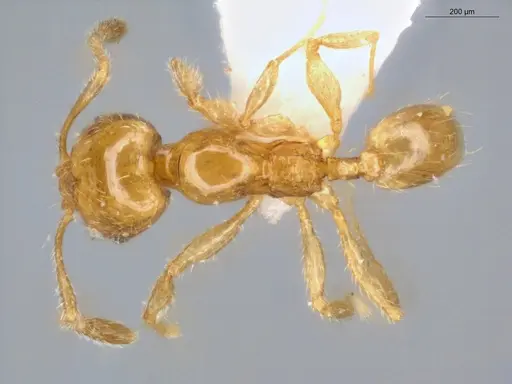
ECOFOG-MI15-0181-24
View on AntWeb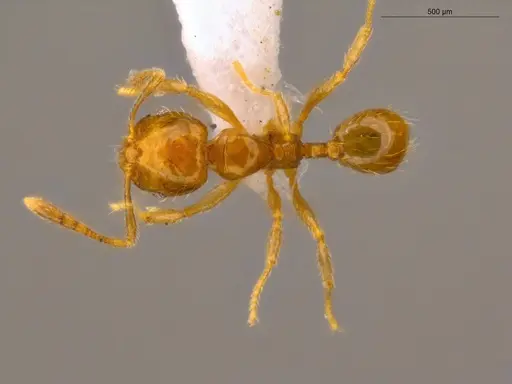
ECOFOG-MI15-0196-71
View on AntWeb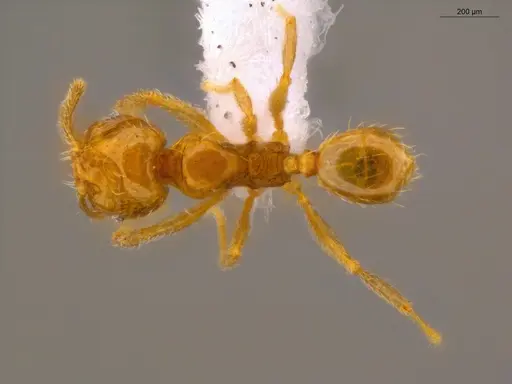
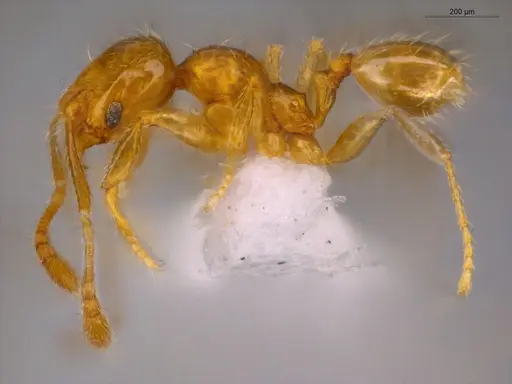
INBIOCRI001282703
View on AntWeb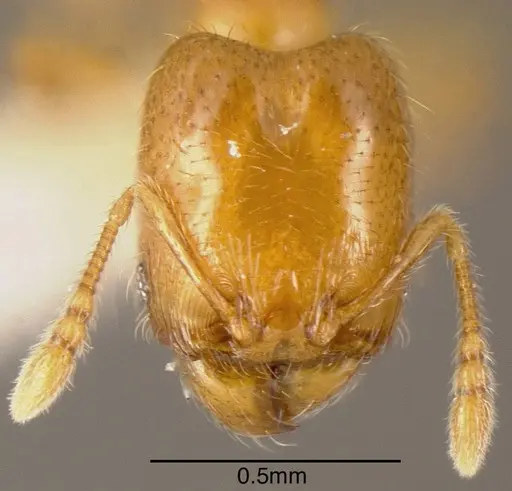
Literature
Loading distribution map...Loading products...