
Pheidole nigricula
- Sci. Name
- Pheidole nigricula
- Tribe
- Attini
- Subfamily
- Myrmicinae
- Author
- Wilson, 2003
- Distribution
- Found in 3 countries
Introduction
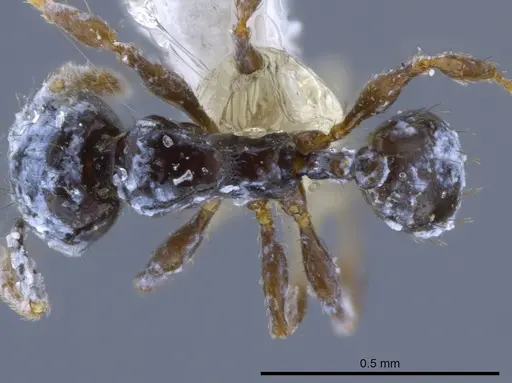
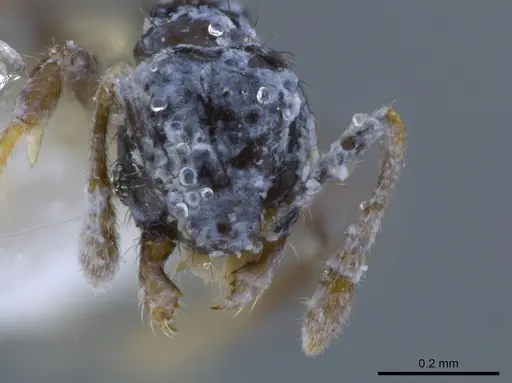
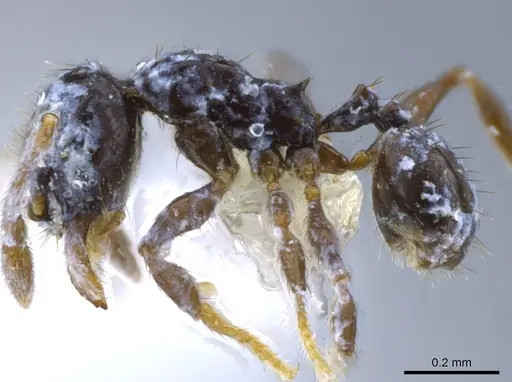
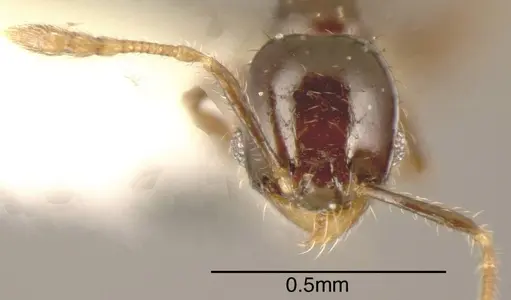
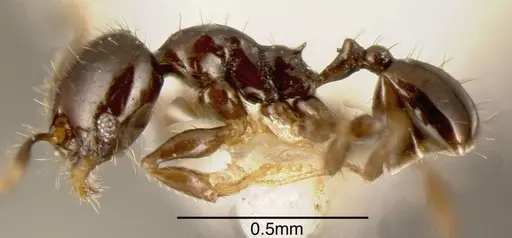
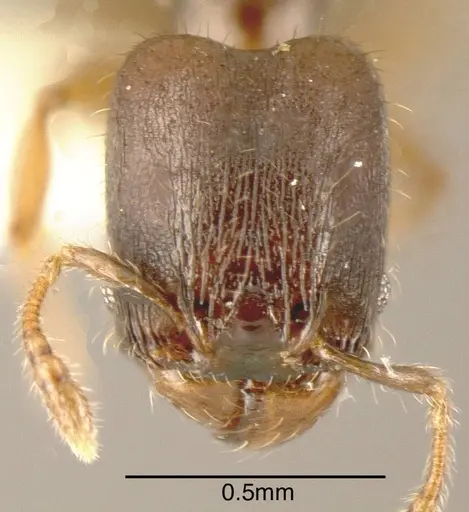
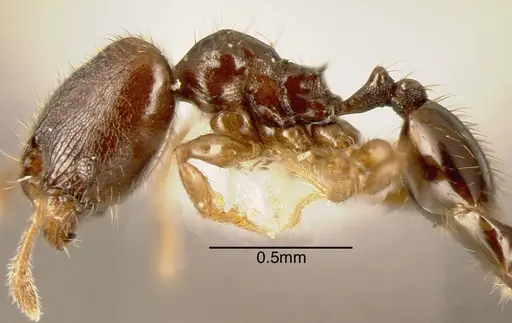
Pheidole nigricula is a tiny ant species native to the Neotropics, found in Costa Rica, Honduras, and Nicaragua . It inhabits mature rainforest in Atlantic lowlands up to 800 meters elevation, nesting in rotten hollow twigs in leaf litter on the forest floor . This species has distinct major and minor worker castes, with majors being blackish brown and minors nearly black . This ant is granivorous, meaning it collects and eats seeds, though it is considered an uncommon granivore compared to other ants in its range .
Quick Summary
- Difficulty: Medium
- Origin & Habitat: Atlantic lowlands to 800m elevation in Costa Rica, also Honduras and Nicaragua. Inhabits mature rainforest where it nests in rotten hollow twigs in leaf litter [1][2].
- Colony Type: Based on Pheidole patterns, likely monogyne with single-queen colonies, but this is unconfirmed for this species.
- Size & Growth:
- Queen: ~4-6 mm, inferred from Pheidole genus [1]
- Worker: ~2-4 mm, inferred from Pheidole genus [1]
- Colony: Up to several hundred workers, estimated based on related small Pheidole species
- Growth: Moderate, typical for small tropical Myrmicinae
- Development: 6-10 weeks, estimated based on typical Pheidole development at tropical temperatures (Development time is estimated as this species has not been directly studied in captivity.)
- Antkeeping:
- Temperature: Keep warm at roughly 24-28°C, inferred from tropical rainforest habitat [1]
- Humidity: Keep nest substrate consistently moist but not waterlogged, as they live in damp forest floor environments [1]
- Diapause: No, tropical species from lowland Costa Rica do not require hibernation
- Nesting: Twig-nesting species, prefer small, enclosed spaces like rotting twigs [1][3]
- Behavior: Based on Pheidole patterns, typically calm and non-aggressive, focusing on foraging. Escape risk is high due to tiny size.
- Common Issues: escape prevention is critical due to tiny size, they can squeeze through small gaps, tropical species require consistent warmth, cold temperatures slow development, high humidity needs can lead to mold if ventilation is inadequate, granivorous diet requires seed offerings once colony is established
Nest Preferences and Housing
Pheidole nigricula is a twig-nesting species, meaning it inhabits small cavities in rotting twigs on the forest floor [1][3]. In captivity, provide nests that mimic these tight spaces, such as Y-tong nests with narrow chambers or test tube setups. Avoid large open areas, as these tiny ants feel exposed. Ensure tight-fitting lids and use barriers like fluon to prevent escapes, as their small size allows them to squeeze through tiny gaps [1].
Feeding and Diet
This species is granivorous, so seeds form part of their diet [3]. During founding, offer protein like fruit flies or tiny insects. Once established, provide small seeds such as sesame or millet. Feed protein 2-3 times per week and remove uneaten food to prevent mold. Always provide fresh water.
Temperature and Humidity
As a tropical species, keep temperatures around 24-28°C with a gentle gradient [1]. Humidity is essential, keep substrate moist but not waterlogged, with good ventilation to avoid mold [1].
Behavior and Colony Structure
Pheidole nigricula has major and minor workers, with majors specialized for seed processing and minors for foraging [1]. The species is calm and not aggressive, focusing on foraging activities. Colonies start with a queen that raises the first brood alone, but founding behavior is unconfirmed. Escape risk is high due to tiny size.
Frequently Asked Questions
How long does it take for Pheidole nigricula to have first workers?
Based on typical Pheidole development at tropical temperatures, expect first workers in approximately 6-10 weeks after egg laying.
What do Pheidole nigricula ants eat?
They are granivorous, eating seeds in the wild. Feed small seeds like sesame or millet once established, along with protein sources like fruit flies [3].
Can I keep multiple Pheidole nigricula queens together?
This is likely a monogyne species, so combining queens may cause fighting. Only keep one queen per colony.
What temperature do Pheidole nigricula need?
Keep them warm at roughly 24-28°C, as they are tropical ants [1].
Are Pheidole nigricula good for beginners?
This is a medium-difficulty species due to humidity and escape prevention needs. Not recommended for absolute beginners.
When should I move Pheidole nigricula to a formicarium?
Start in a test tube setup. Transition to a small nest once the colony has 30-50 workers and is active. Do not rush the move.
Why are my Pheidole nigricula escaping?
Their tiny size means they can escape through small gaps. Use fine mesh, fluon barriers, and tight lid seals [1].
Do Pheidole nigricula need hibernation?
No, as a tropical species, they do not require hibernation. Keep them warm year-round [1].
How big do Pheidole nigricula colonies get?
Maximum colony size is unknown, but estimated to reach several hundred workers based on related species.
Report an Issue
The current care sheet is based fully on literature. See inconsistencies, or something that's incorrect? Please , it will be resolved after review from an admin. Contributing to the blogs tab also helps providing information, to make us be able to further improve the caresheets. Thank you for your support!
References

This caresheet is licensed under CC BY-SA 4.0 .
Community Blogs
Literature
Loading distribution map...Loading products...