
Pheidole nigeriensis
- Sci. Name
- Pheidole nigeriensis
- Tribe
- Attini
- Subfamily
- Myrmicinae
- Author
- Santschi, 1914
- Distribution
- Found in 3 countries
Introduction
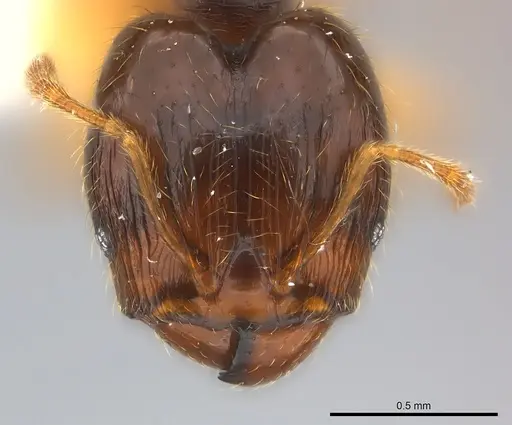
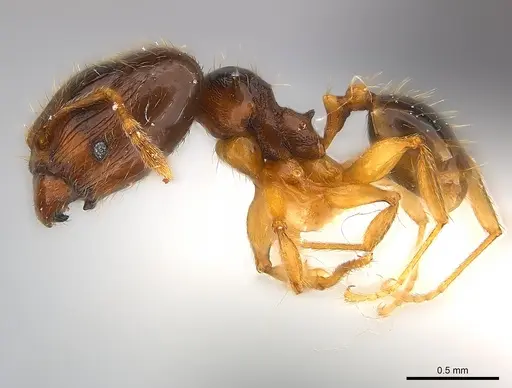
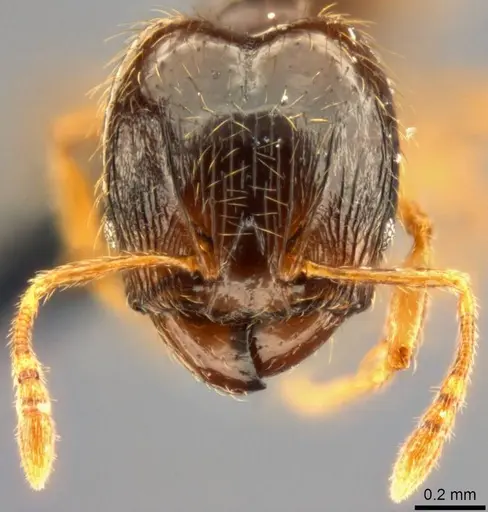
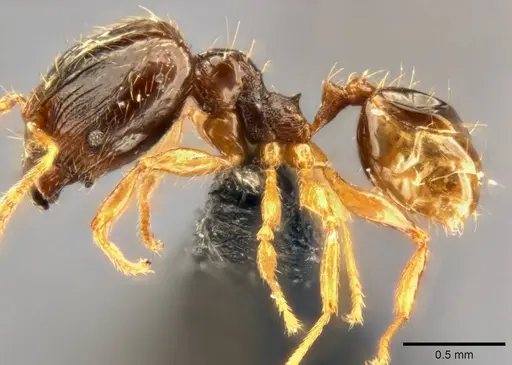
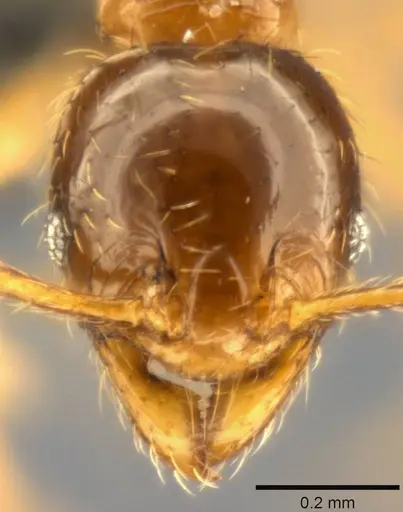
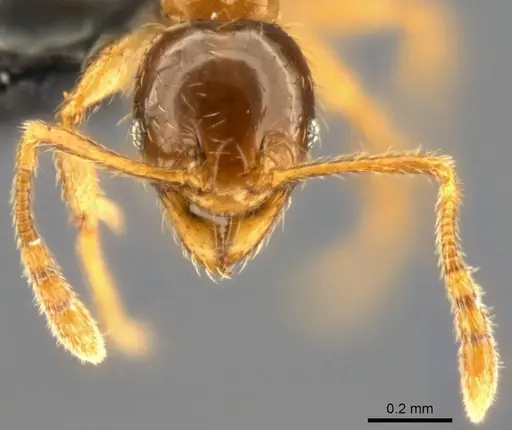
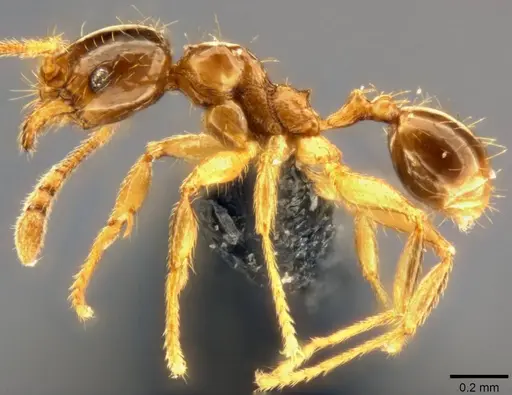
Pheidole nigeriensis is a species of big-headed ant in the genus Pheidole, found in East and West Africa including Kenya, Nigeria, and Uganda . Size data is unavailable for this species, but Pheidole workers are generally small. This species belongs to the nigeriensis group and is known for its polymorphic worker caste, with minor workers handling daily tasks and major workers (soldiers) specialized for defense and seed processing .
Quick Summary
- Difficulty: Easy
- Origin & Habitat: Tropical Africa, found in Kenya, Nigeria, and Uganda in forest edges, savanna margins, and disturbed areas [1].
- Colony Type: Colony structure is unconfirmed for this species, but based on Pheidole patterns, likely monogyne (single queen).
- Size & Growth:
- Queen: Size data unavailable
- Worker: Size data unavailable
- Colony: Unknown
- Growth: Moderate, inferred from Pheidole genus patterns
- Development: Unknown, no specific data available for this species. (Development time may vary with temperature.)
- Antkeeping:
- Temperature: Keep warm, roughly low-to-mid 20s°C, based on tropical habitat [1].
- Humidity: Keep nest substrate consistently moist but not waterlogged. No specific data available.
- Diapause: Unknown, as a tropical species, diapause is unlikely, but no research data.
- Nesting: Test tubes for founding, Y-tong, plaster, or soil nests for established colonies. Prefer dark, humid chambers.
- Behavior: Generally peaceful. Escape risk is moderate due to small size. No specific aggression data for this species.
- Common Issues: colonies may grow slowly initially, patience needed during founding., test tube setups can flood if water reservoirs are overfilled., wild-caught colonies may contain parasites that can devastate captive colonies., overfeeding can lead to mold issues in nest setups.
Nest Preferences
Pheidole nigeriensis likely nests in soil or under stones in its natural habitat across Kenya, Nigeria, and Uganda [1]. For captive care, test tubes work well for founding colonies, fill the tube about one-third with water, plug with cotton, and let the queen seal herself in a dark corner. Once the colony reaches a reasonable size, you can transition to a formicarium. Y-tong nests, plaster nests, or naturalistic setups with soil all work well for established colonies. They prefer compact, humid nest chambers rather than large open spaces. Keep the nest area dark, Pheidole prefer dim conditions.
Feeding and Diet
Diet data is unavailable for Pheidole nigeriensis. General Pheidole ants are seed-harvesters and foragers, but specific diet for this species is not documented [1].
Temperature and Care
As a tropical African species, Pheidole nigeriensis requires warm conditions. Keep the nest area at roughly low-to-mid 20s°C [1]. A heating cable placed on one side of the nest creates a temperature gradient. Avoid temperatures below 20°C for extended periods. Room temperature in most homes is often suitable, but monitor colony activity. Unlike temperate species, they do not require hibernation. Maintain moderate to high humidity in the nest substrate.
Behavior and Colony Structure
Pheidole ants have a polymorphic caste system. Minor workers handle most tasks: foraging, nursing brood, and maintaining the nest. Major workers (soldiers) have enlarged heads for cracking seeds and defense. Colonies are typically peaceful. Escape risk is moderate, use standard barrier techniques. [1]
Growth and Development
After mating, a queen may seal herself in a chamber (founding behavior unconfirmed). The first workers emerge after an unknown period. Colony growth is initially slow but accelerates as the worker population increases.
Frequently Asked Questions
How long does it take for Pheidole nigeriensis to have first workers?
No specific data available for this species. Based on related Pheidole patterns, development may take several weeks under warm conditions [1].
Can I keep multiple Pheidole nigeriensis queens together?
Not recommended, as colony structure is unconfirmed. Pheidole species are typically monogyne, and combining queens may result in fighting [1].
What do Pheidole nigeriensis eat?
Diet data is unavailable for this species. General Pheidole ants are seed-harvesters and foragers [1].
Are Pheidole nigeriensis good for beginners?
Yes, they are considered easy to keep. They are resilient, do not require hibernation, and are not aggressive [1].
What temperature do Pheidole nigeriensis need?
Keep them warm at roughly low-to-mid 20s°C, based on their tropical habitat [1].
When should I move my colony to a formicarium?
Move from test tube to formicarium once the colony is crowded, but no specific worker count is documented for this species.
How big do Pheidole nigeriensis colonies get?
Colony size is unknown for this species. Typical Pheidole colonies can reach hundreds to low thousands of workers [1].
Do they need a hibernation period?
No, as a tropical species, hibernation is unlikely, but no research data confirms this [1].
Why are some workers so much bigger than others?
This is due to polymorphic castes in Pheidole ants, with minor workers for daily tasks and major workers for defense and seed processing [1].
Report an Issue
The current care sheet is based fully on literature. See inconsistencies, or something that's incorrect? Please , it will be resolved after review from an admin. Contributing to the blogs tab also helps providing information, to make us be able to further improve the caresheets. Thank you for your support!
References

This caresheet is licensed under CC BY-SA 4.0 .
Community Blogs
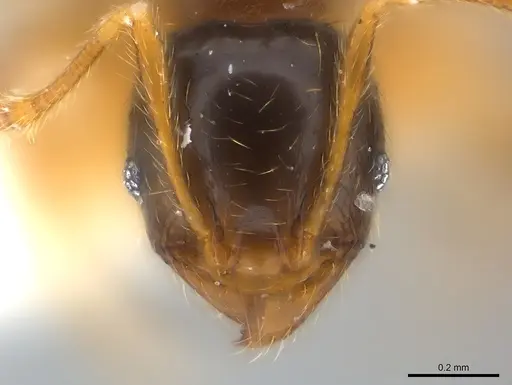
CASENT0217109
View on AntWeb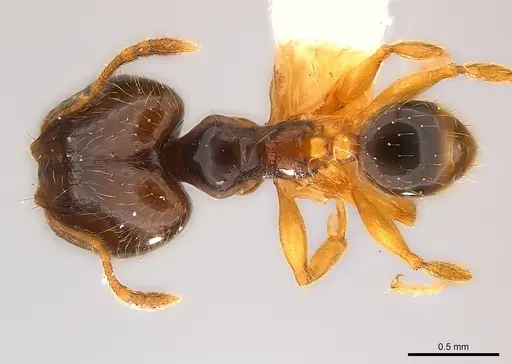
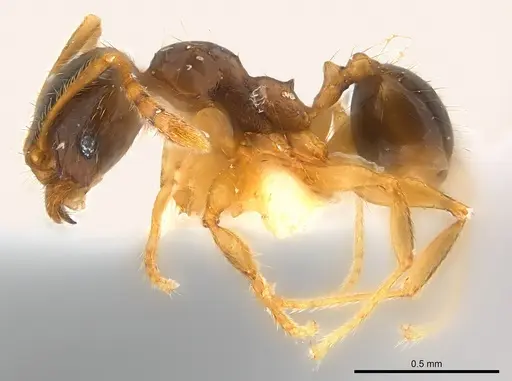
CASENT0217110
View on AntWeb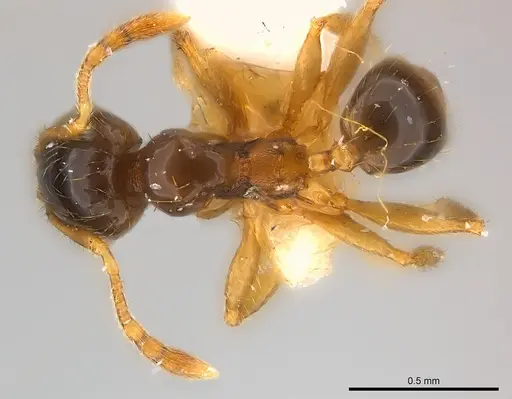
CASENT0282683
View on AntWeb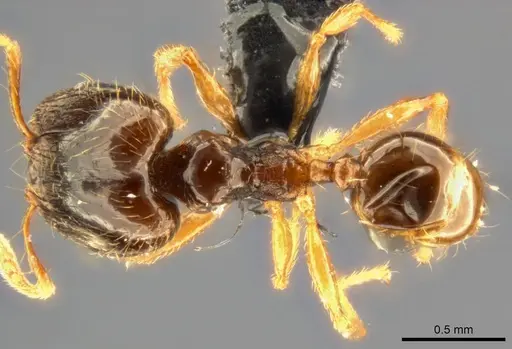
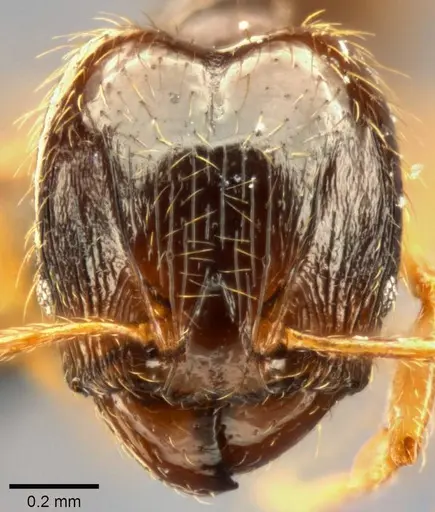
CASENT0283556
View on AntWeb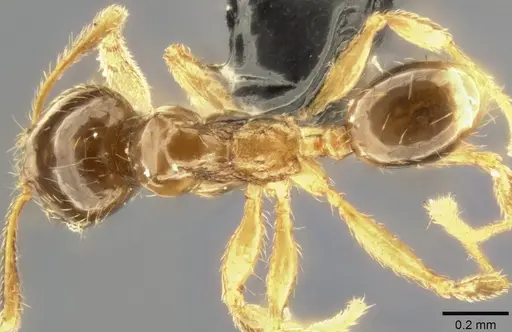
Literature
Loading distribution map...Loading products...