
Pheidole nigella
- Sci. Name
- Pheidole nigella
- Tribe
- Attini
- Subfamily
- Myrmicinae
- Author
- Emery, 1894
- Distribution
- Found in 3 countries
Introduction
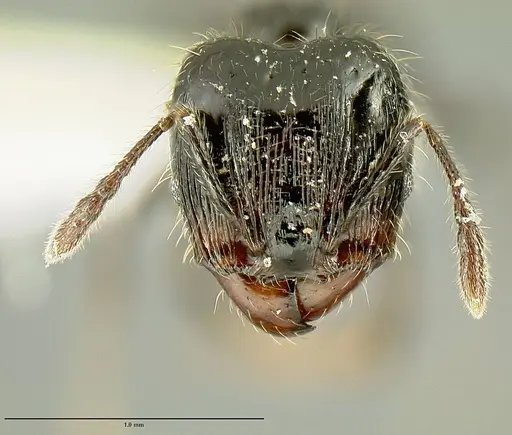
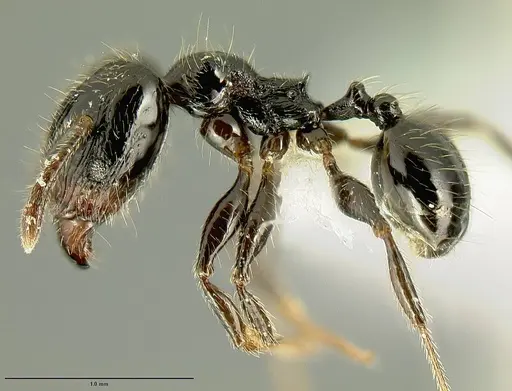
Pheidole nigella is a small Neotropical ant species native to Bolivia and Peru . Workers are dimorphic with majors and minors, but body size data is unavailable . The species was elevated to full species status in 2003 . The biology of this species is largely unknown, as noted in AntWiki . It belongs to the tristis group within Pheidole, similar to other species in the group but distinguishable by specific traits.
Quick Summary
- Difficulty: Medium
- Origin & Habitat: Native to Bolivia and Peru [1], with records in Argentina [2][3][4]. Found in tropical forest and grassland habitats in lowland South America.
- Colony Type: Colony structure is unconfirmed for this species. Based on genus patterns, likely single-queen colonies.
- Size & Growth:
- Queen: Size data unavailable
- Worker: Size data unavailable
- Colony: Unknown
- Growth: Moderate, inferred from Pheidole genus patterns
- Development: Unknown, no species-specific data (Development time is unconfirmed)
- Antkeeping:
- Temperature: Keep warm, roughly 24-28°C, based on Neotropical habitat inference.
- Humidity: Keep nest substrate consistently moist but not waterlogged, based on tropical forest inference.
- Diapause: No, Neotropical species likely do not require hibernation.
- Nesting: Prefers soil or under stones in nature. In captivity, use test tube setups for founding, then Y-tong or plaster nests.
- Behavior: Pheidole species are generally non-aggressive. Majors may sting if threatened, but it's mild. Workers are active foragers, and majors assist with processing food. Standard escape prevention is recommended.
- Common Issues: limited biological data means care is based on genus-level estimates rather than species-specific research, wild-caught colonies may carry parasites or diseases that can cause colony failure, overfeeding can lead to mold issues in the nest, remove uneaten food promptly
Appearance and Identification
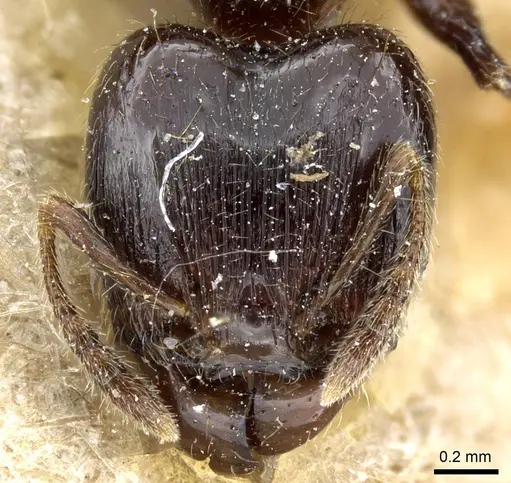
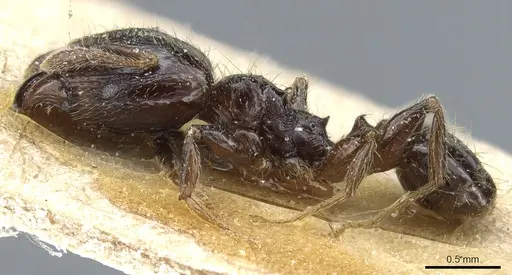
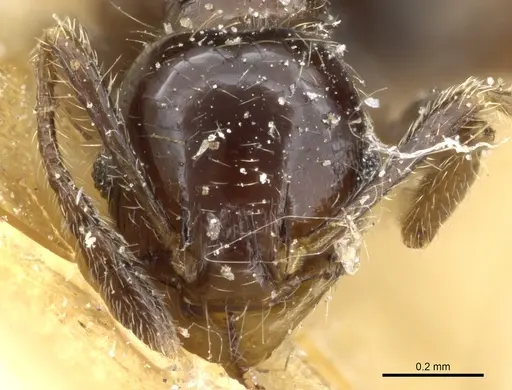
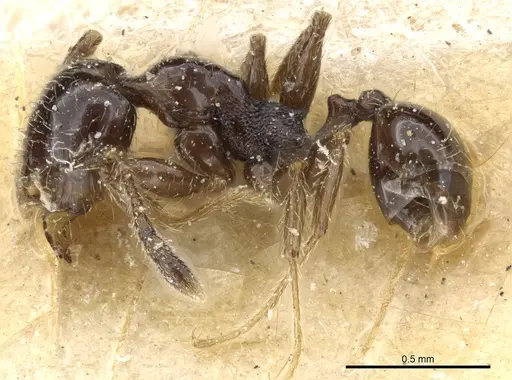
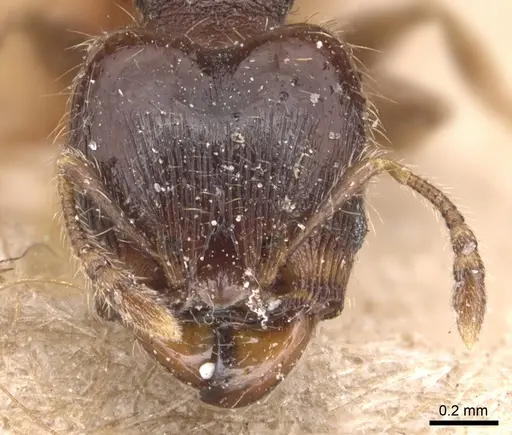
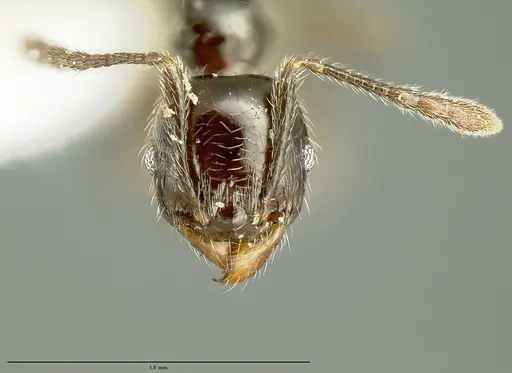
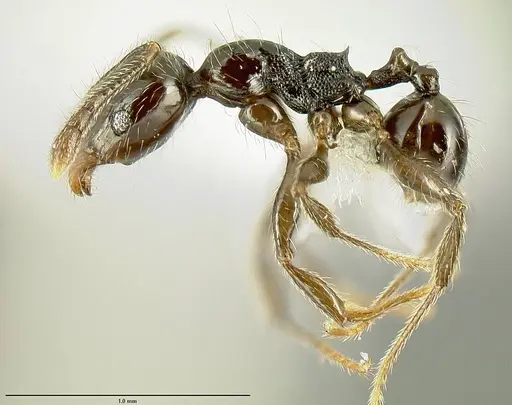
Pheidole nigella is a dimorphic species with two worker castes. Major workers have a broad occipital concavity and are medium brown, while minors are smaller and lack pronounced head sculpture. The species name means 'little dark one' in Latin [1]. This species belongs to the tristis group, similar to P. balzani, P. fabricator, and P. tristis but distinguishable by specific traits [1].
Natural History and Distribution
Pheidole nigella is found in Bolivia, Peru, and Argentina [1][2][3][4]. In Argentina, it is classified under the Generalized Myrmicinae functional group [4]. Exact habitat preferences are unconfirmed, but it likely inhabits tropical forest edges or grasslands.
Feeding and Diet
The specific diet of P. nigella is unconfirmed. Based on Pheidole genus patterns, they are omnivorous and may accept protein sources like small insects and seeds, along with sugar water. Feed protein 2-3 times per week and provide constant sugar water. Remove uneaten food to prevent mold.
Temperature and Heating
As a Neotropical species, P. nigella prefers warm conditions. Keep the nest area at roughly 24-28°C, with a slight gradient for self-regulation. Room temperature is often suitable. Avoid prolonged temperatures below 20°C.
Colony Founding
Founding behavior is unconfirmed for this species. Based on genus patterns, queens may perform claustral founding, sealing themselves in a chamber to raise the first workers alone. Founding colonies should be kept in quiet, dark locations with minimal disturbance.
Housing and Nest Setup
For founding colonies, use a standard test tube setup. Once established, move to Y-tong, plaster, or soil-based nests. Ensure the outworld is escape-proof, as these ants are small but not particularly good climbers.
Frequently Asked Questions
How long does it take for Pheidole nigella to produce first workers?
The exact timeline is unconfirmed. Based on genus patterns, expect first workers in approximately 6-8 weeks under optimal conditions, but no species-specific data exists.
What do Pheidole nigella ants eat?
Pheidole species are typically omnivorous. Offer small insects as protein sources and seeds, along with sugar water. Remove uneaten food promptly to prevent mold.
What temperature is best for Pheidole nigella?
Keep them at roughly 24-28°C, based on their Neotropical habitat. Room temperature is often suitable.
How big do Pheidole nigella colonies get?
Colony size is unknown, as no species-specific data exists. Based on genus patterns, colonies may reach several hundred workers, but this is unconfirmed.
Can I keep multiple Pheidole nigella queens together?
This has not been documented. Most Pheidole are monogyne, so it is not recommended to combine unrelated queens.
Do Pheidole nigella need hibernation?
No, as a Neotropical species, they likely do not require hibernation. Activity may reduce in cooler months, but no diapause is needed.
Are Pheidole nigella good for beginners?
Pheidole nigella is rated as medium difficulty due to limited biological data and specific temperature needs, but it is generally hardy once requirements are met.
When should I move my Pheidole nigella colony to a formicarium?
Move from test tube to a formicarium once the colony is crowded or has 20-30 workers, ensuring appropriate humidity and escape-proof outworld.
Why is so little known about Pheidole nigella biology?
This species has received limited scientific study, as noted in AntWiki. It is common for many Neotropical ant species without economic importance.
Report an Issue
The current care sheet is based fully on literature. See inconsistencies, or something that's incorrect? Please , it will be resolved after review from an admin. Contributing to the blogs tab also helps providing information, to make us be able to further improve the caresheets. Thank you for your support!
References

This caresheet is licensed under CC BY-SA 4.0 .
Community Blogs
CASENT0904379
View on AntWeb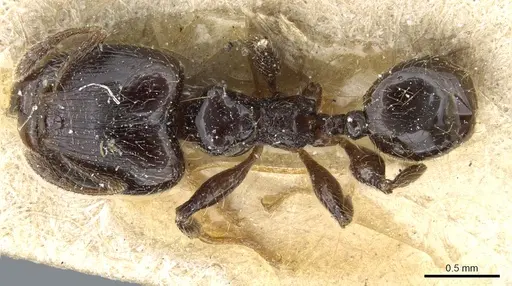
CASENT0904380
View on AntWeb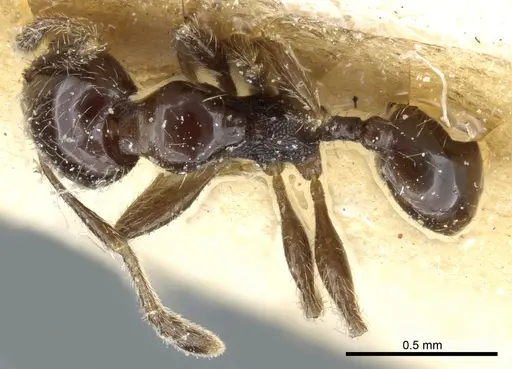
CASENT0904426
View on AntWeb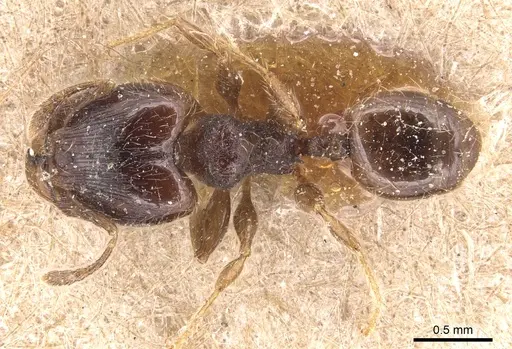
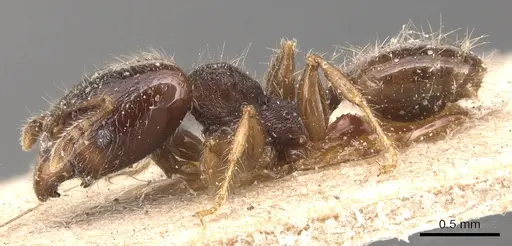
CASENT0904427
View on AntWeb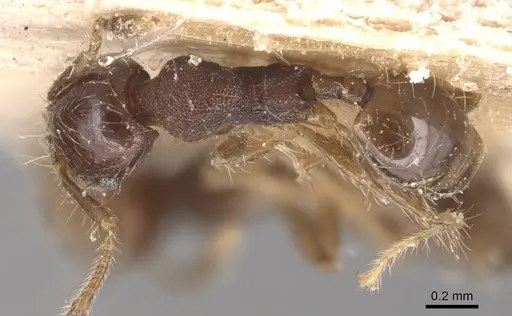
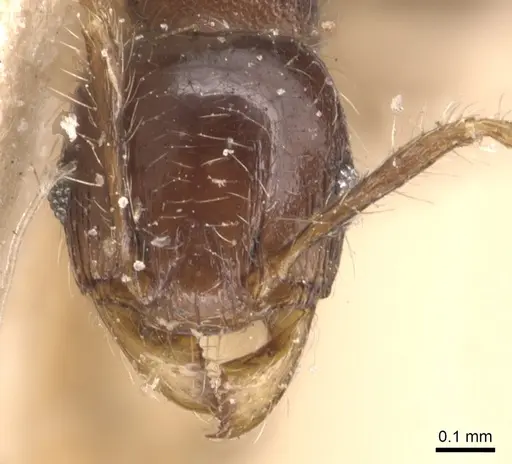
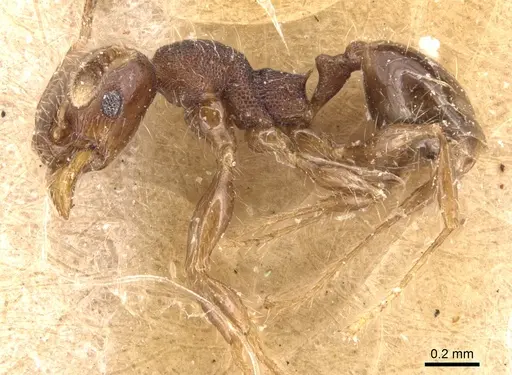
JTLC000014443
View on AntWeb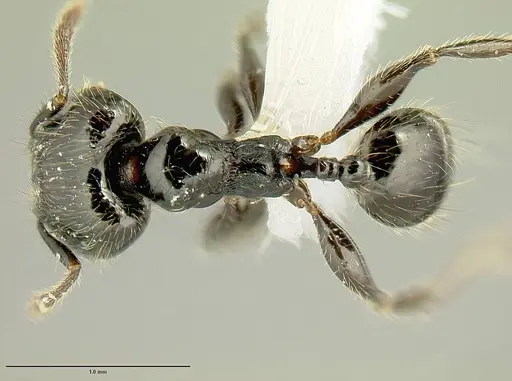
JTLC000014444
View on AntWeb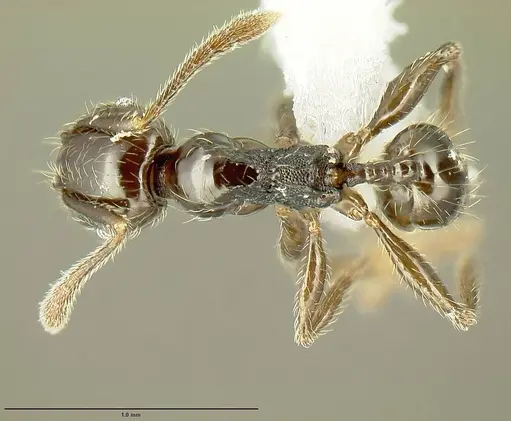
Literature
Loading distribution map...Loading products...