
Pheidole nemoralis
- Sci. Name
- Pheidole nemoralis
- Tribe
- Attini
- Subfamily
- Myrmicinae
- Author
- Forel, 1892
- Distribution
- Found in 1 countries
Introduction
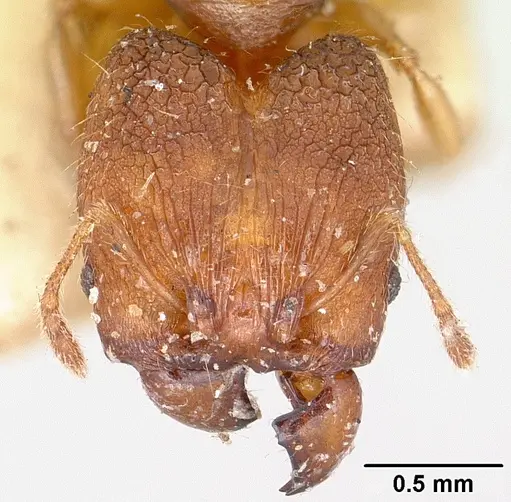
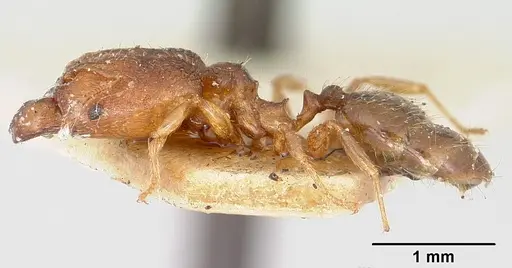
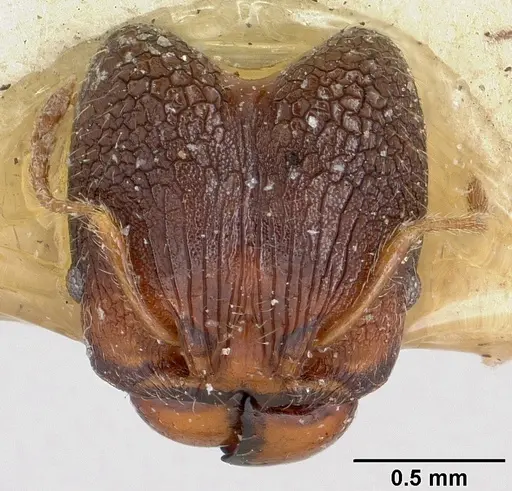
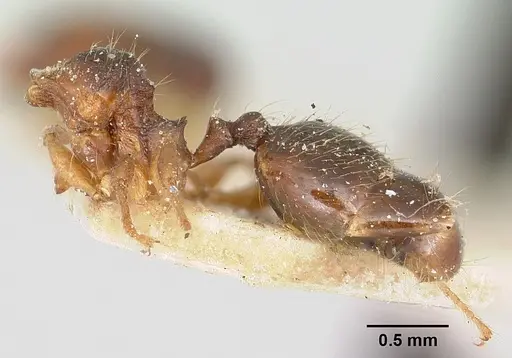
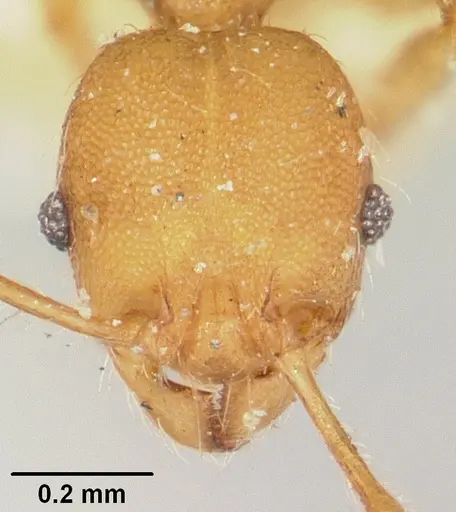
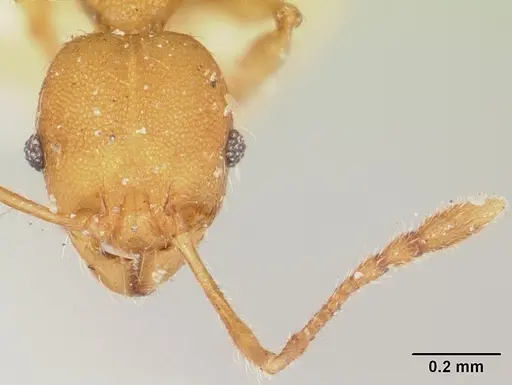
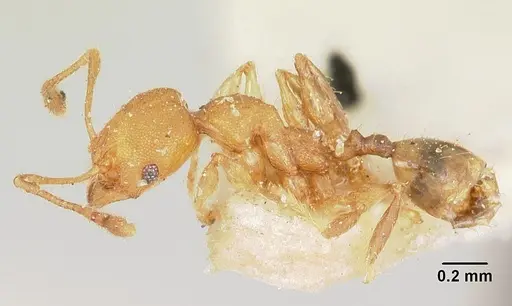
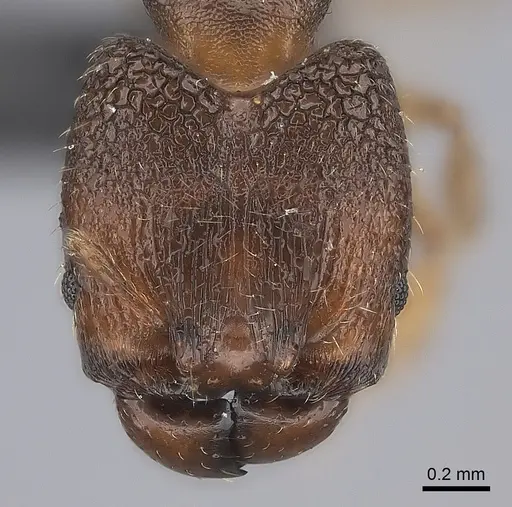
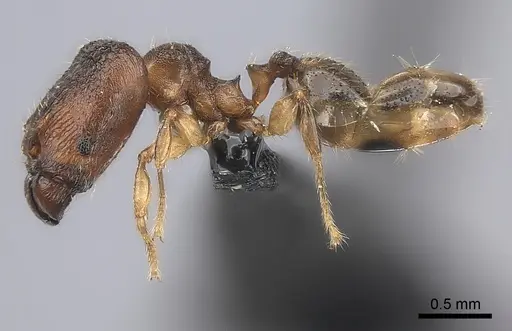
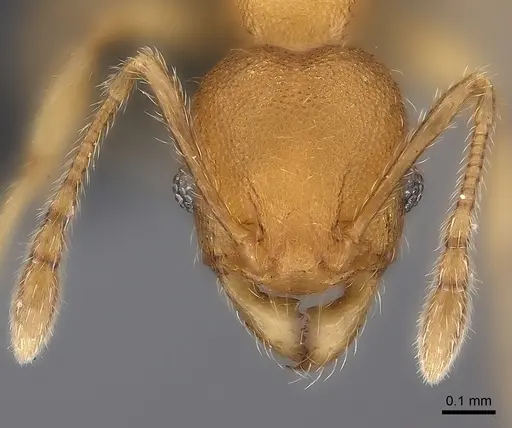
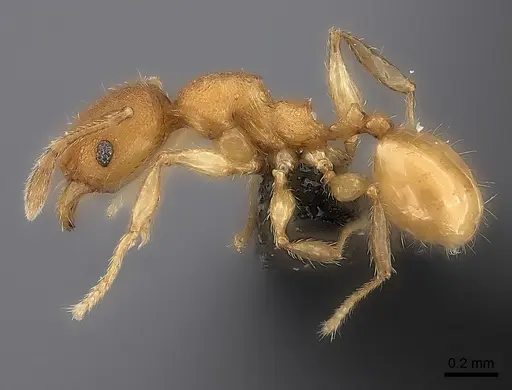
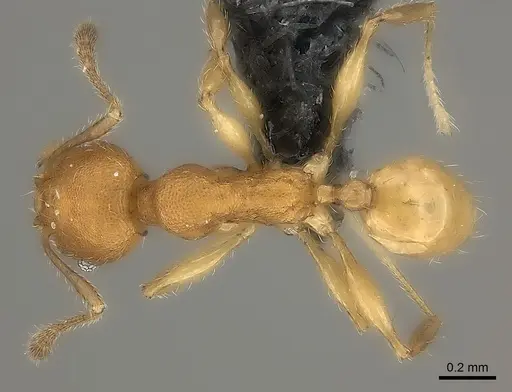
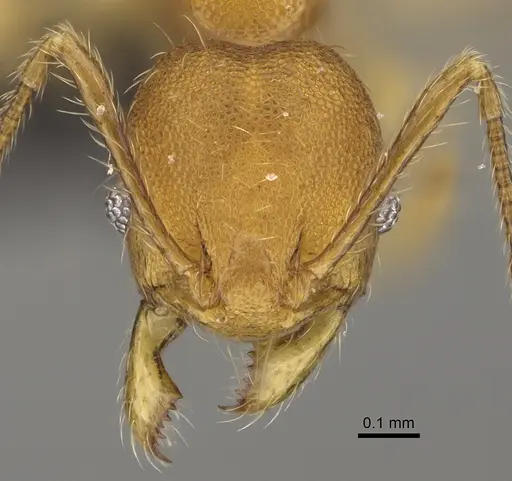
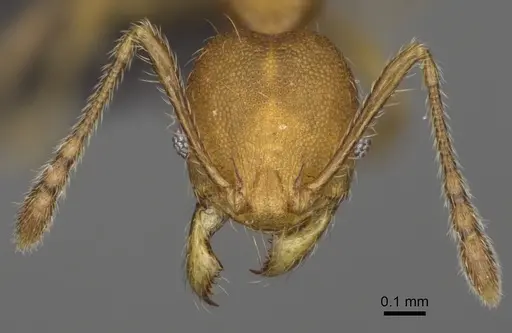
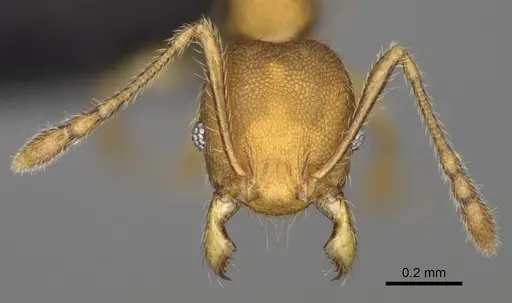
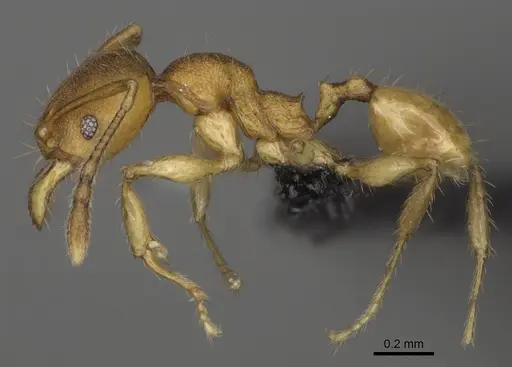
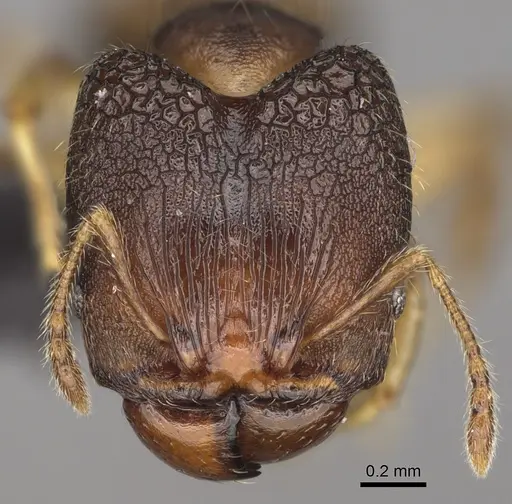
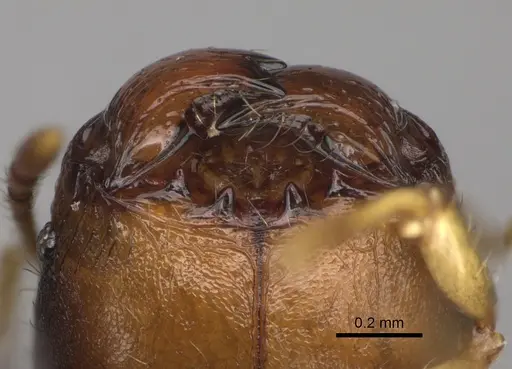
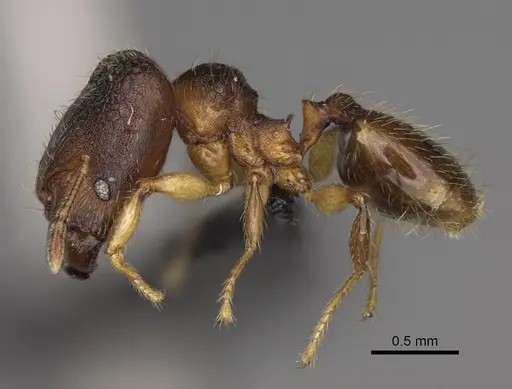
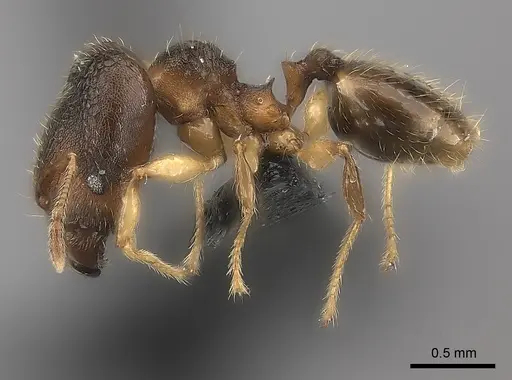
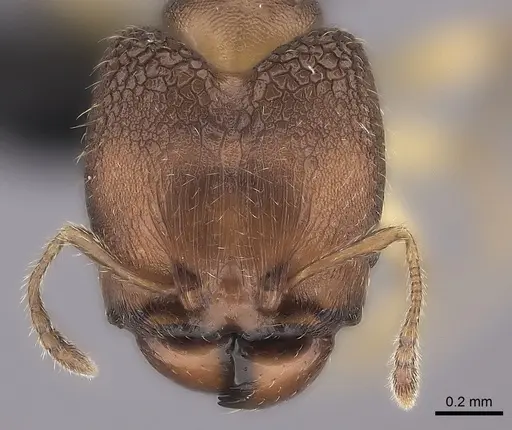
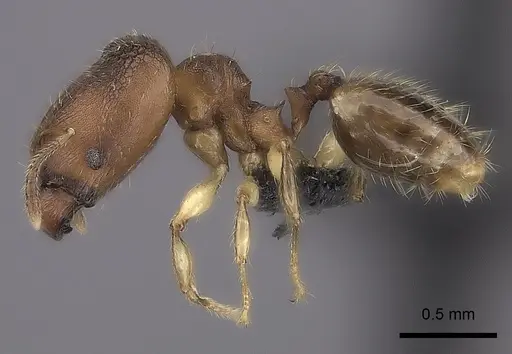
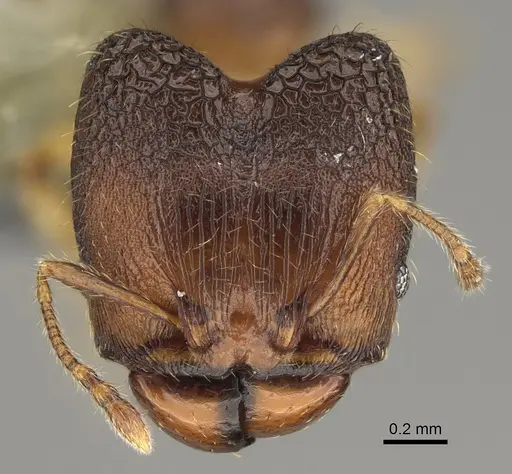
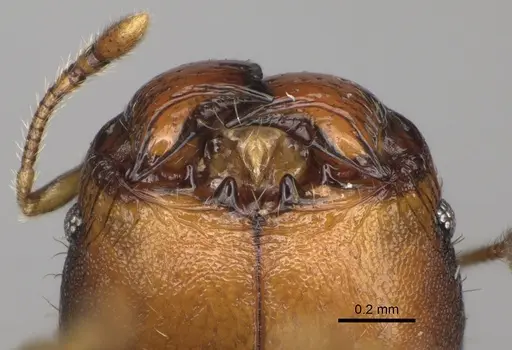
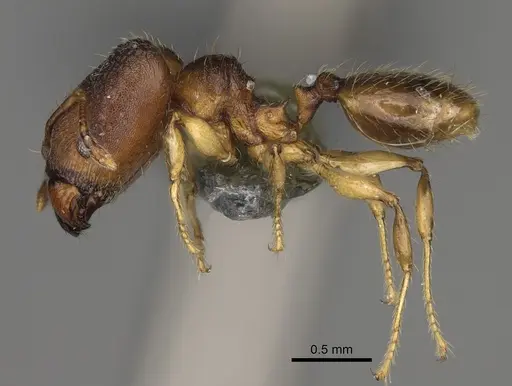
Pheidole nemoralis is a small ant species native to Madagascar. It is found in montane rainforest, rainforest, montane shrubland, gallery forest, and littoral rainforest at elevations from 10 to 1620 meters . Nests are located in rotten logs, tree stumps, and dead twigs above ground . The species has distinct major and minor worker castes, with majors having enlarged heads for seed-processing and defense .
Quick Summary
- Difficulty: Medium
- Origin & Habitat: Madagascar, found in various forest types at 10-1620m elevation [1][2]. Nests in rotten logs, tree stumps, and dead twigs [3].
- Colony Type: Based on Pheidole genus patterns, likely monogyne (single queen colonies).
- Size & Growth:
- Queen: Size data unavailable, no total length measurements in context.
- Worker: Minor and major workers present, with majors having enlarged heads.
- Colony: Estimated up to several hundred workers based on related species patterns.
- Growth: Moderate, typical for tropical Pheidole.
- Development: Estimated 5-8 weeks at optimal temperature, based on genus patterns. (Development time inferred from typical Pheidole development, actual timeline unconfirmed for this species.)
- Antkeeping:
- Temperature: Keep warm, roughly 24-28°C, inferred from tropical habitat [3].
- Humidity: Keep nest substrate consistently moist but not waterlogged, as they live in humid forests [3].
- Diapause: No, tropical species does not require hibernation.
- Nesting: Provide nests mimicking rotten wood or dead twigs, with high humidity [3].
- Behavior: Generally peaceful, but majors defend colony aggressively if threatened. Active foragers. Escape prevention critical due to small minor workers.
- Common Issues: high humidity maintenance is critical, drying out kills colonies quickly., escape prevention must be excellent due to tiny minor workers., slow founding phase, queens may take months to produce first workers., wild-caught colonies may carry parasites that cause colony collapse., overfeeding leads to mold problems in enclosed nests.
Housing and Nest Setup
Pheidole nemoralis naturally nests in rotting wood and dead twigs above ground in humid forest environments [3]. For captivity, a Y-tong (AAC) nest or plaster nest works well, as these materials hold humidity better than acrylic. The nest chambers should be appropriately scaled to their small size, minor workers are small so tight-fitting connections are important. Provide a water reservoir connected to the nest to maintain humidity. Outworld space should allow for foraging, these ants are active and will readily explore. Use a test tube setup for founding colonies, transitioning to a proper nest once the colony reaches 50+ workers.
Feeding and Diet
Pheidole nemoralis is a generalist omnivore like most Pheidole species. Offer a varied diet including protein sources (small insects like fruit flies, pinhead crickets, mealworms) and carbohydrates (sugar water, honey, or honeydew). They are known seed collectors in the wild, so small seeds may be accepted. Feed protein 2-3 times per week and keep sugar water constantly available. Remove uneaten food after 24-48 hours to prevent mold. [3]
Temperature and Humidity
This is a tropical Madagascar species requiring warm, humid conditions. Keep the nest at roughly 24-28°C with a slight gradient allowing workers to self-regulate [3]. Humidity is critical, maintain by keeping the nest substrate consistently moist but not waterlogged. A water reservoir connected to the nest helps maintain stable humidity. Avoid both drying out and excessive condensation.
Colony Development
Pheidole nemoralis founding behavior is unconfirmed. Based on genus patterns, queens may seal themselves in a chamber and raise the first workers alone using stored fat reserves. The founding phase can take several months, so patience is essential. Based on typical Pheidole development, expect 5-8 weeks from egg to first worker at optimal temperature. Growth is moderate, colonies may take 1-2 years to reach several hundred workers. Major workers appear once the colony has sufficient resources. [3]
Behavior and Temperament
This species has distinct worker castes. Minor workers handle foraging, brood care, and most tasks outside the nest. Major workers have enlarged heads for seed processing and colony defense. They are not particularly aggressive toward humans but will defend the nest vigorously if disturbed. Workers are active foragers and will readily explore the outworld for food. Escape prevention must be excellent due to the small size of minor workers. [3]
Frequently Asked Questions
How long does it take for Pheidole nemoralis to produce first workers?
Expect 5-8 weeks at optimal temperature (24-28°C). Founding behavior is unconfirmed, but based on genus patterns, the queen may seal herself in and raise the first brood alone using stored fat reserves. This founding phase requires patience, some colonies take several months before the first workers emerge.
What do Pheidole nemoralis eat?
They are generalist omnivores. Offer protein sources like small insects (fruit flies, pinhead crickets, mealworms) 2-3 times per week, and keep sugar water or honey constantly available. They may also accept small seeds.
Do Pheidole nemoralis need hibernation?
No. As a tropical species from Madagascar, they do not require hibernation. Keep them warm year-round at 24-28°C. Do not expose them to temperatures below 18°C for extended periods.
Are Pheidole nemoralis good for beginners?
They are intermediate in difficulty. The main challenges are maintaining high humidity and preventing escapes due to their tiny minor workers. If you can provide warm, humid conditions consistently, they are rewarding to keep.
How big do Pheidole nemoralis colonies get?
Based on related species, colonies likely reach several hundred workers over 1-2 years. Major workers appear once the colony reaches around 50+ workers.
Can I keep multiple Pheidole nemoralis queens together?
Unconfirmed, this species likely has single queen colonies based on genus patterns. Combining unrelated foundress queens is not recommended and typically results in fighting.
What temperature is ideal for Pheidole nemoralis?
Keep nest temperature at roughly 24-28°C, inferred from tropical habitat. A gentle gradient allowing cooler areas is beneficial so workers can self-regulate.
Why are my Pheidole nemoralis dying?
Common causes include: drying out (humidity too low), temperatures too cold, mold from overfeeding, or parasites from wild-caught colonies. Ensure humidity stays adequate and temperature remains above 22°C.
When should I move Pheidole nemoralis to a formicarium?
Keep founding colonies in a test tube setup until they have 30-50 workers. Once the colony outgrows the test tube or the water reservoir runs low frequently, transfer to a proper nest (Y-tong or plaster works well for this species).
Report an Issue
The current care sheet is based fully on literature. See inconsistencies, or something that's incorrect? Please , it will be resolved after review from an admin. Contributing to the blogs tab also helps providing information, to make us be able to further improve the caresheets. Thank you for your support!
References

This caresheet is licensed under CC BY-SA 4.0 .
Community Blogs
CASENT0101323
View on AntWeb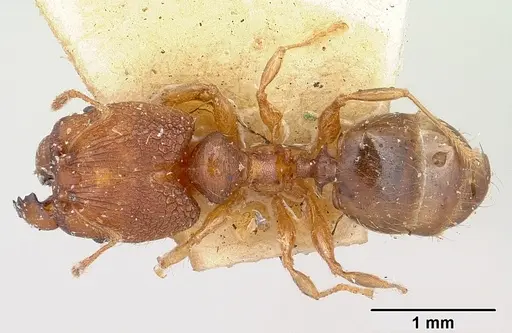
CASENT0101324
View on AntWeb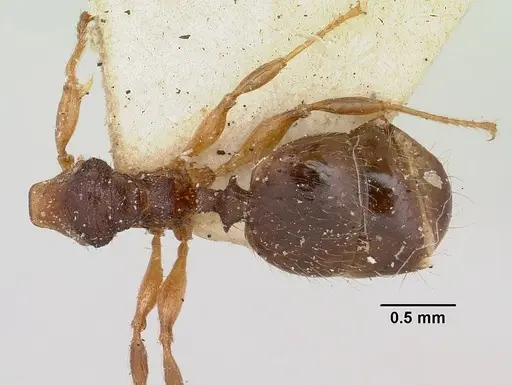
CASENT0101584
View on AntWeb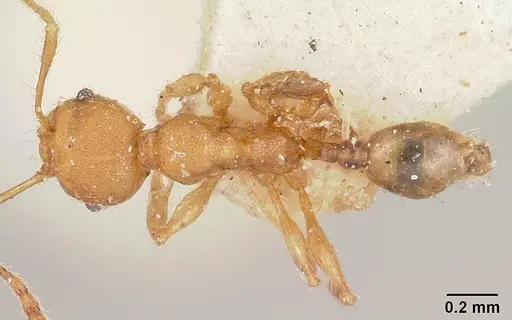
CASENT0119444
View on AntWeb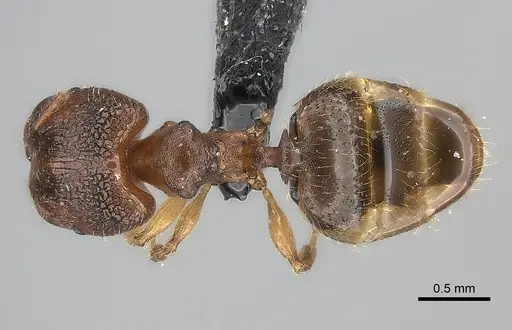
CASENT0235039
View on AntWeb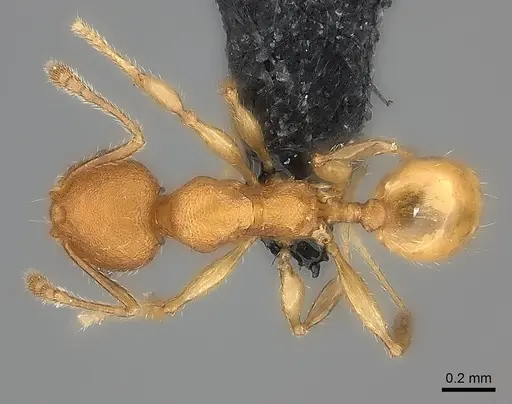
CASENT0235041
View on AntWeb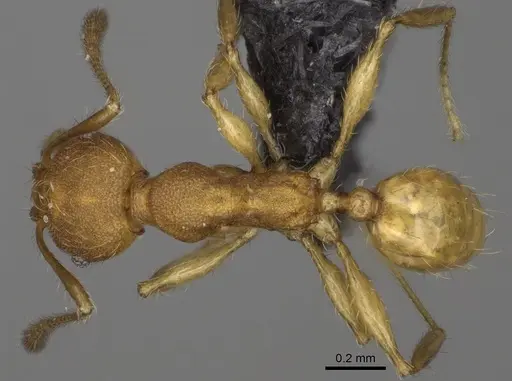
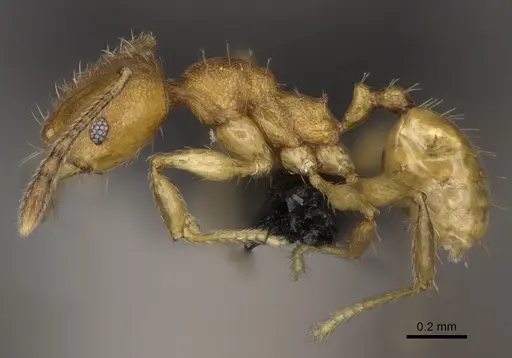
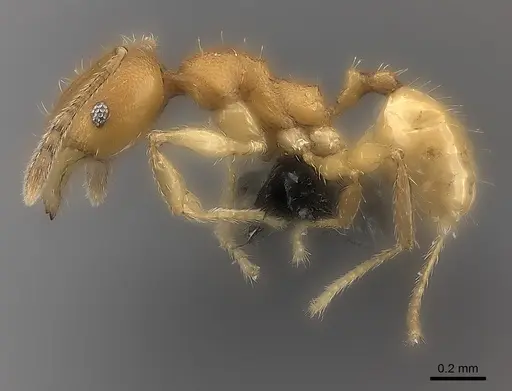
CASENT0430850
View on AntWeb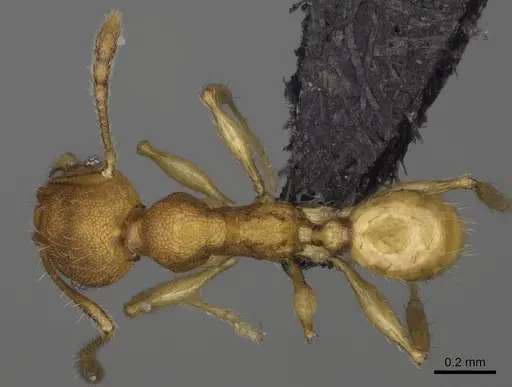
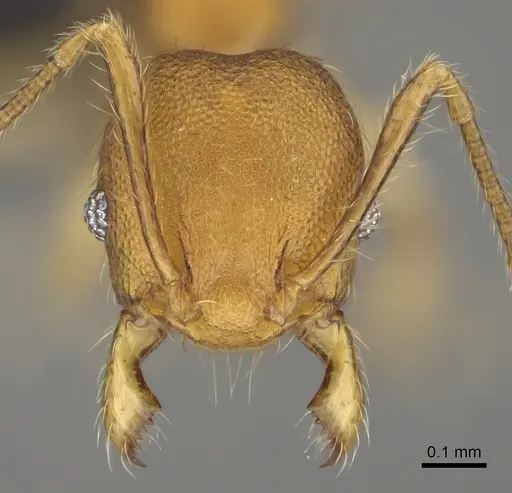
CASENT0460132
View on AntWeb
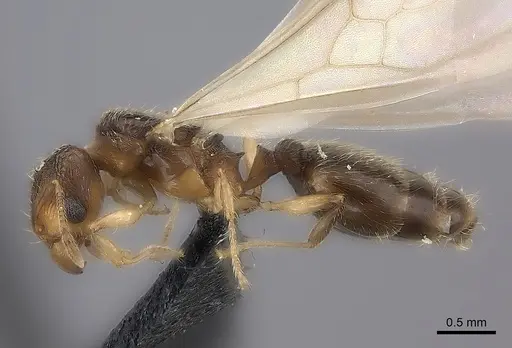
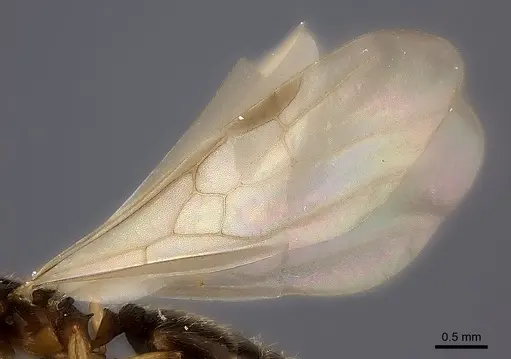
CASENT0460136
View on AntWeb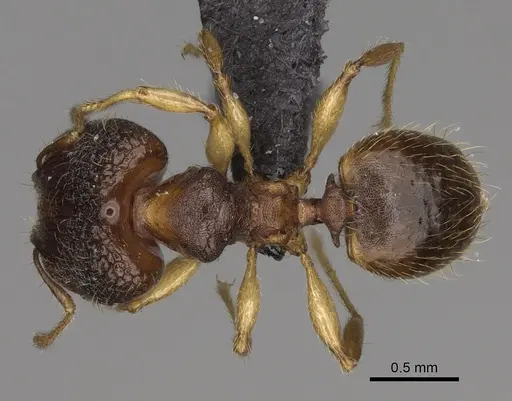
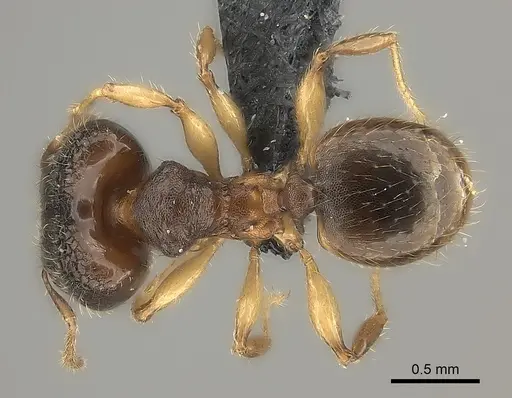
CASENT0479179
View on AntWeb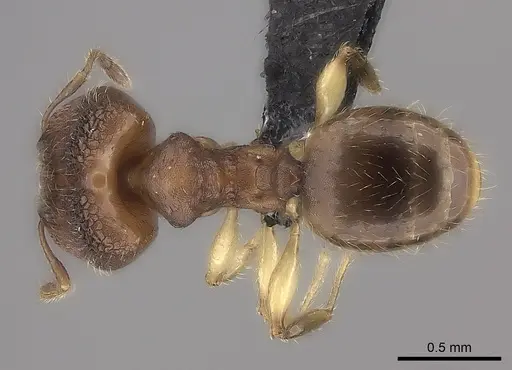
CASENT0923183
View on AntWeb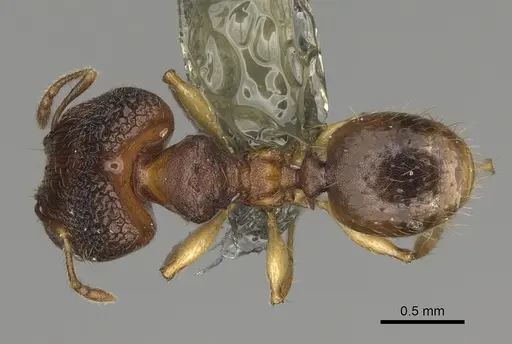
Literature
Loading distribution map...Loading products...