
Pheidole navoatrensis
- Sci. Name
- Pheidole navoatrensis
- Tribe
- Attini
- Subfamily
- Myrmicinae
- Author
- Salata & Fisher, 2020
- Distribution
- Found in 1 countries
Introduction
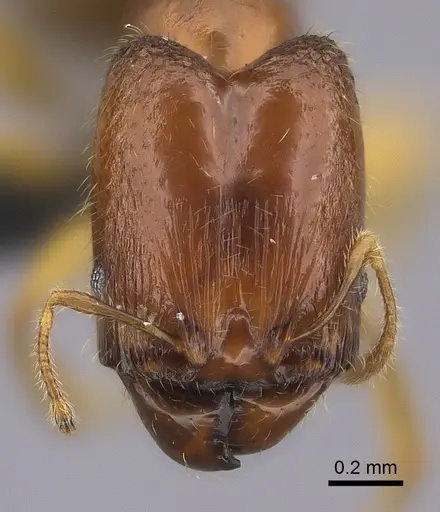
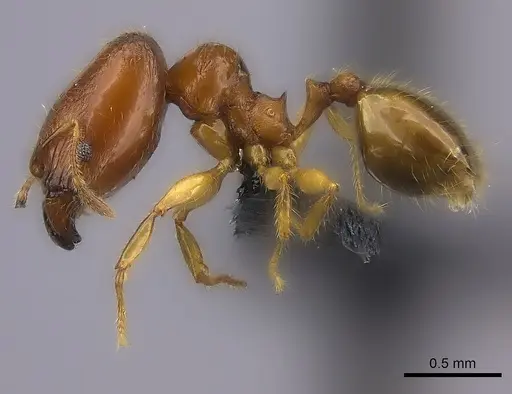
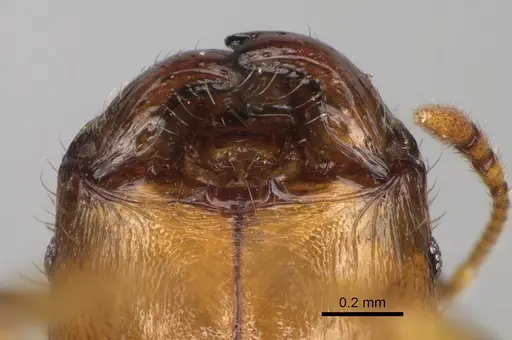
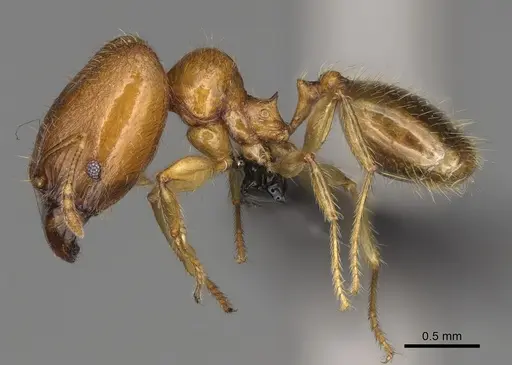
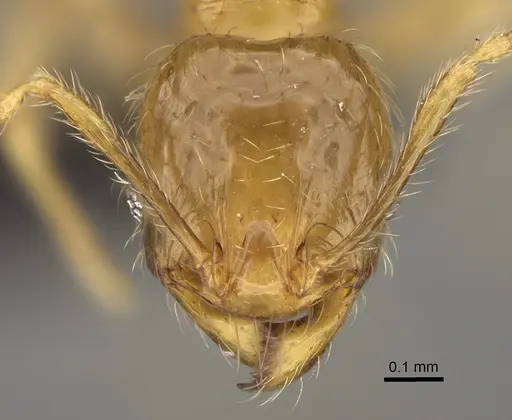
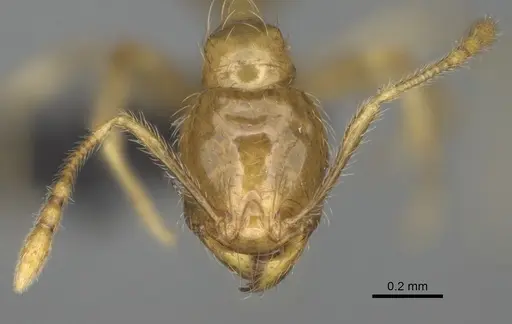
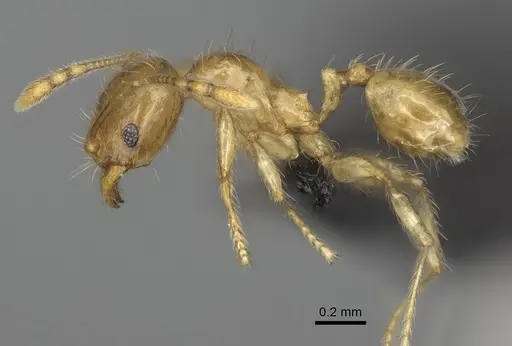
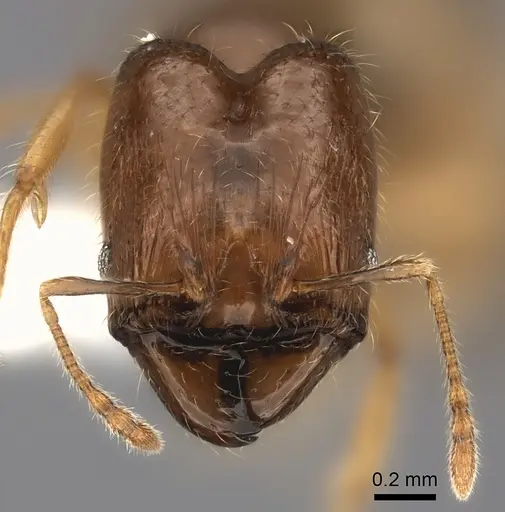
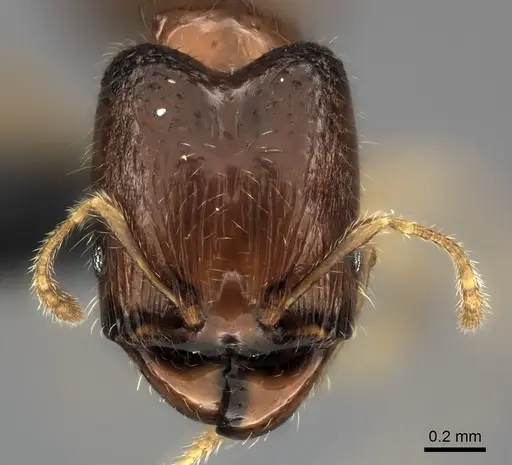
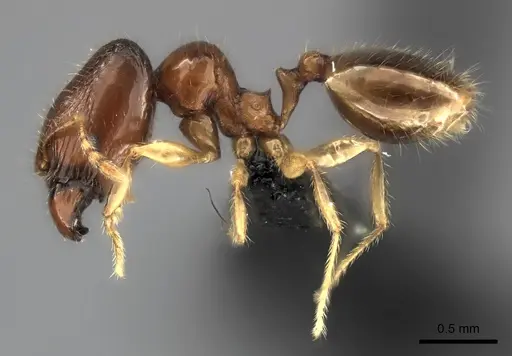
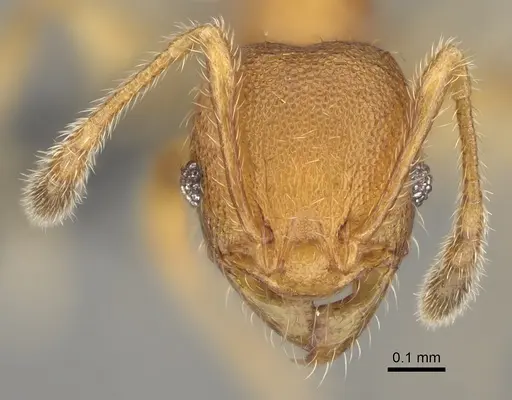
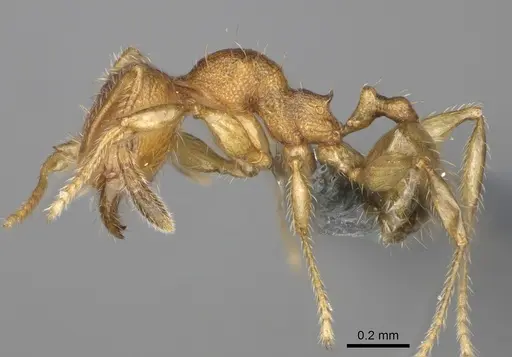
Pheidole navoatrensis is a polymorphic ant species endemic to Madagascar, belonging to the Pheidole lutea species group. Majors have distinctive enlarged heads with elongated faces, while minors are much smaller. Body coloration is yellow to orange, with majors showing darker yellow to yellowish-brown on the gaster and malar area. This species nests in soil and under stones in dry forests, savannah woodland, and other habitats at elevations from 70 to 1640 meters in Madagascar . An interesting feature is their adaptation to dry habitats, nesting in sandy soil and under stones, which helps them survive in Madagascar's variable climate .
Quick Summary
- Difficulty: Easy
- Origin & Habitat: Madagascar, specifically the Antananarivo region, Navoatra I Non-Protected Area. Found across various habitats including dry forest on sandy soil, Uapaca woodland, savannah woodland, tropical dry forest, gallery forest, and shrubland [1][2].
- Colony Type: Unconfirmed, the research context does not specify queen number, but Pheidole species are often monogyne.
- Size & Growth:
- Queen: Size data unavailable, no total length measurements in research. Inferred from Pheidole genus patterns, queens are typically 5-8 mm.
- Worker: Size data unavailable, minors are much smaller than majors, but no specific body size measurements.
- Colony: Up to several hundred workers, estimated from typical Pheidole colony sizes.
- Growth: Moderate
- Development: Estimated 6-8 weeks at optimal temperature, inferred from genus patterns [2]. (Pheidole species typically develop from egg to first worker in 6-8 weeks. Nanitics (first workers) are smaller than normal workers.)
- Antkeeping:
- Temperature: Keep at 22-26°C, these ants come from tropical Madagascar so they prefer warmth. A gentle gradient allows workers to regulate their temperature [1].
- Humidity: Moderate, they nest in soil in dry to semi-dry forests. Keep substrate lightly moist but allow drying between waterings. Provide a moisture gradient [1][2].
- Diapause: No strong diapause required, Madagascar has mild seasonal variation. However, a slight reduction in temperature during winter months (down to 18-20°C) mimics natural conditions [1].
- Nesting: Soil-nesting species. Test tubes work well for founding colonies. Later stages can use naturalistic setups with soil substrate or Y-tong nests. They nest under stones in the wild, so provide some cover [1].
- Behavior: Generally docile and non-aggressive. Major workers have functional mandibles but rarely bite aggressively. When threatened, they may display by raising their heads or lunging, but actual stings are uncommon and ineffective against human skin. Primary defense is stinging, as per Myrmicinae tribe Attini. Workers are active foragers and will quickly discover and recruit to food sources. They communicate through chemical trails, once a forager finds food, it leaves a pheromone path for others to follow. Both castes participate in foraging, with majors handling larger prey and seeds while minors manage smaller items. They are not known for aggressive swarming or colony defense. Escape risk is moderate, minors are small but not as tiny as some Pheidole species. Use standard barrier methods.
- Common Issues: slow founding phase, queens can take months to raise first workers, patience is essential., colonies may stall if temperature is too low, keep warm during development., minor workers can escape through small gaps, use fine mesh barriers., overfeeding leads to mold, remove uneaten food promptly., wild-caught colonies may have parasites, quarantine and observe new colonies.
Housing and Nest Setup
For founding colonies, a simple test tube setup works perfectly. Fill a test tube one-third with water, plug with cotton, and place the queen in the tube. The queen will seal herself into a chamber and remain there until her first workers emerge. For established colonies, you can use naturalistic setups with moist soil substrate or Y-tong nests. Since they nest under stones in the wild, provide some form of cover or darkening in the nest area. The minors are small but not extremely so, standard ant keeping equipment works well. An outworld for foraging allows them to search for food outside the nest [1][2].
Feeding and Diet
Pheidole ants are omnivorous with a preference for protein. In captivity, they readily accept small insects like fruit flies, pinhead crickets, and mealworms. They also consume seeds, major workers have specialized head morphology for seed-crushing. Offer sugar water, honey, or diluted syrup as an energy source. Feed protein 2-3 times per week, and keep a sugar source available at all times. Remove uneaten food promptly to prevent mold. Both major and minor workers will forage, with majors specializing in handling larger food items [1].
Temperature and Seasonal Care
These Madagascar ants prefer warm conditions. Maintain temperatures between 22-26°C for optimal brood development. A slight temperature gradient in the setup allows ants to regulate their own exposure. During winter, a modest reduction to 18-20°C is acceptable but not strictly required, they don't experience harsh winters in their native habitat. Avoid temperatures below 15°C for extended periods. Heating cables or mats on one side of the nest can create the ideal gradient. Monitor colony activity, if workers become sluggish, increase temperature slightly [1].
Colony Development and Growth
Pheidole colonies grow through a well-documented sequence: egg → larva → pupa → worker. The claustral queen lays her first eggs shortly after sealing herself in. She feeds the larvae from her metabolic reserves and does not forage during founding. First workers (nanitics) are smaller than normal workers and emerge within 6-8 weeks under optimal conditions. After the nanitics arrive, the queen stops direct brood care and focuses on egg-laying. The colony then grows steadily as workers take over all foraging and nest maintenance. Major workers appear as the colony matures, their enlarged heads develop to help with seed processing and defense. A healthy colony can reach several hundred workers over 1-2 years [1].
Behavior and Temperament
Pheidole navoatrensis is a docile species that poses no real threat to keepers. Major workers have functional mandibles but rarely bite aggressively. When threatened, they may display by raising their heads or lunging, but actual stings are uncommon and ineffective against human skin. Primary defense is stinging, as per Myrmicinae tribe Attini. Workers are active foragers and will quickly discover and recruit to food sources. They communicate through chemical trails, once a forager finds food, it leaves a pheromone path for others to follow. Both castes participate in foraging, with majors handling larger prey and seeds while minors manage smaller items. They are not known for aggressive swarming or colony defense [1].
Frequently Asked Questions
How long does it take for Pheidole navoatrensis to raise first workers?
Expect 6-8 weeks from egg to first worker at optimal temperature (22-26°C). The claustral queen seals herself in and raises the first brood without foraging. Patience is key, some colonies take longer depending on conditions [1].
Can I keep multiple Pheidole navoatrensis queens together?
Based on typical Pheidole patterns, monogyne is likely, so keeping multiple queens may result in fighting. Only keep one queen per colony [2].
What do Pheidole navoatrensis ants eat?
They are omnivorous with a protein preference. Feed small insects (fruit flies, pinhead crickets, mealworms), seeds, and provide constant access to sugar water or honey. Both majors and minors will forage [1].
What temperature should I keep Pheidole navoatrensis at?
Keep them warm at 22-26°C. A temperature gradient is ideal so workers can choose their preferred spot. Avoid temperatures below 15°C [1].
Are Pheidole navoatrensis good for beginners?
Yes, this is an easy species to keep. They are docile, don't require complex setups, and are forgiving of minor care mistakes. The main challenge is patience during the founding phase.
When should I move my colony to a formicarium?
Wait until the colony has 30-50 workers before moving to a larger setup. A test tube works fine for founding, only upgrade when the tube becomes crowded or the colony is actively foraging.
How big do Pheidole navoatrensis colonies get?
Based on typical Pheidole growth patterns, expect several hundred workers within 1-2 years. Mature colonies can potentially reach into the thousands.
Do Pheidole navoatrensis need hibernation?
No strict hibernation is required. They come from Madagascar which has mild seasonal variation. A slight temperature reduction in winter (to 18-20°C) is acceptable but not necessary [1].
Why are my Pheidole navoatrensis dying?
Common causes include: temperature too low (keep warm), mold from overfeeding (remove uneaten food), too much moisture (allow drying between waterings), or parasites in wild-caught colonies. Check these factors and adjust accordingly.
Report an Issue
The current care sheet is based fully on literature. See inconsistencies, or something that's incorrect? Please , it will be resolved after review from an admin. Contributing to the blogs tab also helps providing information, to make us be able to further improve the caresheets. Thank you for your support!
References

This caresheet is licensed under CC BY-SA 4.0 .
Community Blogs
CASENT0036601
View on AntWeb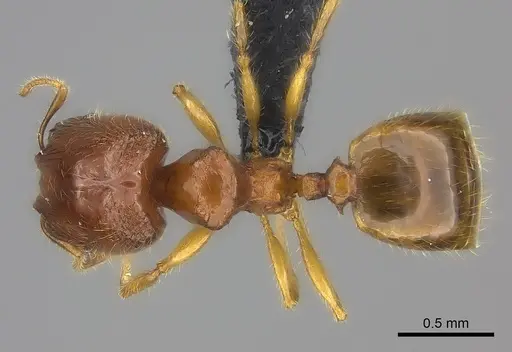
CASENT0198634
View on AntWeb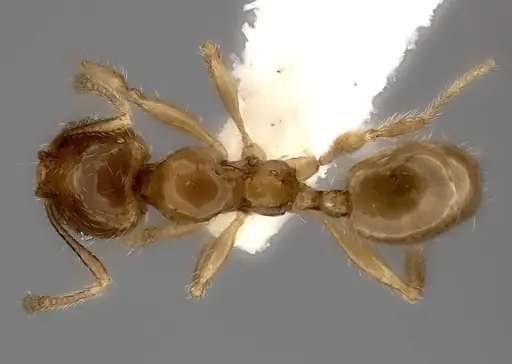
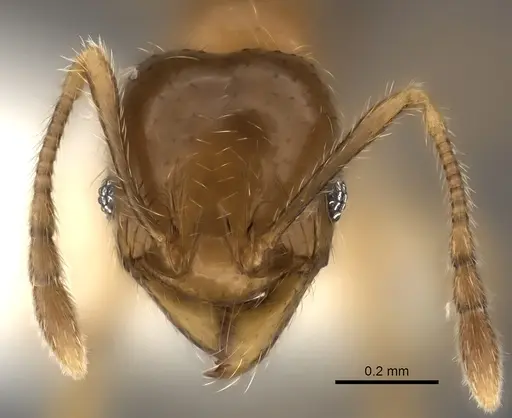
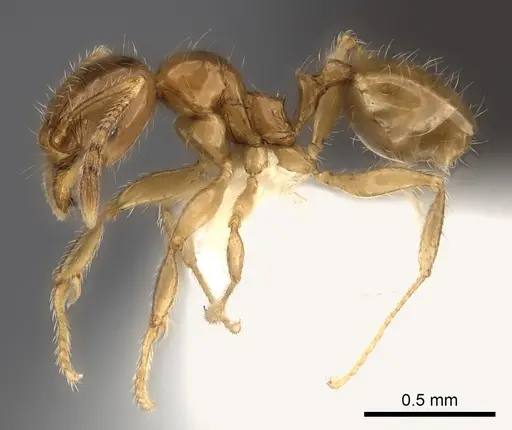
CASENT0204235
View on AntWeb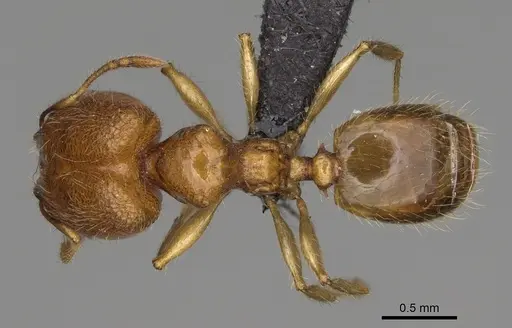
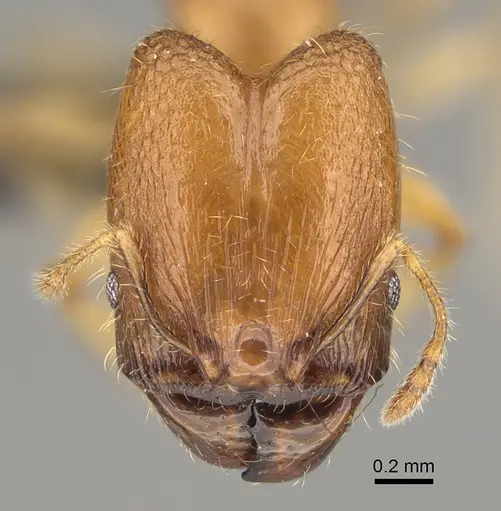
CASENT0204254
View on AntWeb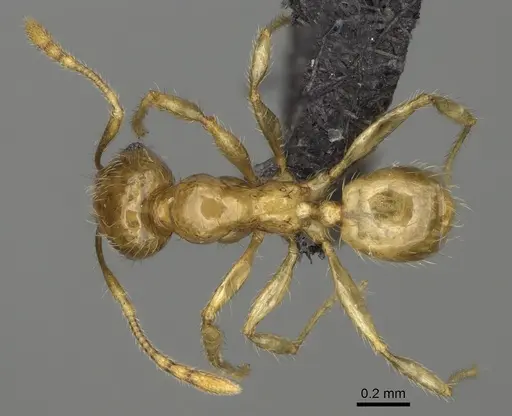
CASENT0235062
View on AntWeb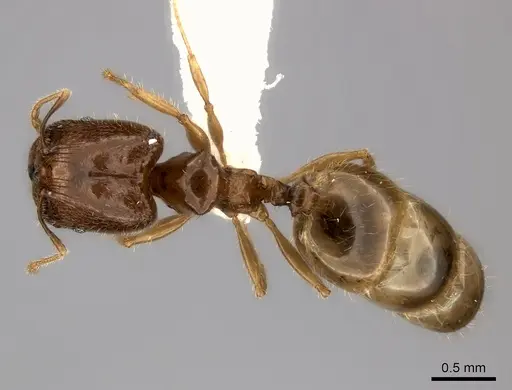
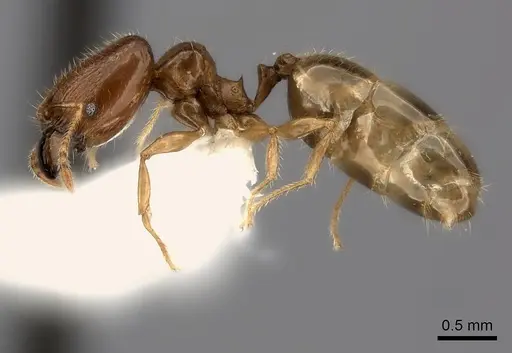
CASENT0468999
View on AntWeb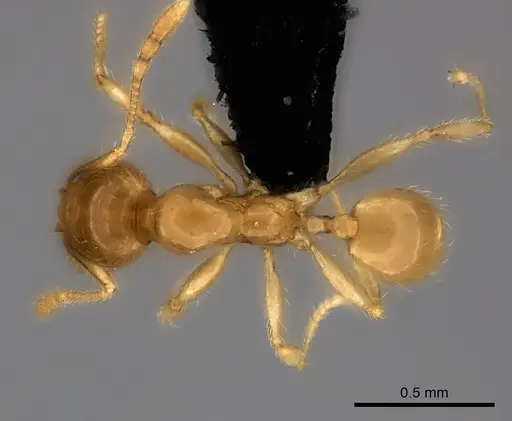
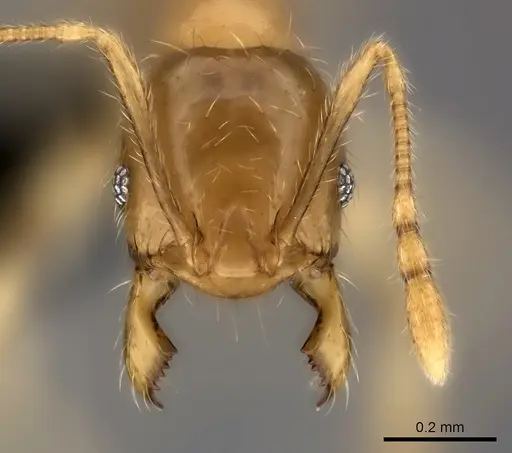
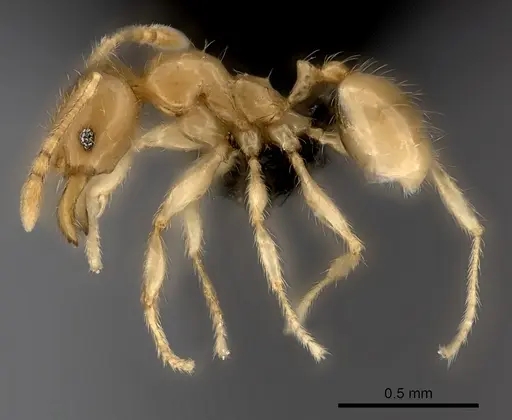
CASENT0474192
View on AntWeb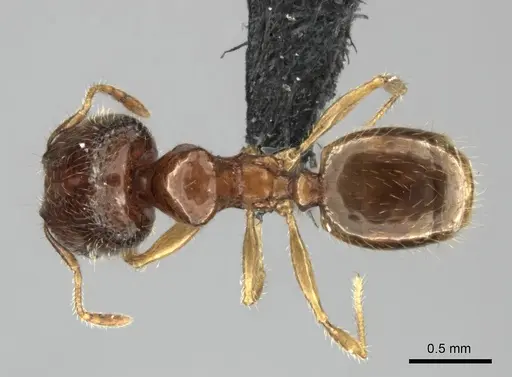
CASENT0923185
View on AntWeb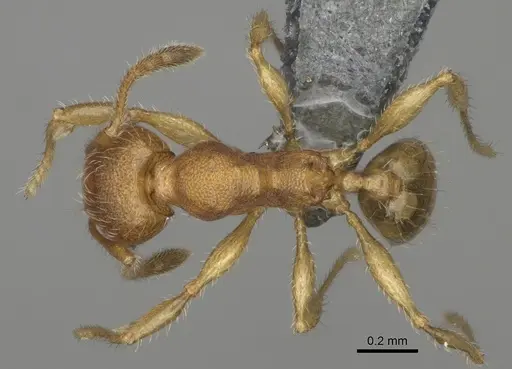
Literature
Loading distribution map...Loading products...