
Pheidole naoroji
- Sci. Name
- Pheidole naoroji
- Tribe
- Attini
- Subfamily
- Myrmicinae
- Author
- Forel, 1902
- Distribution
- Found in 1 countries
Introduction
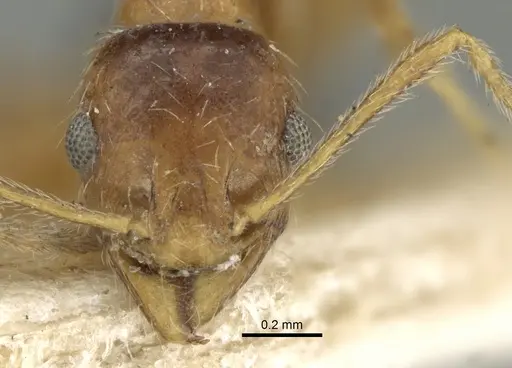
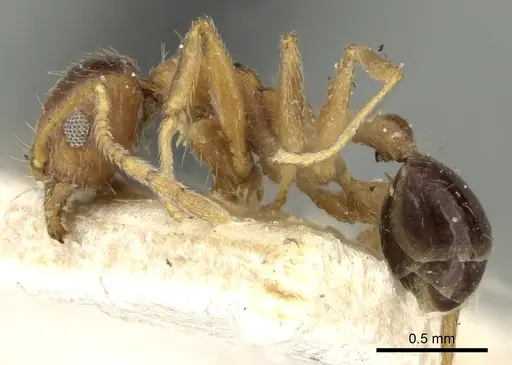
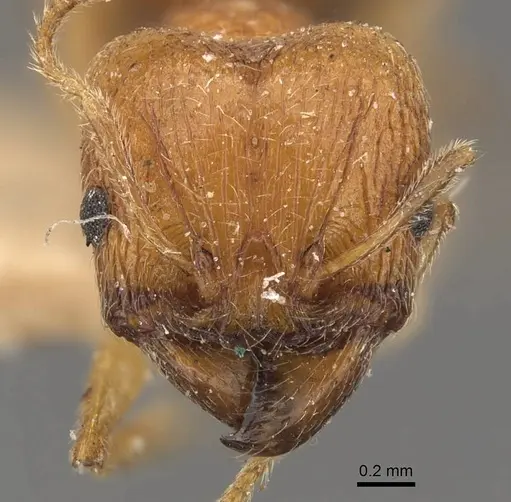
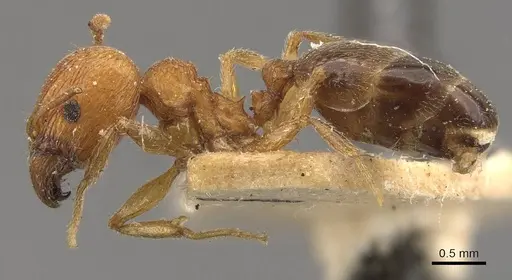
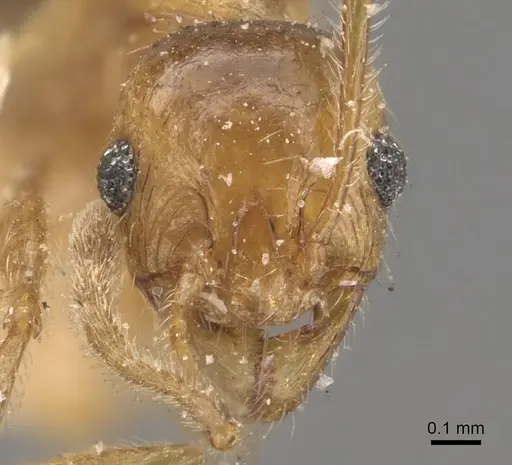
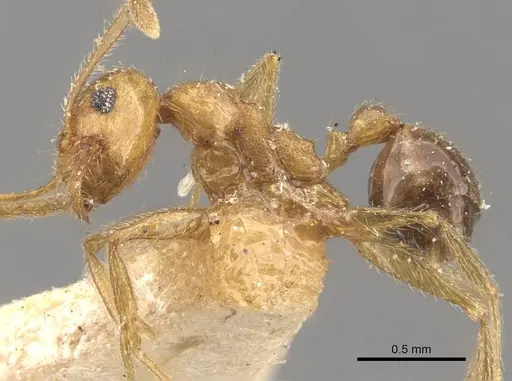
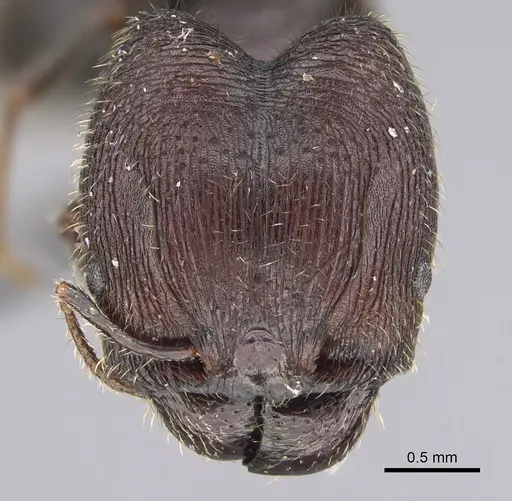
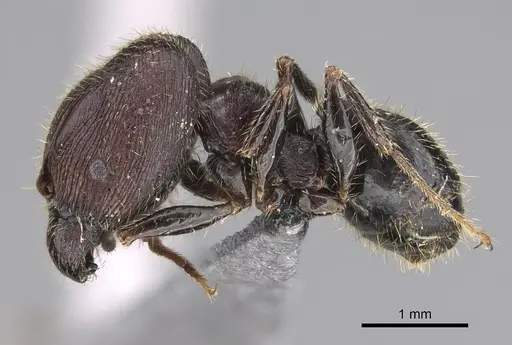
Pheidole naoroji is a member of the ant genus Pheidole, endemic to India. You can find them in Maharashtra and neighboring regions of Pakistan . The species belongs to the Myrmicinae subfamily and the Attini tribe, which includes leafcutter ants. Like other Pheidole species, they feature two distinct worker castes. Minor workers have oval heads with a clear posterior margin and tiny bumps on their upper back. Major workers (soldiers) have large, squared heads with longitudinal striations on the front and a smooth abdomen . First described by Forel in 1902,this species remains understudied in captivity .
Quick Summary
- Difficulty: Medium
- Origin & Habitat: Endemic to India, with confirmed records in Maharashtra and Pakistan [1][2]. They inhabit tropical to subtropical climates, likely nesting in soil or under stones in warm areas [4].
- Colony Type: Colony structure is unconfirmed. Research does not specify if they form single-queen or multiple-queen colonies.
- Size & Growth:
- Queen: size data unavailable
- Worker: size data unavailable
- Colony: size data unavailable
- Growth: Moderate
- Development: Unknown (Development speed likely depends on temperature, but exact timelines are unstudied.)
- Antkeeping:
- Temperature: Keep the environment warm, roughly 22-28°C. They originate from tropical India, so stable warmth is key [4].
- Humidity: Keep the nest substrate consistently moist but not waterlogged. Provide a humidity gradient if possible [4].
- Diapause: Unknown. Based on their tropical Indian range, they likely do not require winter diapause, but keep temperatures stable year-round to be safe [1].
- Nesting: They likely nest in soil or under stones in the wild [1]. In captivity, use Y-tong (AAC), plaster, or soil nests. Avoid acrylic nests.
- Behavior: Generally peaceful but will defend vigorously if threatened. They possess a functional stinger per their Myrmicinae classification, though it is less medically significant to humans than fire ants. Major workers specialize in seed processing and defense, while minor workers handle daily tasks. Escape risk is moderate, they are active climbers, so secure barriers are necessary.
- Common Issues: mold developing in overly wet nests, ensure proper ventilation and avoid waterlogging the substrate, colonies stalling in development, check that temperatures stay warm and feeding is consistent, queen death during founding, provide complete darkness and minimal disturbance until workers emerge, escape through small gaps, secure all connections and use barrier methods like fluon or petroleum jelly, overfeeding leading to mold, remove uneaten food promptly, especially protein sources
Housing and Nest Setup
For founding, a simple test tube setup works well. Fill a tube with water, plug with cotton, and place the queen inside. Keep it in a dark, quiet spot. Once the first workers emerge and the colony grows, move them to a permanent nest. Y-tong (AAC) nests, plaster nests, or naturalistic soil setups work best. They prefer dark, secure nesting areas. Never use acrylic nests [4].
Feeding and Diet
As members of the Attini tribe, Pheidole naoroji collects and processes seeds. They readily accept a varied diet of small seeds like millet or chia, protein sources like fruit flies or pinhead crickets, and sugar water or honey. Minor workers forage and lay chemical trails to food sources. Feed every 2-3 days and remove uneaten food within 24 hours to prevent mold. Protein is especially important when the colony has larvae [4].
Temperature and Seasonal Care
This species comes from the warm climate of India and thrives at temperatures between 22-28°C. Room temperature works, but warmer conditions speed up brood development. Use a heating cable or mat on one side of the nest to create a gradient. Place the heat source on top of the nest to prevent excessive drying. Maintain consistent temperatures year-round since they likely do not require winter diapause [1][4].
Colony Growth and Development
A newly mated queen will establish the colony. She lays eggs and feeds the first larvae using her own body reserves until the first workers emerge. These initial workers are typically smaller than normal workers. Once workers appear, they take over foraging and brood care, allowing the queen to focus on laying eggs. Colony growth is moderate, but exact timelines and mature colony sizes remain unstudied for this species [4].
Behavior and Defense
Pheidole naoroji exhibits the classic two-caste system of the genus. Minor workers are quick and handle most tasks like foraging, brood care, and nest maintenance. Major workers have massive heads specialized for crushing hard seeds and defending the colony. When threatened, majors will rush to the entrance and bite. The species possesses a functional stinger as a primary defense mechanism per the Myrmicinae subfamily, though it is less significant to humans than fire ants. Workers communicate through chemical pheromones [4].
Frequently Asked Questions
How long does it take for Pheidole naoroji to have first workers?
The exact timeline is unknown. Development speed depends on temperature, but warmer conditions generally accelerate growth. Keep the nest warm and stable for best results [4].
Can I keep multiple Pheidole naoroji queens together?
Research does not confirm if this species accepts multiple queens. Pheidole species are typically single-queen colonies, so combining unrelated queens will likely result in fighting. Keep one queen per colony unless proven otherwise [4].
What do Pheidole naoroji ants eat?
They are opportunistic feeders that collect and process seeds. Offer a mix of small seeds like millet or chia, protein sources like fruit flies or small crickets, and sugar water or honey. Minor workers will recruit nestmates to food sources [4].
What temperature do Pheidole naoroji need?
Keep them at a warm 22-28°C for optimal development. Room temperature works, but warmer conditions lead to faster growth. Use a heating cable on one side of the nest if needed [1][4].
Are Pheidole naoroji good for beginners?
They are moderately easy to keep. They accept a wide variety of foods and do not require hibernation. Their two-caste system makes them interesting to observe, but ensure you provide secure barriers to prevent escapes [4].
When should I move my colony to a formicarium?
Move from the test tube to a permanent nest once the colony reaches a few dozen workers or the tube becomes cramped. Y-tong (AAC) nests, plaster nests, or naturalistic soil setups work well [4].
How big do Pheidole naoroji colonies get?
Mature colony sizes and worker counts are unstudied for this species. Research does not provide specific data on maximum colony size [1].
Do Pheidole naoroji need hibernation?
Research does not confirm diapause requirements. Based on their tropical Indian range, they likely do not require winter hibernation. Keep temperatures stable year-round to be safe [1][4].
Why is my colony not growing?
Check three things: temperature (should be warm, around 22-28°C), food (protein is crucial for brood development), and disturbance (founding queens need darkness and quiet). If the queen has died, the colony will not grow [4].
Report an Issue
The current care sheet is based fully on literature. See inconsistencies, or something that's incorrect? Please , it will be resolved after review from an admin. Contributing to the blogs tab also helps providing information, to make us be able to further improve the caresheets. Thank you for your support!
References

This caresheet is licensed under CC BY-SA 4.0 .
Community Blogs
CASENT0281638
View on AntWeb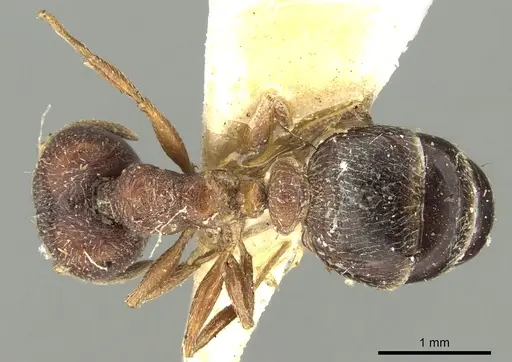
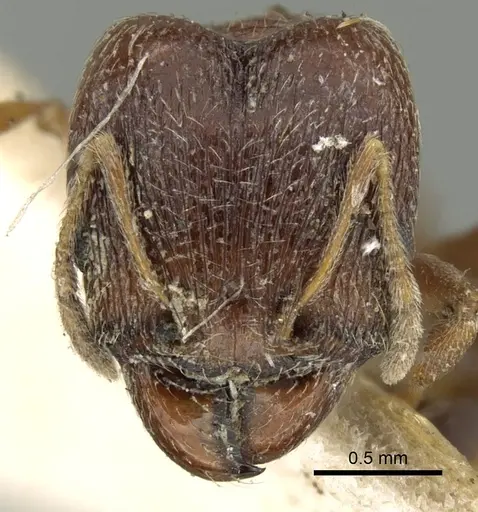
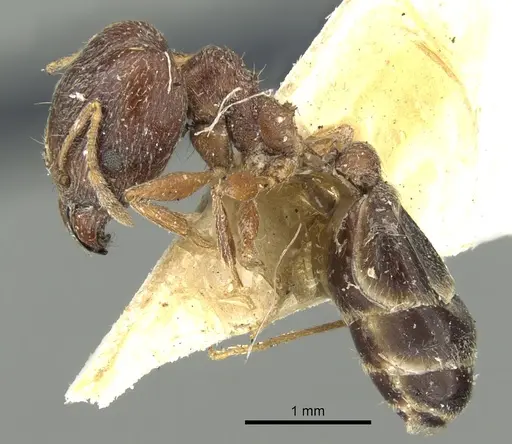
CASENT0281639
View on AntWeb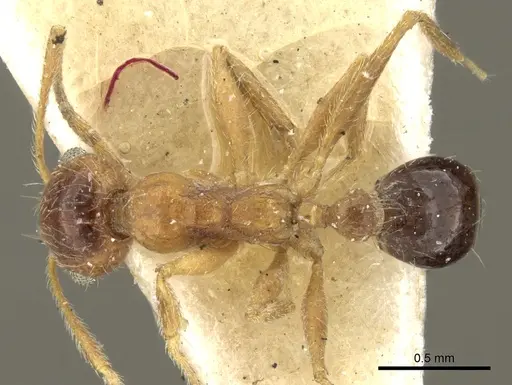
CASENT0907930
View on AntWeb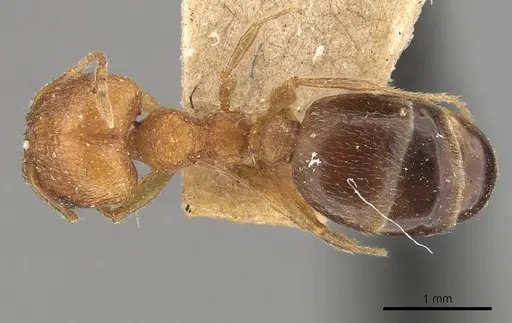
CASENT0907931
View on AntWeb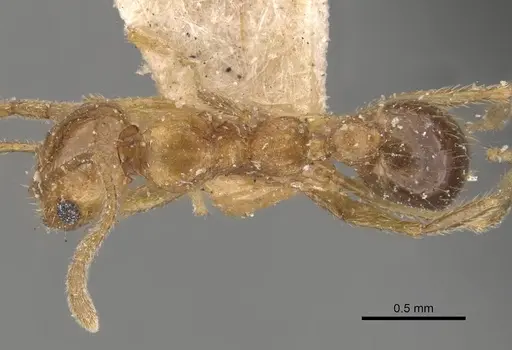
CASENT0923327
View on AntWeb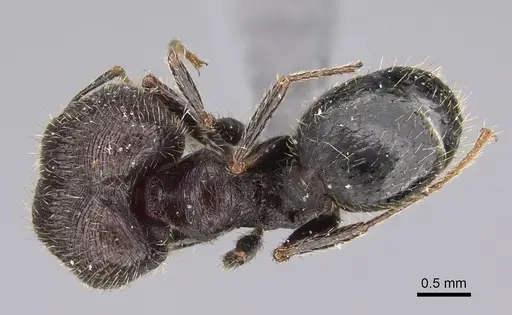
Literature
Loading distribution map...Loading products...