
Pheidole mosenopsis
- Sci. Name
- Pheidole mosenopsis
- Tribe
- Attini
- Subfamily
- Myrmicinae
- Author
- Wilson, 2003
- Distribution
- Found in 6 countries
Introduction
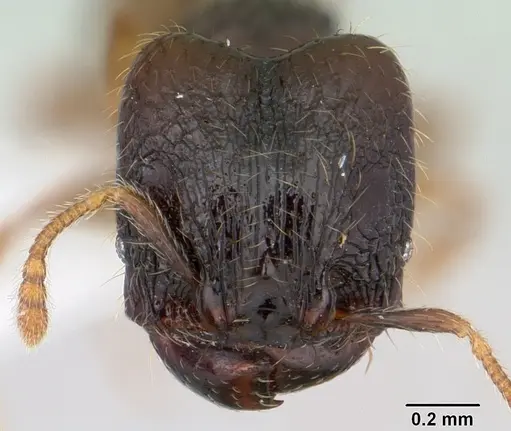
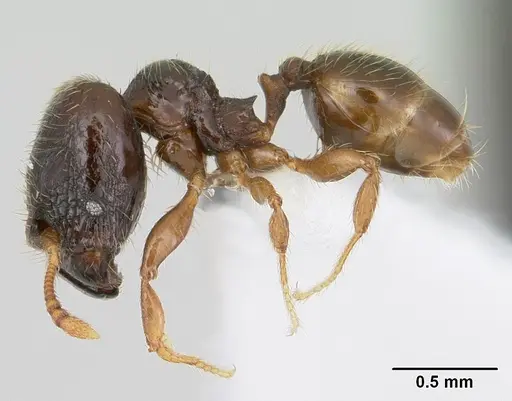
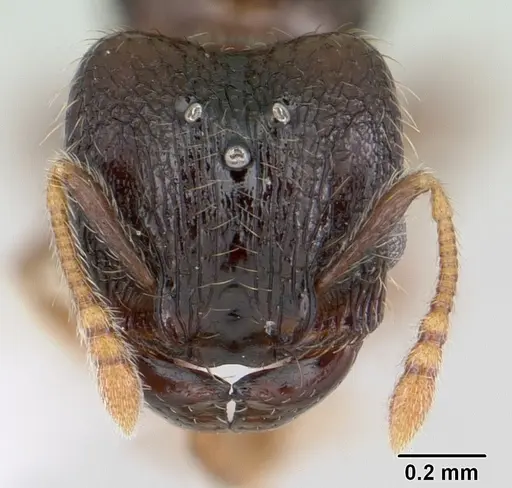
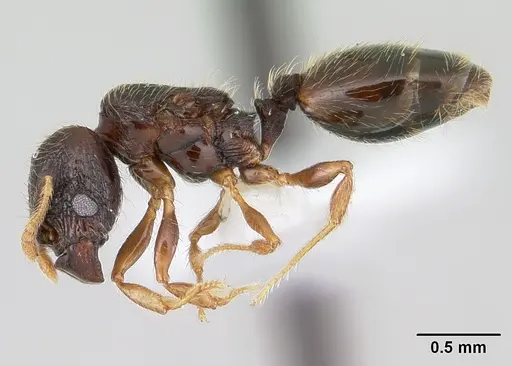
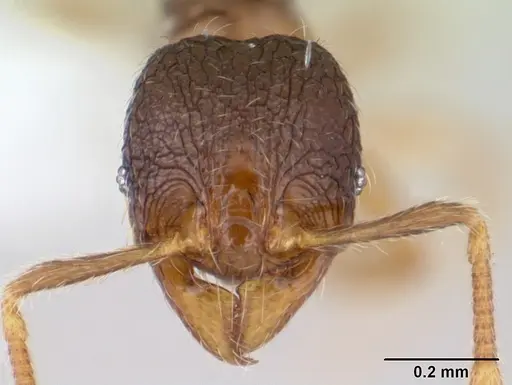
Pheidole mosenopsis is a small Neotropical ant species first described by Wilson in 2003. Like all Pheidole species, they have two worker castes: major workers with enlarged heads for seed processing and minor workers that handle foraging and brood care. Body size data is unavailable, but workers are typically small for the genus . This species is known from Paraguay, Bolivia, Argentina, and Brazil, where it inhabits forest leaf litter in tropical and subtropical regions . A notable feature is their dimorphic castes, with majors specialized for seed processing and defense, while minors are the primary foragers .
Quick Summary
- Difficulty: Medium
- Origin & Habitat: Native to the Neotropical region, found in Bolivia, Paraguay, Argentina, and Brazil. They live in forest leaf litter in tropical and subtropical environments at elevations around 800m [1][2][3].
- Colony Type: Colony structure is unconfirmed, but based on Pheidole patterns, likely monogyne (single queen colonies).
- Size & Growth:
- Queen: Size data unavailable, inferred from Pheidole genus (~5-8 mm)
- Worker: Size data unavailable, inferred from Pheidole genus (~2-5 mm for majors, ~1-3 mm for minors)
- Colony: Colony size is unknown for this species.
- Growth: Moderate, inferred from genus patterns.
- Development: 6-8 weeks, estimated based on typical Pheidole development at tropical temperatures. (Development time is estimated as this species has not been directly studied.)
- Antkeeping:
- Temperature: Temperature needs are unclear, start around 24-28°C and observe, as they are Neotropical.
- Humidity: Keep the nest substrate consistently moist but not waterlogged, as they inhabit forest leaf litter.
- Diapause: No, as a Neotropical species, they do not require hibernation.
- Nesting: They naturally nest in forest leaf litter. In captivity, a Y-tong nest or plaster nest with moist substrate works well.
- Behavior: Pheidole mosenopsis is a dimorphic species with major and minor workers. Majors stay near the nest to process seeds and defend, while minors handle foraging and brood care. They are not particularly aggressive but will defend the nest if threatened. Their very small size means escape prevention is critical, use fine mesh barriers.
- Common Issues: escape prevention is critical due to their very small minor workers, they can squeeze through standard mesh, slow colony growth in the first few months can lead to overfeeding and mold problems, wild-caught colonies may contain parasites that can devastate captive colonies, maintaining consistent humidity without flooding the nest requires attention
Nest Preferences
In the wild, Pheidole mosenopsis nests in forest leaf litter and soil in Neotropical forests. They are ground-dwelling ants that prefer humid, shaded microhabitats [1]. In captivity, they do well in Y-tong nests or plaster nests with multiple connected chambers. The nest should have chambers scaled to their small size, tight passages help them feel secure. Keep the nest substrate consistently moist but not waterlogged. A layer of moist cotton or foam in a test tube connected to the nest works well for humidity control. Avoid dry, exposed setups as these ants thrive in humid conditions.
Feeding and Diet
Pheidole mosenopsis is an omnivorous seed-harvester typical of the genus. They collect seeds and process them using their major workers' enlarged heads. They also forage for small insects and other protein sources. In captivity, offer a varied diet including seeds, small insects, and sugar sources. Protein should be offered 2-3 times per week. Remove uneaten food after 24-48 hours to prevent mold. Majors will stay near the nest to crack and process seeds, while minors do most of the foraging.
Temperature and Care
As a Neotropical species from Paraguay, Bolivia, and Argentina, Pheidole mosenopsis prefers warm temperatures. Temperature needs are unclear, but start around 24-28°C and observe. They do not require hibernation and should be kept at stable temperatures year-round. Avoid temperature drops below 20°C as this can slow colony development. A small heating cable placed on one side of the nest can create a temperature gradient. Room temperature in the low-to-mid 20s°C is often suitable. Monitor colony activity, workers should be actively foraging and tending brood when temperatures are optimal.
Behavior and Temperament
This species displays typical Pheidole dimorphism with distinct major and minor worker castes. Major workers have enlarged heads with specialized mandibles for seed processing and colony defense. Minor workers handle most daily tasks including foraging, brood care, and nest maintenance. They are not particularly aggressive toward keepers but will defend the nest if disturbed. The majors can deliver a mild sting if handled roughly, though their small size limits the effect. Their foraging activity is moderate, they will discover and exploit food sources within a day. The very small size of minor workers makes them excellent escape artists, so use fine mesh and tight-fitting lids. [1]
Colony Growth Timeline
Pheidole mosenopsis colonies grow moderately fast once established. A newly mated queen will lay eggs within the first week of founding. Eggs develop through larval and pupal stages over approximately 6-8 weeks at optimal temperatures before the first workers emerge. These first workers are smaller than normal minors but will begin foraging to support further colony growth. Colony size typically reaches up to 100 workers within the first year under good conditions. Full maturity with large majors may take 1-2 years. Growth rate depends heavily on temperature, feeding frequency, and colony health.
Frequently Asked Questions
How long does it take for Pheidole mosenopsis to produce first workers?
Expect first workers approximately 6-8 weeks after the queen lays eggs, assuming temperatures around 25°C. This is typical for Pheidole species in warm conditions.
What do Pheidole mosenopsis ants eat?
They are omnivorous seed-harvesters. Offer seeds, small insects, and sugar water or honey. Protein should be available 2-3 times weekly.
Can I keep multiple Pheidole mosenopsis queens together?
This species is likely monogyne, so combining unrelated queens is not recommended and will likely result in fighting.
What temperature do Pheidole mosenopsis need?
Keep them warm at 24-28°C. They are Neotropical and do not tolerate cool temperatures well. Avoid drops below 20°C.
Do Pheidole mosenopsis need hibernation?
No, as a Neotropical species from tropical South America, they do not require hibernation. Keep them at warm temperatures year-round.
Why are my Pheidole mosenopsis escaping?
Their minor workers are extremely small and can squeeze through standard mesh. Use fine mesh (at least 0.5mm or smaller) and ensure all openings are sealed tightly.
When should I move Pheidole mosenopsis to a formicarium?
Keep them in a test tube setup until the colony reaches at least 30-50 workers. Once the test tube becomes crowded or the water reservoir is depleted, transfer to a proper nest like a Y-tong or plaster formicarium.
How big do Pheidole mosenopsis colonies get?
Colony size is not documented for this specific species, so it is unknown.
Are Pheidole mosenopsis good for beginners?
They are moderate difficulty. Their small size requires attention to escape prevention, but their straightforward diet and warm temperature requirements make them manageable for intermediate antkeepers.
Report an Issue
The current care sheet is based fully on literature. See inconsistencies, or something that's incorrect? Please , it will be resolved after review from an admin. Contributing to the blogs tab also helps providing information, to make us be able to further improve the caresheets. Thank you for your support!
References

This caresheet is licensed under CC BY-SA 4.0 .
Community Blogs
CASENT0178035
View on AntWeb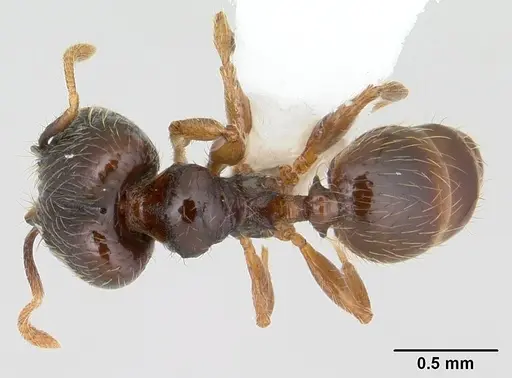
CASENT0178036
View on AntWeb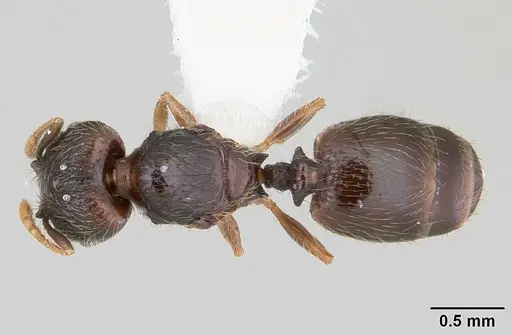
CASENT0178037
View on AntWeb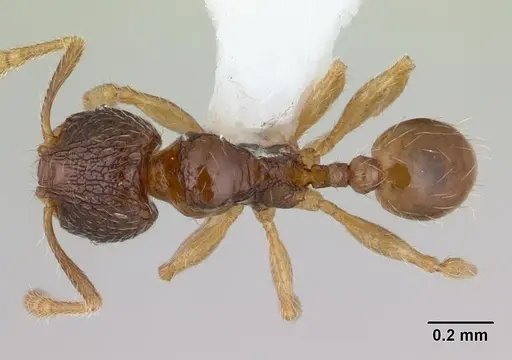
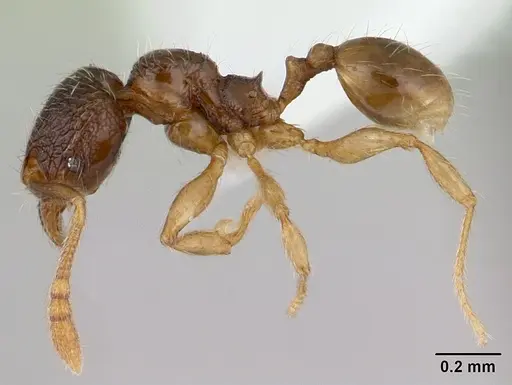
CASENT0178038
View on AntWeb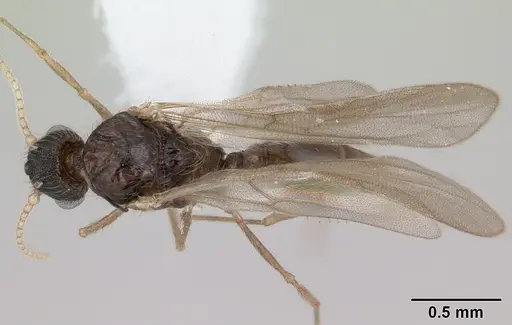
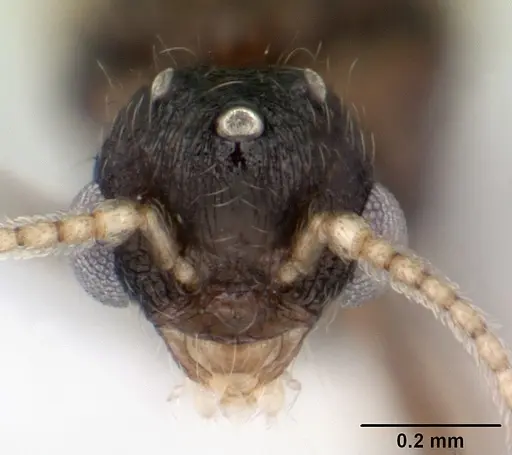
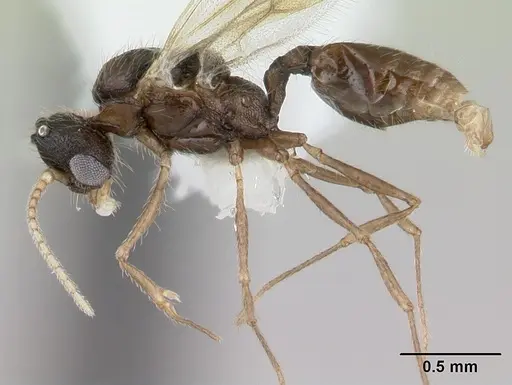
Literature
Loading distribution map...Loading products...