
Pheidole moramanaensis
- Sci. Name
- Pheidole moramanaensis
- Tribe
- Attini
- Subfamily
- Myrmicinae
- Author
- Salata & Fisher, 2020
- Distribution
- Found in 1 countries
Introduction
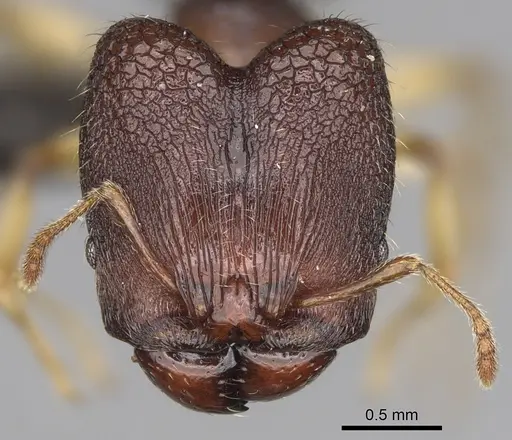
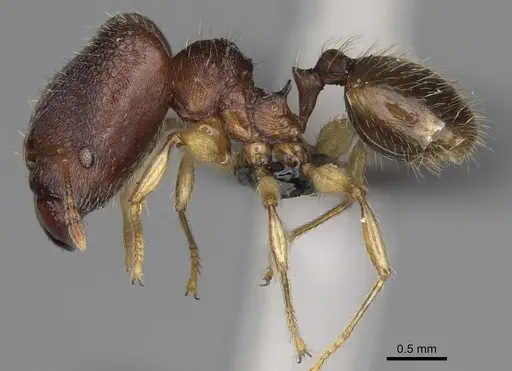
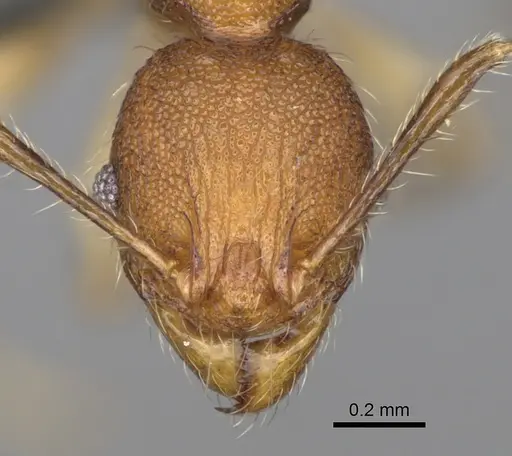
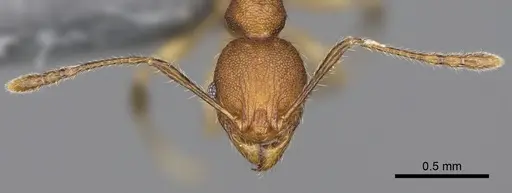
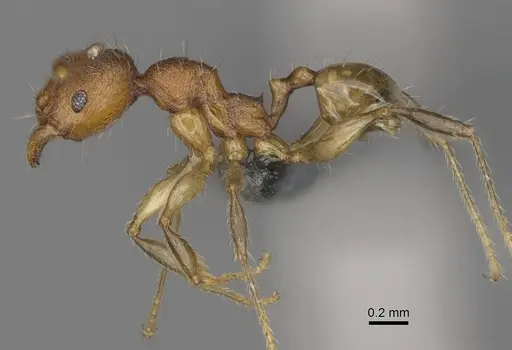
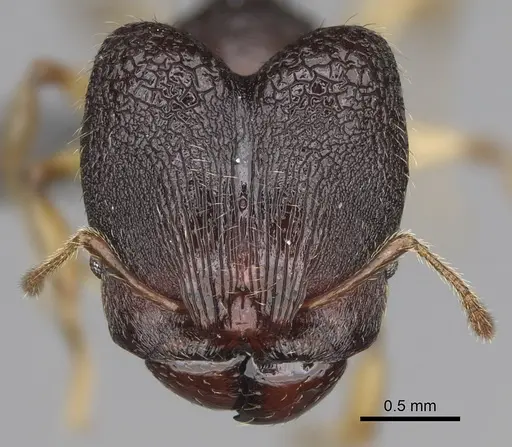
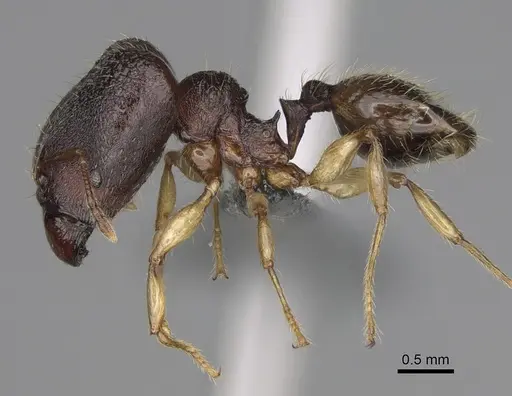
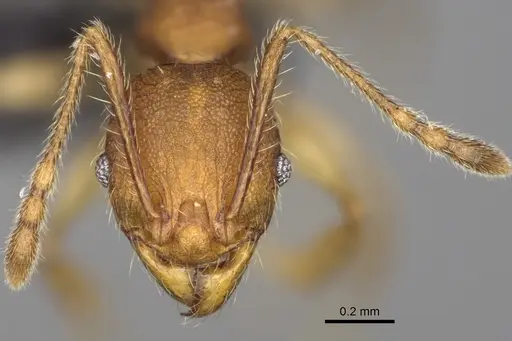
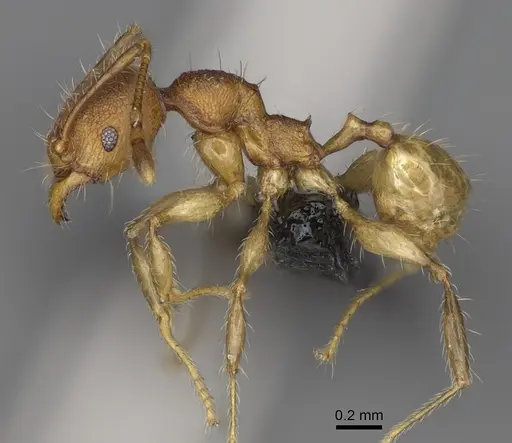
Pheidole moramanaensis is a small ant species native to Madagascar, described in 2020 . It belongs to the Pheidole curvistriata species group and is found in montane rainforest regions around Moramanga in eastern Madagascar, at elevations of 865-1075 meters . Nests are located in rotten logs, rotted twigs on the ground, and dead bamboo above the ground . This species shows the characteristic Pheidole dimorphism with major and minor worker castes .
Quick Summary
- Difficulty: Medium
- Origin & Habitat: Eastern Madagascar (Toamasina region), specifically Forêt Ambatovy near Moramanga. They live in montane rainforest and transition humid forest at elevations of 865-1075 meters. Nests are found in rotten logs, rotted twigs on the ground, and dead bamboo above the ground [1][2].
- Colony Type: Likely monogyne (single queen colony) based on typical Pheidole genus patterns, but unconfirmed for this species. Colonies have major and minor worker castes [1].
- Size & Growth:
- Queen: ~6-8 mm, inferred from Pheidole genus
- Worker: ~2-3 mm, inferred from Pheidole genus
- Colony: Up to several hundred workers, estimated from related species
- Growth: Moderate, based on typical Pheidole development patterns
- Development: Estimated 6-8 weeks at optimal temperature based on genus patterns [1] (Temperature-dependent, tropical species may develop faster in warm conditions)
- Antkeeping:
- Temperature: Keep warm around 24-28°C, based on tropical montane species patterns. Provide a gentle gradient with heating on one side [1].
- Humidity: Keep nest substrate consistently moist but not waterlogged, mimicking rainforest conditions. Provide a water tube for drinking [1][2].
- Diapause: Unknown, this is a tropical species, so true hibernation may not be required. A slight cooling period might be beneficial but is unconfirmed.
- Nesting: Provide a nest that mimics natural habitat, such as Y-tong (AAC) or plaster nests with small chambers. They prefer wood-based materials over soil [1].
- Behavior: This species is relatively calm. Major workers defend the nest and process seeds, while minors handle foraging and brood care. They are not aggressive but will bite if threatened. Minor workers are very small, so escape prevention is critical. They are primarily seed-harvesters but also collect insects and honeydew [1][2].
- Common Issues: small minor workers mean escapes are likely without fine mesh barriers, limited species-specific information means some care is based on genus patterns, humidity control is important, too wet causes mold, too dry causes desiccation, tropical species may be sensitive to temperature drops below 20°C, newly described species means captive breeding success is not well-documented
Housing and Nest Setup
Pheidole moramanaensis naturally nests in rotting wood, dead twigs, and bamboo above ground level [1]. For captive care, use a Y-tong (AAC) or plaster nest with small chambers. Provide a small water tube for drinking water. Place the nest in a dark area as they prefer dim conditions. The outworld should have some substrate for foraging. Use excellent escape prevention, minor workers are tiny and can squeeze through small gaps [1][2].
Feeding and Diet
Pheidole moramanaensis is an omnivore that primarily harvests seeds and collects insect prey. Offer a mix of seeds (e.g., millet, chia) and protein sources (e.g., fruit flies, mealworms). They will also accept sugar water or honey. Feed small amounts every 2-3 days, removing uneaten food to prevent mold. Major workers have large heads for seed processing, so include seeds in their diet [1][2].
Temperature and Humidity
This is a tropical montane species from Madagascar that prefers warm, humid conditions. Maintain temperatures between 24-28°C during the active season. Keep humidity by ensuring the nest substrate is moist but not saturated. Mist the outworld occasionally but avoid directly misting the nest [1].
Colony Development
Pheidole moramanaensis was described in 2020,so detailed development data is limited. Based on typical Pheidole patterns, eggs hatch in 1-2 weeks, larvae develop over 2-3 weeks, and pupae emerge as first workers after another 1-2 weeks. Total time from egg to first worker is approximately 6-8 weeks at optimal temperature. The colony grows slowly, with major workers appearing as the colony reaches several dozen workers [1].
Behavior and Defense
This species shows typical Pheidole behavior: majors defend the nest and process seeds, while minors handle foraging and brood care. They are not particularly aggressive but will bite if threatened. Minor workers are very small, so escape prevention is critical. They have a sting, as typical for Myrmicinae, but it is less medically significant [1][2].
Frequently Asked Questions
How long does it take for Pheidole moramanaensis to produce first workers?
Expect first workers in approximately 6-8 weeks from egg laying at optimal temperatures of 24-28°C, based on typical Pheidole development patterns [1].
What do Pheidole moramanaensis ants eat?
They are omnivores that eat seeds, small insects, and sugar sources. Offer a mix of tiny seeds, protein like fruit flies, and occasional honey or sugar water [1][2].
Can I keep multiple Pheidole moramanaensis queens together?
Not recommended, as they are likely monogyne (single queen colonies). Combining unrelated queens typically results in fighting [1].
What temperature do Pheidole moramanaensis ants need?
Keep them warm at 24-28°C during the active season, based on their tropical montane habitat [1].
What type of nest should I use for Pheidole moramanaensis?
Use a Y-tong (AAC) or plaster nest with small chambers, mimicking their natural rotting wood habitat. Keep the nest humid and dark [1].
Are Pheidole moramanaensis good for beginners?
This species is rated as medium difficulty. The main challenges are escape prevention due to tiny workers and providing appropriate humidity [1].
How big do Pheidole moramanaensis colonies get?
Exact colony size is unknown, but related Pheidole species typically reach up to several hundred workers. Growth is moderate [1].
Do Pheidole moramanaensis need hibernation?
This is a tropical species, so true hibernation is unconfirmed. A slight cooling period might be beneficial but is not required [1].
Why are my Pheidole moramanaensis escaping?
Minor workers are very small and can squeeze through tiny gaps. Use fine mesh on all openings and apply barrier tape to prevent escapes [1].
Report an Issue
The current care sheet is based fully on literature. See inconsistencies, or something that's incorrect? Please , it will be resolved after review from an admin. Contributing to the blogs tab also helps providing information, to make us be able to further improve the caresheets. Thank you for your support!
References

This caresheet is licensed under CC BY-SA 4.0 .
Community Blogs
CASENT0050486
View on AntWeb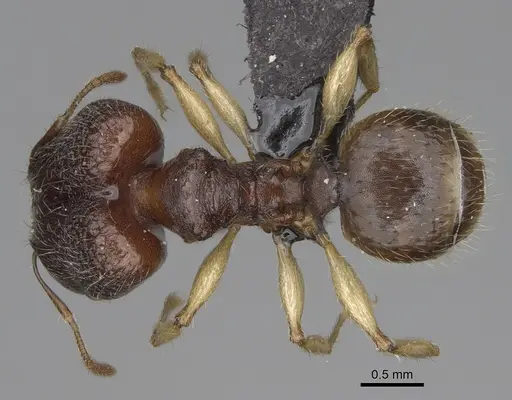
CASENT0300854
View on AntWeb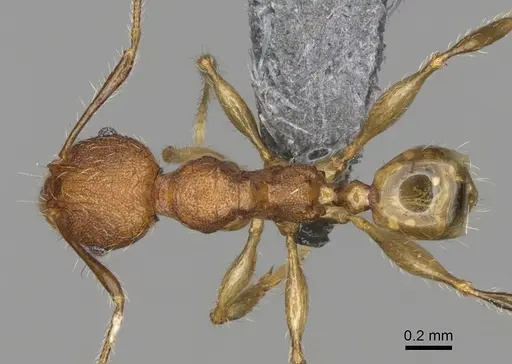
CASENT0300855
View on AntWeb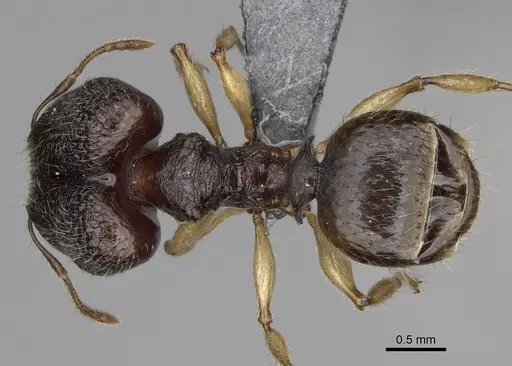
CASENT0923172
View on AntWeb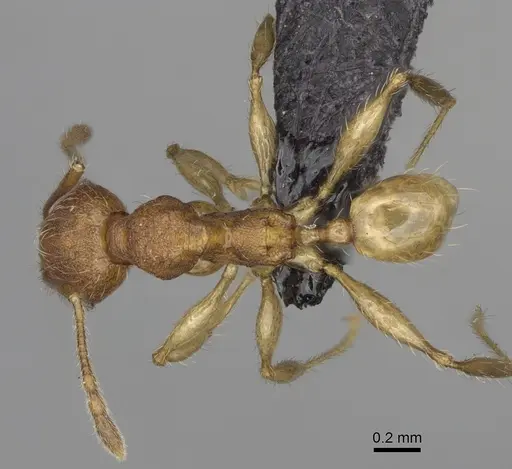
Literature
Loading distribution map...Loading products...