
Pheidole montana
- Sci. Name
- Pheidole montana
- Tribe
- Attini
- Subfamily
- Myrmicinae
- Author
- Eguchi, 1999
- Distribution
- Found in 1 countries
Introduction
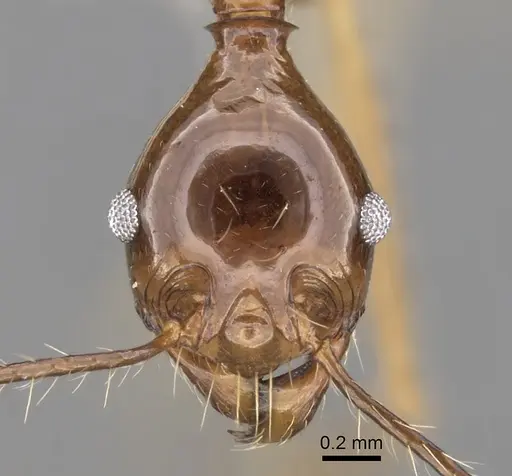
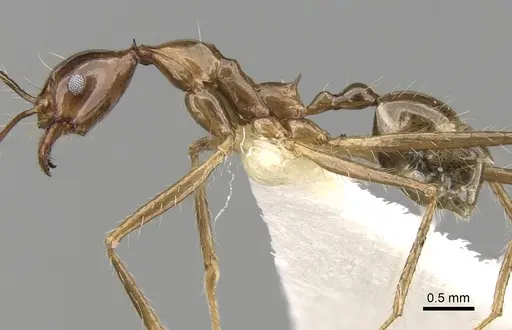
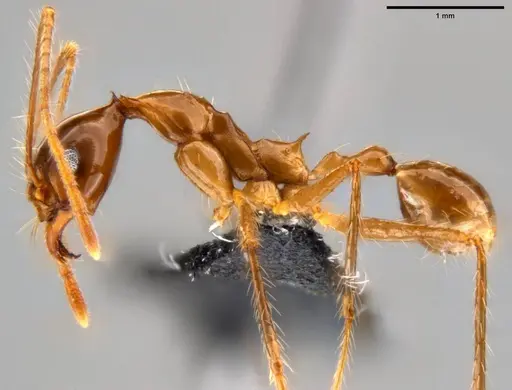
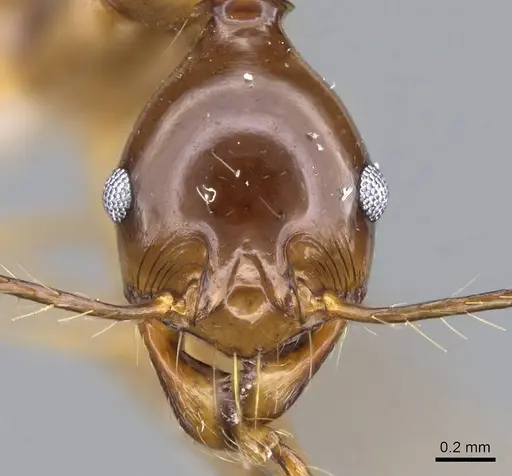
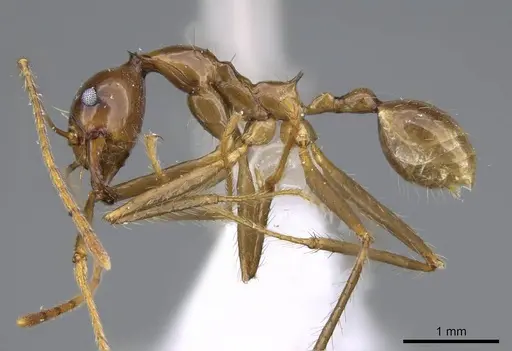
Pheidole montana is a medium-sized ant native to Borneo, Indonesia, and Malaysia. Major workers are 5.8-6.3 mm total length, and minor workers are 3.5-4.8 mm . The species is part of the P. smythiesii clade and closely related to Pheidole comata and Pheidole longipes . It inhabits well-developed hill forests, nesting in soil and rotting logs .
Quick Summary
- Difficulty: Medium
- Origin & Habitat: Borneo, Indonesia, and Malaysia, well-developed hill forests [1]. Nests in soil and rotting logs [1].
- Colony Type: Colony structure is unconfirmed for this species. Based on Pheidole genus patterns, most species are single-queen (monogyne) colonies, but specific data for P. montana is lacking.
- Size & Growth:
- Queen: Size data unavailable, inferred from Pheidole genus to be approximately 7-9 mm.
- Worker: Major workers: 5.8-6.3 mm, minor workers: 3.5-4.8 mm [1].
- Colony: Up to several hundred workers, estimated based on typical Pheidole colonies.
- Growth: Moderate, estimated.
- Development: Estimated 6-10 weeks based on typical Pheidole development. (No specific data, tropical habitat suggests faster development.)
- Antkeeping:
- Temperature: Based on Bornean hill forest habitat [1], keep at 24-28°C with a gradient.
- Humidity: Based on forest habitat [1], keep substrate consistently moist but not waterlogged.
- Diapause: No, tropical species do not require hibernation.
- Nesting: Naturalistic setups with soil or rotting wood, as they nest in soil and logs [1].
- Behavior: Based on Pheidole genus patterns, defensive but not aggressive. Active foragers, primarily nocturnal. Escape risk is moderate due to medium size, ensure tight barriers.
- Common Issues: humidity drops can kill colonies, forest species need consistent moisture [1]., mold can grow in rotting log setups if ventilation is poor., escape risk due to medium size, ensure tight barriers.
Nest Preferences
In the wild, Pheidole montana nests in soil and rotting logs within well-developed hill forests [1]. For captive care, use a naturalistic setup with soil-like substrate to allow tunneling. Add rotten wood pieces to encourage natural behavior. Test tubes work for founding, but long-term, a formicarium with appropriate chambers is better. Ensure high humidity without waterlogging.
Frequently Asked Questions
How long does it take for Pheidole montana to raise first workers?
The exact timeline is unknown, but based on typical Pheidole development, it may take 6-10 weeks at optimal temperatures (24-28°C).
What do Pheidole montana ants eat?
Diet data is not available from research. As Pheidole, they are likely omnivorous, but specific foods are not documented for this species.
Do Pheidole montana ants need hibernation?
No, as a tropical species from Borneo, they do not require hibernation [1].
Can I keep multiple Pheidole montana queens together?
This is not recommended. Most Pheidole species are single-queen, and specific data for P. montana is lacking.
What size colony does Pheidole montana reach?
Colony size is unconfirmed, but up to several hundred workers estimated based on typical Pheidole patterns.
What humidity level do Pheidole montana ants need?
High humidity is essential, based on their forest habitat [1]. Keep nest substrate consistently moist but not waterlogged.
Are Pheidole montana ants good for beginners?
They are rated as medium difficulty due to humidity needs and slow founding phase.
When should I move Pheidole montana to a formicarium?
Once the colony reaches 30-50 workers and shows space limitations, consider moving to a naturalistic setup with soil substrate.
What is the best nest type for Pheidole montana?
Naturalistic setups with soil or soil-like substrates work best, as this matches their natural nesting in soil and rotting logs [1]. Y-tong nests with appropriately sized chambers are also suitable.
Report an Issue
The current care sheet is based fully on literature. See inconsistencies, or something that's incorrect? Please , it will be resolved after review from an admin. Contributing to the blogs tab also helps providing information, to make us be able to further improve the caresheets. Thank you for your support!
References

This caresheet is licensed under CC BY-SA 4.0 .
Community Blogs
CASENT0281649
View on AntWeb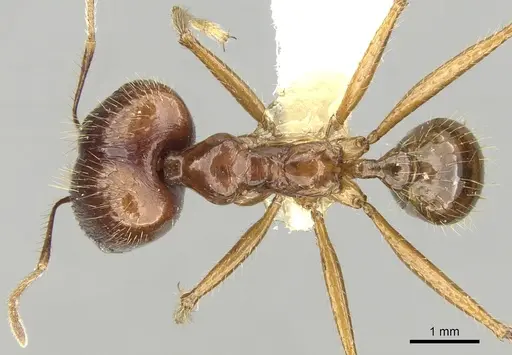
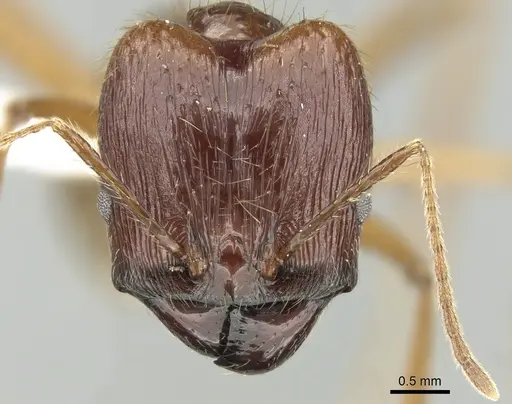
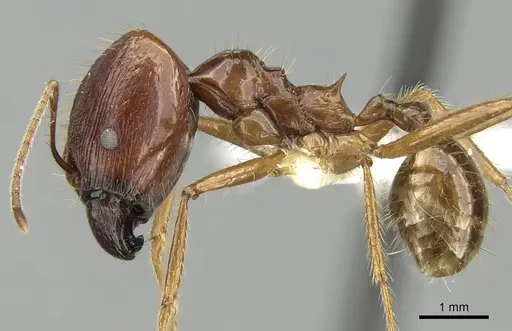
CASENT0281650
View on AntWeb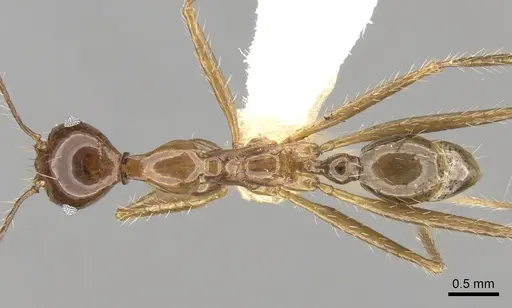
CASENT0282607
View on AntWeb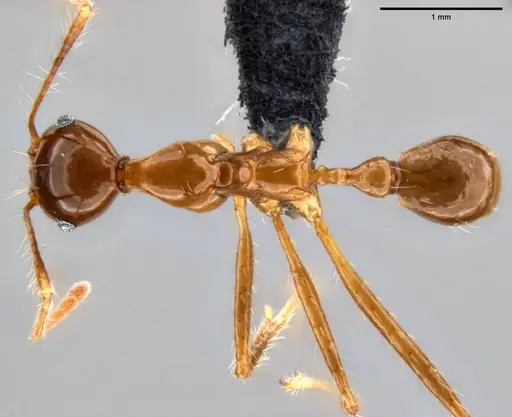
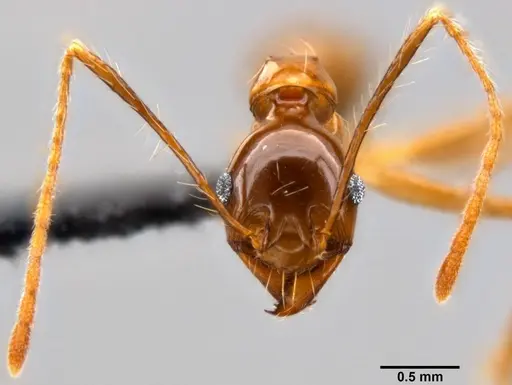
CASENT0922206
View on AntWeb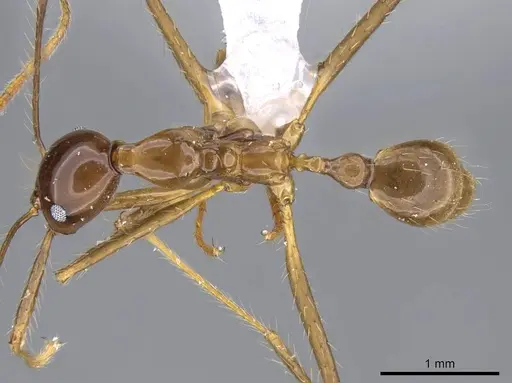
Literature
Loading distribution map...Loading products...