
Pheidole mjobergi
- Sci. Name
- Pheidole mjobergi
- Tribe
- Attini
- Subfamily
- Myrmicinae
- Author
- Forel, 1915
- Distribution
- Found in 1 countries
Introduction
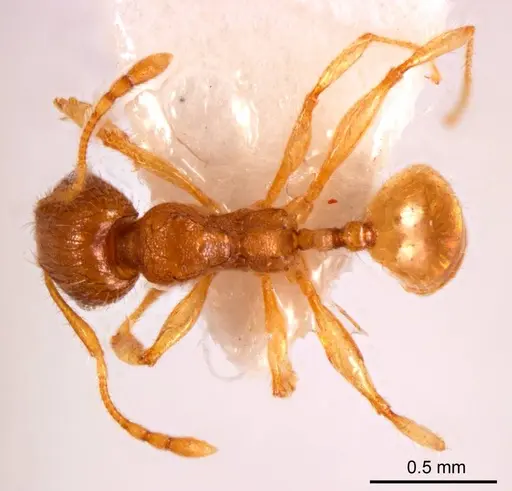
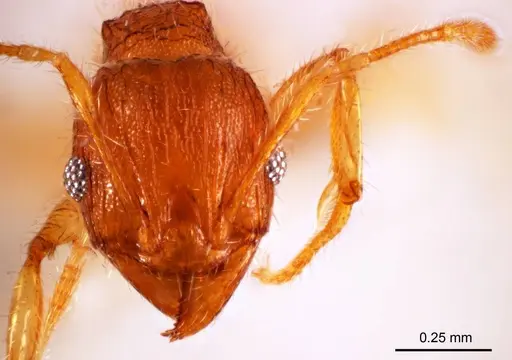
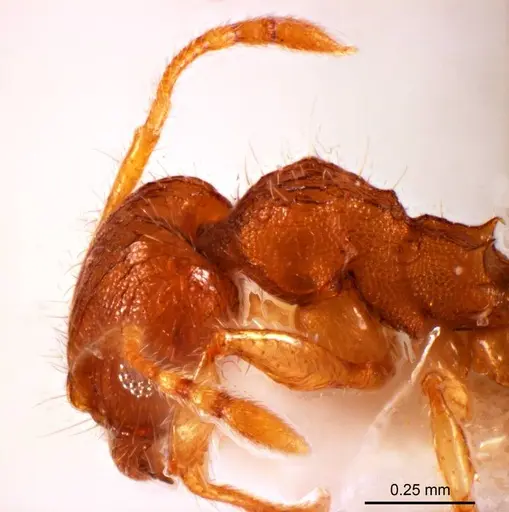
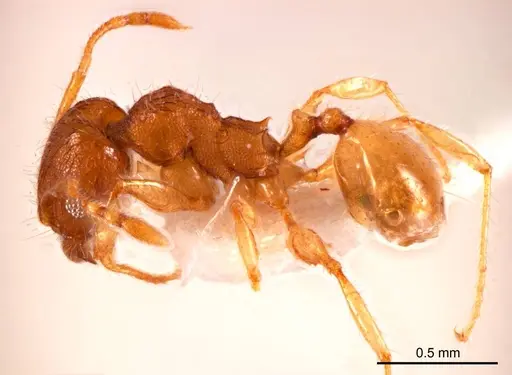
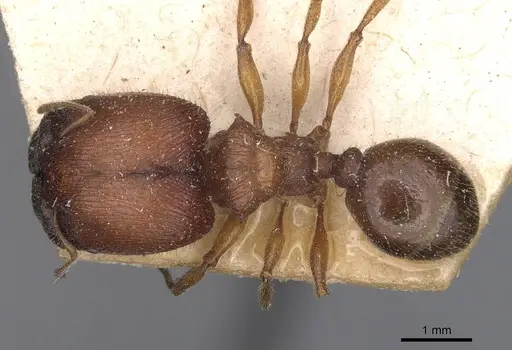
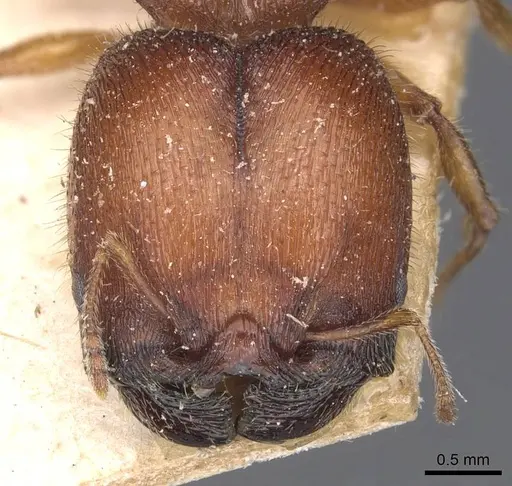
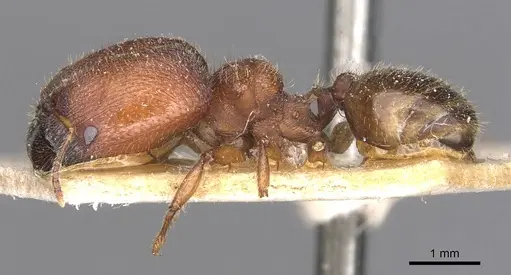
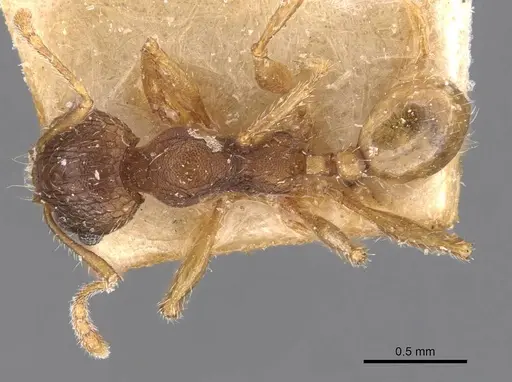
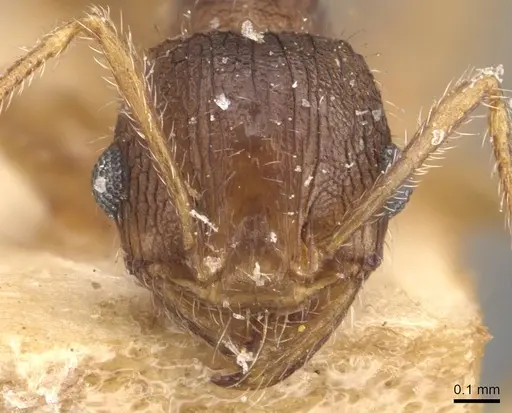
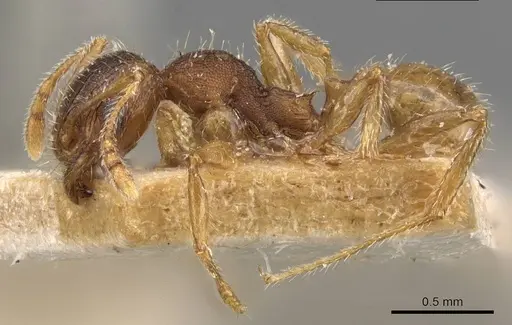
Pheidole mjobergi is an Australian ant species with two distinct worker castes: minor workers and major workers (soldiers) with enlarged heads . It is found in Western Australia, including the Pilbara bioregion and Barrow Island . This species is a major group in monsoonal regions of northern Australia and has been successfully DNA barcoded for identification . Size data unavailable - no total length measurements are provided in the research context.
Quick Summary
- Difficulty: Medium
- Origin & Habitat: Western Australia, specifically arid to semi-arid landscapes such as the Pilbara bioregion and Barrow Island [4][3][2].
- Colony Type: Unconfirmed, no specific data on queen number or social structure for this species.
- Size & Growth:
- Queen: Size data unavailable, no total length measurements provided.
- Worker: Size data unavailable, no total length measurements provided.
- Colony: Unknown, no data on maximum colony size.
- Growth: Moderate, inferred from Pheidole genus patterns.
- Development: Estimated 6-8 weeks at warm temperatures, inferred from Pheidole genus patterns. (Development time may vary with temperature, no species-specific data available.)
- Antkeeping:
- Temperature: Keep warm, around 24-28°C, based on genus patterns for Australian ants.
- Humidity: Keep nest substrate moderately dry, as they are from arid regions.
- Diapause: Unknown, no data on hibernation or diapause for this species.
- Nesting: Prefer soil or under stones in the wild, in captivity, use test tubes for founding or Y-tong nests with soil substrate.
- Behavior: Non-aggressive but will defend their nest vigorously. Major workers serve as soldiers, while minor workers handle foraging and brood care [1]. Escape risk is moderate due to their size, ensure setups have no gaps.
- Common Issues: colonies may stagnate if temperatures are too cool, maintain warmth for active growth., overwatering can cause mold problems and colony decline given their arid origin., majors may appear alarming to new keepers but are normal and serve defensive purposes., slow initial growth during founding phase is normal, patience is required., wild-caught colonies may carry parasites that can devastate captive colonies.
Housing and Nest Setup
For founding colonies, use a test tube setup with water and cotton plug for humidity [2]. Place the queen in a dark, quiet location and avoid disturbance. Once the colony has workers, transition to Y-tong or soil-based nests. Pheidole species prefer enclosed chambers, so avoid tall, open spaces [2].
Feeding and Diet
Pheidole mjobergi is omnivorous. Feed protein sources like small insects 2-3 times per week and provide constant carbohydrates like sugar water. Remove uneaten prey after 24 hours to prevent mold.
Temperature and Heating
Maintain temperatures between 24-28°C for optimal activity. Use a heating cable on one side of the nest to create a gradient. Avoid temperatures below 20°C for extended periods.
Colony Development and Growth
Colonies start slowly with the queen tending brood alone until first workers emerge. Growth becomes steadier with worker assistance. Major workers appear as the colony matures [1]. Expect moderate growth rates.
Behavior and Defense
This species is not overly aggressive but defends its nest. Major workers block entrances and bite intruders, while minors handle daily tasks [1]. They are active foragers and explore outworlds for food.
Frequently Asked Questions
How long does it take for Pheidole mjobergi to have first workers?
Expect first workers around 6-8 weeks after egg laying at warm temperatures, inferred from Pheidole genus patterns.
What do Pheidole mjobergi ants eat?
They are omnivorous. Feed small protein sources like fruit flies and carbohydrates like sugar water.
Are Pheidole mjobergi good for beginners?
They are moderate difficulty due to warm temperature needs and moderate growth rate.
How big do Pheidole mjobergi colonies get?
Colony size is unknown, no data on maximum size available.
What temperature do Pheidole mjobergi need?
Keep them warm at 24-28°C, based on genus patterns.
Can I keep multiple Pheidole mjobergi queens together?
Colony type is unconfirmed, but Pheidole species are typically single-queen, combining queens is not recommended.
Do Pheidole mjobergi need hibernation?
Diapause is unknown for this species, no data available.
When should I move Pheidole mjobergi to a formicarium?
Keep in test tube setup until workers are present, then transition to Y-tong or soil nests [2].
Why are my Pheidole mjobergi dying?
Common causes include cool temperatures, overwatering, disturbance, or parasites from wild-caught colonies. Match setup to warm, dry preferences.
Report an Issue
The current care sheet is based fully on literature. See inconsistencies, or something that's incorrect? Please , it will be resolved after review from an admin. Contributing to the blogs tab also helps providing information, to make us be able to further improve the caresheets. Thank you for your support!
References

This caresheet is licensed under CC BY-SA 4.0 .
Community Blogs
Literature
Loading distribution map...Loading products...