
Pheidole minima
- Sci. Name
- Pheidole minima
- Tribe
- Attini
- Subfamily
- Myrmicinae
- Author
- Mayr, 1901
- Distribution
- Found in 2 countries
Introduction
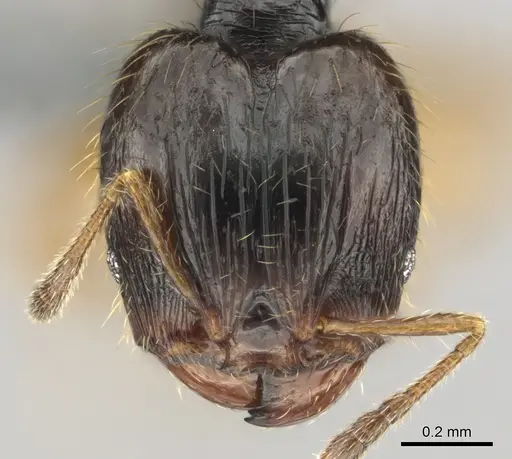
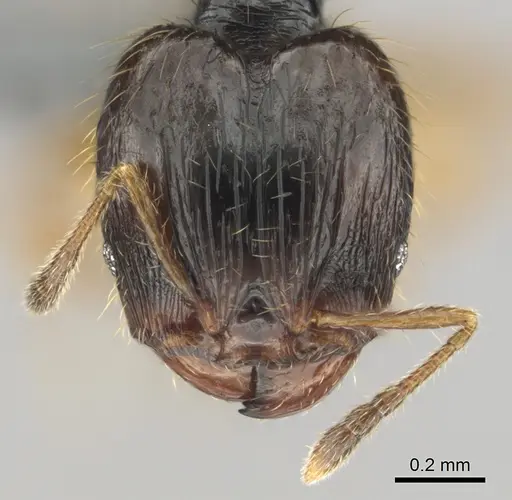
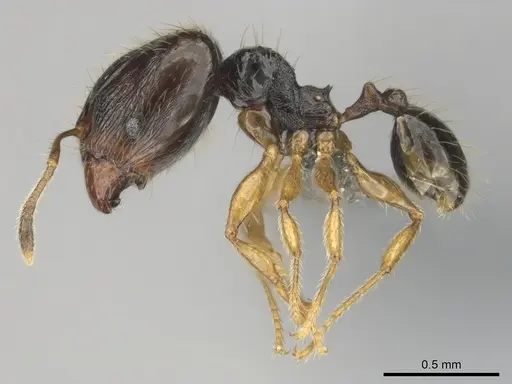
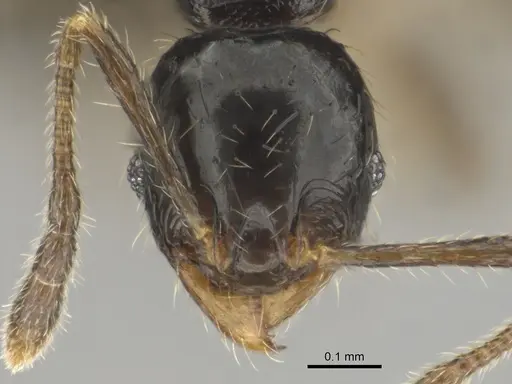
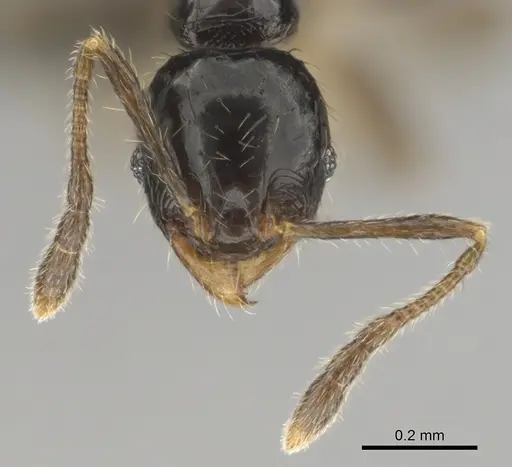
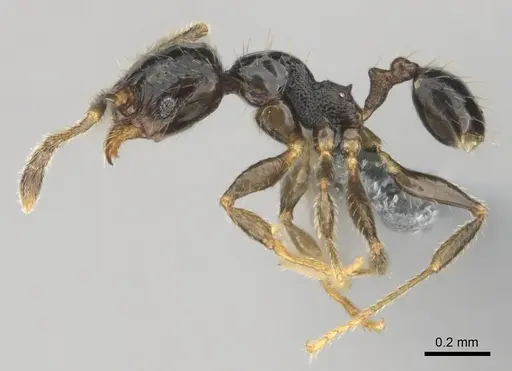
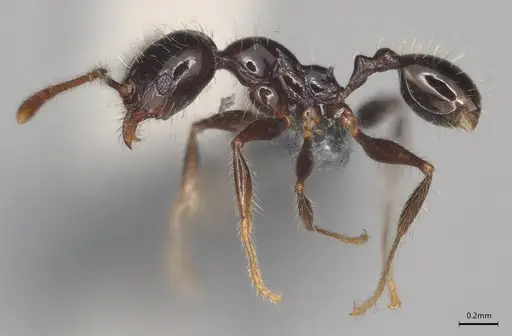
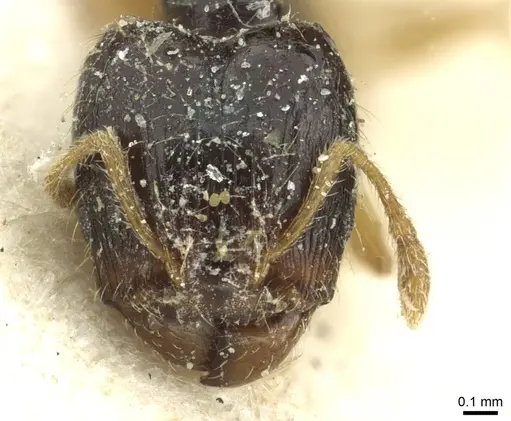
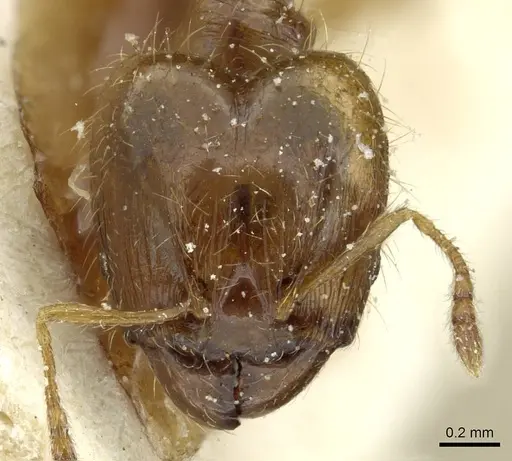
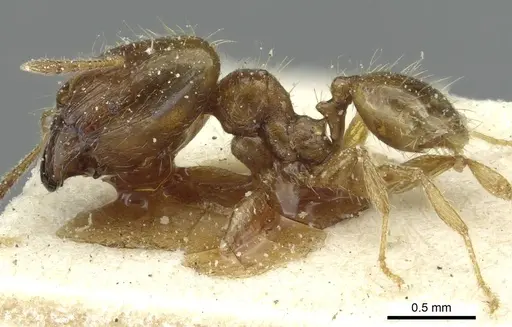
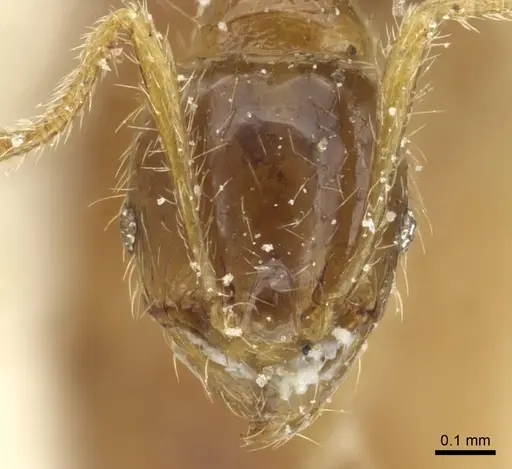
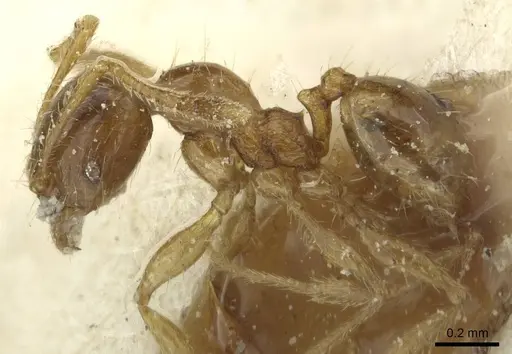
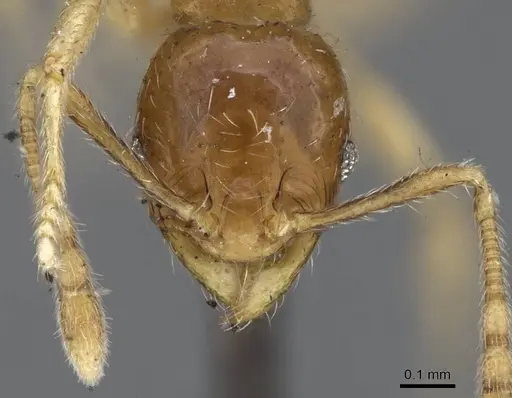
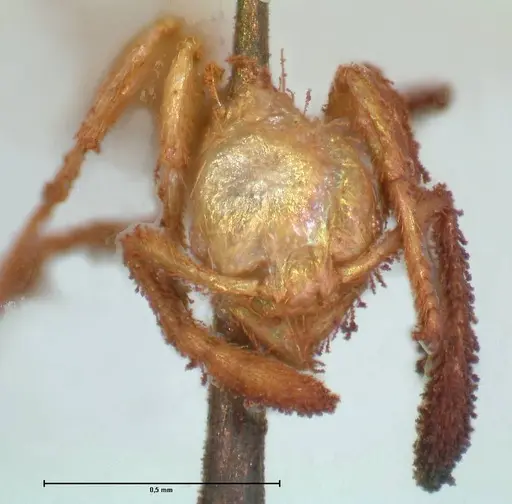
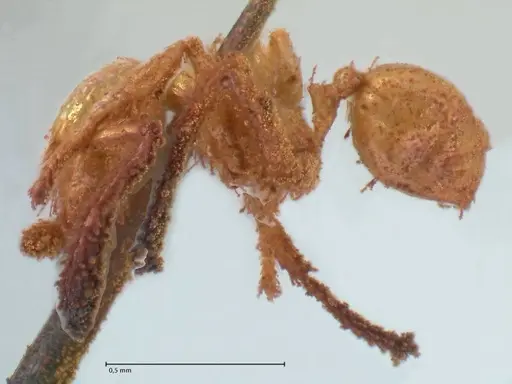
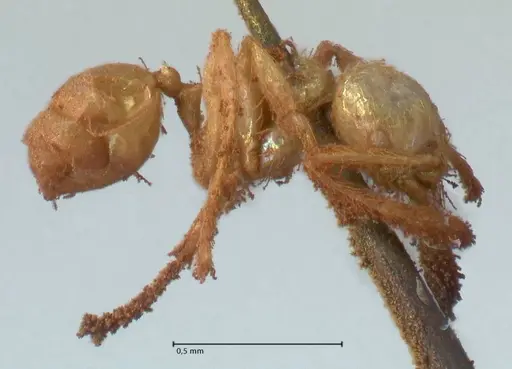
Pheidole minima is a small dimorphic ant species native to West and Central Africa, found in countries including Cameroon, Guinea, Mali, Nigeria, and the Democratic Republic of Congo . Workers are dimorphic with minor workers being small and major workers having enlarged heads for defense and seed processing . The species is part of the Attini tribe and is primarily granivorous . These ants are endemic to the Afrotropical region and have been documented foraging on palm leaves in late afternoon hours in Mali .
Quick Summary
- Difficulty: Easy
- Origin & Habitat: Native to West and Central Africa, inhabiting tropical savanna and forest edge environments, typically nesting in soil or under stones [1][2][3][4].
- Colony Type: Unconfirmed, no specific data on queen number available.
- Size & Growth:
- Queen: Size data unavailable, no total length measurements in research.
- Worker: Minor workers are small, major workers have enlarged heads [5].
- Colony: Unknown, no colony size data available.
- Growth: Unknown
- Development: Unknown, no specific data on development time. (Development time inferred from tropical ant patterns.)
- Antkeeping:
- Temperature: Keep warm, roughly 24-28°C, as inferred from tropical habitat.
- Humidity: Keep nest substrate consistently moist but not waterlogged.
- Diapause: No, tropical species do not require hibernation.
- Nesting: Adaptable to various nest types, prefer enclosed spaces with some moisture.
- Behavior: Generally peaceful. Major workers defend the colony and help process seeds. Foraging occurs primarily in evening hours [2]. Escape risk is moderate due to small size.
- Common Issues: small size makes escape prevention important, use fine mesh barriers., tropical species may struggle in cool rooms without heating., seed-eating means they need appropriate grain foods alongside protein., colonies may be slow to establish initially, patience needed during founding.
Housing and Nest Setup
Pheidole minima adapts well to various captive setups. Test tubes work fine for founding colonies, use a small water reservoir and fill about one-third with cotton. The tube should be dark to simulate an underground chamber. Once the colony reaches a small number of workers, you can move them to a small formicarium or Y-tong nest. Given their tiny size, ensure all connections between outworld and nest are tight-fitting. A small outworld area is fine, these ants don't need much space initially. Provide a shallow water source like a cotton ball in a bottle cap.
Feeding and Diet
As granivorous ants, Pheidole minima primarily collects and processes seeds. Offer small seeds like millet, chia, or cracked sunflower seeds, majors will crush these with their powerful mandibles. They also accept protein sources like small insects (fruit flies, pinhead crickets, mealworms). Sugar water or honey can be offered occasionally. Feed every 2-3 days, removing uneaten food to prevent mold. The evening foraging activity documented in Mali suggests they are most active in late afternoon, consider timing feedings accordingly [2].
Temperature and Heating
These tropical ants require warm conditions. Maintain nest temperatures roughly 24-28°C, as inferred from their habitat. A heating cable placed on top of the nest creates a gentle warmth gradient. Room temperature is usually too cool unless you live in a warm climate. Monitor colony behavior, if workers cluster near the heated area, the temperature is right. Consistent warmth is more important than extreme temperatures.
Colony Development and Growth
Founding behavior is unconfirmed. Expect slow initial growth, with first workers emerging after an unknown period at optimal temperature. Once established, growth may accelerate as more workers emerge. Major workers appear as the colony grows and serve as defenders and seed processors.
Behavior and Observation
This species is peaceful and interesting to observe. Minor workers handle most tasks, foraging, caring for brood, and maintaining the nest. Major workers specialize in seed crushing and colony defense. They show increased activity in evening hours as documented in their natural habitat [2]. The dimorphic caste system is interesting to watch, majors use their enlarged heads to crack seeds while minors carry the crushed pieces back to the nest. They are not aggressive toward humans and rarely sting.
Frequently Asked Questions
How long does it take for Pheidole minima to have first workers?
Unknown, no specific data on development time for this species. Development time is inferred from tropical ant patterns.
What do Pheidole minima ants eat?
They are primarily granivorous, offer small seeds like millet, chia, or cracked sunflower seeds. They also accept protein like fruit flies, small crickets, and mealworms. Occasional sugar water or honey is also accepted [5].
Do Pheidole minima ants need hibernation?
No, as a tropical African species, they do not require hibernation. Keep them warm year-round.
Can I keep multiple Pheidole minima queens together?
Colony type is unconfirmed, no data on queen number available. Combining unrelated foundress queens carries risks and should be approached with caution.
What size colony does Pheidole minima reach?
Unknown, no colony size data available for this species.
Are Pheidole minima ants good for beginners?
Yes, they are considered easy to keep. They are peaceful, don't require hibernation, and adapt well to captive conditions. Their small size and simple care requirements make them suitable for new antkeepers.
What temperature is best for Pheidole minima?
Keep nest areas roughly 24-28°C, as inferred from their tropical habitat. Use a heating cable on top of the nest to maintain warmth, especially in cooler rooms.
When should I move Pheidole minima to a formicarium?
Move from test tube to formicarium once the colony reaches a small number of workers. A small Y-tong or naturalistic setup with soil works well.
Why is my Pheidole minima colony dying?
Common causes include: temperatures too cool, too dry conditions, mold from overfeeding, or escape due to inadequate barriers. Check temperature and humidity first.
Report an Issue
The current care sheet is based fully on literature. See inconsistencies, or something that's incorrect? Please , it will be resolved after review from an admin. Contributing to the blogs tab also helps providing information, to make us be able to further improve the caresheets. Thank you for your support!
References

This caresheet is licensed under CC BY-SA 4.0 .
Community Blogs
CASENT0815903
View on AntWeb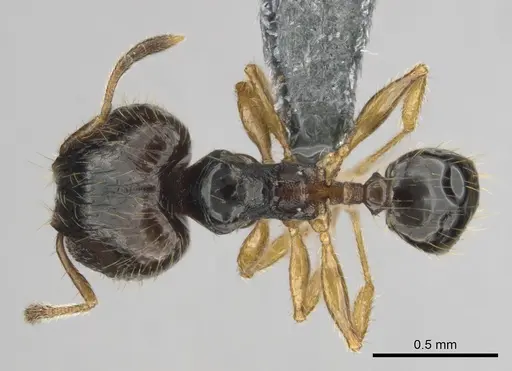
CASENT0815904
View on AntWeb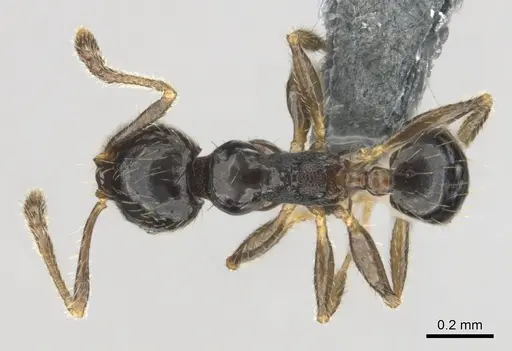
CASENT0830202
View on AntWeb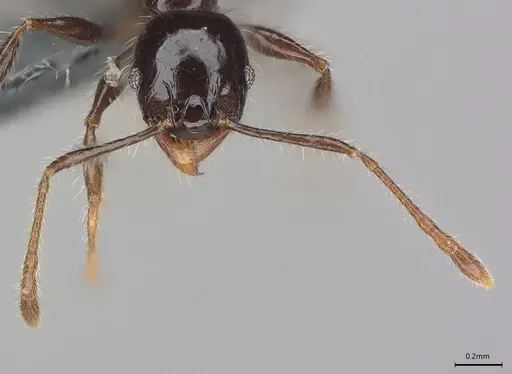
CASENT0913352
View on AntWeb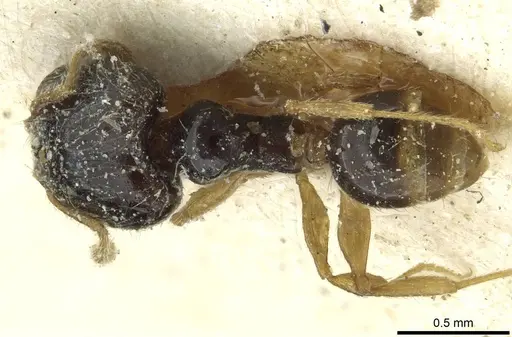
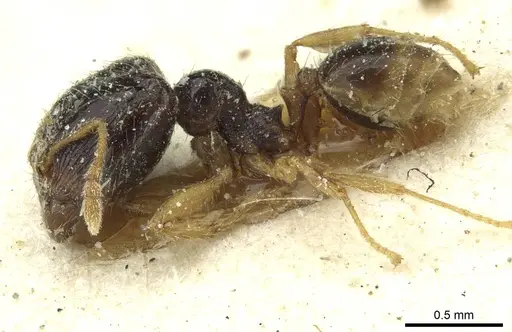
CASENT0913353
View on AntWeb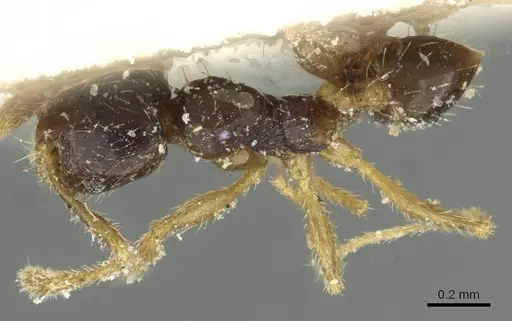
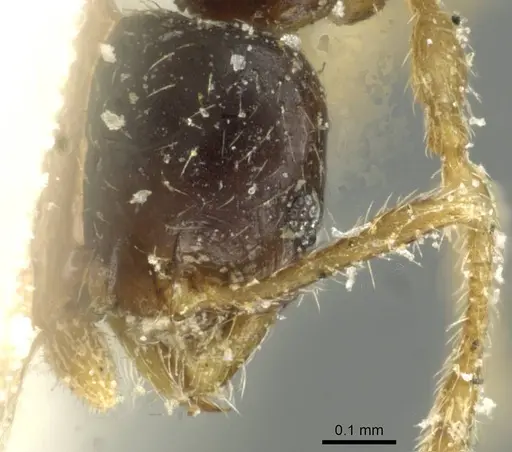
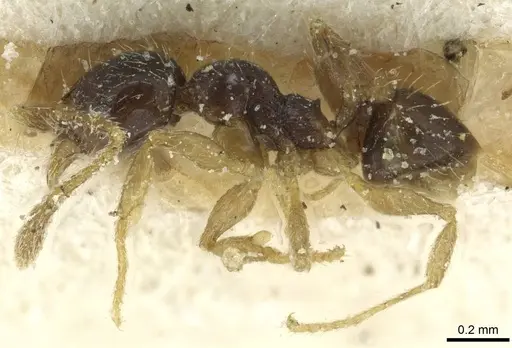
CASENT0913354
View on AntWeb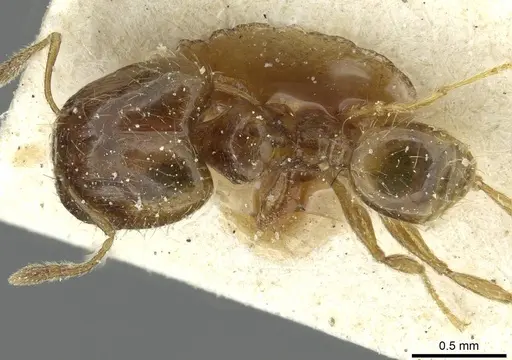
CASENT0913355
View on AntWeb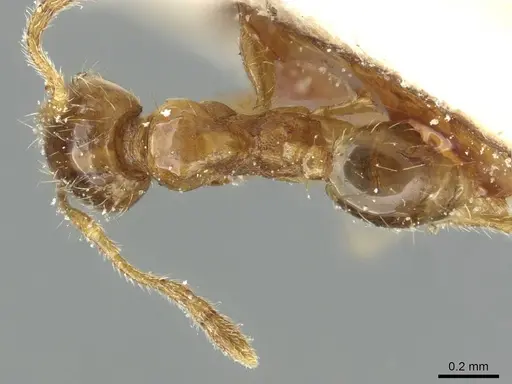
CASENT0922197
View on AntWeb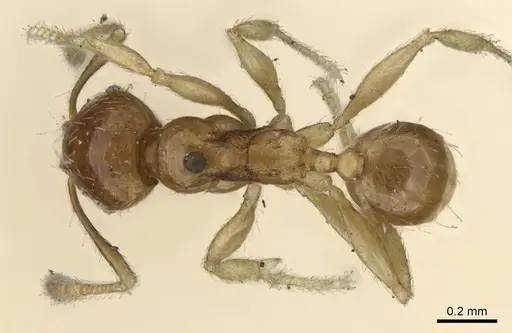
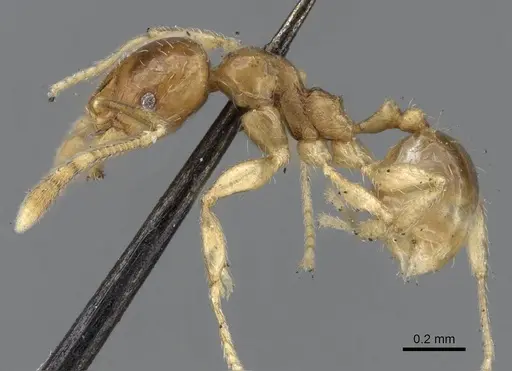
CASENT0922198
View on AntWeb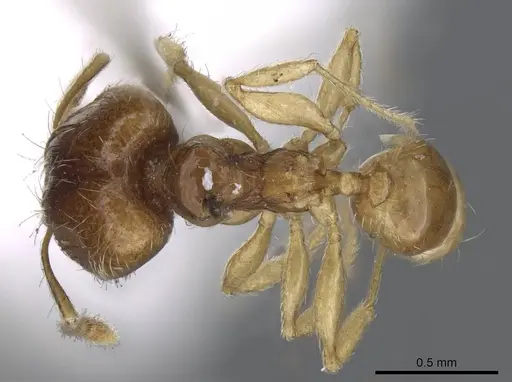
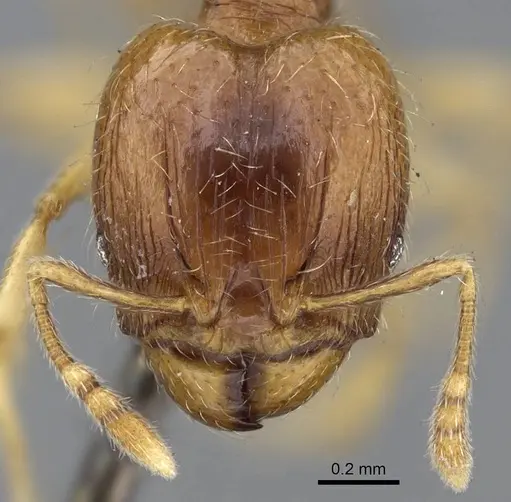
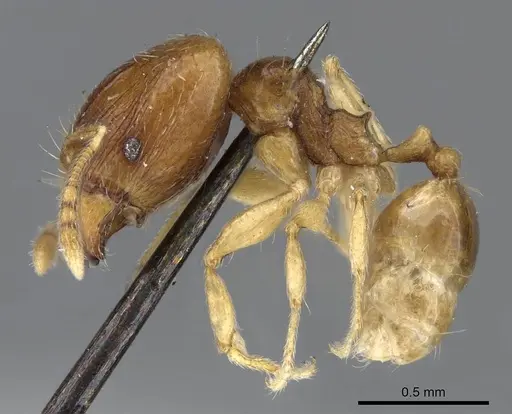
FOCOL1792
View on AntWeb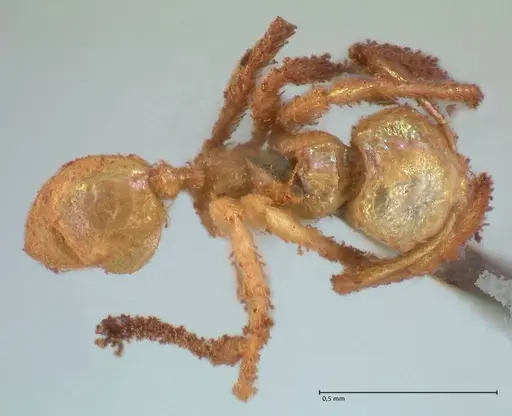
Literature
Loading distribution map...Loading products...