
Pheidole micula
- Sci. Name
- Pheidole micula
- Tribe
- Attini
- Subfamily
- Myrmicinae
- Author
- Wheeler, 1915
- Distribution
- Found in 2 countries
Introduction
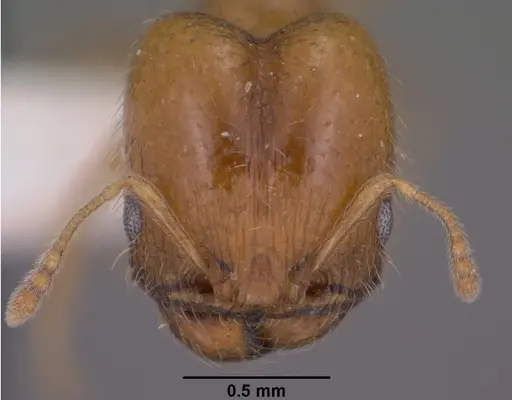
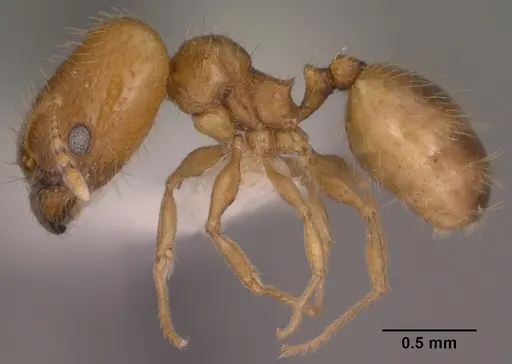
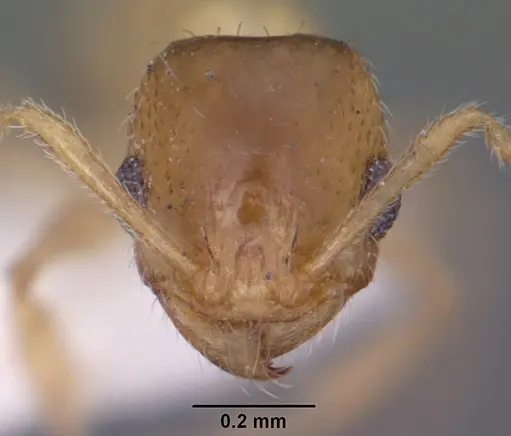
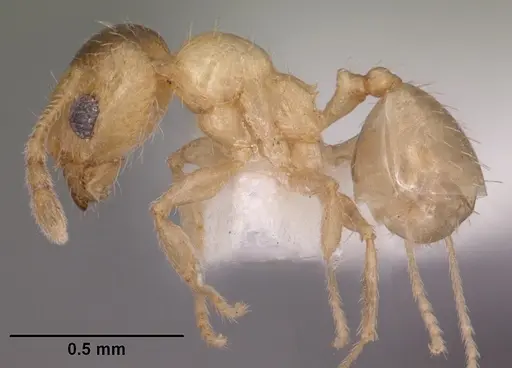
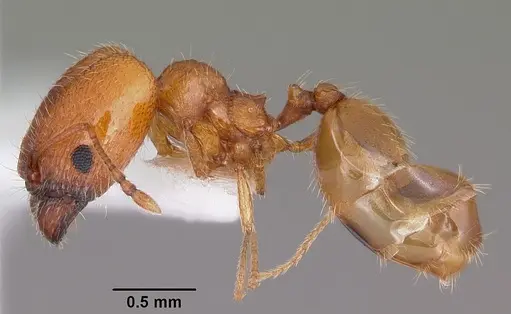
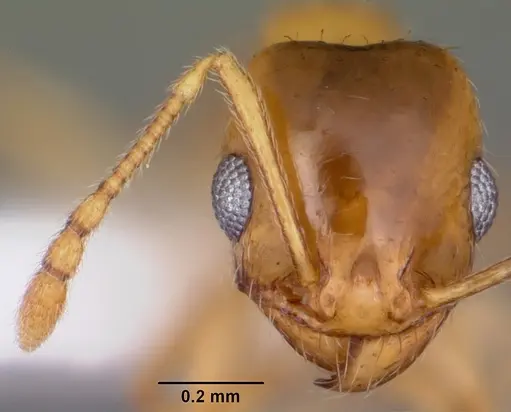
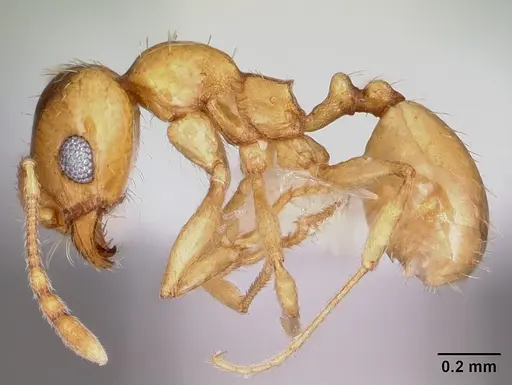
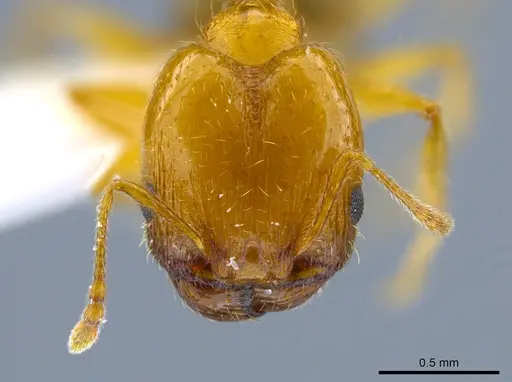
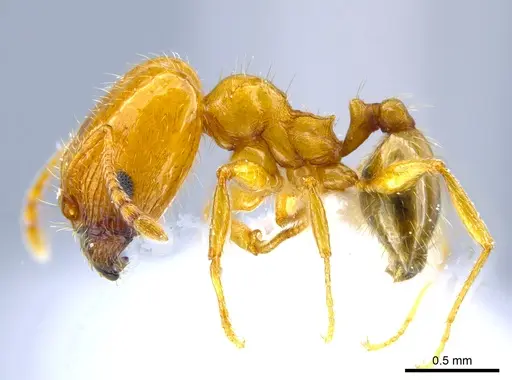
Pheidole micula is a small, bright yellow-orange ant native to the American Southwest, ranging from southern California through Arizona to western Texas, with populations in northern Mexico . This species belongs to the 'pilifera complex' within Pheidole, with majors having darker heads and minors having large forward-set eyes . The species name means 'small bit' in Latin, reflecting their diminutive size. They build crater nests in open soil or under small rocks, often in grassy meadows at elevations up to 1690m in Arizona . A notable behavior is their seed-harvesting; nests have been found containing seeds from plants like Atriplex and Oenothera, showing they actively collect and store seeds .
Quick Summary
- Difficulty: Easy
- Origin & Habitat: Southern California to western Texas, with populations in northern Mexico. Found in grassy meadows, juniper-oak woodland edges, and cholla-palo verde scrub at elevations from near sea level to 1690m. Nests under small rocks or in crater nests built in open soil [1][2][3].
- Colony Type: Based on Pheidole genus patterns, likely monogyne (single queen) colonies.
- Size & Growth:
- Queen: Estimated 5-7mm based on Pheidole genus patterns
- Worker: Workers are very small, with minors being notably smaller than majors [1]
- Colony: Small colonies, estimated up to a few hundred workers
- Growth: Moderate
- Development: 6-8 weeks at optimal temperature (Development time may vary with temperature conditions)
- Antkeeping:
- Temperature: Keep at 22-26°C with a gentle gradient, inferred from their warm habitat
- Humidity: Keep nest substrate lightly moist but allow it to dry slightly, based on their arid to semi-arid range
- Diapause: Likely required, winter rest period of 2-3 months at 10-15°C, inferred from their temperate range
- Nesting: Prefer soil or sandy substrates for crater nests, provide an outworld for foraging [1]
- Behavior: Generally peaceful and non-aggressive. Majors defend the colony while minors handle foraging and brood care. Active during daylight hours. Their small size requires careful escape prevention [1].
- Common Issues: small size makes escape likely without fine mesh barriers, colonies grow slowly, which may require patience, improper diapause timing can cause colony losses, test tube setups can flood if water reservoirs are overfilled, wild-caught colonies may contain parasites
Housing and Nest Setup
Pheidole micula is a small soil-nesting ant that does well in standard antkeeping setups. For founding colonies, a simple test tube setup works perfectly, fill a test tube one-third with water, plug with cotton, and place the queen in. The queen will seal herself into a chamber until her first workers emerge. Once the colony reaches a moderate size, move them to a formicarium with a deep soil or sandy substrate to mimic their natural crater-nesting behavior [1]. Always provide an outworld connected to the nest. Because of their very small size, use fine mesh on ventilation holes and ensure all connections are tight to prevent escapes [1].
Feeding and Diet
Pheidole micula is omnivorous with a preference for protein and seeds. In the wild, their nests contain seeds from plants like Atriplex, Cryptantha, Oenothera, and Sporobolus, showing they actively collect and store seeds [1]. Offer a varied diet: protein sources like small insects (fruit flies, pinhead crickets) and seeds such as dandelion or millet. Feed small prey items 2-3 times per week and keep seeds available. Remove uneaten prey after 24-48 hours to prevent mold.
Temperature and Seasonal Care
Pheidole micula originates from the warm American Southwest, so they prefer temperatures in the low-to-mid 20s Celsius. Keep the nest area at 22-26°C with a gentle gradient. Given their range, they likely require a winter diapause period. In late autumn, gradually reduce temperatures to 10-15°C for 2-3 months, reducing feeding during dormancy. In spring, slowly warm the colony back to room temperature. [1]
Colony Development and Growth
Pheidole micula colonies start with a single queen who raises her first brood without leaving to forage. Based on typical Pheidole development, expect 6-8 weeks from egg to first worker at optimal temperature. Growth is moderate, with colonies reaching a few hundred workers at most. Major workers become more noticeable as the colony grows.
Behavior and Observation
This species is a pleasure to observe due to the clear division of labor. Minor workers handle foraging and brood care, while majors defend and process food. They are diurnal and not aggressive toward keepers. Their bright coloration makes them easy to spot, and they exhibit seed-harvesting behavior where majors crack open seeds [1].
Frequently Asked Questions
How long does it take for Pheidole micula to raise first workers?
Expect 6-8 weeks from egg to first worker at optimal temperature around 24-26°C. The claustral queen raises the first brood alone using stored fat reserves.
Can I keep Pheidole micula in a test tube?
Yes, test tubes work perfectly for founding colonies. Use a standard setup with a water reservoir and keep it warm and dark until workers emerge [1].
Do Pheidole micula ants need hibernation?
Likely yes, given their temperate range. They probably need a winter rest period of 2-3 months at reduced temperatures.
What do Pheidole micula eat?
They are omnivorous but prefer protein. Offer small insects and seeds, and they may occasionally accept sugar water [1].
How big do Pheidole micula colonies get?
Small colonies, estimated up to a few hundred workers at maturity.
When should I move Pheidole micula to a formicarium?
Move them once the colony is established and the test tube becomes crowded, typically after the first workers emerge [1].
Why are my Pheidole micula workers dying?
Common causes include overwatering, unstable temperatures, improper diapause, or stress from disturbances. Check moisture and temperature stability.
Do Pheidole micula need a heat source?
They prefer warmth but room temperature in the low-to-mid 20s°C is usually sufficient. A gentle heat gradient can help.
Report an Issue
The current care sheet is based fully on literature. See inconsistencies, or something that's incorrect? Please , it will be resolved after review from an admin. Contributing to the blogs tab also helps providing information, to make us be able to further improve the caresheets. Thank you for your support!
References

This caresheet is licensed under CC BY-SA 4.0 .
Community Blogs
CASENT0102882
View on AntWeb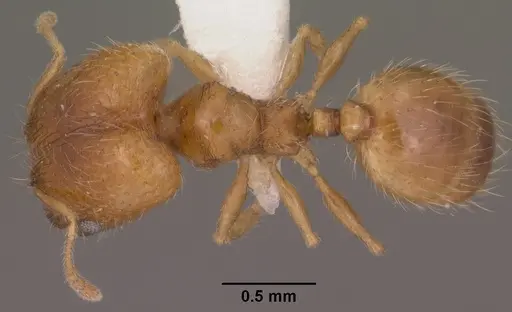
CASENT0102883
View on AntWeb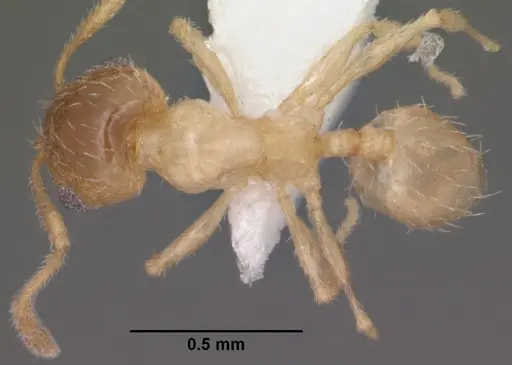
CASENT0104940
View on AntWeb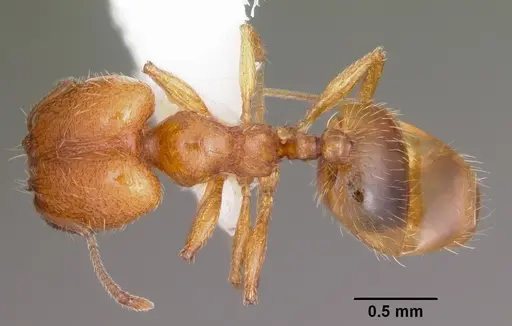
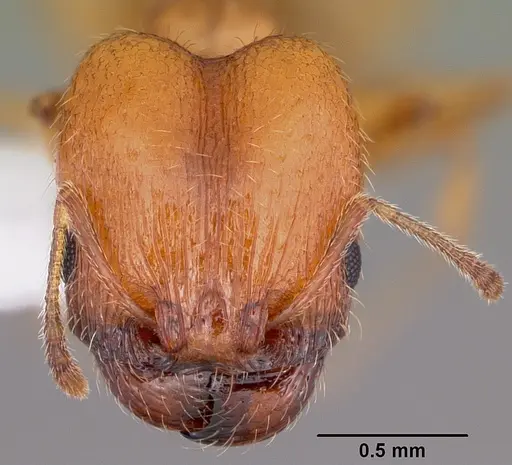
CASENT0104941
View on AntWeb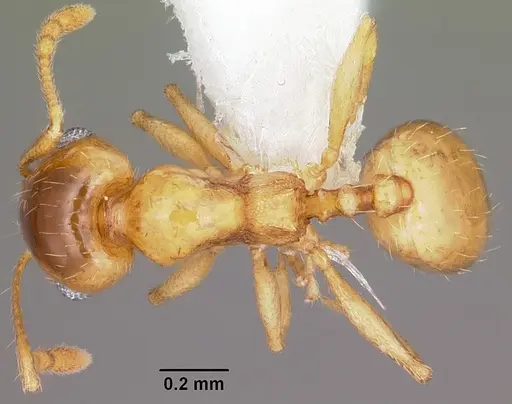
CASENT0637257
View on AntWeb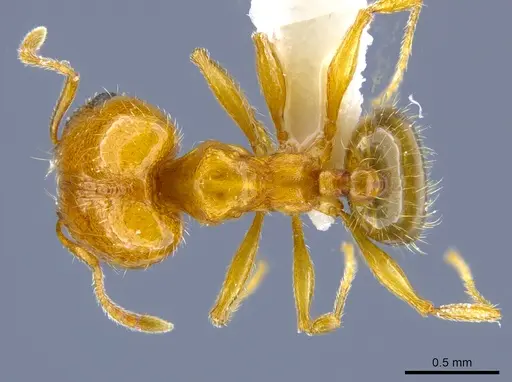
Literature
Loading distribution map...Loading products...