
Metallic Big-headed Ant
Pheidole metallescens
- Sci. Name
- Pheidole metallescens
- Tribe
- Attini
- Subfamily
- Myrmicinae
- Author
- Emery, 1895
- Common Name
- Metallic Big-headed Ant
- Distribution
- Found in 1 countries
Introduction
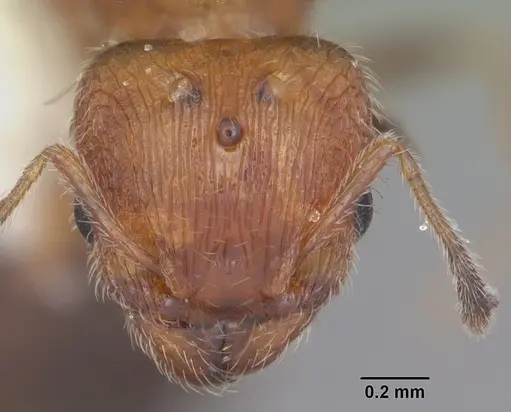
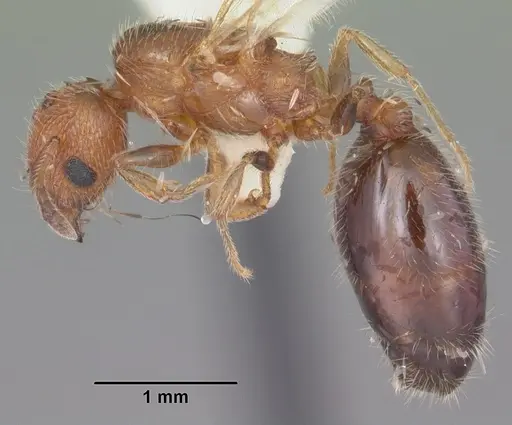
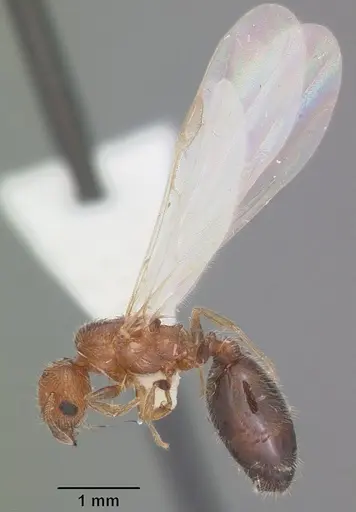
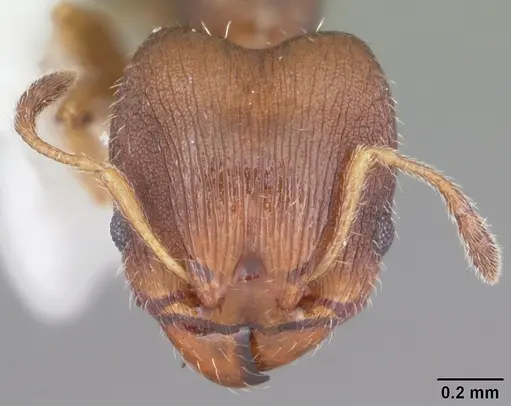
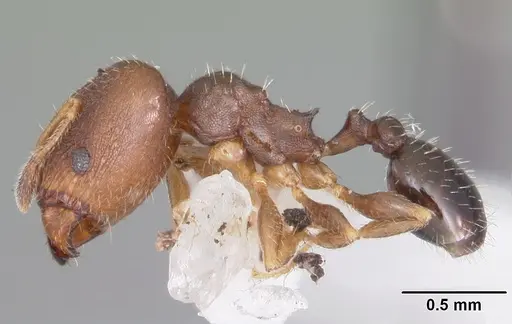
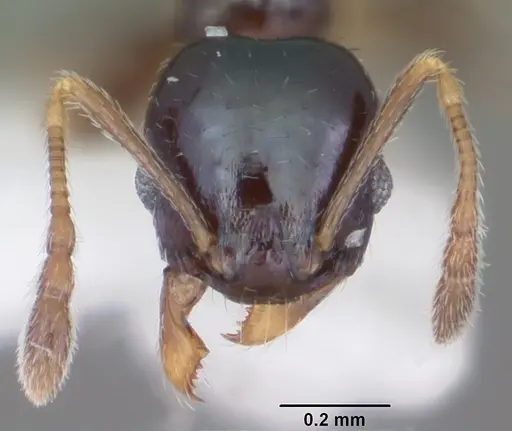
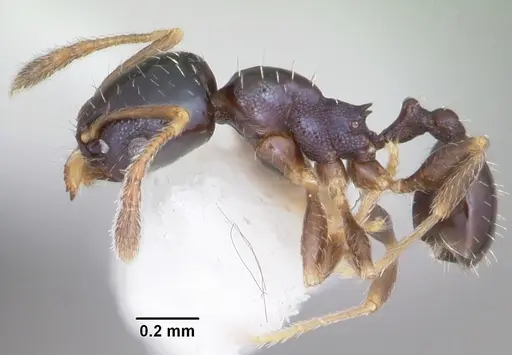
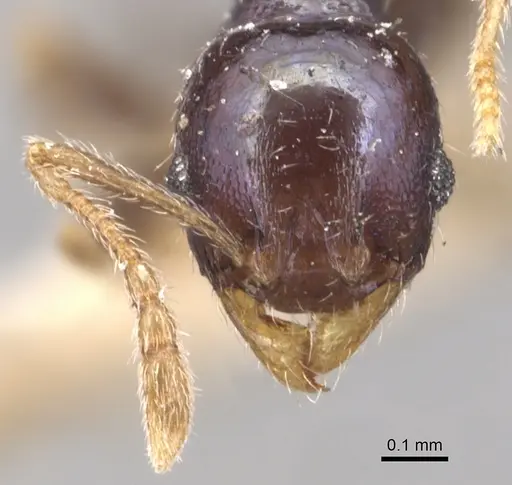
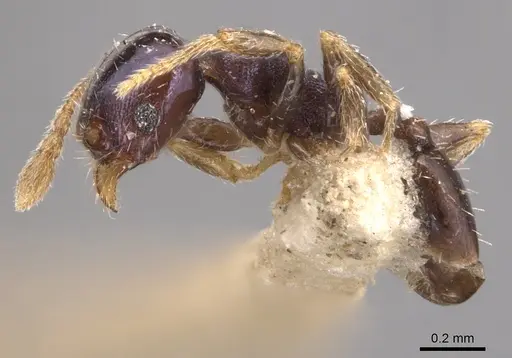
Pheidole metallescens is a small, striking ant native to the southeastern United States. The minors are especially distinctive, they have blackish bodies with beautiful bluish or purple metallic reflections, most obvious on the head . The majors are unusually small for the genus, reaching only about 2mm total length . This species ranges from central Florida through the Gulf States to Oklahoma and southern Texas , preferring well-drained sandy soils in high pine sandhills, often under tree shade or in rotting logs . These ants play an important ecological role as seed removers. They collect small grass seeds and scavenge dead arthropods . Major workers have large mandibles that can grind seeds, and minors often accompany majors during foraging . They are known to drop seeds into depressions on the way back to the nest, aiding seed dispersal . In longleaf pine ecosystems, they are among the top seed-removing species .
Quick Summary
- Difficulty: Easy
- Origin & Habitat: Southeastern United States (Florida, Georgia, Alabama, Mississippi, Texas, Oklahoma, North Carolina, South Carolina). Found in sandy soils in high pine sandhills, upland habitats, and under tree shade, also nests in rotting logs. Prefers well-drained sandy substrates [6][4][3][2].
- Colony Type: Monogyne, each colony has a single queen [2].
- Size & Growth:
- Queen: Size unconfirmed, inferred from Pheidole genus (~5-6mm).
- Worker: Majors: ~2mm total length [2], minors: size unconfirmed (smaller than majors).
- Colony: Unknown, not documented in available sources.
- Growth: Moderate
- Development: Unknown, inferred from typical Pheidole patterns (6-10 weeks). (Development time unconfirmed for this species.)
- Antkeeping:
- Temperature: Room temperature (20-26°C) should work based on its southeastern US origin. Provide a temperature gradient. Avoid extremes.
- Humidity: Keep nest substrate sandy and well-drained, moist but not waterlogged. Ensure good drainage to prevent mold.
- Diapause: Likely requires a winter cooling period, details unconfirmed. Reduce temperature slowly to 10-15°C for 2-3 months during winter, then gradually warm up.
- Nesting: Sandy, well-drained substrate works best. In the wild, nests have small chambers connected by a central vertical gallery up to 40cm deep [2]. A naturalistic setup with sandy soil or a Y-tong/plaster nest with good drainage suits them well. They also accept test tubes with sandy fill.
- Behavior: Generally peaceful and non-aggressive. Workers are active foragers that search for small seeds and dead insects. Majors accompany minors during foraging [5]. Their small size means escape prevention should be thorough, use fine mesh or barriers. They are ground-nesting and do not climb extensively.
- Common Issues: colonies can fail if kept too wet, sandy substrate must drain well to avoid drowning brood or mold., growth is moderate so beginners may overfeed or become impatient, be patient., wild-caught colonies may carry parasites, quarantine if possible., majors are tiny, so ensure any barriers have fine enough mesh to prevent escapes.
Housing and Nest Setup
Pheidole metallescens does well in several setups. A naturalistic terrarium with sandy soil allows them to dig their own tunnels, wild nests have small chambers connected by a central vertical gallery up to 40cm deep [2]. Alternatively, a Y-tong (AAC) or plaster nest with a sandy fill section works well. Test tubes can be used for founding colonies if you add a small amount of sandy substrate. The key is drainage: these ants come from well-drained sandy habitats, so avoid compact or water‑retaining substrates that could cause mold or drown brood. A layer of gravel under the sand helps with drainage.
Feeding and Diet
These ants are primarily seed removers and scavengers. In captivity, they accept small seeds such as grass seeds, millet, and other tiny seeds, the majors can grind them with their large mandibles [5]. They also scavenge for protein: offer small insects like fruit flies, pinhead crickets, or mealworm pieces. Sugar water or honey is also accepted. Feed seeds continuously (they store them) and provide protein 2–3 times per week. Remove uneaten seeds periodically to prevent mold. Both minor and major workers forage, so ensure food is accessible to both sizes [5].
Temperature and Seasonal Care
Keep your colony at room temperature (20–26°C) for consistent activity and brood development. This species naturally occurs across the warm southeastern US, so typical indoor temperatures work well. During winter, provide a cooling period, slowly reduce temperature to 10–15°C for 2–3 months to mimic the natural cycle. A move to a cooler room or basement is sufficient. Do not cool them suddenly. Reduce feeding during this period. [2]
Behavior and Colony Dynamics
This species forms monogyne colonies with a single queen [2]. Colonies grow at a moderate pace, first workers appear after a few months, then gradual growth over several years. The majors (soldiers) are relatively small but have distinctive large mandibles for seed processing [5]. Both minor and major workers forage, with majors often accompanying minors. They are not aggressive and do not readily sting. Established colonies produce alates in summer, but nuptial flight details are unconfirmed.
Growth and Development
Pheidole metallescens follows typical Pheidole development patterns. The queen lays eggs that develop through larval and pupal stages. First workers (nanitics) are usually smaller than mature workers. The egg‑to‑worker timeframe is unconfirmed for this species, but based on related Pheidole it likely takes 6–10 weeks at optimal temperatures (24–26°C). Growth is moderate, do not expect rapid expansion. Major workers appear as the colony matures, typically once several dozen workers are present. Patience is key. [2]
Frequently Asked Questions
How long does it take for Pheidole metallescens to raise first workers?
The exact time is unconfirmed for this species. Based on typical Pheidole patterns, expect around 6–10 weeks from egg to worker at 22–26°C.
Can I keep Pheidole metallescens in a test tube?
Yes, test tubes work for founding colonies. Add a small amount of sandy substrate to the tube so the queen can create a founding chamber. Ensure proper escape prevention, standard cotton barriers are sufficient.
What do Pheidole metallescens eat?
They accept small seeds (grass seeds, millet) and protein (small insects, mealworm pieces). Their majors can grind seeds with their large mandibles [5]. Offer seeds continuously and protein 2–3 times per week.
How big do Pheidole metallescens colonies get?
The maximum colony size is unconfirmed in available research. Based on typical Pheidole patterns, colonies likely reach several hundred workers, but this is an estimate.
Do Pheidole metallescens need hibernation?
Yes, it is recommended to provide a cool period in winter. Slowly reduce temperature to 10–15°C for 2–3 months. This mimics the natural cycle in the southeastern US, where winters are mild but cause reduced activity. Details are not precisely documented.
Are Pheidole metallescens good for beginners?
Yes, they are considered easy to keep. They are not aggressive, accept a wide diet, and tolerate typical room temperatures. The main challenges are providing proper sandy substrate and being patient with their moderate growth rate.
When should I move my colony to a formicarium?
Move from test tube to a larger setup once the colony has 50+ workers or the test tube becomes cramped. A naturalistic setup with sandy soil or a Y‑tong with sandy fill works well.
Why are my Pheidole metallescens dying?
Common causes include: overly wet substrate (they need well‑drained sandy soil), temperature extremes, or stress from frequent disturbance. Also check for parasites if wild‑caught. Ensure proper humidity without waterlogging and avoid moving the nest often.
Can I keep multiple Pheidole metallescens queens together?
No, this species is monogyne with single‑queen colonies [2]. Multiple unrelated queens will fight. Only keep one queen per colony.
What makes Pheidole metallescens distinctive?
The minors have beautiful bluish‑purple metallic reflections on their blackish bodies, especially visible on the head [1]. The name 'metallescens' means 'metallic' in Latin. Majors are unusually small for Pheidole at only about 2mm total length [2].
Where is Pheidole metallescens found in the wild?
They range from central Florida through the Gulf States (Georgia, Alabama, Mississippi) to Oklahoma and southern Texas [2][7][8]. They live in sandy soils in high pine sandhills, often under tree shade, and sometimes in rotting logs [4][3][6].
Report an Issue
The current care sheet is based fully on literature. See inconsistencies, or something that's incorrect? Please , it will be resolved after review from an admin. Contributing to the blogs tab also helps providing information, to make us be able to further improve the caresheets. Thank you for your support!
References

This caresheet is licensed under CC BY-SA 4.0 .
Community Blogs
CASENT0104410
View on AntWeb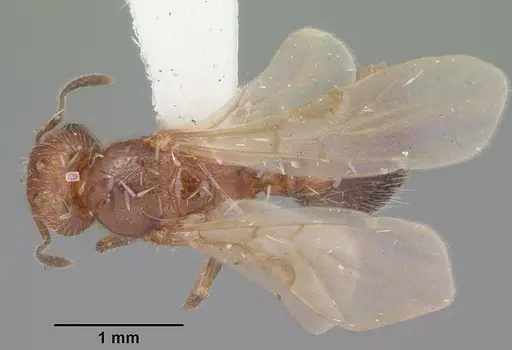
CASENT0104411
View on AntWeb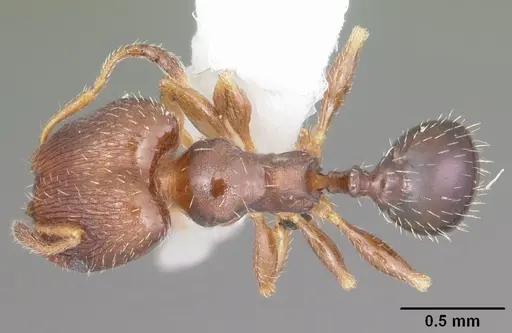
CASENT0104412
View on AntWeb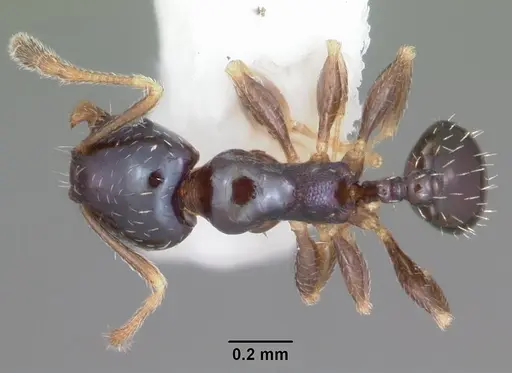
CASENT0904444
View on AntWeb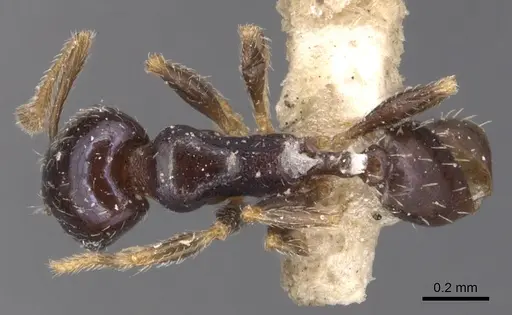
Literature
Loading distribution map...Loading products...