
Pheidole melastomae
- Sci. Name
- Pheidole melastomae
- Tribe
- Attini
- Subfamily
- Myrmicinae
- Author
- Wilson, 2003
- Distribution
- Found in 2 countries
Introduction
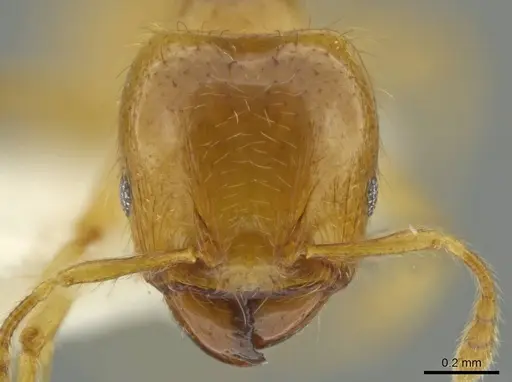
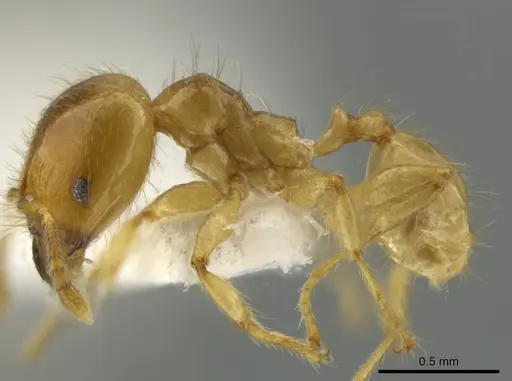
Pheidole melastomae is a medium-sized yellow ant from the flavens group, found in hilly rainforests of Panama, Colombia, and Ecuador . It nests exclusively inside myrmecophytic melastome plants, with majors being clear medium yellow with brownish yellow on the head and mandibles, and minors light to medium yellow . The species has minimal sculpturing on the head, a reduced propodeal spine, and abundant long hairs . This ant has a specialized relationship with melastome plants, reflected in its species name. Winged males were observed in nests in early June in Colombia and early July in Panama, indicating nuptial flights during the early rainy season .
Quick Summary
- Difficulty: Medium
- Origin & Habitat: Hilly rainforest of Panama, Colombia, and Ecuador. Nests exclusively inside myrmecophytic melastome plants [1].
- Colony Type: Unconfirmed, no specific data on queen number or social structure.
- Size & Growth:
- Queen: Size data unavailable for body length. Inferred from Pheidole genus patterns, queens are typically 5-6mm.
- Worker: Size data unavailable for body length. Inferred from Pheidole genus patterns, workers are typically 1-3mm.
- Colony: Unknown for this species. Typical Pheidole colonies can reach several thousand workers.
- Growth: Moderate, estimated based on related tropical Pheidole species.
- Development: 6-10 weeks estimated for tropical Pheidole at optimal temperature. (Development time is estimated based on genus patterns since specific data for this species is unavailable.)
- Antkeeping:
- Temperature: Keep at 24-28°C, these are tropical rainforest ants that need warmth and stable temperatures [1].
- Humidity: High humidity required. Keep nest substrate consistently moist but not waterlogged [1].
- Diapause: No, as a tropical species, they do not require hibernation [1].
- Nesting: Nest inside plant stems in the wild, so provide Y-tong, plaster, or naturalistic setups with hollow twigs [1].
- Behavior: Pheidole melastomae is generally calm. Major workers have large mandibles for defense but are not aggressive toward keepers. Workers are active foragers. Escape risk is moderate due to small size.
- Common Issues: high humidity needs can lead to mold if ventilation is poor [1]., temperatures below 22°C may stress the colony [1]., wild-caught colonies may struggle due to specialized nesting habits., colonies may be slow to establish compared to common species.
Nest Preferences
In the wild, Pheidole melastomae nests exclusively inside myrmecophytic melastome plants, in hollow stems and cavities [1]. For captive care, provide nests that mimic these tight, enclosed spaces, such as Y-tong or plaster nests with narrow chambers [1]. Avoid large, open formicarium chambers, these ants prefer to feel enclosed and secure.
Feeding and Diet
Pheidole species are typically omnivorous with a preference for seeds and protein. Offer seeds like millet for majors to process, along with protein sources such as small insects, and sugar water or honey [1]. Feed protein 2-3 times per week with constant sugar availability.
Temperature and Care
As a tropical rainforest species, Pheidole melastomae requires warm temperatures. Keep the nest area at 24-28°C consistently, using a heating cable or mat to create a gradient [1]. Avoid temperatures below 22°C or sudden changes.
Humidity Requirements
High humidity is essential for this rainforest species. Keep nest substrate damp but not waterlogged, with a water tube attached for constant moisture [1]. Mist the outworld occasionally, but focus on consistent nest moisture.
Behavior and Colony Structure
Pheidole melastomae has distinct major and minor workers. Majors have large mandibles for defense and seed-crushing, while minors handle foraging and nursing [1]. The colony grows slowly at first, then accelerates once majors appear. Workers are active foragers with moderate escape risk.
Frequently Asked Questions
How long does it take for Pheidole melastomae to produce first workers?
Expect 6-10 weeks from egg to first worker at optimal temperature (24-28°C), estimated based on related tropical Pheidole species.
What do Pheidole melastomae ants eat?
They are omnivorous. Offer seeds, protein sources like small insects, and sugar water or honey [1].
Can I keep Pheidole melastomae in a test tube?
Test tubes work well for founding colonies. Once the colony reaches 20-30 workers, move them to a more suitable nest like Y-tong or plaster [1].
What temperature is best for Pheidole melastomae?
Keep them at 24-28°C. These are tropical ants that need warmth year-round [1].
Are Pheidole melastomae good for beginners?
This species is rated as Medium difficulty due to specific humidity and temperature needs [1].
How big do Pheidole melastomae colonies get?
Colony size is unknown, but typical Pheidole colonies can reach several thousand workers.
Do Pheidole melastomae need hibernation?
No. As a tropical species, they do not require diapause [1].
What makes Pheidole melastomae unique?
It nests exclusively inside myrmecophytic melastome plants, which is reflected in its species name [1].
When do Pheidole melastomae have nuptial flights?
Winged males were observed in early June in Colombia and early July in Panama, suggesting nuptial flights during the early rainy season [1].
Report an Issue
The current care sheet is based fully on literature. See inconsistencies, or something that's incorrect? Please , it will be resolved after review from an admin. Contributing to the blogs tab also helps providing information, to make us be able to further improve the caresheets. Thank you for your support!
References

This caresheet is licensed under CC BY-SA 4.0 .
Community Blogs
CASENT0645826
View on AntWeb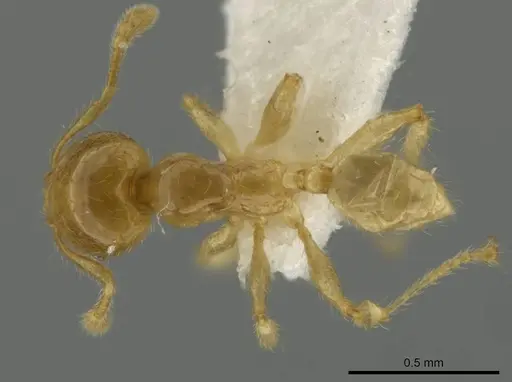
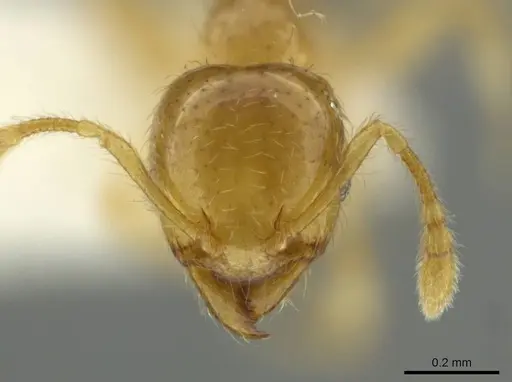
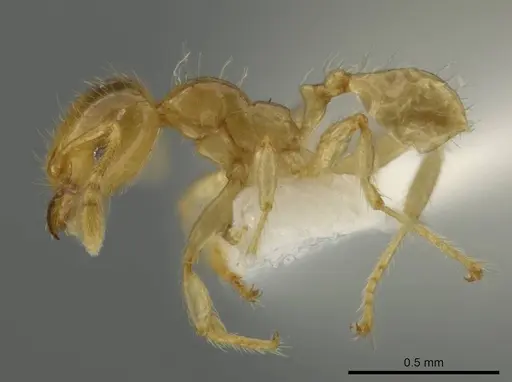
JTLC000016450
View on AntWeb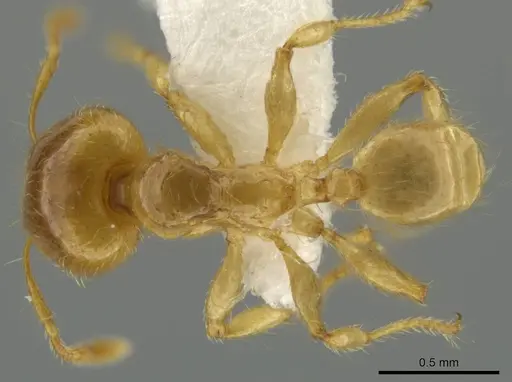
Literature
Loading distribution map...Loading products...